

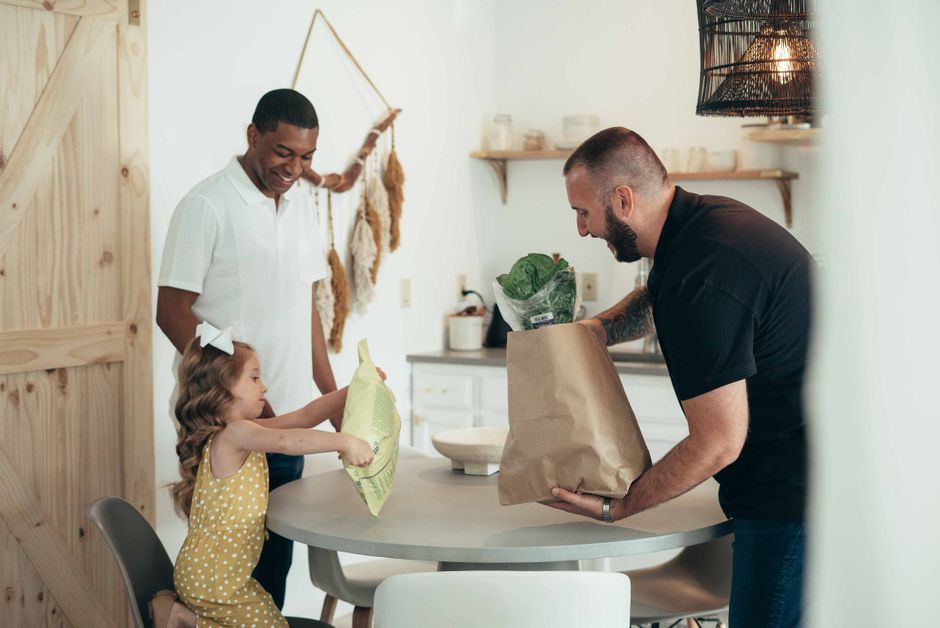
You planned a meal everyone was supposed to like. One child refuses half of it, your partner is still hungry, and a younger kid barely touched the plate before asking for something else. You are not running a restaurant, but it can feel that way.
This is one of the most common frustrations in family meal planning: different appetites, different eating speeds, and wildly different portion needs all competing at the same table. The temptation is to cook separate meals, but that path leads to exhaustion fast.
Instead, three realistic strategies can carry most families through this challenge without doubling your kitchen time. Below is an honest comparison of each, including what it does well and where it falls short.

Strategy 1: Staggered Serving
How it works: You serve the meal in small rounds rather than placing everything on the table at once. Start with raw vegetables or a simple salad. After a few minutes, bring out the protein. Finish with any grains or starch.
Why it can help: Children, especially younger ones, tend to eat more vegetables and lean proteins when those foods appear first, before they fill up on bread or starch. Research published in the journal Appetite found that serving vegetables before a main course increased vegetable consumption in children compared with serving everything simultaneously. Adults benefit too: spacing courses even slightly slows the eating pace, which gives hunger signals more time to catch up to actual intake.
For families trying to support balanced eating without restriction, this approach works quietly in the background. No one feels denied a food group; it just shows up a little later.
Where it falls short: Staggered serving takes more attention than a single-plate dinner. If you have a very hungry adult coming home from work or a child with low blood sugar at dinnertime, waiting through two rounds may create friction before the meal even settles.
Best fit: Families with toddlers or young children who eat well when attention is not split across a full plate, and households where at least one adult can stay near the kitchen for a few extra minutes.
Strategy 2: Plate-Building Flexibility
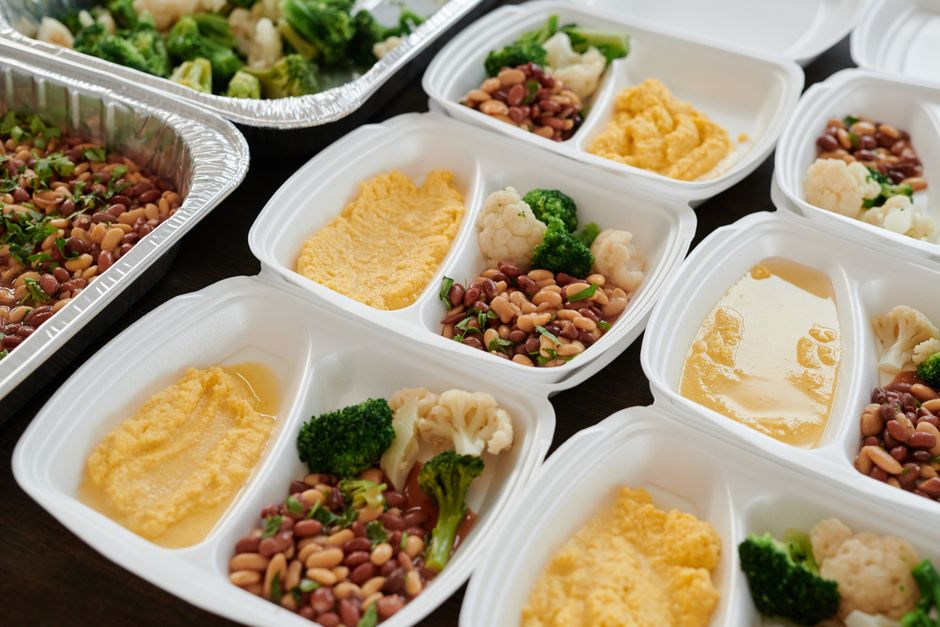
How it works: You cook one base meal, then set out two or three of the components separately so each person assembles their own plate. Think taco bowls, grain bowls, pasta bars, or a sheet-pan protein with separate sides in serving dishes.
Why it can help: This strategy respects the fact that appetite is personal. A teenager in a growth phase may pile on twice the protein a younger child needs. A parent managing their calorie intake for weight loss can go heavier on vegetables and lighter on the starch without making it a production. Five Plant-Based Dinners Ranked by Complete Protein, Real Satiety, and Cost for Sustainable Weight Management includes several dinners that adapt perfectly to this format: beans, grains, and vegetables in separate bowls let each family member self-regulate.
Another benefit is that kids feel some ownership over their plate, which research in Pediatric Obesity suggests may reduce mealtime conflict and increase food acceptance over time.
Where it falls short: It requires slightly more serving dishes and can feel chaotic with very young children who need more guidance. It also works best when the components are somewhat universally appealing. A deconstructed curry works; a single complex casserole does not.
Best fit: Families with children aged five and older, households where two or more people have genuinely different nutrition goals, and anyone who wants to do less negotiating at the table.
Strategy 3: Portion-First Planning
How it works: Instead of cooking and then dividing, you plan portion sizes before you shop and cook. You account for each family member’s rough needs during grocery and recipe selection, so the meal scales naturally.
This means using the USDA MyPlate guidance as a starting framework. A five-year-old needs roughly half the portion of a physically active adult. Planning backward from those numbers means you choose a protein source, grain, and vegetable that can scale up or down without a second recipe.
Why Your Grocery Cart Sabotages Weight Loss Before You Cook a Single Meal makes a related point: what you decide at the store shapes what is possible at the table. Portion-first planning starts even before you open the refrigerator.
Why it can help: This approach reduces mid-meal scrambling. You are not improvising serving sizes at 6pm when everyone is tired. Adults who want a higher-protein dinner can have a larger portion of the main protein built into the plan, not added as a last-minute afterthought. Parents trying to support healthy habits without drawing attention to food differences find this strategy low-key and calm.
For adults paying attention to meal timing and energy, connecting portion planning to when the family eats can also matter. Meal Timing for Stable Afternoon Energy: Why Food Order and Gaps Matter More Than Snack Calories explains why the size and composition of earlier meals shapes hunger later in the day, which is directly relevant when you are planning dinner for a household with mixed schedules.
Where it falls short: It requires a bit more planning upfront, which not every week allows. If your schedule is unpredictable, rigid portion planning can feel like one more thing to manage rather than a relief.
Best fit: Households with consistent weekly routines, parents who already do some degree of meal prep, and families where at least one adult has a specific nutrition goal.

Which Strategy Is Worth Trying First?
There is no single winner here, because the right approach depends on your family’s specific mix of ages, schedules, and eating styles. That said, plate-building flexibility tends to work across the widest range of families. It asks the least upfront planning, it adapts to unexpected hunger levels, and it keeps everyone at one table without requiring anyone to eat identically.
If your children are very young (under four), staggered serving often reduces overwhelm on small plates and increases vegetable intake without any negotiation. If you have a consistent routine and a partner who enjoys planning, portion-first planning is the most sustainable long-term.
Many families end up combining two strategies: planning portions before shopping and then letting family members build their own plates at dinner. That combination handles the biggest tension in family meal planning, which is the gap between what people need and what they will actually eat.
Choose one approach this week and try it for three to five dinners before deciding whether to adjust. Consistency matters more than perfection at the start.
For more practical guidance on meals, movement, and sustainable habits, consider joining the Clean Body Mentor newsletter, where we share evidence-informed ideas each week without the pressure.
Sources
- Spill, M.K., et al. “Eating vegetables first: The use of portion size to increase vegetable intake in preschool children.” American Journal of Clinical Nutrition, 2010. (Referenced in context of course order and vegetable consumption.)
- Rhee, K. “Childhood overweight and the relationship between parent behaviors, parenting style, and family functioning.” Annals of the New York Academy of Sciences, 2008. (Referenced for child food autonomy research context.)
- USDA MyPlate. “MyPlate Food Groups and Portion Guidance.” U.S. Department of Agriculture. myplate.gov.
This article is for general educational and informational purposes only and is not a substitute for medical advice, diagnosis, or treatment. Health needs vary by individual. Consult a qualified healthcare professional before making significant changes to your diet, exercise routine, supplements, medication, or treatment plan, especially if you have a medical condition, are pregnant or breastfeeding, take medication, or have concerns about your symptoms.


