You made it through lunch without any drama. Then around 3pm, something shifts. The focus blurs, your desk feels unbearable, and you are mentally negotiating with the vending machine three floors away. If this sounds familiar, you are not alone, and more importantly, you are not lacking willpower.
Afternoon cravings at 3pm are largely a blood sugar story. Once you understand the biology, you can interrupt the cycle with specific food pairings rather than white-knuckling your way to dinner.
What Is Actually Happening in Your Body at 3pm
Blood glucose naturally dips in the early-to-mid afternoon, partly because of your circadian rhythm and partly because of what you ate at lunch. Research published in the journal Current Biology (2022) found that human circadian biology contributes to a measurable drop in alertness and core body temperature between roughly 1pm and 3pm, independent of how much sleep you got.
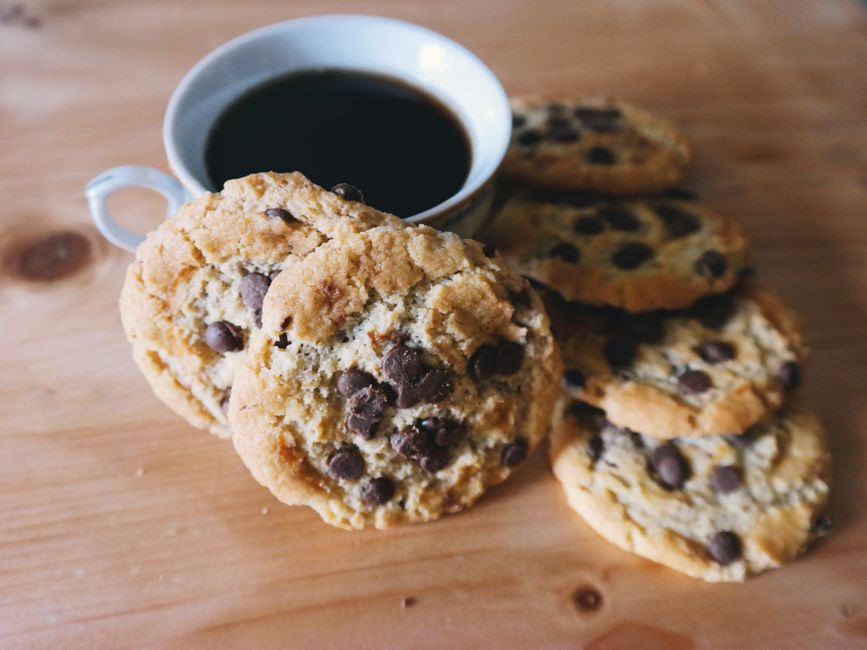
If your lunch was light on protein, fiber, or fat, that dip arrives harder and earlier. A meal built mostly on refined carbohydrates, such as white bread or sugary sauces, triggers a rapid glucose rise followed by an insulin-driven drop. When blood sugar falls, your brain interprets the signal as an emergency. It pushes you toward fast-burning, high-reward foods, which is why chips, cookies, and candy feel so compelling at 3pm rather than, say, a plain cucumber.
The afternoon cravings 3pm blood sugar connection is not a moral failure. It is your physiology doing exactly what it was designed to do.
For a broader look at how this energy pattern plays out across different schedules, Afternoon Energy Crashes vs. Genuine Hunger: A Case Study of Four Professionals Who Rebuilt Midday Stability offers useful real-world context. And if the crash feels like it starts even earlier in your day, Why Your Afternoon Energy Collapses at 2pm and How One Food Timing Shift Stops It for Four Hours walks through the food-timing piece in more detail.
Four Snack Pairings That Break the 3pm Blood Sugar Cycle
Each pairing below is built around a specific macro combination. The goal is not just to quiet the craving temporarily but to stabilize blood sugar for two to three hours so you arrive at dinner calm rather than ravenous.
1. Greek Yogurt Plus a Small Handful of Walnuts (Protein Plus Fat)
Why it works: Protein slows gastric emptying, which means glucose enters your bloodstream more gradually. Fat extends that effect further. Plain Greek yogurt (170 to 200 grams) delivers roughly 15 to 18 grams of protein, while walnuts add healthy unsaturated fat and a small amount of fiber. The result is a slow, steady glucose curve instead of another spike-and-crash cycle.
Research suggests protein and fat together are particularly effective at blunting the post-snack glucose rise in people who experience reactive hypoglycemia patterns during the afternoon. Choose plain or lightly sweetened yogurt to avoid adding a significant sugar load on top.
Practical tip: Portion the walnuts into a small reusable container the night before so decision fatigue does not send you toward something else at 3pm.
2. Apple Slices Plus Almond Butter (Fiber Plus Protein Plus Fat)
Why it works: A medium apple contains around 4 to 5 grams of fiber, including pectin, a soluble fiber that forms a gel in your digestive tract and slows sugar absorption. Pairing it with one to two tablespoons of almond butter adds protein and monounsaturated fat, turning a fruit that would spike blood sugar on its own into a genuinely stabilizing snack.
This is one of the most accessible afternoon cravings 3pm blood sugar interventions because both ingredients travel well and require no prep beyond slicing. The natural sweetness of the apple satisfies the sugar craving signal while the almond butter keeps you anchored.
Practical tip: If almond butter is not your preference, peanut butter, sunflower seed butter, or tahini offer a similar fat-and-protein profile.
3. Hard-Boiled Egg Plus a Few Whole-Grain Crackers (Protein Plus Complex Carbohydrate)
Why it works: A single large egg provides around 6 grams of complete protein and contains fat from the yolk, which together slow digestion. Pairing it with a small serving of whole-grain crackers adds complex carbohydrates that release glucose more slowly than refined grains, partly due to their higher fiber content.
This combination is particularly useful if your 3pm craving has a strong savory or salty edge, which can indicate your body is also seeking sodium or just wants something more substantial than a sweet option. You are satisfying the craving signal while also addressing the blood sugar drop.
For those curious about how meal timing and food composition interact throughout the whole day, Meal Timing for Stable Afternoon Energy: Why Food Order and Gaps Matter More Than Snack Calories is worth reading alongside this.
4. Cottage Cheese Plus Sliced Cucumber or Cherry Tomatoes (High-Protein Plus High-Water Fiber)
Why it works: Half a cup of cottage cheese packs roughly 12 to 14 grams of protein with minimal sugar, making it one of the most effective afternoon cravings 3pm blood sugar stabilizers in a simple, savory format. Pairing it with a water-rich vegetable adds volume, light fiber, and a satisfying crunch without meaningfully spiking glucose.
High-water foods also help with mild dehydration, which is worth noting because mild dehydration can amplify afternoon fatigue and is sometimes mistaken for hunger. Hydration for Sustained Afternoon Focus: Why Thirst Signals Lie and How to Drink for Energy Without Caffeine Crashes covers that connection clearly.
Practical tip: Portion cottage cheese into individual small containers during a Sunday meal prep session for the whole week.
A Note on Lunch and the Bigger Picture
If your afternoon cravings 3pm blood sugar pattern is persistent despite good snack choices, the issue may sit further upstream at lunch. A meal that is too low in protein, too high in simple carbohydrates, or eaten too quickly can set the blood sugar rollercoaster in motion before 2pm. Building a Gut-Healing Lunch Bowl That Stops Afternoon Bloating Without Cutting Food Groups offers a practical starting point for building a more stabilizing midday meal.
The four pairings above are not a cure-all, and individual responses to food vary depending on health status, medications, and metabolic factors. If you experience frequent intense blood sugar swings, dizziness, or shaking alongside your afternoon cravings, speak with a qualified healthcare professional or registered dietitian about your individual needs.

Try One Pairing This Week
Rather than overhauling your entire afternoon routine, pick one snack pairing from this list and bring it to work or keep it ready at home for three to five days. Notice whether the craving feels different in intensity, whether your energy holds longer, and whether dinner feels calmer. Gradual progress built on one realistic habit tends to stick far better than a complete overhaul.
If you want more practical weekly guidance on nutrition, movement, and sustainable habits, the Clean Body Mentor newsletter is a straightforward way to stay consistent without feeling overwhelmed.
This article is for general educational and informational purposes only and is not a substitute for medical advice, diagnosis, or treatment. Health needs vary by individual. Consult a qualified healthcare professional before making significant changes to your diet, exercise routine, supplements, medication, or treatment plan, especially if you have a medical condition, are pregnant or breastfeeding, take medication, or have concerns about your symptoms.
Sources
- Vetter C, et al. “Circadian misalignment and metabolic consequences.” Current Biology, 2022. (Circadian biology and afternoon alertness dips)
- U.S. Department of Agriculture FoodData Central: nutritional values for Greek yogurt, eggs, cottage cheese, almond butter (USDA FoodData Central, fdc.nal.usda.gov)
- Maki KC, et al. “Soluble fiber from foods and the effect on postprandial blood glucose.” Research reviewed by the American Diabetes Association, referenced in Diabetes Care clinical standards.
- National Institute of Diabetes and Digestive and Kidney Diseases (NIDDK): general guidance on reactive hypoglycemia and blood sugar regulation (niddk.nih.gov)