

The 4pm wall is real. Your focus blurs, your motivation stalls, and you reach for whatever is nearby, often a second (or third) caffeinated drink. But the crash is rarely about caffeine quantity alone. Caffeine timing, beverage type, and your individual sensitivity all shape whether your afternoon stays sharp or collapses.
This comparison breaks down three common strategies, cold brew coffee, green tea, and caffeine-free herbal blends, so you can match your afternoon drink to your actual energy rhythm rather than defaulting to habit.
For a broader look at how caffeine timing interacts with your body’s natural rhythms throughout the day, the Caffeine Timing vs. Natural Energy Rhythms: Which Strategy Actually Sustains Your Focus All Day guide covers the full picture.
Why Caffeine Timing Matters More Than Most People Think
Caffeine has a half-life of roughly five to six hours in most adults, though genetics and liver enzyme activity can push that range from three to nine hours (National Institutes of Health, research on CYP1A2 enzyme variation). That means a 2pm cold brew still has half its caffeine circulating at 7 or 8pm, which can delay sleep onset even when you feel tired.
Your cortisol rhythm also plays a role. Cortisol, the hormone that naturally supports alertness, tends to dip in early afternoon, which is partly why that post-lunch fog feels so heavy. Layering caffeine on top of that dip can provide a temporary lift, but the timing of when you stop matters as much as when you start.
Food timing compounds this further. Research suggests that a lunch heavy in refined carbohydrates can amplify the early-afternoon glucose drop, making any caffeinated drink feel less effective. If you want your beverage strategy to work, pairing it with a balanced lunch helps considerably. See How to Pair Foods for Natural Energy Without Afternoon Crashes for practical macro guidance.

Cold Brew Coffee: High Caffeine, Smooth Delivery, Longer Tail
Cold brew is brewed with cold water over an extended steep (typically 12 to 24 hours), which produces a concentrate that is lower in acidity than hot-brewed coffee and often perceived as smoother. An 8-ounce serving of cold brew can deliver 150 to 250 milligrams of caffeine depending on the brand and dilution ratio, making it one of the most potent afternoon choices.
Where it works well: If your work requires sustained cognitive load from 1pm to 4pm and you sleep late (around 11pm or midnight), a single cold brew consumed by 1pm can carry you through without dramatically cutting into sleep. Fast metabolizers, those with higher CYP1A2 enzyme activity, may tolerate it later.
Where it causes problems: For average or slow caffeine metabolizers, drinking cold brew at 2pm or later frequently contributes to the very crash it was meant to prevent. The high caffeine dose elevates adenosine receptor blockade sharply and then releases it more suddenly, sometimes producing a rebound fatigue effect. It can also increase cortisol and heart rate, which some people experience as jitteriness rather than calm focus.
Practical note: If you choose cold brew, aim to finish it before 1:30pm on workdays. Half-caf cold brew, using a 50/50 blend of cold brew concentrate and water, is a reasonable middle path if you want the flavor without the full caffeine load.
Green Tea: Moderate Caffeine, L-Theanine Buffer, Gentler Ride
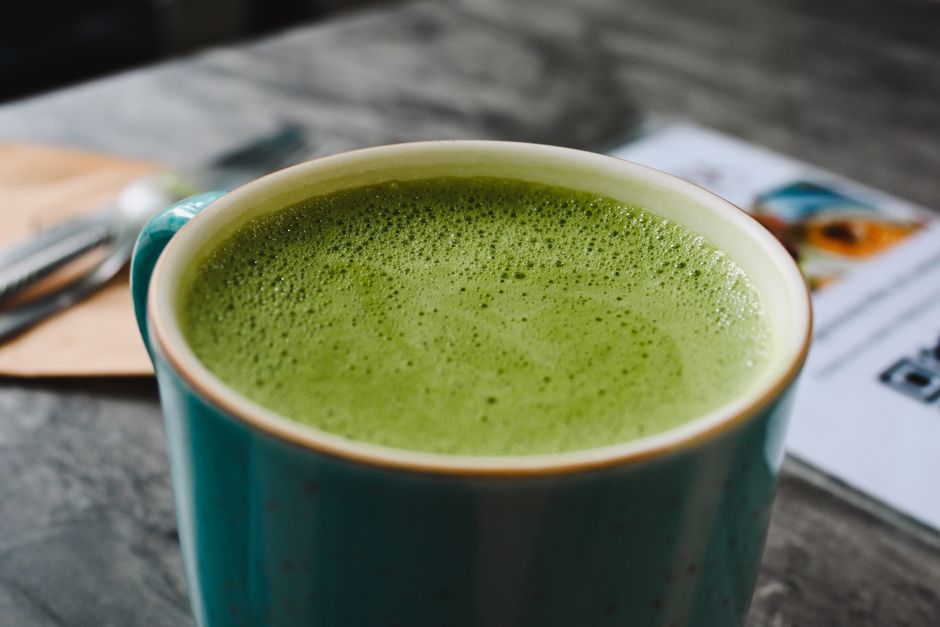
Green tea delivers roughly 25 to 50 milligrams of caffeine per 8-ounce serving, significantly less than cold brew. What makes it distinctive is the presence of L-theanine, an amino acid that research suggests may promote a calm, alert mental state by modulating alpha brain wave activity (research published in journals including Nutritional Neuroscience supports this combination effect).
The caffeine-plus-L-theanine pairing is one of the more studied combinations for sustained attention. The effect tends to feel less like a spike and more like a gentle lift that holds relatively steady, which is well suited to moderate afternoon focus tasks.
Where it works well: Green tea is a practical choice for people who are moderately caffeine sensitive, want to avoid the jitteriness of coffee, or are trying to move their caffeine cutoff earlier. A cup at 1pm or 2pm provides meaningful support with a shorter half-life impact due to the lower total dose.
Where it falls short: If you need high-intensity focus for demanding work, the lower caffeine content may not be enough on its own. Pairing green tea with a high-protein snack in the afternoon can extend the effect by stabilizing blood glucose.
Practical note: Matcha, a powdered form of green tea, delivers a higher caffeine dose (roughly 70mg per serving) with concentrated L-theanine, making it a middle ground between cold brew and standard green tea.
Herbal Blends: No Caffeine, Different Mechanism, Underrated Option
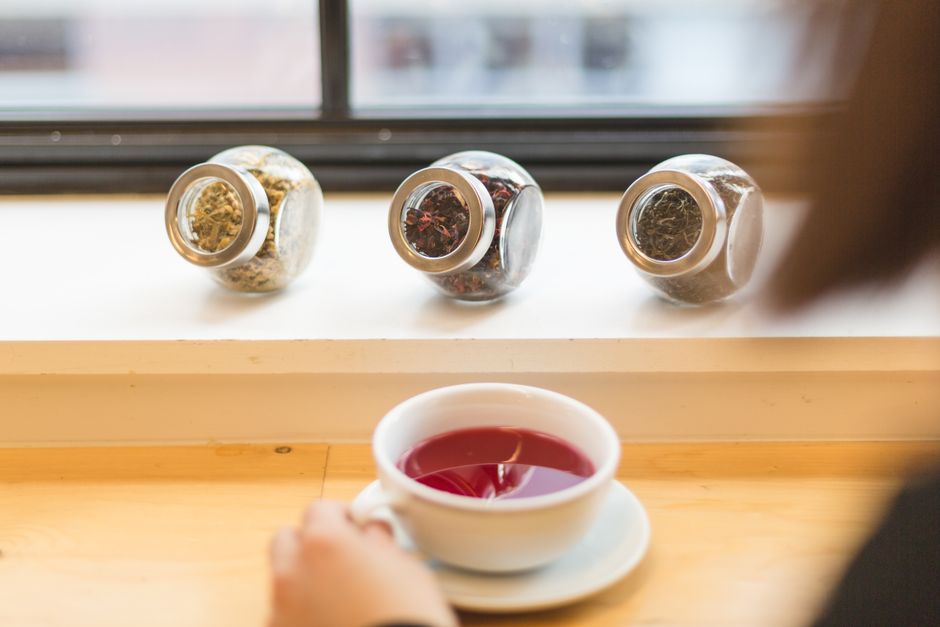
Caffeine-free herbal teas work through entirely different pathways and are often dismissed as placebo by caffeine-dependent drinkers. But certain blends genuinely support afternoon alertness through hydration, digestive comfort, and mild adaptogenic or circulatory effects.
Peppermint tea, for example, has been studied for its potential to support alertness and reduce mental fatigue (research from Northumbria University examined inhaled and ingested peppermint). Ginger and licorice root blends can ease the post-lunch digestive sluggishness that contributes to the afternoon fog. Rooibos is rich in antioxidants and completely caffeine-free, making it safe for later-afternoon drinking without any sleep impact.
For anyone who is pregnant, caffeine sensitive, managing anxiety, or simply trying to move caffeine consumption earlier, herbal blends offer a realistic afternoon strategy rather than just a fallback. The Herbal Tea Blends for Sustained Afternoon Energy Without the Coffee Crash guide reviews specific options worth trying.
Where herbal blends work best: As a 3pm or 4pm drink after you have already had your caffeine earlier in the day. They support the ritual of a warm or iced drink, keep you hydrated, and some blends actively support digestion and circulation without pushing your caffeine intake later.

Side-by-Side Summary
| Factor | Cold Brew | Green Tea | Herbal Blend |
|---|---|---|---|
| Caffeine per serving | 150-250mg | 25-50mg | 0mg |
| Sleep risk after 2pm | High | Moderate | None |
| Jitteriness risk | Higher | Lower | None |
| L-theanine buffer | No | Yes | Varies |
| Best cutoff time | 1pm | 2pm | Anytime |
| Best for | High-load tasks, early cutoff | Moderate focus, sensitive users | Post-caffeine ritual, late afternoon |

Building a Caffeine Timing Strategy That Actually Works
Rather than committing to one beverage, many people find a layered approach more sustainable. Have your cold brew or coffee in the late morning, switch to green tea between noon and 2pm, and use a herbal blend for the 3pm to 4pm ritual when you still want something warm or iced but do not need more caffeine. This naturally front-loads your caffeine timing and protects evening sleep.
If afternoon energy is consistently unreliable regardless of what you drink, the issue may also be in your meal composition or snack timing. Why Your Afternoon Energy Crashes at 2pm and How Snack Timing Stops It offers a useful companion perspective.
For a deeper look at how caffeine sensitivity affects sleep quality over time, Caffeine Sensitivity and Sleep Quality: Coffee Timing, Tea Alternatives, and Caffeine-Free Energy Compared covers the nuance well.
One Small Change to Try This Week
Choose one concrete shift: move your last caffeinated drink 30 minutes earlier than usual for five days and swap it with a peppermint or ginger herbal blend. Notice whether your sleep onset changes. Small, consistent adjustments tend to produce more reliable insight than overhauling everything at once.
If you want weekly practical guidance on energy, nutrition, and sustainable wellness habits, consider subscribing to the Clean Body Mentor newsletter.
This article is for general educational and informational purposes only and is not a substitute for medical advice, diagnosis, or treatment. Health needs vary by individual. Consult a qualified healthcare professional before making significant changes to your diet, exercise routine, supplements, medication, or treatment plan, especially if you have a medical condition, are pregnant or breastfeeding, take medication, or have concerns about your symptoms.
Sources
- National Institutes of Health (NIH): research on CYP1A2 enzyme variation and caffeine metabolism
- Nutritional Neuroscience: studies on combined caffeine and L-theanine effects on sustained attention
- Northumbria University (UK): research on peppermint aroma and cognitive performance
- U.S. Food and Drug Administration (FDA): caffeine guidance and safe daily intake references