

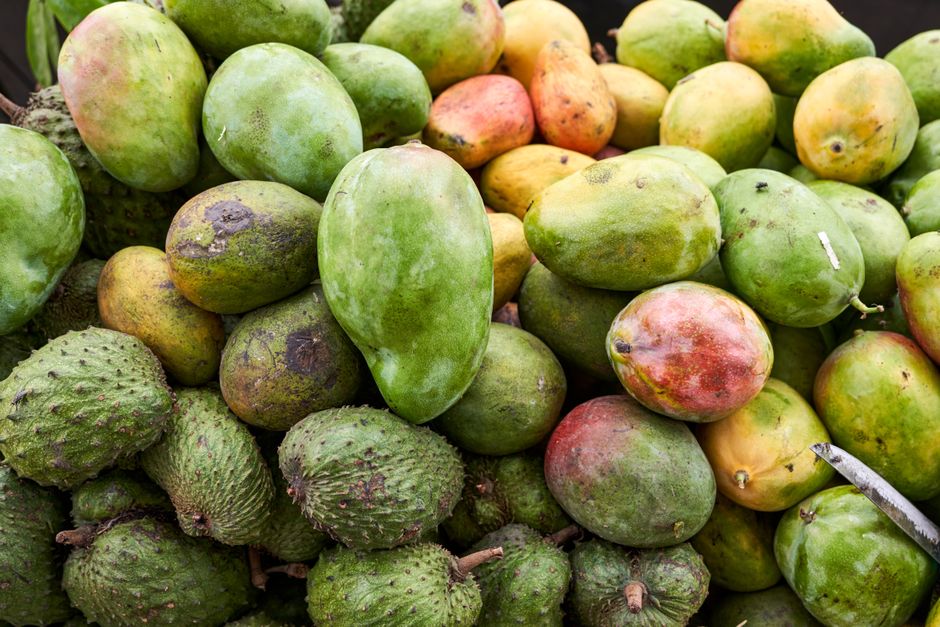
You pick up a bunch of bananas at the store, let them sit on the counter until they are speckled and sweet, then wonder if you have waited too long and lost half the nutrition. Or you refrigerate strawberries right away and assume the cold is preserving everything perfectly. Both instincts are reasonable, but the relationship between fruit ripeness, storage, and nutrient retention is more layered than either assumption captures.
The good news: most common fruits hold onto the majority of their vitamins and antioxidants across typical ripeness windows and normal home storage. The differences that do exist are meaningful enough to guide your choices, especially if you are buying fruit for smoothies, snacks, or meal prep and want to get the most from what you buy.
How Ripeness Actually Changes the Nutrient Profile
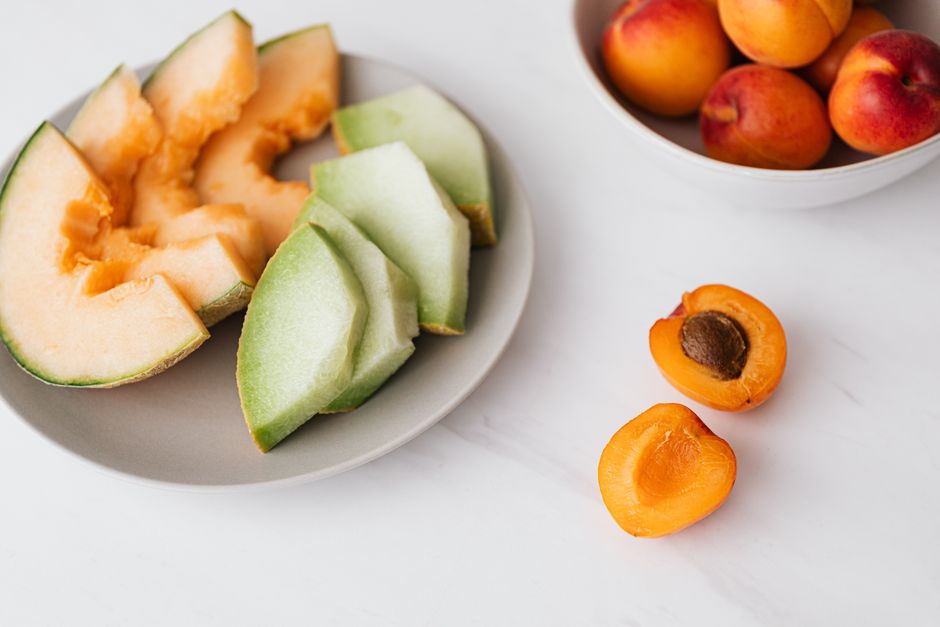
Ripening is a biological process, not just a softening. As fruit ripens, enzymes break down starches into simpler sugars, cell walls loosen, and the concentration of certain phytonutrients shifts. Research published through the USDA and in peer-reviewed food science literature shows that antioxidant levels in many fruits, including tomatoes, mangoes, and berries, tend to peak at or near full ripeness, not before it.
Vitamin C is more complicated. It is present in unripe fruit and generally stays stable through peak ripeness, but it degrades faster once the fruit passes that peak, particularly when exposed to air, light, and warmth. B vitamins behave similarly, though they are less sensitive to oxidation than vitamin C.
What about sugar? Yes, ripe fruit contains more free glucose and fructose than unripe fruit, because starch has converted. But the fiber content does not disappear along with the starch. Ripe fruit still delivers meaningful soluble fiber, which slows the absorption of those sugars. If digestive comfort is a priority for you, riper fruit is often gentler on the gut because much of the resistant starch that can cause bloating has already converted.
For a deeper look at how food choices interact with your digestion day to day, How Your Digestion Changes With the Seasons and What to Eat to Feel Better covers some useful context.
Countertop vs. Refrigerator: What the Temperature Difference Does
Temperature affects two things simultaneously: the speed of ripening and the rate of nutrient loss. These two factors pull in opposite directions, which is why storage is not as simple as “cold is always better.”
At room temperature, ethylene gas production continues, enzymatic ripening proceeds, and nutrient-dense antioxidants often continue to build in climacteric fruits (those that continue to ripen after harvest, like bananas, peaches, avocados, mangoes, and pears). The trade-off is that warmth also accelerates microbial growth and oxidation after peak ripeness.
In the refrigerator, cold temperatures slow both ripening and microbial activity, which can extend the window for eating fruit before it degrades. However, some fruits, particularly tropical varieties, suffer chilling injury when refrigerated before they are ripe. Mangoes stored in the refrigerator before ripening can develop off-flavors and uneven texture because the cold disrupts normal enzymatic activity.
A practical framework by fruit type:
- Bananas: Let ripen on the counter. Refrigerate only after fully ripe; the skin blackens but the flesh stays good for several more days.
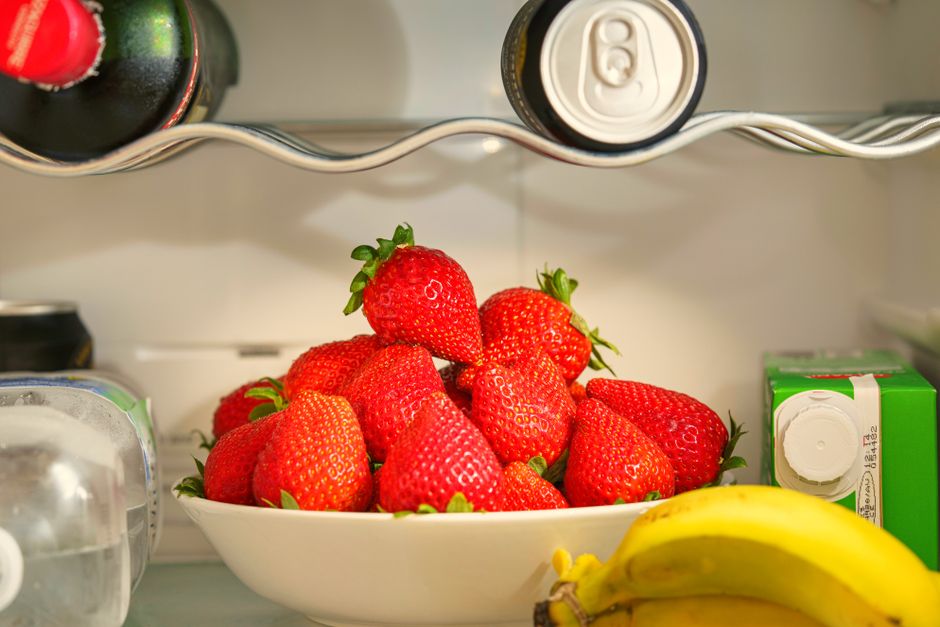
- Strawberries and blueberries: Refrigerate immediately after purchase. These non-climacteric fruits do not continue to ripen after harvest, so cold storage slows degradation without interrupting a ripening process.
- Mangoes and peaches: Allow to ripen at room temperature first, then move to the refrigerator to slow decline once ripe.
- Apples: Already harvested at maturity; refrigerate to slow vitamin and texture loss. Research from the Journal of Agricultural and Food Chemistry indicates that apple polyphenol content can decline meaningfully over several weeks at room temperature compared to refrigerated storage.
- Avocados: Ripen on the counter, then refrigerate to pause ripening at your preferred stage.
If you regularly blend fruit into smoothies and want to understand how ingredient choices affect satiety and nutrition delivery, Smoothie Ingredients That Keep You Full: Why Protein Source, Fat Type, and Fiber Order Actually Matter is a helpful companion read.
The Vitamin C and Antioxidant Picture in Practice
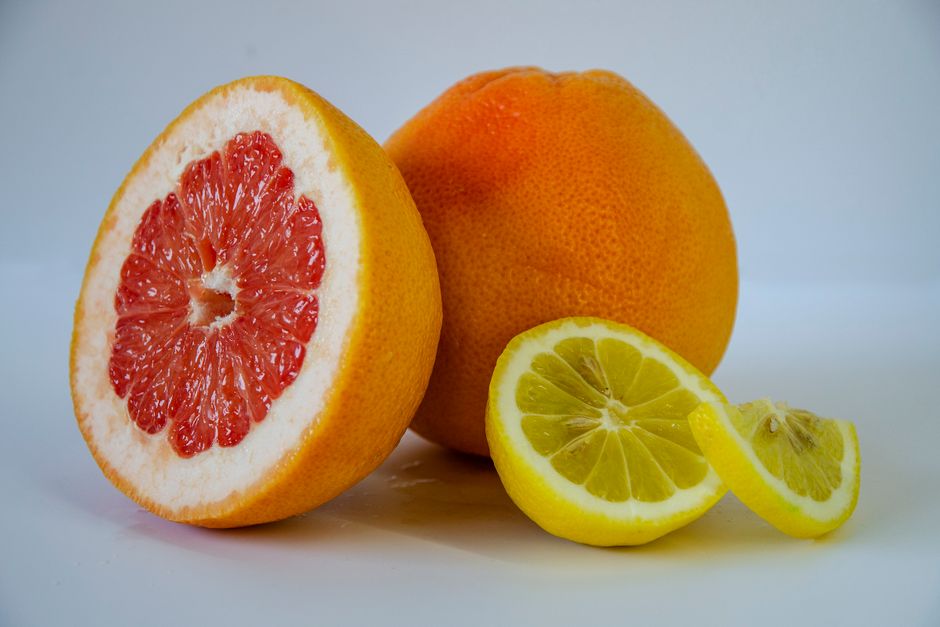
Vitamin C is the nutrient most commonly cited in ripeness and storage discussions, and for good reason: it is heat-sensitive, light-sensitive, and water-soluble, meaning it can degrade through multiple pathways. A study in the journal Food Chemistry (referenced by the FAO’s food composition resources) found that strawberries stored at refrigerator temperatures retained significantly more vitamin C over four to seven days than those kept at room temperature after peak ripeness.
For antioxidants like anthocyanins (the compounds that give blueberries and cherries their color), cold storage consistently performs better post-peak. Antioxidant capacity in blueberries declined faster at room temperature than under refrigeration in multiple food science studies indexed by PubMed.
The practical implication is simple: once your fruit reaches peak ripeness, refrigeration generally slows antioxidant loss better than room temperature does. Getting the fruit to that peak in the right conditions first is the variable most people overlook.
When Frozen Beats Both
Frozen fruit deserves mention here because it consistently surprises people. Commercially frozen fruit is typically frozen within hours of harvest at peak ripeness, which locks in nutrient levels before significant degradation can occur. A report from the University of California, Davis found that frozen produce matched or exceeded fresh produce in several vitamin categories after just a few days of fresh storage.
For smoothie prep, frozen fruit at peak ripeness can be a more nutrient-dense choice than fresh fruit that has traveled long distances and sat on store shelves for several days. It is also more economical and reduces waste, making it a practical fit for sustainable healthy eating habits.
If you are building a smoothie routine and want to understand how texture and format affect how full you actually feel, Smoothie vs Smoothie Bowl Satiety: Which Format Actually Keeps You Fuller, Longer breaks that down clearly.
Choosing Based on Your Goal
Here is a simple decision guide based on what you are optimizing for:
- Maximum antioxidants: Buy ripe or nearly ripe, refrigerate promptly, and use within a few days. Or buy frozen.
- Easier digestion: Choose fully ripe fruit where starch conversion is complete. Five Unexpected Vegetables That Pair Together to Stop Afternoon Bloating Without Cutting Food Groups offers related guidance on digestive comfort through food choices.
- Meal prep across a week: Refrigerate ripe berries and citrus; allow stone fruits and tropical fruits to ripen in stages on the counter.
- Budget and convenience: Frozen fruit at peak ripeness is a consistently nutrient-dense and affordable option.
One small, realistic action you can try this week: identify one fruit you regularly leave on the counter past its peak and move it to the refrigerator right at ripeness. Track how the texture and flavor compare over the next few days. Small shifts in grocery habits, applied consistently, add up across months of healthy eating.
For more practical guidance on seasonal and budget-conscious produce choices, the Clean Body Mentor newsletter offers weekly evidence-informed tips delivered straight to your inbox.
Disclaimer: This article is for general educational and informational purposes only and is not a substitute for medical advice, diagnosis, or treatment. Health needs vary by individual. Consult a qualified healthcare professional before making significant changes to your diet, exercise routine, supplements, medication, or treatment plan, especially if you have a medical condition, are pregnant or breastfeeding, take medication, or have concerns about your symptoms.
Sources
- USDA Agricultural Research Service: phytonutrient and antioxidant content in fruits during ripening
- University of California, Davis: “Nutritional Comparison of Fresh, Frozen, and Canned Fruits and Vegetables” (Rickman, Barrett, and Bruhn)
- Journal of Agricultural and Food Chemistry: apple polyphenol retention under varying storage conditions
- Food Chemistry (journal): strawberry vitamin C retention at varying temperatures
- FAO Food Composition Study Group: vitamin C stability in fresh produce
- PubMed-indexed food science literature: anthocyanin stability in blueberries under refrigerated vs. ambient storage