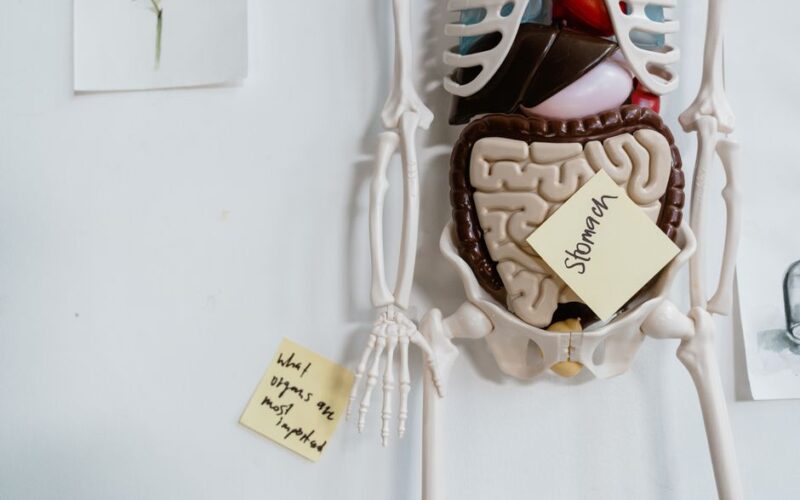

You finish lunch and about forty minutes later your stomach feels tight, heavy, and distracted. Concentration drops. You shift in your seat. The afternoon stretches ahead and all you want is to lie down.
The typical advice is to eliminate something: cut gluten, skip legumes, avoid dairy, ban raw vegetables. But blanket elimination often removes foods you tolerate perfectly well and leaves you under-nourished and frustrated. The real issue for most people is not which food groups appear on the plate but how those groups are combined, portioned, and prepared for a midday digestive system that is already working hard.
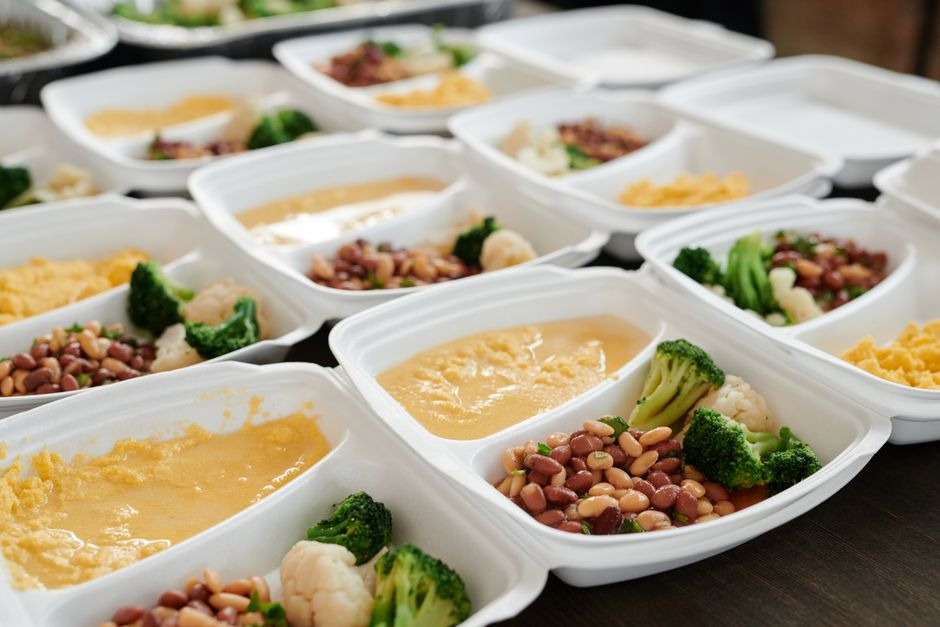
This review walks through five lunch bowl combinations built around digestive comfort lunch meal prep principles. Each one keeps all major food groups intact while adjusting protein source, vegetable preparation, grain type, and layering order to reduce gas, heaviness, and that familiar mid-afternoon puff.
Why Lunch Specifically Triggers Bloating
Your digestive system follows a natural rhythm tied to circadian signals. Research published by the National Institute of Diabetes and Digestive and Kidney Diseases (NIDDK) confirms that gastric emptying and motility vary across the day, with some people experiencing slower midday transit than they expect. Add a rushed fifteen-minute lunch, air swallowed with fast bites, and a high-volume meal and you have a recipe for gas buildup.
If you have noticed that eating speed matters as much as food choice, you are not imagining it. The guide on Digestive Discomfort From Rushed Eating: Why Pace and Chewing Beat Food Restriction Every Time explains why chewing rate alone can shift how much gas your gut produces before you even consider swapping ingredients.
With that baseline in mind, here are five reviewed lunch bowl formats.
The Five Lunch Bowl Combinations Reviewed
1. Salmon, White Rice, and Steamed Zucchini
Why it works: Baked or pan-seared salmon provides protein with fat that slows gastric emptying smoothly. White rice, despite its reputation as a nutritionally inferior grain, is one of the most digestion-friendly starches available because the refining process removes the fermentable fiber that feeds gas-producing bacteria. Zucchini steamed rather than raw reduces its cell-wall resistance, making it far gentler on a sensitive gut.
Who it suits best: People who notice bloating specifically after high-fiber grain days. This combination delivers satisfaction without the fermentation load.
Prep note: Build this bowl for meal prep by cooking salmon in bulk on Sunday. Pair with a drizzle of olive oil and lemon rather than heavy sauces.
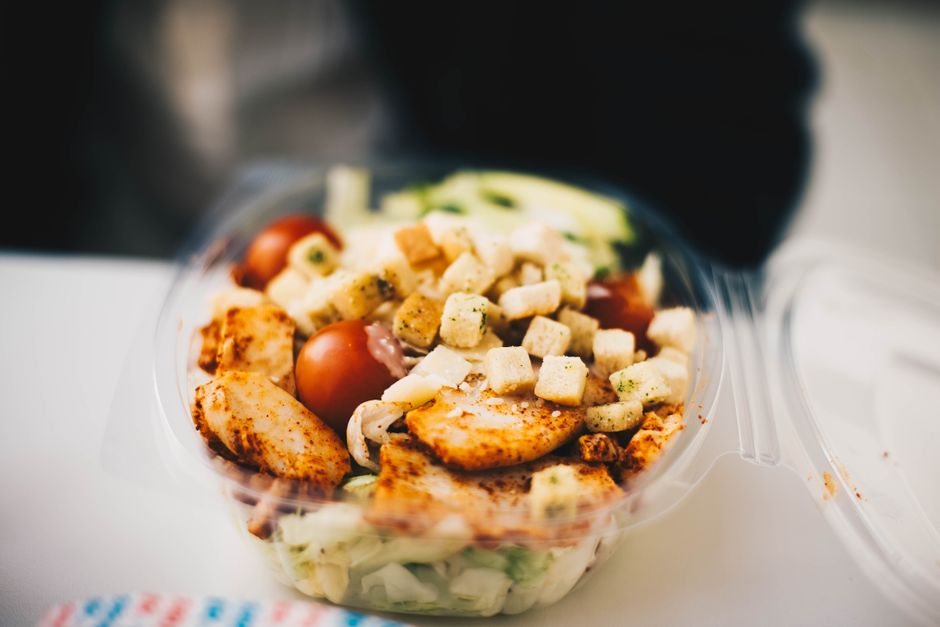
2. Chicken Thigh, Quinoa, and Roasted Carrots With Cumin
Why it works: Chicken thigh has more fat than breast, which slows transit just enough to prevent the rapid fermentation that happens when protein moves through too quickly. Quinoa is a complete protein grain with moderate fiber, tolerated well by most people when rinsed thoroughly to remove saponins (the coating that causes bitterness and sometimes irritation). Carrots roasted with cumin benefit from heat breaking down raffinose, a fermentable carbohydrate present in raw root vegetables.
Who it suits best: People who want a higher-protein bowl with good staying power. This combination also supports stable afternoon energy without the heaviness of a cream-based dish.
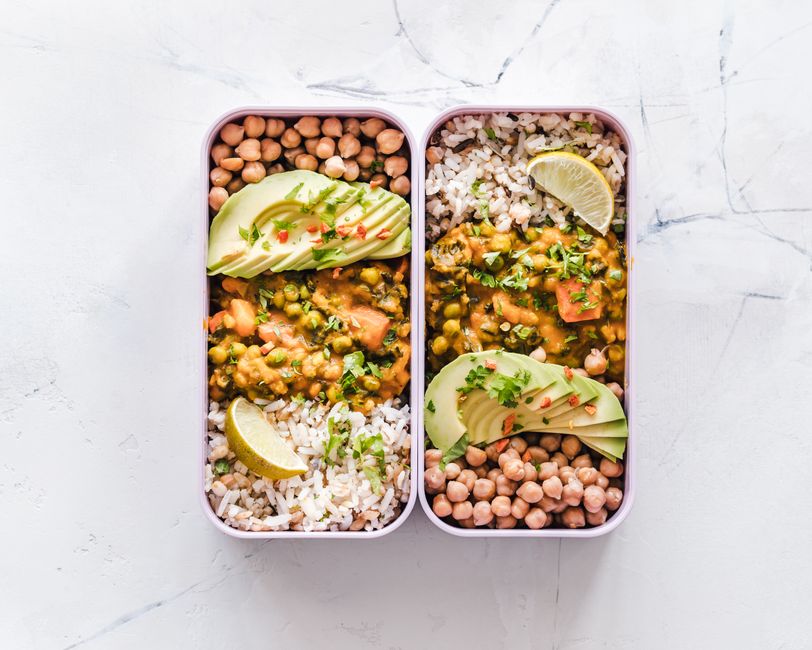
3. Lentils, Basmati Rice, and Sauteed Spinach With Garlic
Why it works: This is the combination most likely to alarm people worried about legume bloating, and yet lentils prepared correctly are among the most well-tolerated legumes available. Soaking dried lentils for six hours and discarding the soaking water removes a significant portion of oligosaccharides. Canned lentils, drained and rinsed, produce similar results with less prep. Basmati rice has a lower glycemic index than standard long-grain white rice and a resistant starch profile that feeds beneficial gut bacteria without excessive fermentation. Spinach wilted in garlic-infused olive oil provides iron, magnesium, and prebiotic compounds in a volume that does not overwhelm.
Who it suits best: Plant-forward eaters who have avoided legumes out of gas concerns. Try this combination once or twice a week as your gut microbiome adapts.
For a deeper look at how gut bacteria connect to mood and energy, the article on Digestive Health and Mood: How Gut Function Changes Your Mental Well-Being Without Supplements connects these dots clearly.
4. Egg and Feta Bowl With Warm Bulgur and Roasted Red Pepper
Why it works: Eggs are one of the most easily digested complete proteins available. Feta, a lower-lactose cheese, adds fat and flavor without the lactose burden of fresh dairy. Bulgur has a chewy texture and moderate fiber, and when served warm it is considerably gentler than cold grain salads eaten quickly. Roasted red pepper adds vitamin C and sweetness with minimal fermentable content.
Who it suits best: People who enjoy Mediterranean flavors and want a light but satisfying midday meal. This bowl is particularly good for digestive comfort lunch meal prep because bulgur holds its texture in the refrigerator without becoming gluey.
5. Turkey, Sweet Potato, and Steamed Broccoli With Miso Dressing
Why it works: Ground turkey or sliced turkey breast is lean and digests at a moderate pace. Sweet potato provides potassium, complex carbohydrates, and a naturally sweet flavor that makes the bowl feel complete without added sugar. Broccoli steamed (not raw) dramatically reduces its gas-producing glucosinolate activity. The miso dressing, made from a tablespoon of white miso thinned with rice vinegar and sesame oil, contributes fermented probiotics in a small, tolerable quantity.
Who it suits best: People who love hearty bowls but feel sluggish after heavier lunches. This combination tends to produce the least post-lunch heaviness of the five, especially when portion size is moderate.
If you find that any lunch still leaves you feeling heavy, it may be worth reading Why Your Stomach Feels Heavy After Lunch and How Eating Order Actually Fixes It before assuming a specific ingredient is to blame.
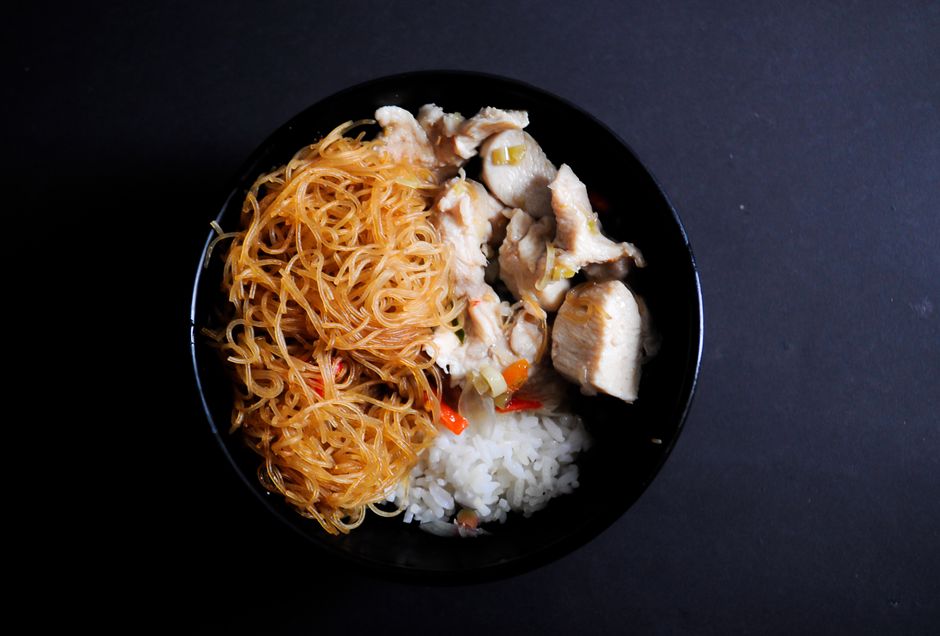
Building These Bowls Into a Weekly Prep Routine
Digestive comfort lunch meal prep does not require elaborate systems. A practical approach:
- Cook one grain in bulk on Sunday (white rice, quinoa, or bulgur) and portion into containers.
- Roast two vegetables at once on the same sheet pan at different ends.
- Prep two proteins rather than one so you have variety mid-week.
- Keep miso, lemon, and olive oil on hand as rotating dressings that do not overload the bowl.
Eating slowly is not optional for these bowls to work. Research consistently links faster eating with greater air ingestion and increased bloating, regardless of food choice. Aiming for twenty minutes per meal, with real chewing, changes the outcome more than most ingredient swaps. Digestive Bloating From Rushed Meals: Why Chewing Speed and Pause Breaks Matter More Than Food Swaps offers practical strategies for slowing down without it feeling forced.

A Note on Individual Variation
These five combinations work well for many people with general digestive sensitivity, but they are not medical prescriptions. If you have diagnosed conditions such as irritable bowel syndrome, inflammatory bowel disease, celiac disease, or food allergies, the preparation methods and ingredients here may need adjusting under the guidance of a registered dietitian.
Start with one bowl that sounds most appealing, eat it slowly, and notice how you feel two hours later. That feedback is more useful than any elimination protocol.
Choose one bowl from this list, prep it for two or three days this week, and pay attention to how your afternoons feel. Small, consistent changes in how you build and eat lunch tend to produce more lasting digestive comfort than dramatic overhauls. For broader nutrition guidance and practical meal ideas, the Clean Body Mentor newsletter delivers evidence-informed tips weekly.
This article is for general educational and informational purposes only and is not a substitute for medical advice, diagnosis, or treatment. Health needs vary by individual. Consult a qualified healthcare professional before making significant changes to your diet, exercise routine, supplements, medication, or treatment plan, especially if you have a medical condition, are pregnant or breastfeeding, take medication, or have concerns about your symptoms.

Sources
- National Institute of Diabetes and Digestive and Kidney Diseases (NIDDK): Digestive Diseases information, niddk.nih.gov
- Lomer, M.C.E. (2015). “Review article: the aetiology, diagnosis, mechanisms and clinical evidence for food intolerance.” Alimentary Pharmacology and Therapeutics, 41(3), 262-275. (Referenced for fermentable carbohydrate mechanisms)
- Staudacher, H.M. and Whelan, K. (2017). “The low FODMAP diet: recent advances in understanding its mechanisms and efficacy in IBS.” Gut, 66(8), 1517-1527. (Background context on fermentable compounds in legumes and vegetables)