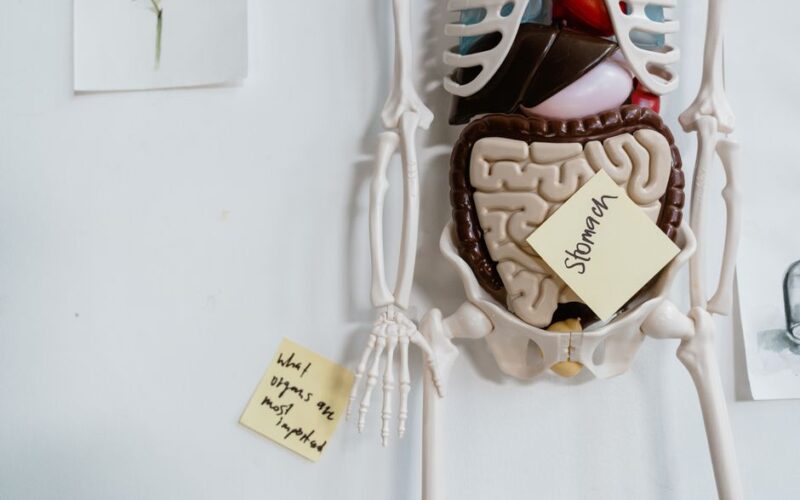


You’ve probably noticed it without naming it. A nervous stomach before a hard conversation. Bloating that makes you feel foggy and irritable. A satisfying meal that leaves you calm and clear-headed. These experiences are not coincidental, and they don’t require a probiotic capsule to explain or address.
The relationship between gut health and mood is one of the most researched areas in whole-person wellness right now, and the findings point somewhere practical: what you eat, how you eat, and when you eat all shape how your nervous system functions on a daily basis. No supplement protocol required.
The Gut-Brain Axis Is Real, and You’re Already Using It
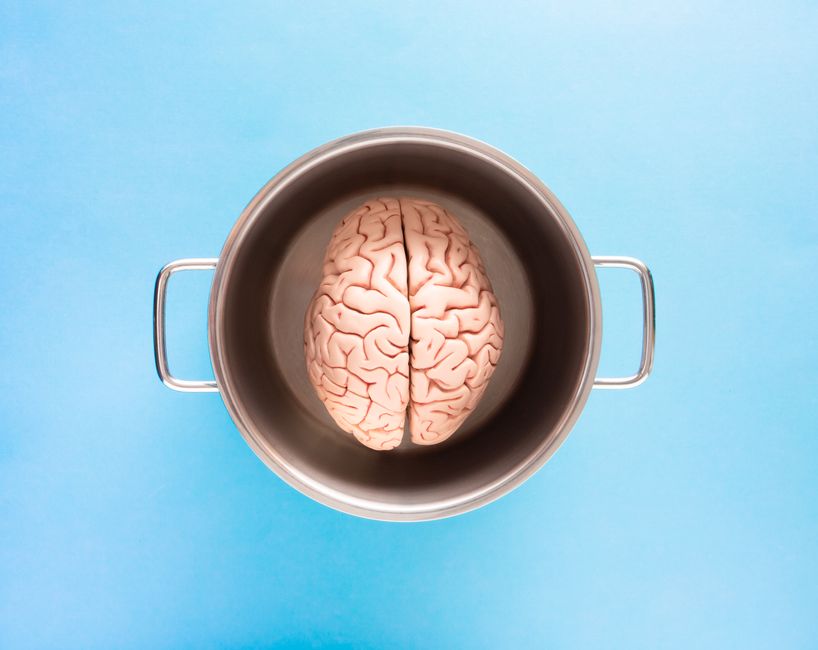
Your gut and brain are in constant two-way communication through a network researchers call the gut-brain axis. This includes the vagus nerve, immune signaling pathways, and chemical messengers produced in the digestive tract itself. According to the National Institute of Mental Health, roughly 95 percent of serotonin, a neurotransmitter closely tied to mood regulation, is produced in the gut rather than the brain.
This doesn’t mean fixing your digestion will cure anxiety or depression. It means that chronic digestive discomfort, poor nutrient absorption, and irregular eating patterns can create real friction in how your nervous system responds to stress, how clearly you think in the afternoon, and how steadily you feel emotionally across the day.
Research published through NIH-supported studies suggests that gut microbiome diversity correlates with lower rates of depressive symptoms in observational populations. The mechanism isn’t fully understood yet, but the association is strong enough that it shapes clinical nutrition thinking. What feeds that diversity isn’t a product on a shelf. It’s fiber variety.

What You Eat Shapes Microbial Diversity More Than Pills
A diverse gut microbiome depends on a diverse diet. Specifically, research suggests that eating a wide range of plant foods, including vegetables, legumes, whole grains, nuts, seeds, and fruit, supports more varied bacterial populations than eating a narrow diet even a nutritionally adequate one.
The PREDICT study, a large nutrition research project out of King’s College London and Massachusetts General Hospital, found that the composition of gut bacteria varied significantly with dietary patterns, and that those patterns influenced energy, mood, and hunger signals more than any single food or supplement.
Practically, this means eating a wider variety of plants across the week matters more than adding one “superfood.” If your meals rotate through the same five or six foods, your microbial landscape narrows over time. A simple way to shift this: try one unfamiliar vegetable, grain, or legume per week rather than overhauling your diet at once.
For ideas on how eating order and food variety interact with digestive comfort, Digestive Comfort Through Eating Order and Pace: Why Timing Your Food Matters More Than Portion Size walks through a practical approach that doesn’t involve restriction.

How Eating Pace and Meal Timing Affect Emotional State
Rushed eating is one of the most overlooked contributors to both digestive discomfort and mood disruption. When you eat quickly, you swallow more air, trigger a stress-adjacent nervous system response, and reduce the chewing that begins carbohydrate digestion. The result is often bloating, sluggishness, and a post-meal dip in focus that feels emotional but starts physically.
Slowing down activates the parasympathetic nervous system, sometimes called the “rest and digest” state, which supports both better digestion and a more regulated emotional baseline. You don’t need a mindfulness practice to access this. Taking three slow breaths before you eat, setting down your fork between bites, or simply sitting rather than eating while standing can create a measurable shift.
Meal timing matters too. Skipping meals or going too long without eating raises cortisol, the body’s primary stress hormone, and increases reactivity to frustration and anxiety. Research suggests that irregular meal patterns, particularly skipping breakfast or delaying the first meal significantly, correlate with higher perceived stress and more volatile mood throughout the day. A simple, consistent eating rhythm can help stabilize this without any dietary restriction.
If you notice mood dips in the afternoon, Lunch Carbs and Afternoon Clarity: Why Refined vs. Whole-Grain Timing Changes Your 2pm Focus covers how carbohydrate quality at midday connects to mental clarity a few hours later.

Digestive Discomfort Itself Is a Mood Disruptor
It’s worth stating plainly: chronic bloating, constipation, acid reflux, and post-meal heaviness are not just physical inconveniences. They pull attention, increase physical tension, and activate low-grade stress responses that spill into emotional experience. Managing digestive comfort is, in part, a mental well-being strategy.
Two practical levers here are hydration timing and fiber pacing. Drinking water consistently throughout the day supports digestive motility. Rapidly increasing dietary fiber without adequate hydration often worsens bloating before it improves it. Gradual increases in plant variety, paired with steady fluid intake, tend to produce more comfortable results.
Breathing and posture also interact with digestion in ways that most people don’t consider. Digestive Comfort Through Breathing and Posture: Why How You Sit Matters More Than What You Eat explores this in more detail, particularly for people who notice discomfort after meals despite eating reasonably well.
And if you’ve wondered whether whole foods alone can address gut health compared to supplement routines, Gut Health Supplements vs. Real Food: When Pills Help and When Whole Foods Do the Job Better offers a clear, grounded comparison.

One Realistic Starting Point
The connection between gut health and mood doesn’t require a new protocol. It asks for attention to what’s already happening. Are you eating in a rush most days? Is your plant variety genuinely wide, or are you cycling through the same meals? Are you eating at irregular times that leave long gaps and then a large meal late?
Choose one thing from this article that fits your life right now. Add one new plant food this week. Sit down for lunch without your phone. Eat your first meal at a consistent time for the next five days. These small changes compound over weeks and months in ways that a supplement rarely replicates because they’re working with your body’s actual systems rather than around them.
For practical weekly guidance on sustainable habits like this, consider joining the Clean Body Mentor newsletter, where each issue focuses on one actionable idea you can try immediately.
This article is for general educational and informational purposes only and is not a substitute for medical advice, diagnosis, or treatment. Health needs vary by individual. Consult a qualified healthcare professional before making significant changes to your diet, exercise routine, supplements, medication, or treatment plan, especially if you have a medical condition, are pregnant or breastfeeding, take medication, or have concerns about your symptoms.
Sources
- National Institute of Mental Health, information on serotonin and brain-gut connection: nimh.nih.gov
- Sonnenburg JL, Backhed F. “Diet-microbiota interactions as moderators of human metabolism.” Nature, 2016. Referenced via NIH PubMed.
- Wastyk HC, et al. “Gut-microbiota-targeted diets modulate human immune status.” Cell, 2021. Available via NIH PubMed.
- The PREDICT Study, King’s College London and Massachusetts General Hospital. Research summaries available at joinzoe.com/our-research.
- Liang S, et al. “The gut-brain axis: How the microbiome influences anxiety and depression.” Frontiers in Psychiatry, 2018. Referenced via NIH PubMed.