
You follow a consistent skincare routine, eat plenty of vegetables, and stay hydrated. But some weeks, your skin looks noticeably clearer, and those weeks often happen to be the ones where you trained a little less. That observation is not a coincidence.
Skin health rest recovery is a relationship that most people overlook because it does not sell serums or supplements. The real story plays out inside your body, not on top of it, and it starts with what happens when you finally give your system a break.

What Intense Training Does to Your Skin (That Nobody Talks About)
Moderate, consistent movement is genuinely good for your skin. Improved circulation delivers oxygen and nutrients to skin cells, and research published by the Journal of Applied Physiology suggests regular aerobic exercise may support skin structure over time.
But high-intensity training repeated without adequate recovery tells a different story. Hard exercise triggers a temporary cortisol spike, which is normal and useful. The problem arises when cortisol stays elevated because recovery time is too short. Chronic high cortisol increases systemic inflammation, disrupts the skin barrier, and can worsen conditions like acne and eczema, as noted in clinical overviews from the American Academy of Dermatology.
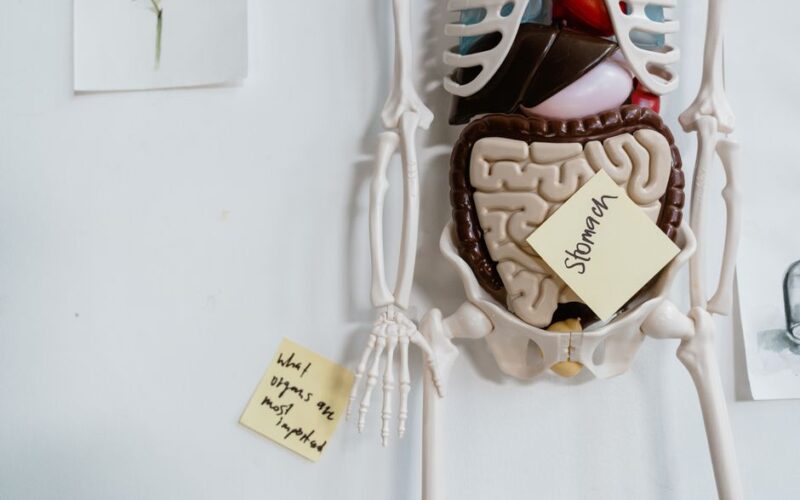
Cortisol also diverts blood flow away from digestion during and after intense sessions. That matters because nutrient absorption, the process that actually delivers zinc, vitamin C, and essential fatty acids to your skin cells, depends on a calm, well-functioning digestive system.

The Gut-Skin Connection on Rest Days
If you have read about the gut-skin axis before, you know that what happens in your digestive tract shows up on your face. What you may not have considered is how rest days specifically improve that connection.
During recovery, the nervous system shifts from its sympathetic (fight-or-flight) state toward parasympathetic (rest-and-digest) activity. Digestion actually accelerates in parasympathetic mode. Stomach acid, digestive enzymes, and bile production all work more efficiently, meaning the nutrients from your food are better broken down and absorbed.
This is why the same anti-inflammatory meal, say, salmon with leafy greens and olive oil, genuinely does more for your skin on a rest day than on a day when your body is still recovering from a brutal training session. The delivery system is more effective.
For a deeper look at how gut function shapes your complexion from the inside out, the guide on Digestive Wellness and Skin Clarity: How Gut Function Shapes Your Complexion walks through the mechanisms in plain language.
A Real-World Pattern: Four People, Two Weeks
Four Clean Body Mentor readers who train four to six days a week each reported similar observations when they deliberately added two full rest days per week for a two-week period:
- Reader 1 (30F, HIIT-focused): Noticed reduced redness and fewer breakouts around the jawline within ten days. She attributed part of it to sleeping longer on rest days, which aligns with research on sleep and skin repair.
- Reader 2 (44M, strength training): Said his skin looked “less dull” after two weeks. He had not changed his diet at all, suggesting the shift came from recovery rather than nutrition changes.
- Reader 3 (38F, running six days weekly): Had struggled with dry patches. Adding rest days and mild walking in their place reduced the patches noticeably. Lower cortisol and better skin-barrier function may explain this.
- Reader 4 (52M, cycling enthusiast): Reported that his chronic mild acne improved. He also noticed he was less bloated on rest days, suggesting the digestive shift was real and visible.
These are individual observations, not clinical findings. But they reflect a consistent pattern: giving the body time to recover changes what nutrients can actually do.
The article Why Your Skin Looks Better After Two Weeks of Consistent Sleep covers the sleep side of this same equation with reader case studies worth reading alongside this one.

What Your Body Is Actually Doing on a Rest Day
Rest does not mean nothing is happening. On the contrary, some of the most important skin-related repair work happens when you stop training:
- Collagen synthesis occurs during sleep and low-activity periods. The amino acids from protein you ate earlier get directed toward tissue repair rather than fuel.
- Antioxidant redistribution happens as oxidative stress from exercise clears. Vitamins A, C, and E can do their structural work without competing against inflammation.
- Cortisol regulation restores. A single rest day can meaningfully lower circulating cortisol levels, which in turn reduces inflammation and allows the skin barrier to rebuild.
- Gut microbiome balance stabilizes. Intense training has been shown to transiently alter gut microbiota composition, and recovery periods help the microbiome resettle, which matters for systemic inflammation linked to skin health.
For nutrient timing context that supports both energy and skin function, Nutrient Timing for Hormonal Balance: Why When You Eat Matters for Metabolism and Mood offers a practical framework.

Practical Shifts You Can Make This Week
You do not need to overhaul your training schedule. A few small, sustainable changes can meaningfully support skin health through rest and recovery:
- Schedule two real rest days weekly. Not active-recovery-only days, though those count too. At least one should be genuinely low-effort, a walk, gentle stretching, or a quiet afternoon.
- Eat your most nutrient-dense meals on rest days. Zinc-rich foods (pumpkin seeds, legumes), vitamin C sources (bell peppers, kiwi), and omega-3 fats (fatty fish, walnuts) are better absorbed when digestion is calm.
- Prioritize sleep on recovery nights. Skin repair peaks during deep sleep. Even extending sleep by 30 to 45 minutes on rest-day nights can make a measurable difference over two to three weeks.
- Try a warm herbal tea post-meal on rest days. Certain blends may support digestion and calm the nervous system. The Herbal Tea for Digestion and Recovery guide covers options worth trying.
- Limit high-intensity sessions to three or four days per week if your skin is chronically inflamed, dull, or breaking out despite a solid skincare routine. The issue may be recovery, not your cleanser.
For more on which foods directly support your complexion, Skin Clarity From Nutrient Density: Which Foods Actually Show Up in Your Complexion is a practical companion read.

One Small Action Is Enough to Start
You do not have to do all of this at once. Choose the one shift that feels most realistic: add a rest day this week, eat a zinc-rich meal on your recovery day, or sleep an extra half hour on a night you are not training. Practice it consistently for two weeks and notice what changes.
If you want more practical, evidence-informed guidance on nutrition, movement, and skin health delivered weekly, consider joining the Clean Body Mentor newsletter.
This article is for general educational and informational purposes only and is not a substitute for medical advice, diagnosis, or treatment. Health needs vary by individual. Consult a qualified healthcare professional before making significant changes to your diet, exercise routine, supplements, medication, or treatment plan, especially if you have a medical condition, are pregnant or breastfeeding, take medication, or have concerns about your symptoms.
Sources
- American Academy of Dermatology Association: stress and skin conditions overview (aad.org)
- Journal of Applied Physiology: exercise and skin aging research (published by the American Physiological Society)
- National Institutes of Health, National Library of Medicine: cortisol, inflammation, and skin barrier function (pubmed.ncbi.nlm.nih.gov)
- Gut microbiota and exercise: research summaries via NIH National Library of Medicine on exercise-induced microbiome changes
- Sleep and skin repair: peer-reviewed overview, Clinical and Experimental Dermatology (published by Oxford Academic)