
You eat breakfast, feel satisfied for about forty minutes, and then find yourself raiding the office snack drawer before your first meeting ends. Sound familiar?
The problem usually is not the amount you ate. It is the combination. Research published in the American Journal of Clinical Nutrition consistently shows that protein is the most satiating macronutrient, but pairing it with fiber and a moderate amount of healthy fat extends that fullness signal significantly longer than protein alone. If you want to understand why the order and combination of what you eat shapes your hunger signals, this deep dive into protein order at breakfast explains the underlying science well.
These seven high-protein breakfast combinations for satiety are built around that principle: practical, real-world pairings with approximate macros and a short note on why each one works.
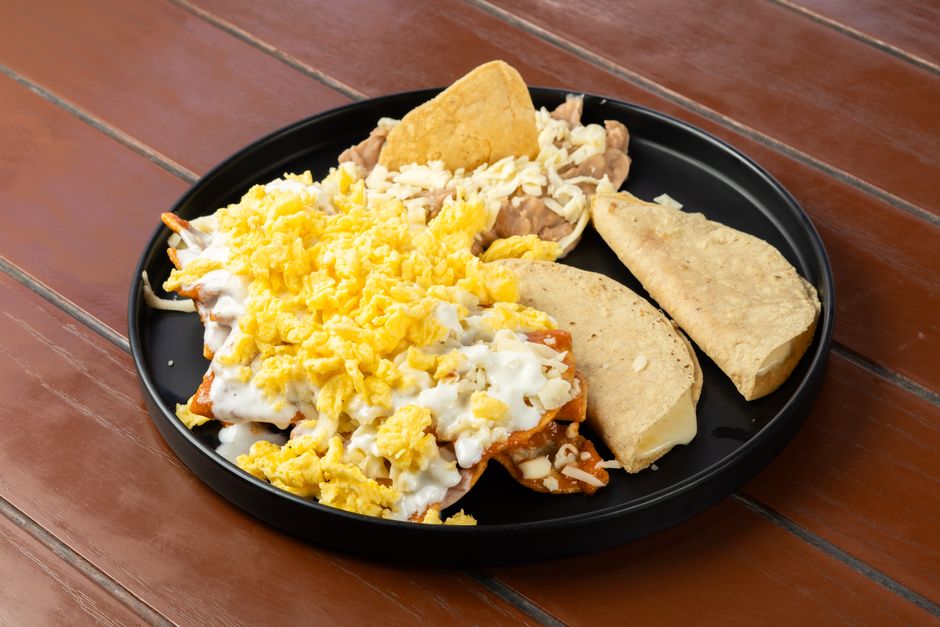
1. Two-Egg Veggie Scramble With a Side of Black Beans
Approximate macros: 28-32g protein, 10g fiber, 12g fat
Two whole eggs scrambled with spinach, bell pepper, and a quarter cup of black beans gives you both complete animal protein and legume-based fiber in one plate. The combination slows gastric emptying, which is the rate at which your stomach empties into the small intestine, helping hunger hormones stay quieter for longer.
Beginner note: Canned beans work perfectly here. Rinse them to reduce sodium by roughly 40 percent (per USDA food data).

2. Greek Yogurt Parfait With Hemp Seeds and Berries
Approximate macros: 22-26g protein, 6g fiber, 8g fat
Plain full-fat or 2% Greek yogurt provides casein and whey protein, both of which digest at different rates, extending satiety. Two tablespoons of hemp seeds add omega-3 fats and another 6g of protein. A half cup of mixed berries contributes fiber and polyphenols without a significant sugar spike.
This combo takes under three minutes to assemble, making it realistic on busy mornings.
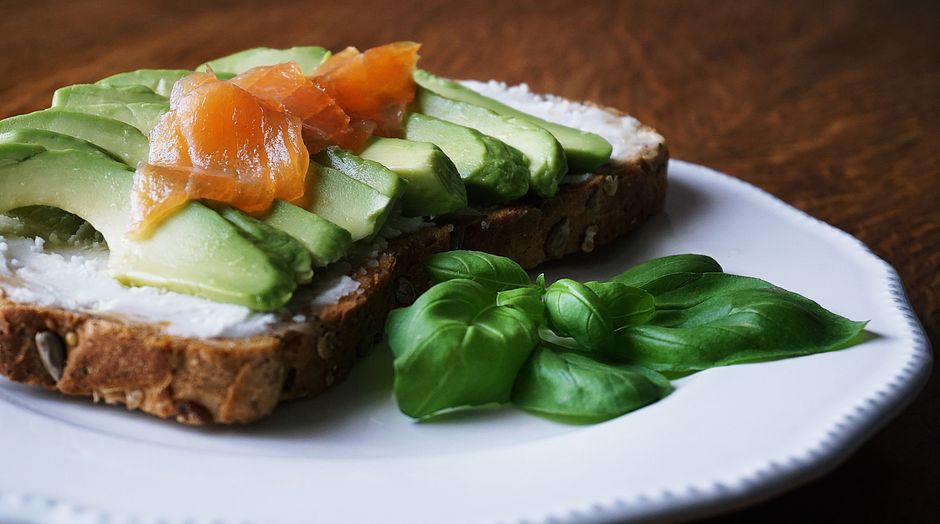
3. Smoked Salmon on Whole-Grain Toast With Avocado
Approximate macros: 24g protein, 7g fiber, 16g fat
Smoked salmon is rich in high-quality protein and omega-3 fatty acids, which research from the National Institutes of Health links to reduced systemic inflammation. Whole-grain toast adds slow-digesting complex carbohydrates and fiber, while avocado contributes monounsaturated fats that further blunt hunger. If you enjoy salmon but want more meal ideas built around it, see how to eat fish for better brain health and mood.
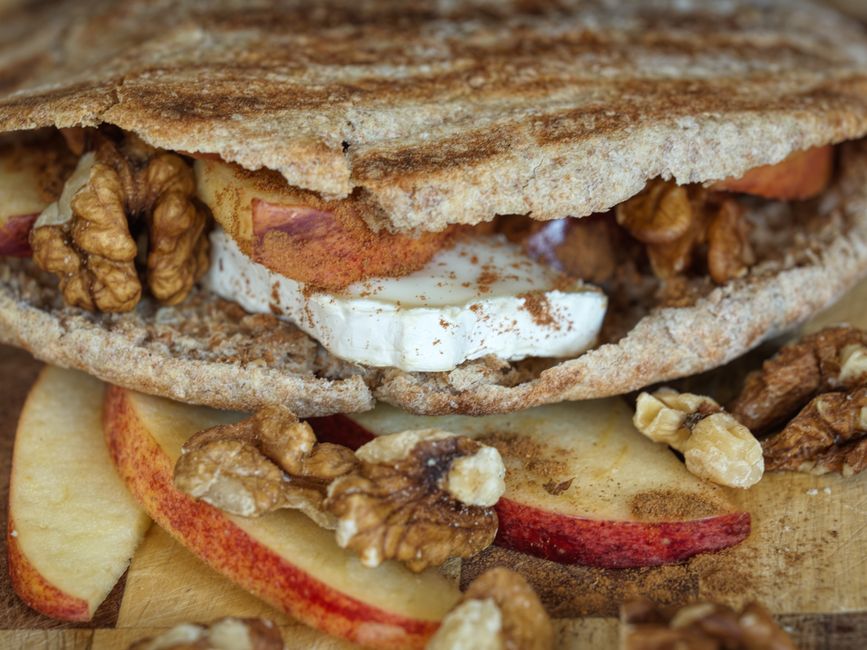
4. Cottage Cheese Bowl With Walnuts and Sliced Apple
Approximate macros: 22-25g protein, 5g fiber, 10g fat
Cottage cheese is one of the most underrated high-protein breakfast combinations for satiety because its casein content digests slowly, providing a longer-lasting fullness signal than fast-digesting whey alone. Walnuts add alpha-linolenic acid (a plant-based omega-3) and a satisfying crunch, while a sliced apple contributes pectin, a soluble fiber that may help stabilize post-meal blood sugar.
Look for low-sodium cottage cheese if sodium is a concern for you.
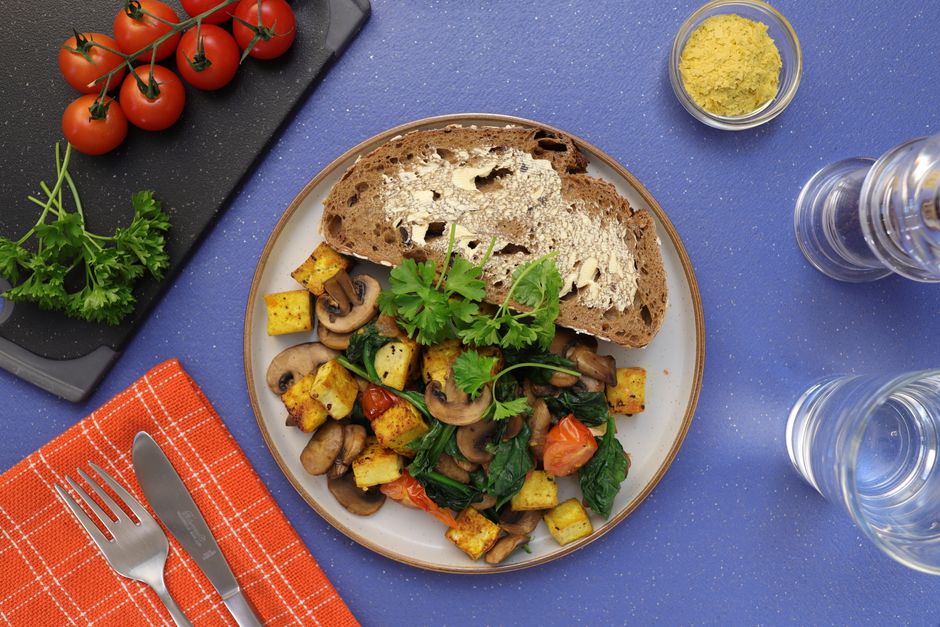
5. Tofu Scramble With Nutritional Yeast and Spinach on Whole-Grain Toast
Approximate macros: 24-28g protein, 8g fiber, 9g fat
Firm tofu scrambled with turmeric, garlic, and spinach, then topped with two tablespoons of nutritional yeast, creates a plant-based protein base that rivals eggs in total protein content. Nutritional yeast is a complete protein and adds B vitamins naturally. Whole-grain toast underneath rounds out the fiber. This is one of the strongest options for readers building a plant-based routine. For more plant-based morning ideas, five plant-based breakfast combos that stabilize blood sugar offers a useful companion read.
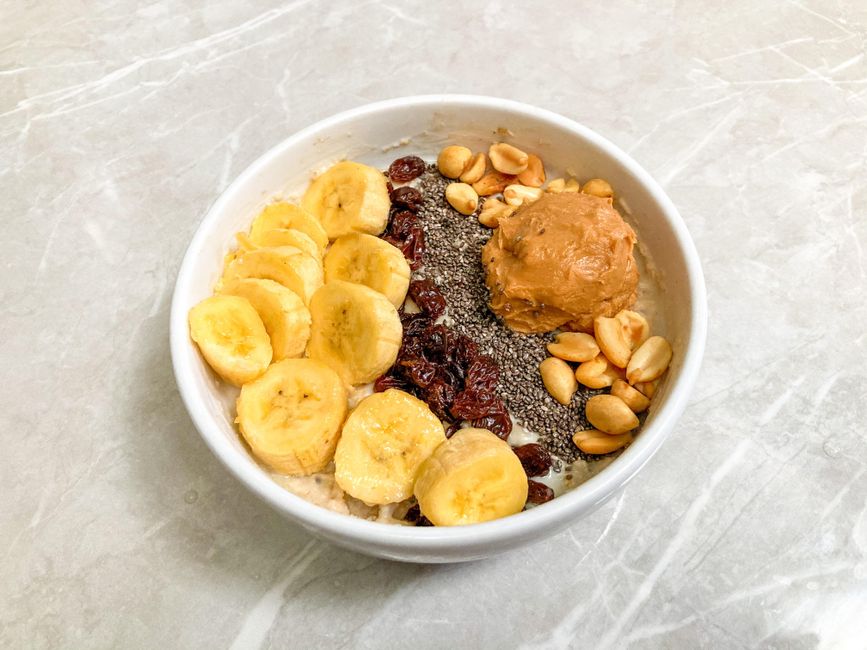
6. Nut-Butter Oatmeal With Chia Seeds and a Hard-Boiled Egg on the Side
Approximate macros: 20-24g protein, 9g fiber, 14g fat
Steel-cut or rolled oats provide beta-glucan, a soluble fiber that the Cochrane Collaboration has cited in cardiovascular and blood-sugar research for slowing glucose absorption. Two tablespoons of almond or peanut butter add protein and fat. One tablespoon of chia seeds brings additional fiber and omega-3s. A hard-boiled egg on the side keeps total protein above the threshold where appetite suppression becomes measurable, which research suggests is roughly 20-30g per meal.
Prep the egg the night before to make mornings faster.

7. High-Protein Smoothie With Silken Tofu, Frozen Edamame, and Spinach
Approximate macros: 25-30g protein, 7g fiber, 6g fat
This one surprises people. Blending silken tofu with half a cup of shelled frozen edamame, a handful of spinach, a banana, and unsweetened almond milk creates a genuinely filling smoothie without any protein powder. Edamame is a complete protein, and the combination gives you a high-protein breakfast that is easy to consume on the go.
Add a tablespoon of flaxseed to push fiber slightly higher if you find smoothies leave you hungry sooner.
What Makes These Combinations Work
Every combo above follows the same underlying structure:
- 20g or more of protein to meaningfully suppress ghrelin, the hunger-signaling hormone (research published by the NIH suggests this threshold matters)
- 5g or more of dietary fiber to slow gastric emptying and feed gut microbiota
- A source of healthy fat to further delay gastric emptying and support fat-soluble vitamin absorption
The timing matters too. Eating within roughly one to two hours of waking, rather than delaying breakfast significantly, tends to align better with natural cortisol rhythms in the morning. For a fuller picture of how timing interacts with hunger, why your morning hunger returns by 9am and which breakfast pairing prevents it is worth reading alongside this article.
And if your hunger challenge extends beyond breakfast into the afternoon, why your afternoon cravings feel impossible to ignore and how protein pairing interrupts the cycle addresses that pattern directly.
A Simple Starting Point
You do not need to overhaul every meal at once. Pick one combo from this list that fits your current routine and try it consistently for a week. Notice whether your 10am hunger changes. That one observation is more useful than any meal plan that feels impossible to maintain.
For more practical guidance on building nutrient-dense mornings and sustainable habits, the Clean Body Mentor newsletter delivers evidence-informed ideas each week without the noise.
This article is for general educational and informational purposes only and is not a substitute for medical advice, diagnosis, or treatment. Health needs vary by individual. Consult a qualified healthcare professional before making significant changes to your diet, exercise routine, supplements, medication, or treatment plan, especially if you have a medical condition, are pregnant or breastfeeding, take medication, or have concerns about your symptoms.
Sources
- Leidy, H.J. et al. “The role of protein in weight loss and maintenance.” American Journal of Clinical Nutrition, 2015. (National Institutes of Health / PubMed)
- U.S. Department of Agriculture FoodData Central: nutritional data for canned beans, tofu, edamame, and cottage cheese. (USDA)
- National Institutes of Health, Office of Dietary Supplements: omega-3 fatty acids fact sheet.
- Cochrane Collaboration: beta-glucan and cardiovascular outcomes, cited systematic reviews on oat fiber and glucose response.