
You sit down to a balanced meal, eat everything on the plate, and still feel sluggish, bloated, or hungry an hour later. The food was healthy enough, so what happened?
The answer might be less about what you ate and more about the order you ate it. Research on digestive comfort food order suggests that the sequence in which you consume vegetables, protein, fat, and carbohydrates can meaningfully affect blood sugar stability, digestive ease, and how well your body absorbs key nutrients. None of these changes require a new grocery list.
Why Sequence Matters at All
Your digestive system processes different macronutrients at different speeds and with different enzymes. Fiber slows gastric emptying. Protein triggers satiety hormones and requires stomach acid to break down. Simple carbohydrates digest quickly, causing faster rises in blood glucose when eaten alone.
A 2022 study published in Nutrients (and supported by earlier work from Weill Cornell Medicine) found that eating vegetables and protein before carbohydrates led to significantly lower post-meal blood glucose and insulin responses compared to eating carbohydrates first. The effect held even when the total calories and macros were identical. That is a meaningful finding for anyone who wants more stable energy across the day.
For a deeper look at how meal timing compounds these effects, see Digestive Comfort and Meal Timing: How to Eat for Better Digestion and Sustained Energy.
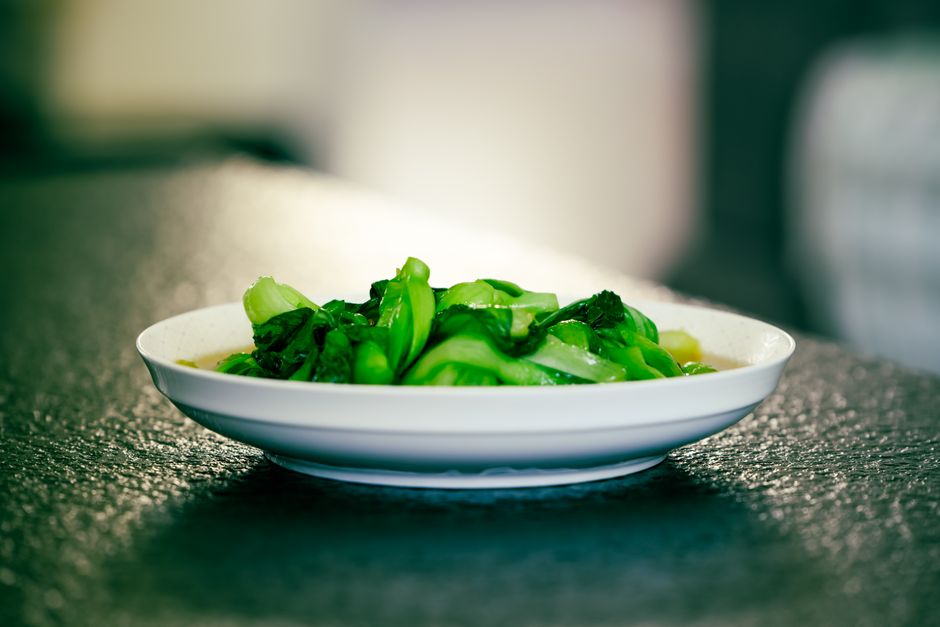
1. Start With Vegetables (Fiber and Water First)
Beginning your meal with non-starchy vegetables gives your digestive tract a head start. Fiber from vegetables creates a physical “mesh” in the stomach and small intestine that slows the absorption of glucose from foods eaten afterward. This blunts post-meal blood sugar spikes and can reduce that familiar mid-afternoon energy crash.
Fiber also supports a healthy gut microbiome, which plays a role in how efficiently you absorb vitamins and minerals from the rest of your meal.
Practical examples:
- Start with a small side salad with olive oil and lemon before your main course.
- Eat your roasted broccoli or sauteed spinach first, before reaching for rice or bread.
- Even raw carrot sticks or cucumber slices before a sandwich can make a difference.
You do not need a formal first course. A simple habit of eating the vegetables on your plate before anything else works well.
2. Move to Protein and Healthy Fat (Second)
After fiber comes protein. Protein stimulates the release of satiety hormones like GLP-1 and PYY, which signal fullness and slow the movement of food from your stomach into the small intestine. Eating protein before carbohydrates reinforces the blood sugar-stabilizing effect of the fiber you already consumed.
Fat slows gastric emptying too and helps your body absorb fat-soluble vitamins (A, D, E, and K). Pairing fat with colorful vegetables earlier in the meal may improve absorption of carotenoids and other fat-soluble compounds in those vegetables.
Practical examples:
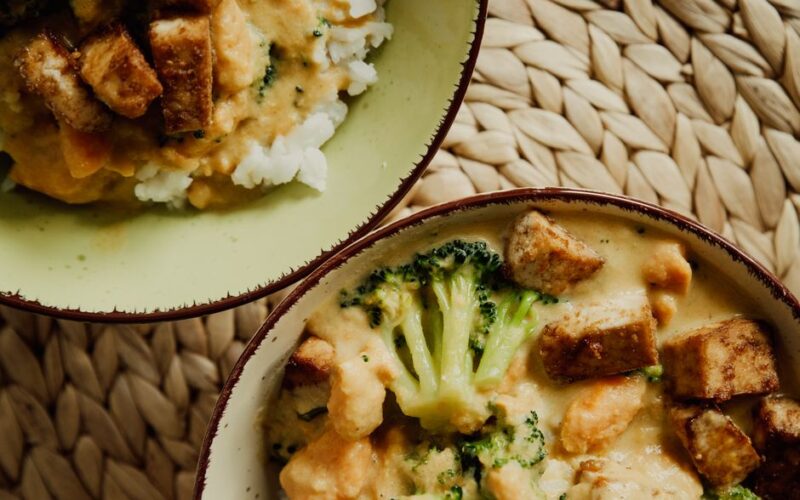
- At a grain bowl meal, eat the chicken or tofu and any avocado or olive oil dressing before spooning in the rice.
- For breakfast, eat your eggs and smoked salmon before your toast.
- A handful of nuts before a carb-heavy meal is a simple fat-and-protein buffer.
For more on how mid-day protein composition shapes your energy, Protein at Lunch: Why Mid-Day Protein Shapes Your 3pm Energy Better Than Caffeine is worth a read.
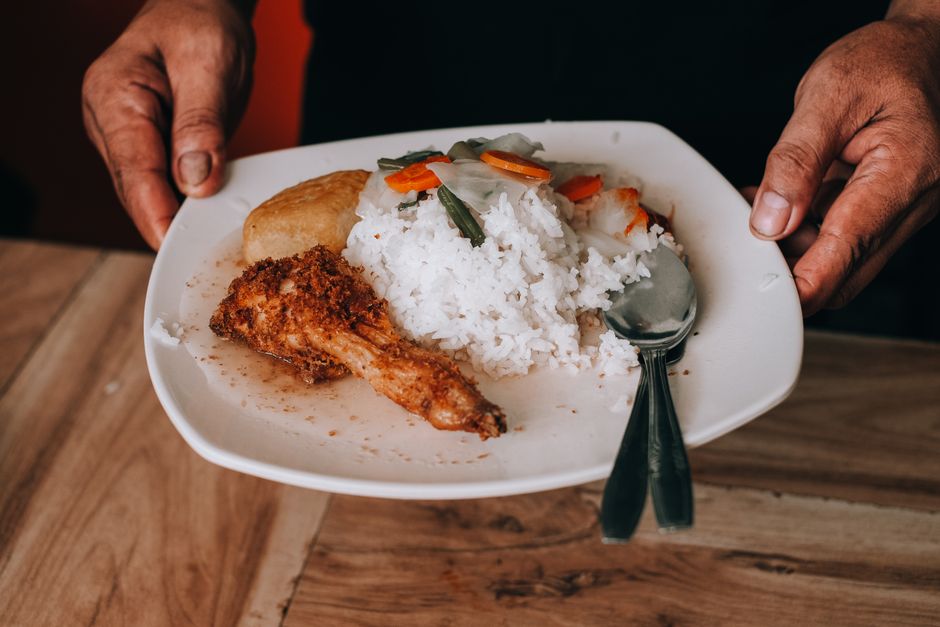
3. Eat Carbohydrates Last
Carbohydrates digest the fastest of the three macronutrients, especially refined ones. When you eat them last, the fiber and protein already in your digestive tract act as a buffer, slowing glucose absorption and producing a gentler blood sugar curve.
This does not mean carbohydrates are harmful or that you need to eat tiny portions. It simply means the timing of when carbs enter a meal already in progress changes how your body handles them.
Practical examples:
- Eat the pasta or rice after finishing your salad and protein portion.
- At breakfast, have your eggs or Greek yogurt before your fruit or toast.
- At a restaurant, eat the bread last rather than first if you plan to have it.
For a closer look at how carbohydrate timing interacts with protein specifically, Protein Sequencing: Why the Order You Eat Carbs and Protein Matters for Blood Sugar and Hunger goes into useful detail.
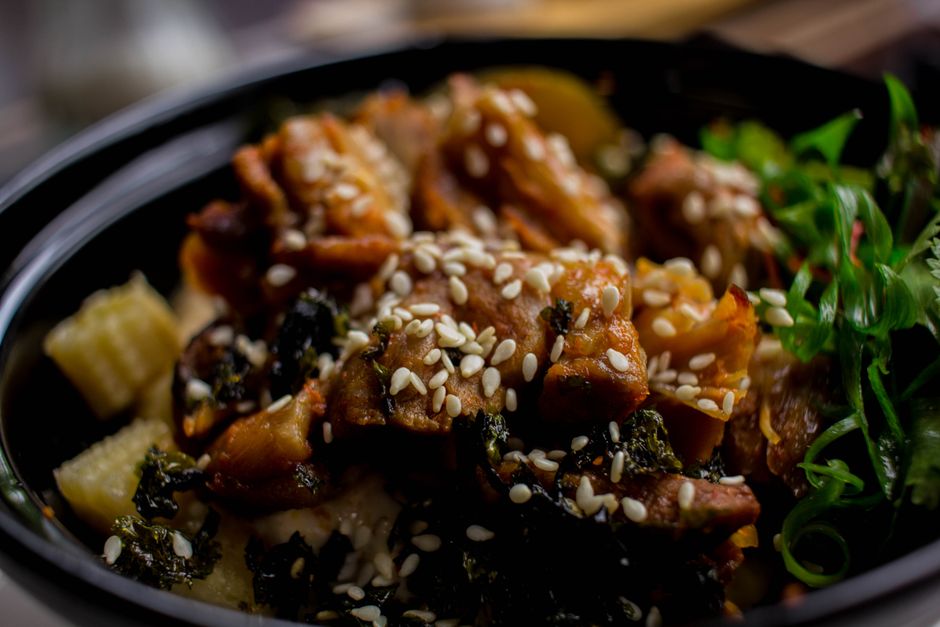
4. Pair Nutrients Strategically for Absorption
Beyond order, certain food pairings improve how well your body absorbs specific nutrients:
- Iron + Vitamin C: Plant-based (non-heme) iron from lentils, spinach, or beans absorbs significantly better when paired with vitamin C sources like bell peppers, tomatoes, or citrus. The National Institutes of Health notes this interaction as one of the most reliable nutrient synergies in diet.
- Fat-soluble vitamins + dietary fat: Vitamins A, D, E, and K need fat present to be absorbed. A drizzle of olive oil on roasted carrots or a side of avocado with a salad supports this meaningfully.
- Calcium + Vitamin D: These two work together, which is why many calcium-rich foods like dairy are often fortified with D. Spending time in natural light and eating vitamin-D-containing foods (fatty fish, eggs) alongside calcium-rich foods supports bone health over time.
- Turmeric + black pepper: Piperine in black pepper has been shown in research to increase the bioavailability of curcumin in turmeric by up to 2000 percent (Shoba et al., Planta Medica, 1998). An easy pair in soups, curries, or roasted vegetables.
For more on how food combinations affect digestive comfort and energy, Digestion-Friendly Meal Combinations: Foods That Work Together for Energy and Comfort offers practical pairing guides.

5. Watch What You Drink and When
Large amounts of water or liquid consumed with food can dilute digestive enzymes and stomach acid, potentially reducing efficiency. Research in this area is not conclusive, but many gastroenterologists suggest sipping rather than gulping large amounts mid-meal if you experience frequent bloating or discomfort.
On the other hand, staying well-hydrated between meals supports bowel regularity, enzyme production, and mucosal health. The issue is timing and volume, not hydration itself. For specifics, Hydration and Digestion: How Water Timing Around Food Changes Nutrient Absorption and Bloating unpacks this more fully.

Putting It Together: A Sample Dinner
Here is what this sequence looks like on a plate without any extra effort:
- First: A small green salad with olive oil and lemon, or steamed broccoli.
- Second: Baked salmon or grilled chicken thigh.
- Last: A serving of roasted sweet potato or whole-grain rice.
Same ingredients. Same calories. Different order. That is the whole idea.
A Realistic Starting Point
You do not need to overhaul every meal to feel a difference. Pick one habit from this list and try it consistently for a week:
- Eat your vegetables before anything else at dinner.
- Move bread or rice to the end of your next restaurant meal.
- Pair your next iron-rich lunch with a vitamin-C food you already enjoy.
Gradual progress with digestive comfort food order adds up over time, and it requires no special products or meal plans. If you find that digestive discomfort persists despite these adjustments, a registered dietitian can help identify whether an underlying issue like low stomach acid, food sensitivity, or a gut microbiome imbalance may need attention.
This article is for general educational and informational purposes only and is not a substitute for medical advice, diagnosis, or treatment. Health needs vary by individual. Consult a qualified healthcare professional before making significant changes to your diet, exercise routine, supplements, medication, or treatment plan, especially if you have a medical condition, are pregnant or breastfeeding, take medication, or have concerns about your symptoms.
Sources
- Shukla, A.P. et al. (2017). “Food Order Has a Significant Impact on Postprandial Glucose and Insulin Levels.” Diabetes Care, Weill Cornell Medicine. Referenced via NIH PubMed.
- National Institutes of Health, Office of Dietary Supplements. Fact sheets on iron, vitamin C, calcium, and vitamin D. ods.od.nih.gov
- Shoba, G. et al. (1998). “Influence of Piperine on the Pharmacokinetics of Curcumin.” Planta Medica, 64(4), 353-356.
- Vlassopoulos, A. et al. (2022). “Food sequence effects on postprandial glycaemia.” Nutrients (supporting context for sequencing research).