Temperature stress has moved from niche biohacker territory to everyday wellness conversations. Cold plunges, sauna sessions, and contrast therapy are showing up in gyms, spas, and even backyard routines. But the enthusiasm online often runs ahead of the actual science.
If you are curious about cold exposure and stress resilience, the honest answer is this: there is real, promising evidence for some benefits, the research is still maturing in others, and none of these practices replace foundational recovery habits like sleep, movement, and managing daily stressors. What they can do, for many people, is serve as a structured way to practice tolerating discomfort, which is one concrete path toward building emotional resilience.
Here is a grounded look at each method and how to choose between them.
What Cold Exposure Actually Does to Your Nervous System
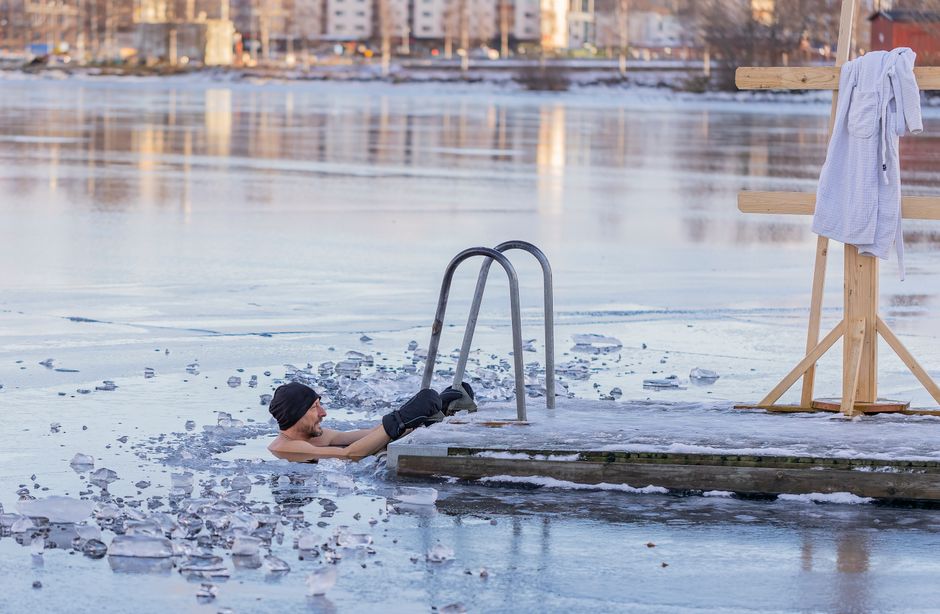
When cold water contacts your skin, your body triggers an immediate sympathetic nervous system response: heart rate spikes, breathing quickens, and stress hormones including norepinephrine rise sharply. This is not a pleasant sensation at first, and that is precisely the point.
Research published in journals including European Journal of Applied Physiology suggests that repeated cold exposure may help the body regulate its stress response more efficiently over time. One frequently cited mechanism is the significant norepinephrine release that occurs during cold immersion. According to work from the University of Virginia reviewed by researchers at the Huberman Lab (Stanford), brief cold exposure can increase norepinephrine by 200 to 300 percent, a neurotransmitter linked to focus, mood, and alertness.
The key word here is “repeated.” A single cold plunge does not rewire your nervous system. Consistent practice, even a few minutes of cold exposure several times per week, appears to be what produces lasting adaptation.
For a deeper comparison of cold immersion methods, see Cold Water Plunges vs. Contrast Showers: What Research Says About Temperature Stress, Recovery, and Mental Resilience.
Sauna Use: Heat as a Different Kind of Stress
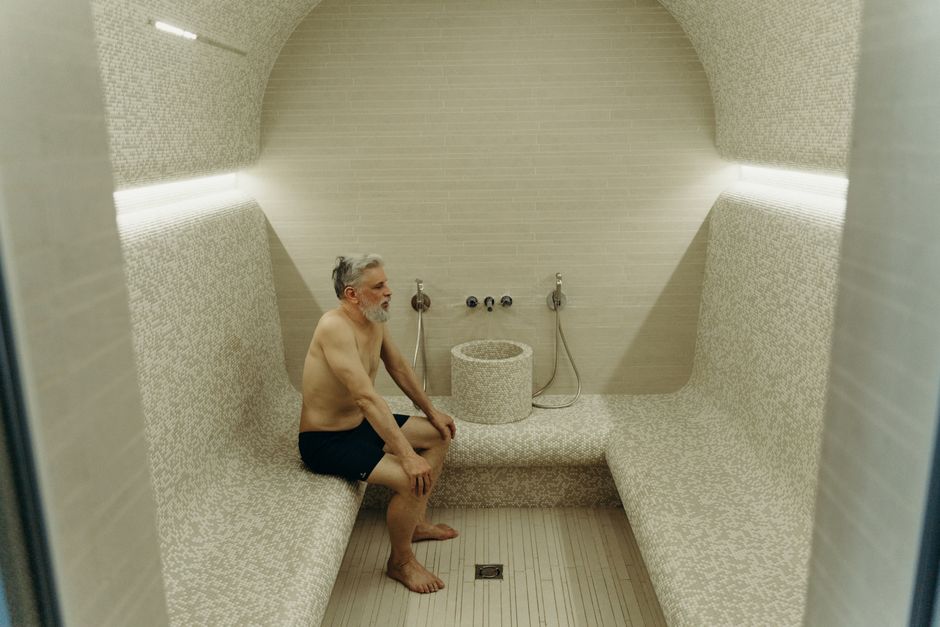
Sauna exposure works through a complementary but distinct pathway. Heat stress activates heat shock proteins, temporarily elevates core body temperature, and also raises norepinephrine and beta-endorphins. A well-known observational study from the University of Eastern Finland (Laukkanen et al., published in JAMA Internal Medicine, 2015) found that men who used a sauna four to seven times per week had significantly lower rates of cardiovascular events compared to once-weekly users, though correlation does not establish causation in observational data.
For mental well-being specifically, sauna use may support mood by increasing levels of brain-derived neurotrophic factor (BDNF), a protein associated with neuroplasticity and mood regulation. Research in this area is still developing, but the direction is encouraging.
Practically speaking, a traditional Finnish sauna session of 15 to 20 minutes at 80-100 degrees Celsius, followed by rest, is the most studied format. Infrared saunas operate at lower temperatures and have a smaller evidence base, though early findings suggest similar cardiovascular and mood-adjacent benefits.
Sauna use is generally well-tolerated in healthy adults, but people with cardiovascular conditions, pregnancy, or blood pressure concerns should consult a qualified healthcare professional before starting.
Cold Plunges: What the Evidence Supports
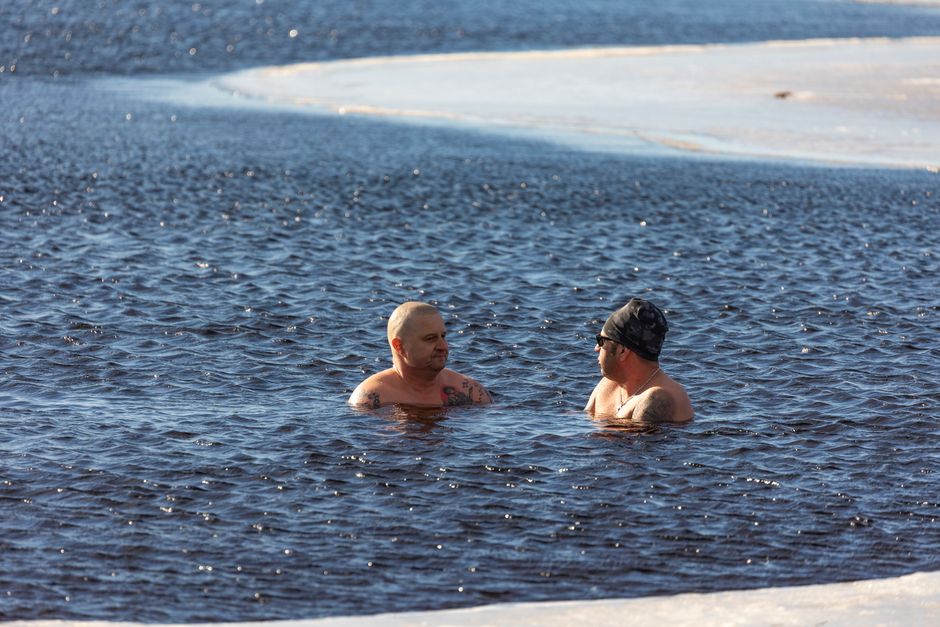
Cold water immersion, typically defined as full or partial immersion at or below 15 degrees Celsius (59 degrees Fahrenheit), has been studied most extensively in athletic recovery contexts. Research published by the Cochrane Collaboration has found evidence that cold water immersion reduces delayed onset muscle soreness compared to passive rest, though effects on longer-term performance adaptation are more mixed.
For stress resilience and emotional strength, the cold plunge conversation centers on voluntary discomfort tolerance. When you choose to enter cold water and consciously regulate your breathing and anxiety response, you are practicing a real skill: staying calm under physiological stress. This has meaningful overlap with how emotional resilience is built in other contexts.
One practical note: the breathing technique matters. Slow, controlled exhales during cold immersion help shift the body toward a parasympathetic state and reduce the panic reflex. This is a learnable skill, and that learning is part of the value.
Contrast Therapy: Alternating Heat and Cold
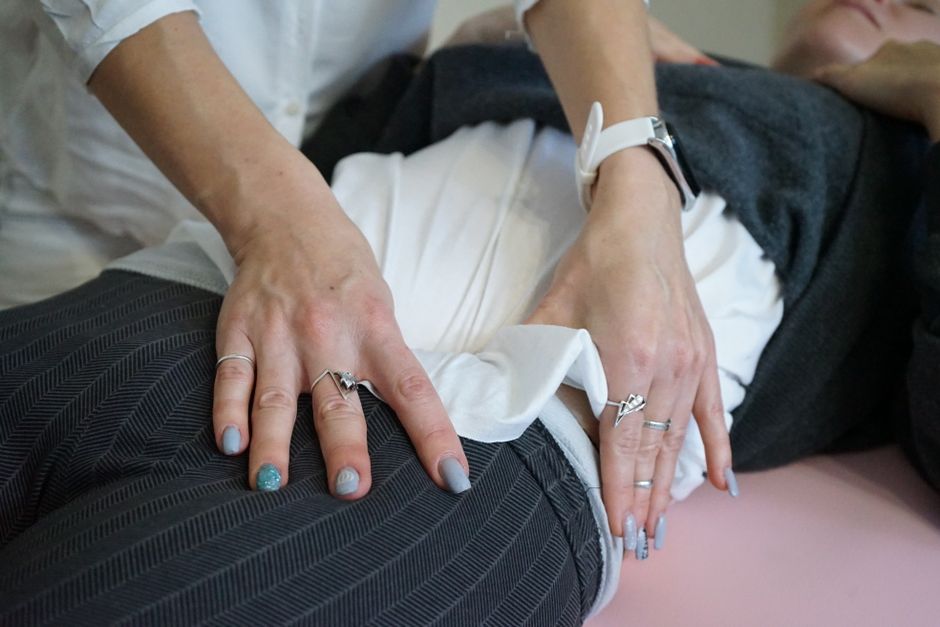
Contrast therapy involves cycling between hot and cold exposures, typically sauna followed by cold immersion, repeated two to four times. Nordic spa culture has used this protocol for generations, and sports medicine has adopted it for recovery from training.
The proposed mechanism is a vascular pumping effect: blood vessels dilate in heat and constrict in cold, which may improve circulation and support lymphatic flow. Evidence for contrast therapy in reducing muscle soreness and perceived fatigue is reasonably consistent in sports science literature, though study populations tend to be athletes rather than general wellness seekers.
For stress recovery and emotional health specifically, contrast therapy may offer a stronger nervous system training stimulus than either method alone, because you move through arousal and recovery states in sequence. Think of it as practicing recovery, not just endurance.
For a direct side-by-side comparison, Cold Water Immersion vs. Sauna Use: Which Temperature Stress Practice Fits Your Recovery and Resilience Goals covers the tradeoffs in more detail.

How to Choose the Right Practice for You
Here is a practical breakdown based on access, tolerance, and goals:
- Contrast showers at home: The most accessible entry point. Alternate 2 to 3 minutes of warm water with 30 to 60 seconds of cold, repeating two to three cycles. Research suggests even this modest version can support mood and nervous system recovery.
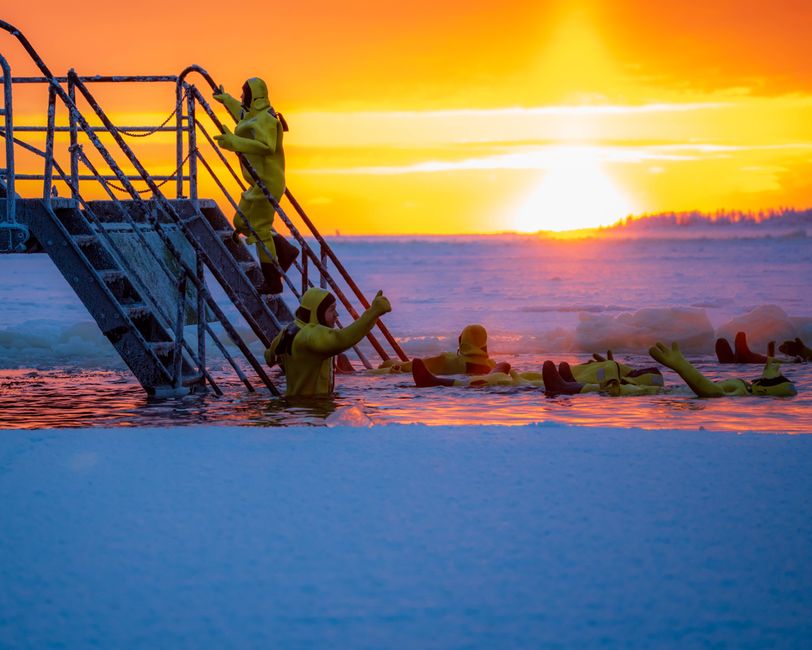
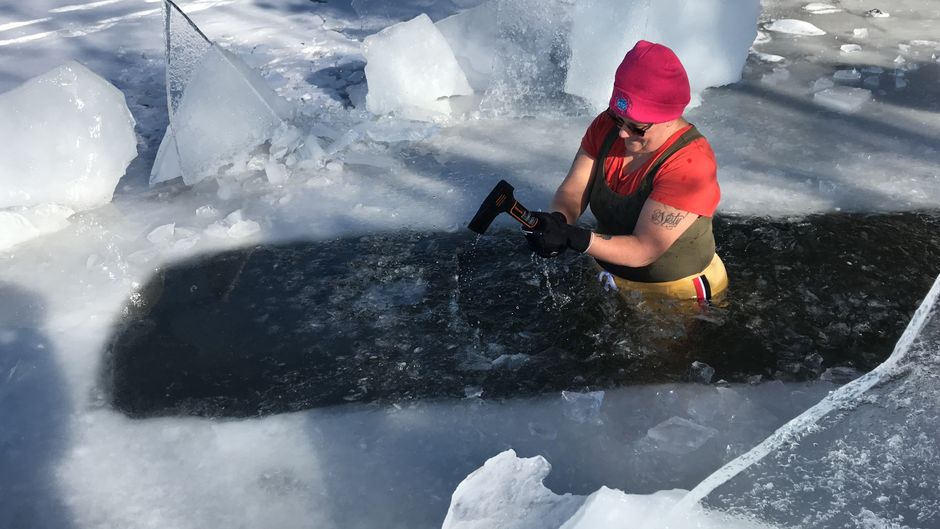
- Cold plunge tub or natural water: Higher intensity, higher adaptation stimulus. Best if you want to practice voluntary discomfort tolerance and have access to cold water at 10-15 degrees Celsius.
- Traditional sauna: Strong evidence base for cardiovascular and mood-adjacent benefits. Best for those with access to a gym, spa, or home sauna who tolerate heat well.
- Full contrast therapy: Combines the benefits of both. Ideal if you have access to both sauna and cold immersion, such as at a Nordic spa or well-equipped gym.
None of these approaches require expensive equipment to start. A contrast shower costs nothing beyond what you already pay for water.
Keep in mind that cold exposure and stress resilience training work best alongside other foundational recovery habits. Emotional Resilience and Sleep Recovery: How Rest and Stress Management Work Together explains how sleep and stress are intertwined in ways temperature practices alone cannot address. And if you are looking to support your mental well-being through movement, Emotional Resilience and Outdoor Movement: How Nature-Based Activity Builds Mental Strength Without a Gym offers a complementary approach.
If breathwork interests you as a companion practice for cold exposure, Breathwork vs. Meditation for Stress Relief: Which Practice Fits Your Life and Goals is worth reading alongside this review.

The Bottom Line
Cold exposure, sauna, and contrast therapy each have a credible evidence base for supporting stress recovery, nervous system regulation, and aspects of emotional resilience. None of them are magic. The benefits appear to come from consistent, voluntary practice, not intensity or novelty.
Choose one approach that is realistic for your budget and access, start conservatively, and practice it regularly. Small, consistent exposure builds the tolerance and regulation capacity that supports real emotional strength over time.
This article is for general educational and informational purposes only and is not a substitute for medical advice, diagnosis, or treatment. Health needs vary by individual. Consult a qualified healthcare professional before making significant changes to your diet, exercise routine, supplements, medication, or treatment plan, especially if you have a medical condition, are pregnant or breastfeeding, take medication, or have concerns about your symptoms.
Sources
- Laukkanen, T. et al. (2015). “Association Between Sauna Bathing and Fatal Cardiovascular and All-Cause Mortality Events.” JAMA Internal Medicine. JAMA Network.
- Bleakley, C. et al. Cochrane Systematic Review on cold water immersion for exercise-induced muscle damage. Cochrane Library.
- Tipton, M. J. et al. “Cold water immersion: kill or cure?” Experimental Physiology, 2017.
- Huberman Lab (Stanford University). Podcast episode on deliberate cold exposure and norepinephrine. hubermanlab.com (cited for neuroscience context; not a peer-reviewed source).