
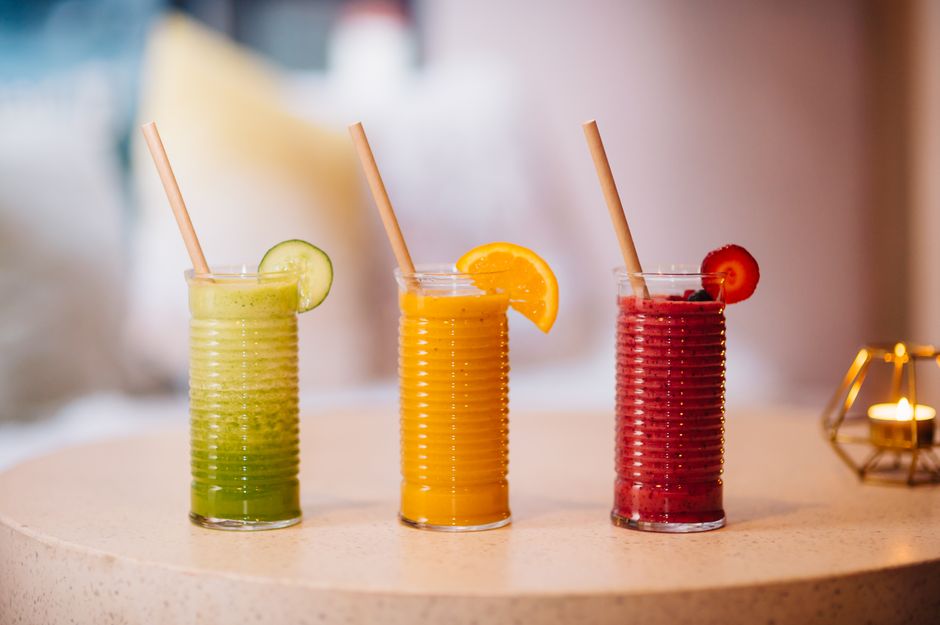
You blend a beautiful smoothie, drink it down, and feel great for about 45 minutes. Then hunger creeps back in, your energy dips, and you find yourself reaching for snacks you did not plan on. Sound familiar?
The problem usually is not the smoothie itself. It is the way most smoothie recipes for weight loss are built: heavy on fruit, light on everything else. A cup of frozen mango plus banana plus orange juice might taste wonderful, but it functions more like a glass of natural juice than a meal. Without protein, healthy fat, or meaningful fiber, there is very little to slow digestion, sustain blood sugar, or signal true fullness to your brain.
This guide walks through the most common satiety mistakes and shows you exactly how to fix them so your smoothie actually earns its place as a satisfying, supportive part of your routine.
Why Satiety Science Matters for Smoothies
Satiety, the feeling of fullness that lasts, depends on a few well-understood mechanisms. Protein and fiber slow gastric emptying, keeping food in your stomach longer. Dietary fat triggers the release of hormones including cholecystokinin, which signals fullness to the brain. Research published in the journal Nutrients notes that higher-protein meals consistently reduce hunger and subsequent calorie intake compared with lower-protein meals of the same caloric value (Leidy et al., 2015, Advances in Nutrition).
When you blend only fruit and juice, you strip out most of the fiber, skip protein entirely, and add no fat. The result is a fast-digesting carbohydrate load that spikes and then drops blood sugar, leaving you hungry within the hour. For more on how nutrient combinations affect your energy throughout the day, see Eating for Stable Energy: Nutrient Combinations That Keep You Full and Focused All Day.
The Three Most Common Smoothie Mistakes
Mistake 1: Too Much Fruit, Not Enough Fiber
Fruit is genuinely nutritious. It provides vitamins, antioxidants, and natural fiber. The mistake is using it as the entire base with four or five servings blended together. When fruit is juiced or heavily blended, the mechanical structure of whole-fruit fiber breaks down, which means it digests faster than eating an apple whole.
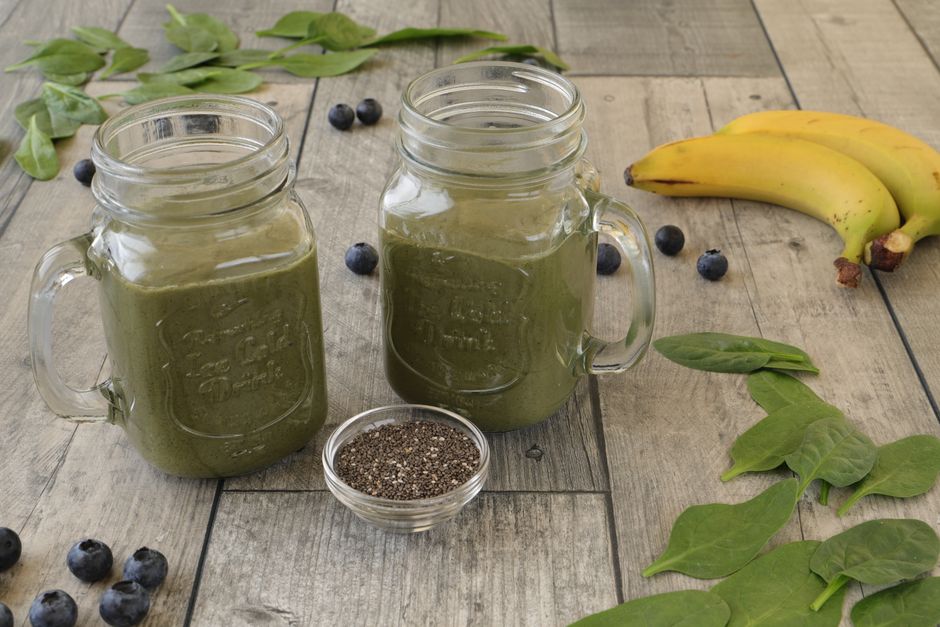
The fix: Keep fruit to one or two portions (roughly one cup total). Fill the rest of your base with lower-sugar, higher-fiber options: half an avocado, a big handful of spinach or kale, frozen cauliflower, or a couple of tablespoons of ground flaxseed or chia seeds. Chia seeds in particular absorb liquid and form a gel that slows digestion noticeably.
Mistake 2: Skipping Protein Entirely
This is the single biggest reason most smoothie recipes for weight loss do not deliver lasting fullness. Without protein, your body has nothing to slow the carbohydrate absorption or stimulate the satiety hormones that tell your brain the meal is done.
The fix: Add at least 20 to 30 grams of protein per smoothie. Practical options include:
- Protein powder: Whey, pea, or hemp protein are all effective. Choose one with minimal added sugar.
- Greek yogurt: A three-quarter cup of plain, full-fat Greek yogurt provides roughly 15 to 17 grams of protein and adds a creamy texture.
- Cottage cheese: Blends almost invisibly and contributes around 14 grams of protein per half cup.
- Hemp seeds: Three tablespoons offer about 10 grams, and they blend smoothly.
For a deeper look at how protein directly affects hunger signals, Protein and Satiety in Snacks: Why Some High-Protein Choices Keep You Fuller Longer covers the underlying mechanisms clearly.
Mistake 3: Leaving Out Healthy Fat
Fat is often the missing ingredient in lower-calorie smoothie recipes. Because fat adds calories, many people cut it to keep their smoothie light. The tradeoff is that without fat, satiety hormones are barely triggered, the fat-soluble vitamins in your spinach and kale go largely unabsorbed, and you feel hungry sooner.
The fix: Add one source of healthy fat per smoothie. Good choices:
- Two tablespoons of natural nut butter (almond, cashew, or peanut)
- Half a small avocado
- One tablespoon of coconut oil or MCT oil (a smaller portion, as these are calorie-dense)
- Two tablespoons of ground flaxseed or chia seeds (these double as fiber, too)
How to Build a Satisfying Smoothie: The Framework
Once you understand the three pillars, building a filling smoothie becomes straightforward. Think of it as assembling four components:
- Liquid base (1 to 1.5 cups): Unsweetened almond milk, oat milk, or plain water. Avoid juice as your primary liquid, since it adds sugar without adding fiber.
- Protein source (20 to 30 grams): Greek yogurt, cottage cheese, protein powder, or hemp seeds.
- Healthy fat (1 serving): Nut butter, avocado, or seeds.
- Produce and fiber (1 to 2 cups): One cup of fruit maximum, plus a handful of leafy greens, frozen cauliflower, or a tablespoon of ground flaxseed.
Optional but useful: a pinch of cinnamon (may help with blood sugar stability according to some preliminary research), ice for texture, and unsweetened cocoa powder or vanilla extract for flavor without extra sugar.
Example recipe: Blend 1 cup unsweetened almond milk, one scoop vanilla pea protein powder, half a frozen banana, one large handful spinach, two tablespoons almond butter, and one tablespoon chia seeds. This combination lands around 350 to 400 calories with approximately 25 grams of protein, 12 grams of fat, and 8 grams of fiber.
A Note on Smoothies and Weight Management
Smoothies can be a genuinely useful tool for fat loss and body composition when they replace a higher-calorie, lower-nutrient meal rather than being added on top of your usual eating. The key is building them to function as actual meals, not snacks. A well-built smoothie sits in the same nutritional territory as a high-protein breakfast that keeps you full until lunch.
If you are thinking about batch-prepping smoothies to make your week easier, Building a Sustainable Smoothie Practice: From Weekly Prep to Daily Convenience walks through exactly how to do that without the prep feeling overwhelming.
One practical tip: blend your smoothie rather than drinking it too fast. Taking at least 10 to 15 minutes to finish allows satiety signals, which take about 15 to 20 minutes to register, to catch up before you reach for more food.

A Small Step Worth Taking
You do not need to rebuild your entire routine at once. Pick one change from this guide, such as adding protein powder or swapping juice for almond milk, and try it consistently for a week. Notice how your hunger levels shift. Small adjustments tend to stick better than complete overhauls.
If you want broader guidance on building balanced, energy-sustaining meals beyond smoothies, the Eating for Sustained Energy Without the Afternoon Crash guide pairs well with what you have learned here.
For personalized advice about your diet, especially if you have a medical condition, are pregnant, or take medication, a registered dietitian is your best resource.
This article is for general educational and informational purposes only and is not a substitute for medical advice, diagnosis, or treatment. Health needs vary by individual. Consult a qualified healthcare professional before making significant changes to your diet, exercise routine, supplements, medication, or treatment plan, especially if you have a medical condition, are pregnant or breastfeeding, take medication, or have concerns about your symptoms.
Sources
- Leidy HJ, et al. “The role of protein in weight loss and maintenance.” Advances in Nutrition, 2015. Published by the American Society for Nutrition.
- Slavin JL. “Dietary fiber and body weight.” Nutrition, 2005. Published by Elsevier.
- Dhillon J, et al. “The effects of increased protein intake on fullness in overweight and obese individuals.” Nutrients, 2016. U.S. National Library of Medicine, PubMed.
- USDA FoodData Central for nutrient estimates referenced above (fdc.nal.usda.gov).