

You finish a high-protein meal and still find yourself reaching for a snack an hour later. Sound familiar? Protein is widely recognized as the most satiating macronutrient, but eating protein in isolation does not always deliver the hunger control you expect. The way you pair protein with other nutrients can make a meaningful difference in how full you feel and how long that feeling lasts.
This review pulls together what current research says about protein combinations satiety, so you can build meals that genuinely quiet hunger signals rather than just temporarily muffle them.
Why Protein Alone Is Not the Complete Picture
Protein supports satiety through several pathways. It stimulates the release of gut peptides such as peptide YY (PYY) and glucagon-like peptide-1 (GLP-1), both of which signal fullness to the brain. It also suppresses ghrelin, the primary hunger hormone. Research published in the American Journal of Clinical Nutrition confirms that higher protein intakes reduce appetite and spontaneous calorie intake compared to lower protein diets (Weigle et al., 2005).
Here is the catch: protein’s satiety effect depends on how quickly it is digested and how stable your blood sugar remains afterward. Eating protein alongside foods that slow gastric emptying and blunt glucose fluctuations produces a longer and more sustained fullness response. That is where strategic pairings come in.
If you want to understand how the timing of protein intake plays into this, Protein Timing and Hunger: When You Eat Protein Matters as Much as How Much is a useful companion read.
Pairing 1: Protein Plus Soluble Fiber
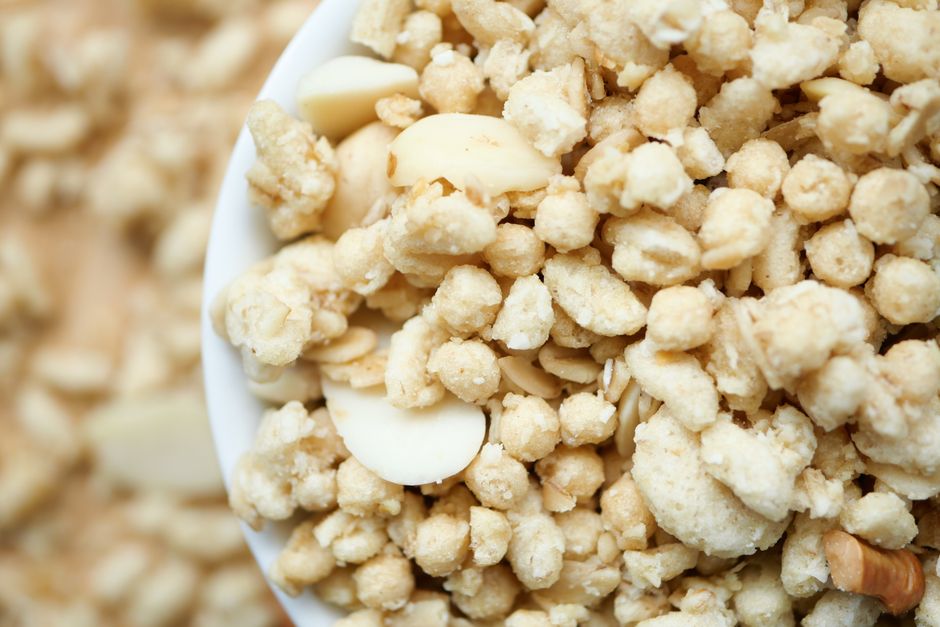
Soluble fiber is the strongest evidence-backed partner for protein when it comes to hunger management. When fiber dissolves in water, it forms a gel in the digestive tract that physically slows the movement of food and delays glucose absorption. This reduces the post-meal blood sugar spike and keeps GLP-1 elevated for longer.
A meta-analysis in Obesity Reviews (Slavin, 2013) found that soluble fiber intake was associated with reduced appetite and lower calorie intake in adults. Pair that mechanism with protein’s ghrelin-suppressing effect and you get a synergistic satiety response.
Practical combinations to try:
- Greek yogurt topped with chia seeds or ground flaxseed
- Lentil soup (protein plus soluble fiber from lentils and vegetables)
- Eggs scrambled with oat bran or alongside a small serving of oatmeal
- Cottage cheese with sliced apple (pectin is a potent soluble fiber)
For breakfast ideas that build on this pairing, High-Protein Breakfast Ideas for Steady Energy and Satiety has practical options organized by prep time.
Pairing 2: Protein Plus Healthy Fat
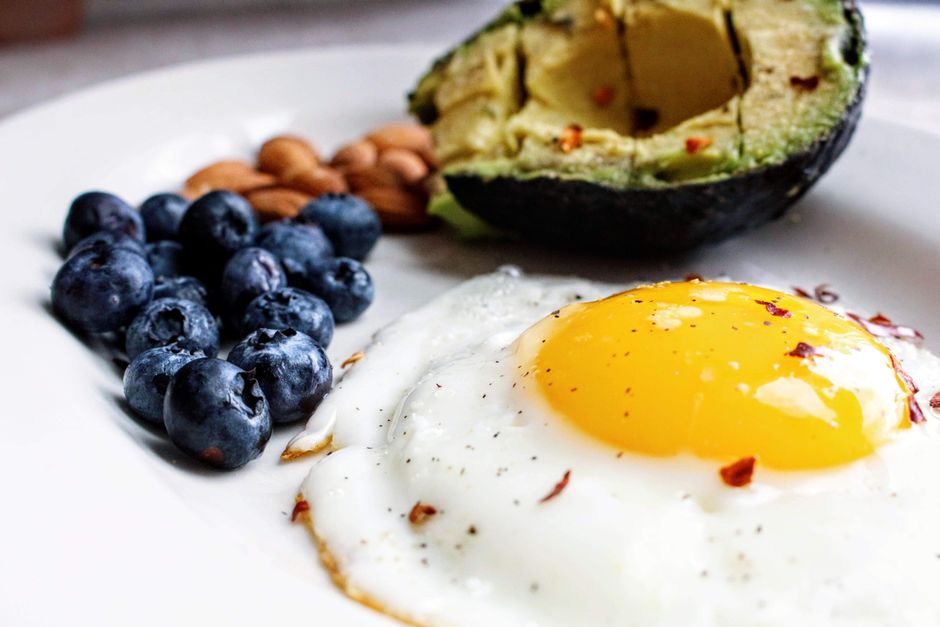
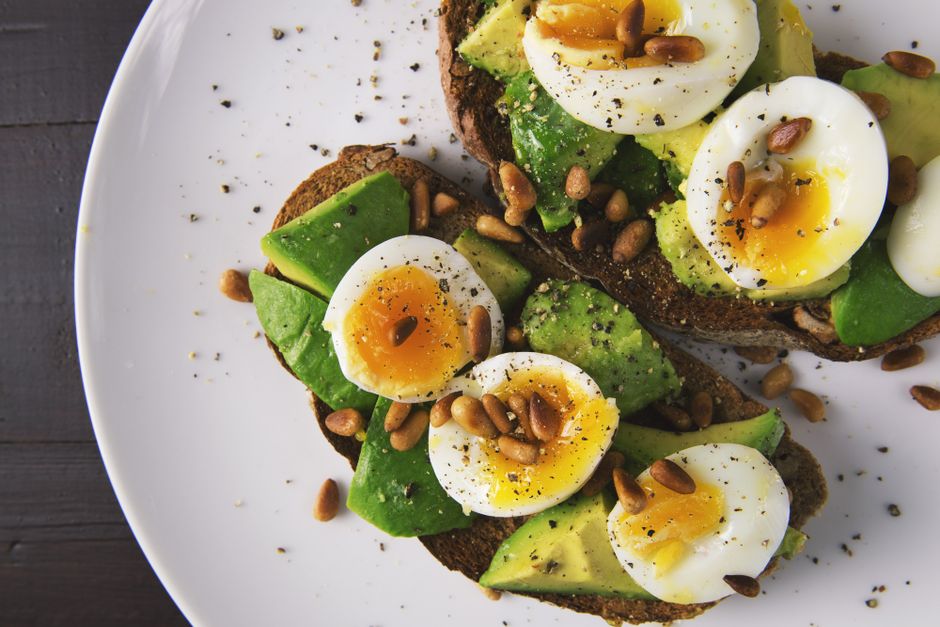
Dietary fat slows gastric emptying, which extends the window of digestion and keeps you feeling physically full longer. Fat also stimulates cholecystokinin (CCK), a hormone secreted in the small intestine that signals satiety to the brain. When fat is combined with high-quality protein, both hormonal and mechanical satiety pathways are activated at the same time.
This does not mean piling on saturated fat. The research generally points to unsaturated fats, particularly from foods like avocado, nuts, seeds, and olive oil, as the more beneficial choices for appetite regulation and cardiovascular health (Schwingshackl and Hoffmann, Lipids in Health and Disease, 2012).
Practical combinations to try:
- Tuna or salmon with half an avocado
- A hard-boiled egg with a small handful of walnuts
- Chicken or turkey in a salad dressed with olive oil and lemon
- A smoothie with protein powder, almond butter, and whole milk or unsweetened oat milk
For smoothies specifically, be aware that some recipes sabotage this balance. Smoothie Mistakes That Sabotage Your Energy and Satiety covers what to avoid when building a blended meal.
Pairing 3: Protein Plus Resistant Starch
Resistant starch is a form of carbohydrate that escapes digestion in the small intestine and ferments in the colon. This fermentation produces short-chain fatty acids (SCFAs), particularly butyrate, which appear to influence appetite-regulating hormones and improve insulin sensitivity over time. Research from Nutrition Reviews (Blaak et al., 2012) suggests resistant starch increases PYY and GLP-1 while reducing ghrelin.
Combining resistant starch with protein creates a slower, steadier energy release compared to refined carbohydrates, which means you avoid the blood sugar drop that often triggers hunger an hour or two after eating. For more on how specific meal combinations affect energy stability, Eating for Stable Energy: Nutrient Combinations That Keep You Full and Focused All Day explores this topic in depth.
Practical combinations to try:
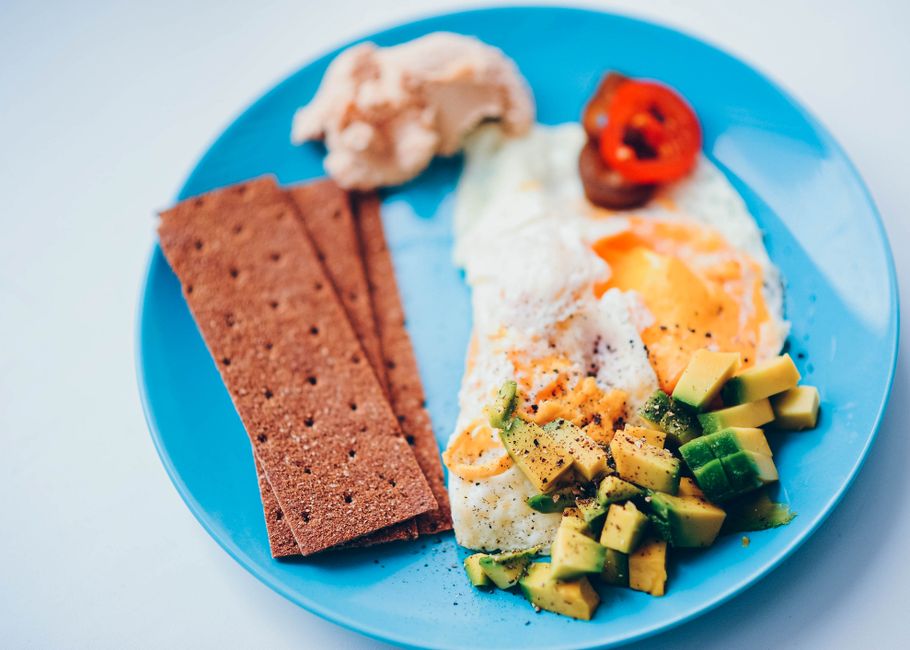
- Grilled chicken with cooled cooked rice or potato salad (cooling converts some starch to resistant starch)
- Black bean and chicken burrito bowl with brown rice
- Edamame hummus with lentil crackers or sliced cooked and cooled sweet potato
Pairing 4: Protein Plus Leucine-Rich Complements
Among the essential amino acids, leucine plays a specific role in activating the mTOR pathway and signaling muscle protein synthesis, but it also interacts with appetite-regulating systems. Research in Cell Metabolism (Cota et al., 2006) identified leucine as a nutrient sensor in the hypothalamus that may help suppress appetite signals.
Leucine is highest in animal proteins such as whey, eggs, chicken, and fish, but plant combinations can also provide adequate leucine when thoughtfully paired. Combining rice protein with pea protein, for example, creates a more complete amino acid profile that approaches the satiety value of whey.
Practical combinations to try:
- Whey protein smoothie with added cottage cheese (both are leucine-dense)
- Pea and rice protein blend post-workout
- Eggs paired with edamame for a plant-plus-animal leucine boost
For a deeper look at how protein quality affects your goals, Protein Quality and Muscle Building: What Makes Some Proteins More Effective Than Others for Home Strength Training covers amino acid profiles without the jargon.

What the Combinations Have in Common
Looking across all four pairings, a pattern emerges. The combinations that most reliably support protein combinations satiety share three traits: they slow digestion without causing discomfort, they activate multiple satiety hormones rather than just one, and they avoid rapid blood sugar spikes that create a rebound hunger effect.
This is not about eating perfectly. It is about building meals where the parts work together rather than against each other. A handful of walnuts and some Greek yogurt takes 60 seconds to assemble and covers protein, fat, and soluble fiber in one container.

A Practical Starting Point
Choose one combination from this article and add it to one meal tomorrow. Not every meal needs an overhaul. Building one well-paired, high-protein meal per day, particularly at breakfast, tends to carry satiety forward into the rest of the day and reduce the kind of grazing that erodes a calorie deficit over time.
If you want ongoing practical guidance like this, consider subscribing to the Clean Body Mentor newsletter for weekly, evidence-informed wellness ideas delivered without overwhelm.
This article is for general educational and informational purposes only and is not a substitute for medical advice, diagnosis, or treatment. Health needs vary by individual. Consult a qualified healthcare professional before making significant changes to your diet, exercise routine, supplements, medication, or treatment plan, especially if you have a medical condition, are pregnant or breastfeeding, take medication, or have concerns about your symptoms.

Sources
- Weigle DS, et al. “A high-protein diet induces sustained reductions in appetite, ad libitum caloric intake, and body weight despite compensatory changes in diurnal plasma leptin and ghrelin concentrations.” American Journal of Clinical Nutrition, 2005.
- Slavin J. “Fiber and Prebiotics: Mechanisms and Health Benefits.” Nutrients, 2013.
- Schwingshackl L, Hoffmann G. “Monounsaturated fatty acids and risk of cardiovascular disease.” Lipids in Health and Disease, 2012.
- Blaak EE, et al. “Short chain fatty acids in human gut and metabolic health.” Beneficial Microbes, 2015.
- Cota D, et al. “Hypothalamic mTORC1 Signaling Controls Energy Balance.” Cell Metabolism, 2006.