
You have probably heard that you need eight glasses of water a day, that thirst means you are already dehydrated, or that drinking more water will flush toxins from your body. These ideas are repeated so often that they feel like established science. Most of them are not.
Hydration for health and energy is genuinely important, but the advice floating around wellness culture is often oversimplified or just plain outdated. This article unpacks five of the most common hydration myths, explains what current research actually supports, and gives you practical ways to stay well-hydrated without rigid rules or obsessive tracking.
Key Takeaways Before You Read On
- There is no universal daily water target that works for every person.
- Thirst is a reliable hydration signal for most healthy adults.
- Food provides a meaningful portion of your daily fluid intake.
- Hydration timing does influence energy and cognitive function.
- Overdrinking water is a real (if uncommon) risk worth understanding.
Myth 1: Everyone Needs Eight Glasses of Water a Day
The myth: Drink eight 8-ounce glasses of water daily, no exceptions.
What research suggests: This rule has no strong scientific foundation. A widely cited 2002 review published in the American Journal of Physiology found no evidence supporting the “8×8” recommendation for healthy adults. Your actual fluid needs depend on your body size, activity level, climate, health status, and what you eat.
The National Academies of Sciences, Engineering, and Medicine suggests a general adequate intake of roughly 3.7 liters (about 125 ounces) of total water per day for men and 2.7 liters (about 91 ounces) for women, but this includes water from all foods and beverages, not just plain water.
A better approach: let your individual needs guide you. Heavier people, those who exercise, people in hot climates, and pregnant or breastfeeding individuals generally need more. Sedentary adults in cool environments need less.
Myth 2: Thirst Means You Are Already Dangerously Dehydrated
The myth: By the time you feel thirsty, your body is already 2 percent dehydrated and your performance is suffering.
What research suggests: This claim is often repeated in sports nutrition circles, but evidence for it in normal daily life is inconsistent. Thirst is actually a finely tuned physiological signal. For most healthy adults, thirst reliably prompts you to drink before significant dehydration occurs.
Research does show that mild dehydration (around 1 to 2 percent body weight loss) can affect concentration and mood, especially during physical activity or heat exposure. But in everyday sedentary situations, thirst remains a trustworthy guide. If you are exercising heavily, working outdoors, or running a fever, being proactive about drinking before intense thirst hits is a smart strategy.
For a closer look at how water timing connects to brain function and mood, Hydration for Energy and Mood: Why Water Timing Matters More Than You Think goes deeper on the mechanics.
Myth 3: Only Plain Water Counts Toward Hydration
The myth: Coffee, tea, and food do not count because they are diuretics or do not hydrate properly.
What research suggests: Food contributes roughly 20 to 30 percent of most people’s daily fluid intake. Fruits, vegetables, soups, yogurt, and even cooked grains provide significant water. Cucumbers, watermelon, strawberries, and leafy greens are especially high in water content.
As for caffeinated beverages, moderate coffee and tea consumption does have a mild diuretic effect, but research consistently shows they still produce a net hydrating effect in people who consume caffeine regularly. The fluid in the beverage outweighs the small amount lost through the mild diuretic response.
This does not mean you should replace plain water entirely. Water remains the most efficient, calorie-free hydration source. But if you drink coffee and herbal teas, you can count them as part of your overall fluid picture. If you are curious about how caffeine affects sleep and recovery, Caffeine and Sleep Quality: When You Drink Coffee Matters More Than How Much covers that tradeoff clearly.
Myth 4: Drinking More Water Will Detox Your Body and Clear Your Skin
The myth: Drinking large amounts of water flushes toxins, clears your complexion, and boosts energy automatically.
What research suggests: Your kidneys and liver manage waste removal continuously and do not need you to flood your system with extra water to work properly. Drinking excess water beyond what your body needs does not meaningfully accelerate this process.
Skin hydration is more complex than fluid intake alone. Research on water intake and skin appearance is limited and mixed. Severe dehydration does affect skin elasticity, but for people with adequate hydration, drinking significantly more water does not reliably improve skin texture or clarity. Nutrients, sleep, and overall diet play a much larger role. Skin Health From the Inside Out: Foods, Hydration, and Habits That Support a Clearer Complexion explores this in more useful detail.
For energy, hydration does matter, particularly when you are even mildly dehydrated during activity. But drinking extra water beyond your body’s needs will not give you a significant energy boost if you are already well-hydrated.
Myth 5: You Cannot Drink Too Much Water
The myth: More water is always better, and there is no upper limit.
What research suggests: Overhydration, or hyponatremia, occurs when you drink so much water that sodium levels in your blood fall dangerously low. It is most common in endurance athletes who drink large volumes of plain water during prolonged events without replacing electrolytes. It can also occur in people following extreme “water flushing” protocols.
For most people in everyday life, drinking excessively is unlikely, but it is worth knowing that obsessively chasing very high water targets is unnecessary and potentially counterproductive. Balance matters here, just as it does with nutrition and movement.
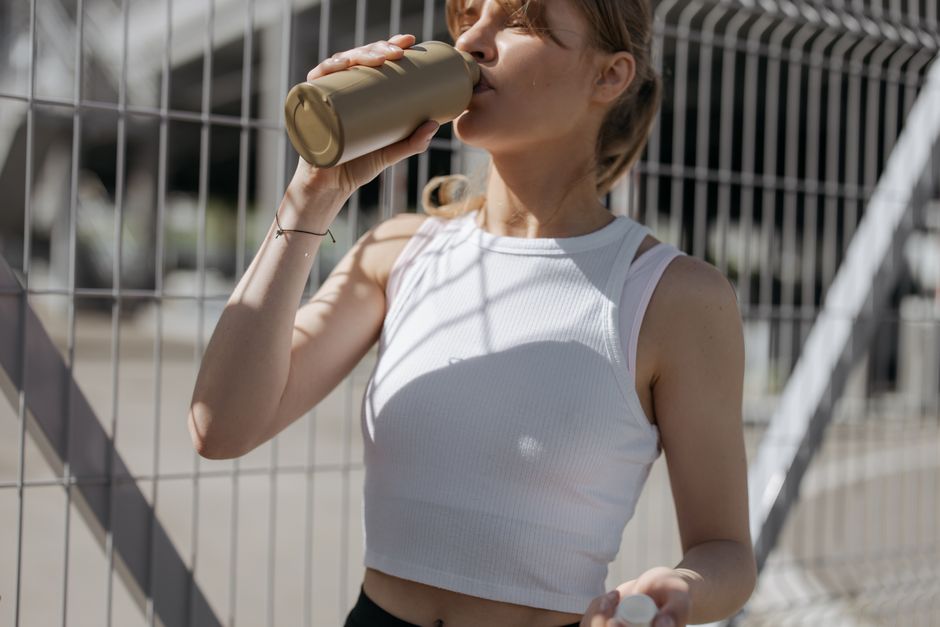
When Hydration for Health and Energy Actually Matters Most
Timing and context shift how much hydration affects you day to day. Here are the situations where being intentional pays off:
- Before and during exercise: Arriving at a workout already hydrated supports performance and reduces fatigue. Sipping water during physical activity helps maintain it, especially in warm conditions. Recovery Days and Active Rest: Why Your Body Needs Breaks as Much as It Needs Workouts includes helpful notes on fluid replenishment during rest periods.
- Morning hydration: After several hours of sleep, a glass or two of water upon waking can support alertness and digestive comfort.
- Before meals: Research suggests drinking water before eating may support a feeling of fullness, which can be useful for mindful eating and portion awareness.
- During heat or illness: Hot weather, fever, vomiting, and diarrhea all raise fluid losses, so increasing intake during these periods is evidence-supported.
For a deeper dive into how timing your water intake affects brain performance and mood throughout the day, Hydration Timing for Mental Clarity and Mood: When and How Much Water Actually Affects Your Brain is worth your time.
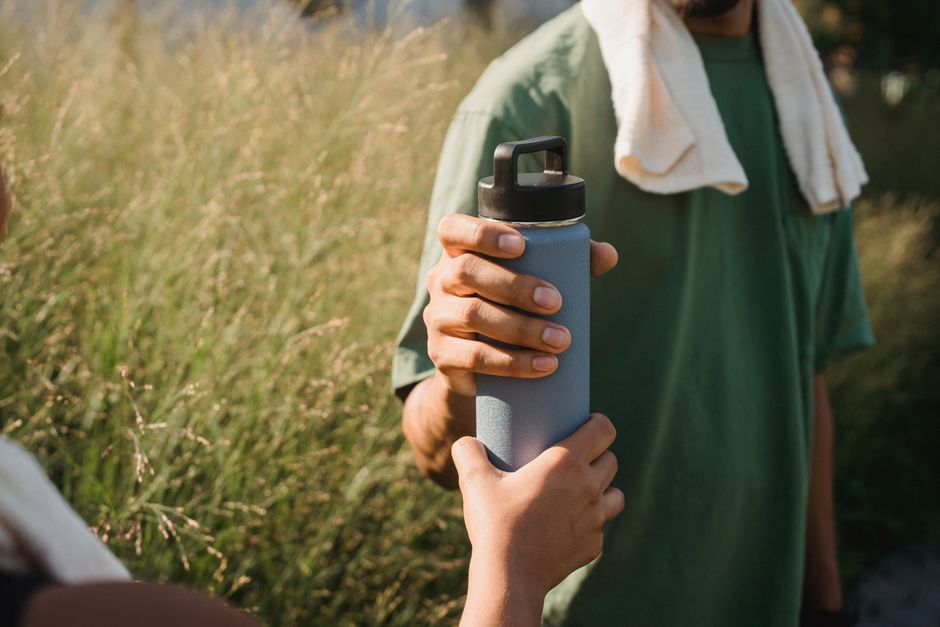
Practical Ways to Stay Well-Hydrated Without Obsessing
You do not need a tracking app or a rigid schedule. These simple habits cover most people’s needs:
- Check your urine color. Pale yellow generally indicates good hydration. Dark yellow or amber suggests you need more fluids.
- Drink a glass of water with each meal. This creates a natural, low-effort rhythm.
- Eat more water-rich foods. Adding fruits, vegetables, soups, and smoothies to your regular meals contributes meaningfully to daily fluid intake. Smoothie Mistakes That Sabotage Your Energy and Satiety: A Guide to Building Balanced Recipes can help you build hydrating, balanced smoothies.
- Keep water visible and accessible. A water bottle on your desk or kitchen counter is one of the simplest behavioral nudges available.
- Adjust for your day. Hot day, long walk, stressful meeting, or intense workout? Drink a bit more. Cool, sedentary day? Your usual intake is likely sufficient.
Frequently Asked Questions
Q: Is sparkling water as hydrating as still water?
A: Yes, research suggests carbonated water hydrates as effectively as still water for most people. If you enjoy it, it counts.
Q: Does drinking water help with weight loss?
A: It may support weight management indirectly by promoting fullness before meals and replacing higher-calorie beverages. It is not a weight-loss tool on its own, but it fits well into a balanced, sustainable eating approach.
Q: Can I rely on sports drinks for hydration?
A: Sports drinks are designed to replace electrolytes during prolonged or intense exercise, not for everyday hydration. For most daily activity, water and food provide adequate fluid and electrolytes without added sugar.
Q: How does hydration affect gut health?
A: Adequate fluid intake supports healthy digestion and regular bowel movements. Dehydration is a common contributor to constipation. Gut Health Myths vs. Evidence: What Research Actually Says About Probiotics, Fiber, and Digestive Wellness covers the broader picture of digestive health.
Q: Do I need to drink more water if I eat a high-protein diet?
A: Protein metabolism produces more nitrogen waste, which your kidneys excrete through urine. Staying well-hydrated is sensible when following a higher-protein eating pattern, though extreme extra intake is generally unnecessary for healthy people.

A Realistic Next Step
Choose one habit from this article and try it consistently for a week. Something as simple as drinking a glass of water with each meal or switching from urine-color guessing to intentional awareness can shift your hydration for health and energy without any pressure to hit an arbitrary number.
If you enjoyed this breakdown, browse more evidence-informed guides on Clean Body Mentor, or join the newsletter for practical weekly wellness ideas delivered simply and without the noise.
This article is for general educational and informational purposes only and is not a substitute for medical advice, diagnosis, or treatment. Health needs vary by individual. Consult a qualified healthcare professional before making significant changes to your diet, exercise routine, supplements, medication, or treatment plan, especially if you have a medical condition, are pregnant or breastfeeding, take medication, or have concerns about your symptoms.