
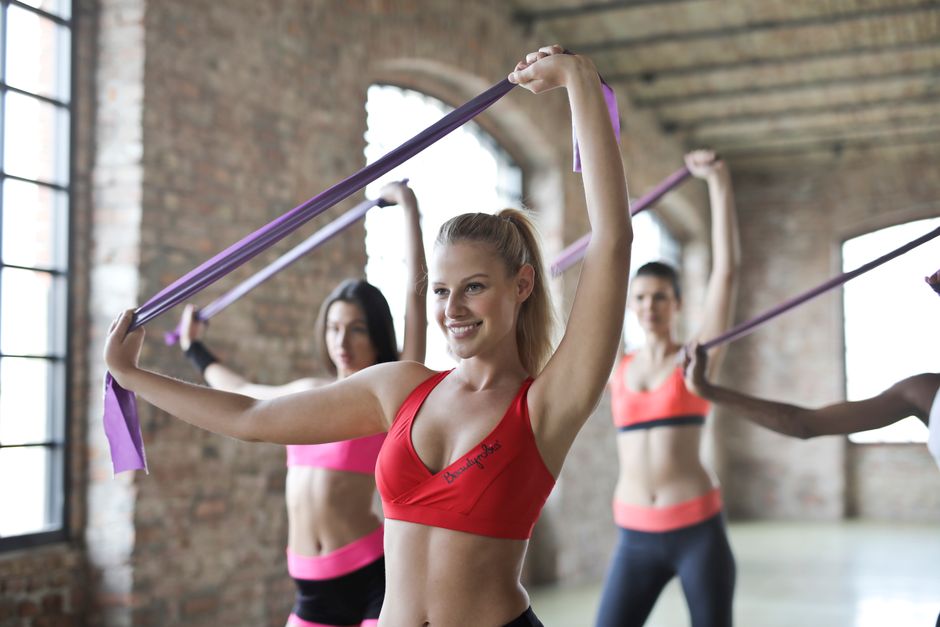
If the thought of stepping into a gym feels overwhelming, or if you simply want a practical, affordable way to get stronger at home, resistance bands might be exactly what you need. A full set of bands costs less than a single month at most gyms, takes up almost no space, and can challenge your muscles just as effectively as free weights when used consistently.
This tutorial walks you through everything you need to start resistance band workouts for beginners at home: how to choose the right bands, how to perform foundational exercises safely, how to structure a simple weekly routine, and how to keep progressing over time.
Why Resistance Bands Actually Work
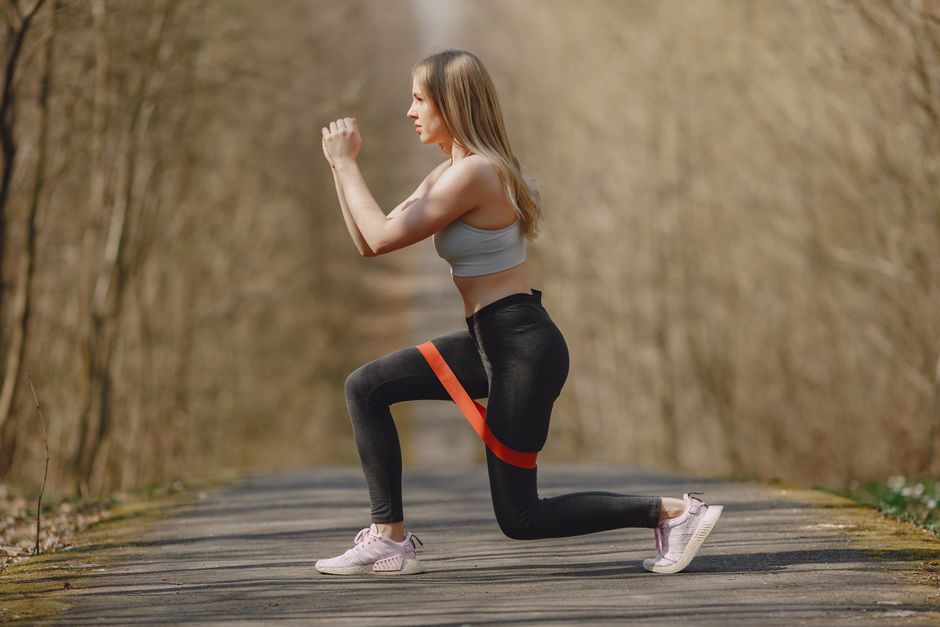
Resistance bands create tension throughout a movement rather than only at its heaviest point, which research suggests may stimulate muscle fibers effectively across a wider range of motion. Unlike dumbbells or barbells, bands are also joint-friendly by nature because the load increases gradually rather than dropping on you all at once.
For beginners, this translates into a few practical benefits:
- Lower injury risk while your joints and connective tissue adapt to training
- Easier to modify exercises for different fitness levels
- Portable enough to use in your living room, backyard, or even a hotel room
- A gentle on-ramp into strength training that builds confidence before moving to heavier equipment
If you are curious how resistance training fits into a broader beginner strength training program, that guide covers the full picture of getting started with no equipment at all.
Choosing the Right Resistance Bands
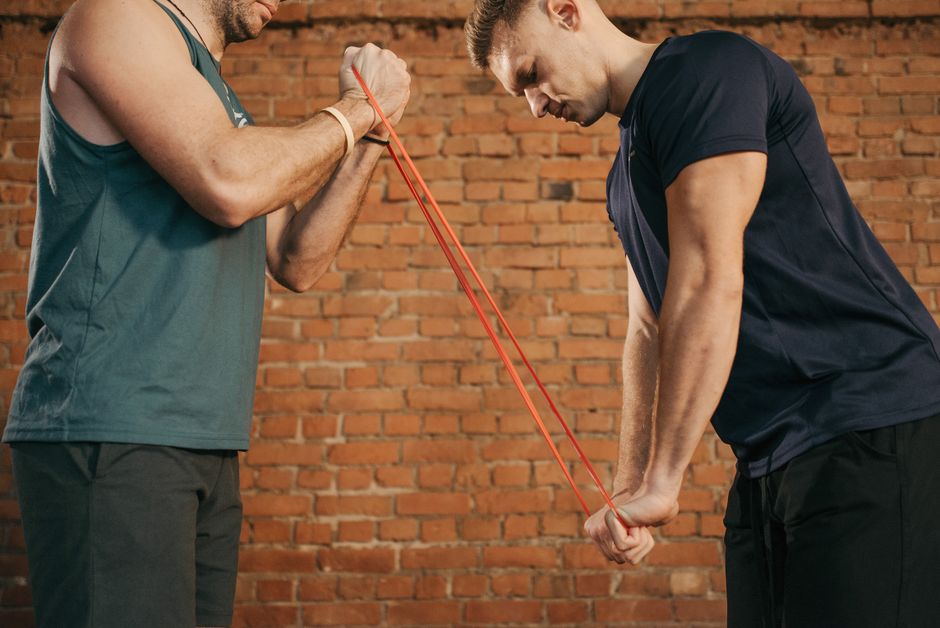
Not all bands are the same. Here is a quick breakdown of the main types you will encounter:
Loop Bands (Mini Bands)
Small, flat loops typically used around the thighs, knees, or ankles. Great for glute activation, lateral walks, and lower-body exercises. Most beginners benefit from a set of three resistance levels: light, medium, and heavy.
Long Loop Bands (Pull-Up Bands)
Larger loops that anchor to a door, post, or your own body. Versatile enough to train the upper body, core, and legs. One or two medium-to-heavy bands cover most beginner exercises.
Tube Bands With Handles
These come with foam or plastic handles and often include a door anchor. They mimic the feel of cable machines and work well for rows, chest presses, and bicep curls.
Beginner recommendation: Start with a set of loop bands in light, medium, and heavy resistance plus one long loop band. A complete set typically costs between $15 and $35 and lasts for years with proper care.
Care tip: Avoid leaving bands in direct sunlight or extreme heat, which can degrade the latex and cause snapping. Inspect bands for tears before each session.
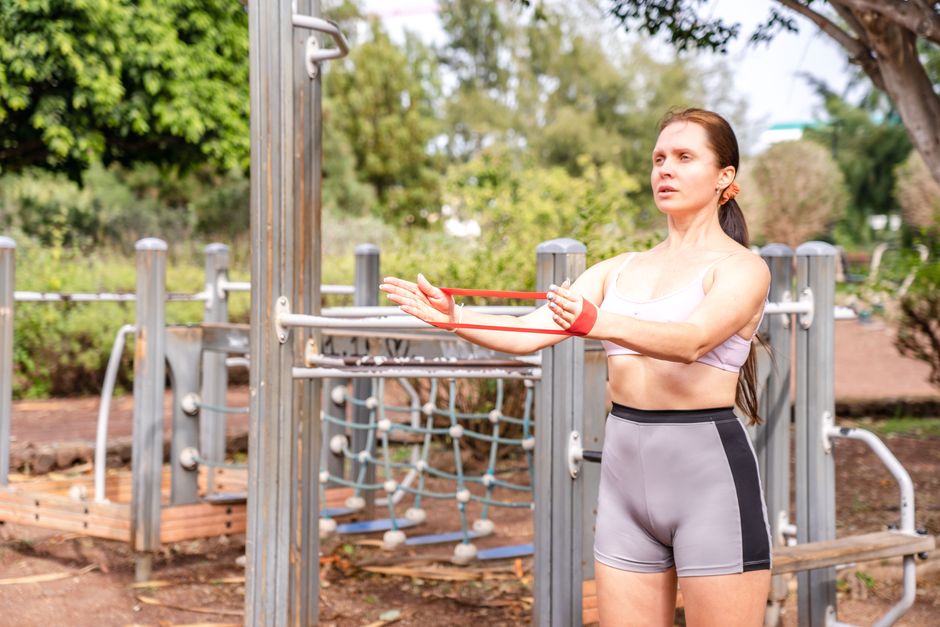
Six Foundational Resistance Band Exercises
The moves below target all the major muscle groups and are manageable for most beginners. Aim for 2 to 3 sets of 10 to 15 repetitions per exercise, resting 45 to 60 seconds between sets.
1. Banded Squat
What it targets: Glutes, quads, hamstrings
Place a medium loop band just above your knees. Stand with feet shoulder-width apart, toes slightly out. Push your hips back and lower until your thighs are roughly parallel to the floor, keeping your chest tall. Drive through your heels to return. The band adds outward tension that activates the glutes more deeply than a bodyweight squat alone.
2. Standing Row
What it targets: Upper back, biceps, rear deltoids
Anchor a long loop band to a door handle or sturdy post at waist height. Hold the band with both hands, step back to create tension, and pull your elbows back while squeezing your shoulder blades together. Slowly return. This is one of the most important exercises beginners often skip, and it counteracts the rounded-shoulder posture that comes from prolonged sitting.
3. Glute Bridge With Band
What it targets: Glutes, hamstrings, core
Place a loop band just above your knees. Lie on your back with knees bent and feet flat on the floor. Press your knees outward against the band, then drive your hips up until your body forms a straight line from shoulders to knees. Hold briefly at the top, then lower slowly.
4. Banded Push-Up
What it targets: Chest, triceps, shoulders
Loop a long band across your upper back and hold each end under your palms as you set up in a push-up position. The band adds resistance on the way up, making the top of the movement harder. Start on your knees if a full push-up is not yet comfortable.
5. Lateral Band Walk
What it targets: Hip abductors, glutes, outer thighs
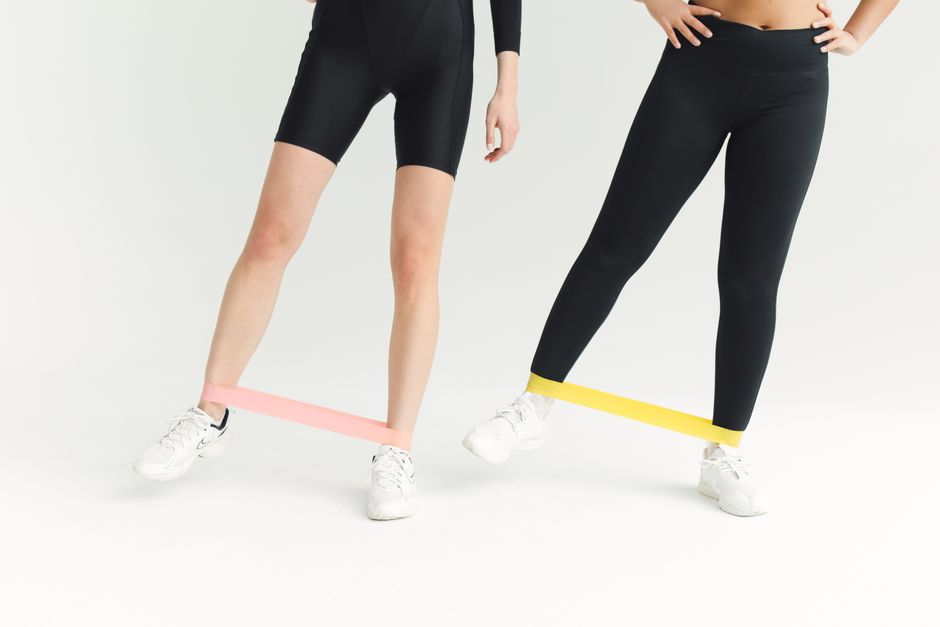
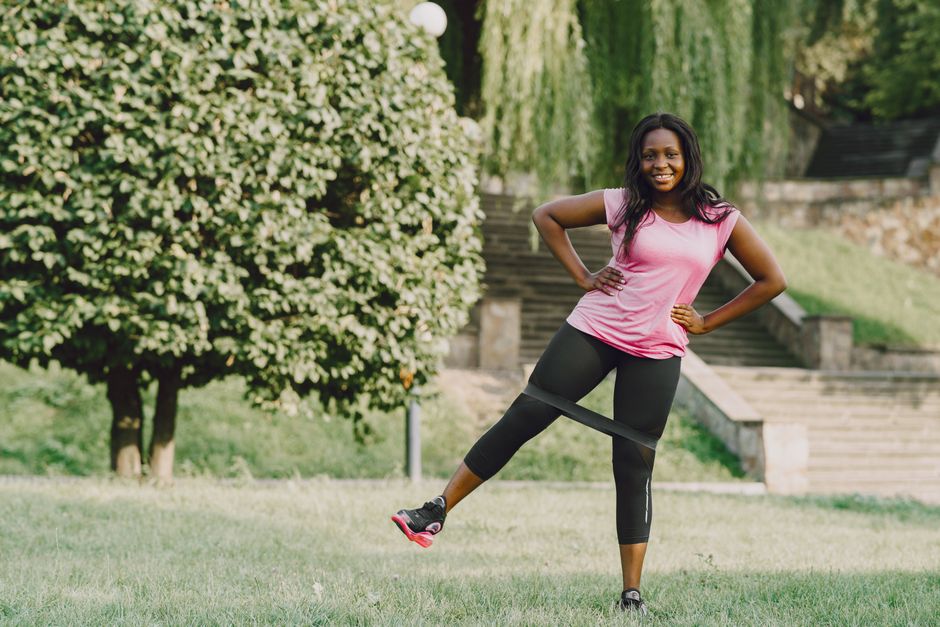
Place a light or medium loop band just above your ankles. Stand with feet hip-width apart, slight bend in the knees. Step side to side for 10 steps in each direction while keeping tension in the band throughout. This builds hip stability that supports nearly every other lower-body movement.
6. Overhead Press
What it targets: Shoulders, upper traps, triceps
Stand on the center of a long loop band, feet hip-width apart. Hold both sides of the band at shoulder height with palms facing forward. Press upward until your arms are almost fully extended, then lower with control. Avoid shrugging your shoulders toward your ears.
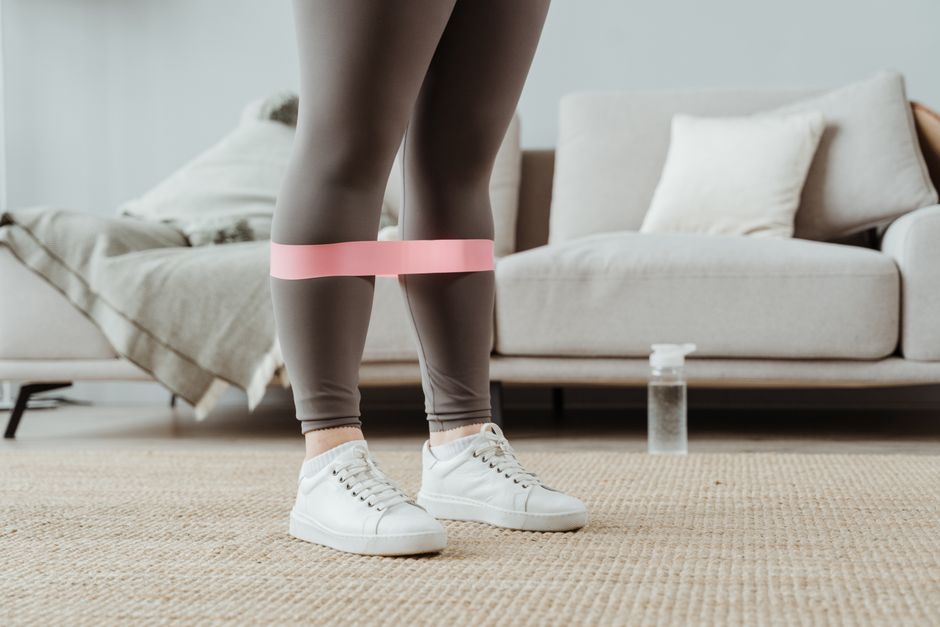
A Simple Beginner Weekly Schedule
Consistency matters more than intensity at this stage. Two to three sessions per week with at least one rest day between each session gives your muscles time to recover and adapt.
| Day | Focus |
|---|---|
| Monday | Full-body circuit (all 6 exercises) |
| Wednesday | Lower body emphasis + core |
| Friday | Upper body emphasis + full-body finish |
| Tuesday, Thursday, Saturday, Sunday | Rest, walking, or light stretching |
For ideas on combining resistance training with walking and other low-intensity movement, see Walking vs. Strength Training for Fat Loss: Which Matters More and How to Use Both. Recovery matters just as much as the workouts themselves, and Recovery Days and Active Rest: Why Your Body Needs Breaks as Much as It Needs Workouts explains exactly how to structure downtime without losing momentum.

How to Progress Over Time
Beginners often plateau because they keep using the same band at the same resistance. Here are three ways to keep progressing:
- Increase band resistance. When 15 repetitions feel easy for two consecutive sessions, move to a heavier band.
- Slow the tempo. Lowering for 3 to 4 seconds (the eccentric phase) increases time under tension without needing heavier resistance.
- Add volume gradually. Add a fourth set before adding more exercises or sessions.
When you feel ready to add more variety and structure, Building a Sustainable Strength Training Routine at Home maps out how to progress from bodyweight and bands toward basic equipment over several months.
Supporting Your Workouts With Nutrition
Strength training creates the stimulus for muscle growth, but adequate protein and overall calorie intake support the recovery process. Research suggests that spreading protein intake across three to four meals throughout the day may support muscle protein synthesis better than consuming it all at once.
You do not need to overhaul your entire diet to see results. Focusing on nutrient-dense whole foods, staying hydrated, and eating enough to fuel your activity is a strong starting point. For deeper guidance, Protein Quality and Muscle Building breaks down what types of protein may be most effective for people training at home.

Common Beginner Mistakes to Avoid
- Using too heavy a band too soon. Poor form under high resistance increases injury risk. Start lighter and nail the movement pattern first.
- Rushing through repetitions. Controlled, deliberate movement creates more muscle tension than fast, bouncy reps.
- Skipping upper back work. Most beginners gravitate toward pushing movements and neglect rows, which leads to postural imbalances over time.
- Not anchoring bands securely. Always double-check that anchors are stable before pulling against them with full effort.
- Skipping warm-up. Five minutes of light movement (arm circles, leg swings, a short walk) prepares your joints and raises muscle temperature before loading.
Frequently Asked Questions
Can resistance band workouts actually build muscle, or are they just for toning?
Resistance bands can build real muscle when you apply progressive overload, meaning you gradually increase resistance or volume over time. Research on elastic resistance training suggests it produces comparable strength and muscle gains to free-weight training for beginners and intermediate exercisers.
How many days per week should a beginner train with resistance bands?
Two to three days per week is sufficient and sustainable for most beginners. More is not always better; your muscles rebuild and grow during rest, not during the workout itself.
Do I need multiple bands, or will one work?
One medium-resistance band is enough to get started. Over time, having light, medium, and heavy options lets you match resistance to different muscle groups and exercise types more precisely.
Are resistance bands safe for people with joint pain or injuries?
Bands are often gentler on joints than free weights, but this depends on the type and severity of any existing condition. If you have a diagnosed injury or chronic joint pain, consult a qualified healthcare professional or physical therapist before starting any new exercise program.
What if I cannot feel the targeted muscle working?
This is a common beginner experience. Slowing the movement down, reducing the resistance slightly, and consciously thinking about the target muscle during the exercise (a technique researchers call the mind-muscle connection) can improve activation over time.
Your Next Step
Choose one exercise from this guide and practice it with correct form for the next three sessions before adding more. Small, consistent actions compound into real results over weeks and months. When you are ready to build on this foundation, explore Strength Training for Functional Mobility to learn how strength training translates into better everyday movement capacity. You can also sign up for the Clean Body Mentor newsletter for practical weekly wellness guidance delivered straight to your inbox.
This article is for general educational and informational purposes only and is not a substitute for medical advice, diagnosis, or treatment. Health needs vary by individual. Consult a qualified healthcare professional before making significant changes to your diet, exercise routine, supplements, medication, or treatment plan, especially if you have a medical condition, are pregnant or breastfeeding, take medication, or have concerns about your symptoms.