
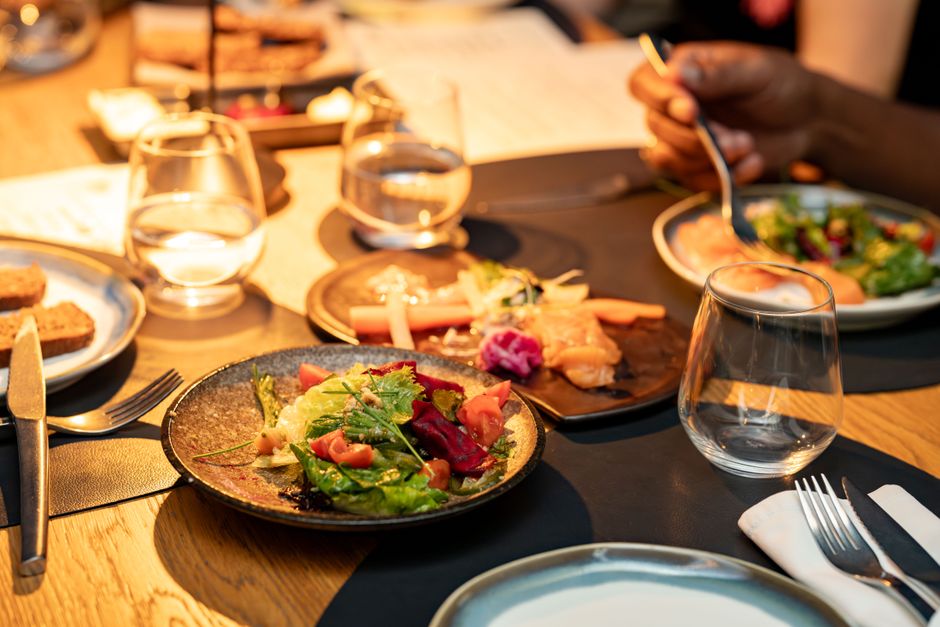
You’ve been cooking more at home, building solid habits, and feeling good about your progress. Then a dinner invitation arrives, and suddenly the question creeps in: will one restaurant meal undo everything you’ve worked for?
The short answer is no. A single meal rarely makes or breaks long-term progress. What matters far more is what you do consistently over time. Eating out can absolutely fit into a balanced, sustainable approach to nutrition, and this guide shows you exactly how to make it work without obsessing over every bite or skipping the foods you enjoy.
Why Restaurant Meals Feel Tricky (And Why They Don’t Have to Be)
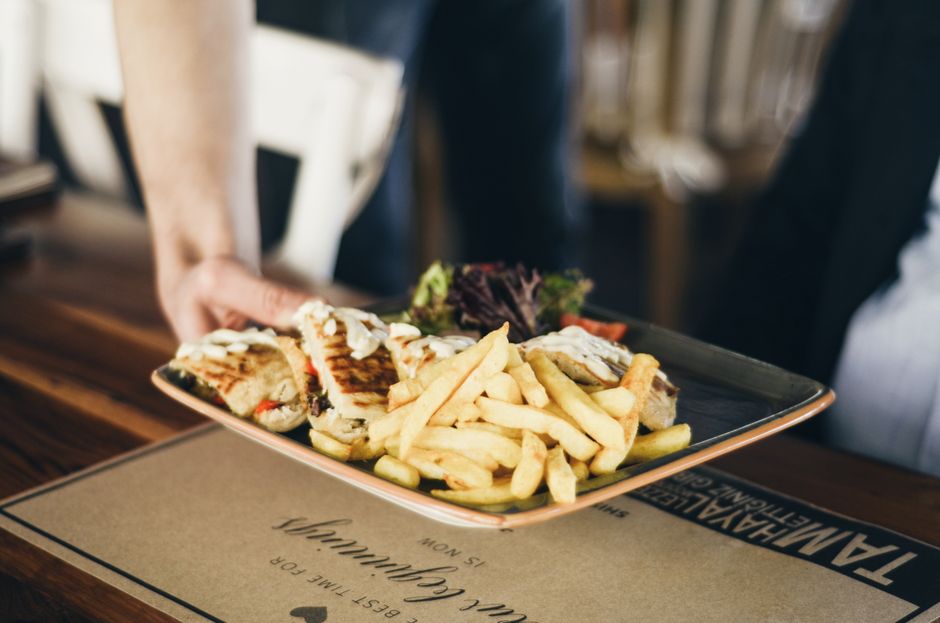
Restaurant portions tend to be larger than home-cooked servings, and menus often feature dishes high in sodium, refined carbs, and added fats. That combination can make eating out feel like a nutritional minefield, especially if you’re managing your weight or working toward specific body composition goals.
But here’s the thing: context matters. If most of your meals come from nutrient-dense whole foods, one restaurant outing is a small fraction of your weekly intake. Research suggests that overall dietary patterns, not individual meals, are the stronger predictor of long-term health outcomes. Approaching each restaurant visit with a clear, flexible plan removes the anxiety and keeps you on track without restriction.
If you’re working on building a more intuitive and calm relationship with food, the principles in Mindful Eating Without Restriction: How to Build a Calmer, More Intuitive Relationship with Food apply beautifully to dining out as well.
Before You Arrive: Simple Steps That Make a Real Difference
Look at the Menu Ahead of Time
Most restaurants post their menus online. Spending three minutes reviewing options before you arrive removes the pressure of deciding under social stress. You can spot dishes that naturally include protein, vegetables, and fiber, and you’ll feel less tempted by impulsive choices when you already have a loose plan.
Eat a Small Protein-Rich Snack Beforehand
Arriving ravenous at a restaurant is one of the most reliable ways to overeat. A small snack like a handful of nuts, a boiled egg, or some Greek yogurt about an hour before your reservation can stabilize your appetite without spoiling your meal. For more ideas, check out High-Protein Snacks and Light Meals for Sustained Energy Between Meals: Real Options Beyond Bars and Shakes.
Set a Flexible Intention
Rather than setting strict rules, set a simple intention: aim for a meal that includes a lean protein source, plenty of vegetables, and a manageable portion of carbohydrates. This gives you a framework without turning dinner into a negotiation.
Navigating the Menu: What to Actually Order
Build Your Plate Around Protein and Vegetables
Whichever cuisine you’re eating, look for dishes anchored by a protein source (chicken, fish, legumes, tofu, lean beef) alongside a vegetable side or salad. Protein supports satiety, helps preserve muscle during weight management, and tends to anchor meals in a way that keeps hunger stable afterward.
Understanding how food order affects hunger and blood sugar may also help. Protein Sequencing: Why the Order You Eat Carbs and Protein Matters for Blood Sugar and Hunger explains how eating protein and vegetables before starchy carbs can influence how full and steady you feel.
Choose Cooking Methods Wisely
Grilled, baked, steamed, roasted, and broiled preparations are generally lower in added fat than fried, battered, or heavily sauteed options. That said, if a fried dish is the reason you chose that restaurant, enjoy it. The goal is awareness, not avoidance.
Modify Freely Without Apologizing
Most restaurants are happy to accommodate reasonable requests. You can ask for dressings and sauces on the side, request extra vegetables instead of a starchy side, or ask whether a dish can be grilled rather than fried. These adjustments are small but meaningful over time. Be specific and polite, not apologetic.
Watch the Extras That Add Up Quietly
Bread baskets, shared appetizers, sugary cocktails, and large desserts are where significant extra calories often hide. None of these things are forbidden, but being conscious of them helps you decide what you actually want versus what’s just there by default. If the bread is exceptional, enjoy a piece. If it’s average, you can skip it without missing much.
Strategies for Specific Restaurant Types
Italian: Ask for pasta sauces on the side, choose tomato-based over cream-based sauces when you prefer a lighter option, and consider fish or chicken mains with a salad.
Mexican: Bowls tend to be easier to control than burritos. Load up on beans, grilled protein, salsa, and vegetables. Request guacamole in moderation (it’s nutritious but calorie-dense), and be mindful of large portions of sour cream or cheese.
Asian cuisines: Steamed or stir-fried dishes, miso soup, and edamame make solid choices. Soy sauce is high in sodium, which can cause temporary water retention but is not harmful for most people in occasional amounts.
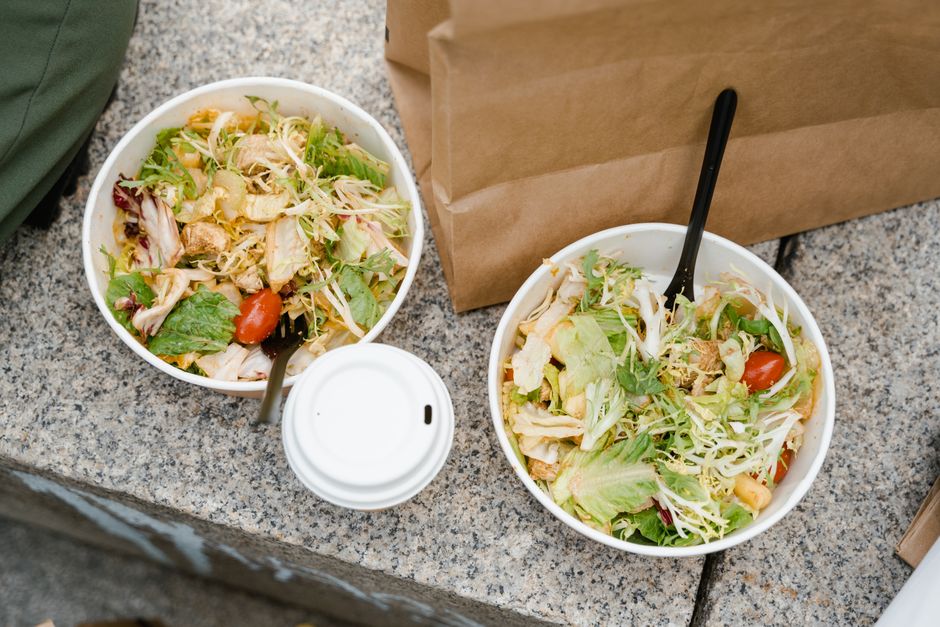
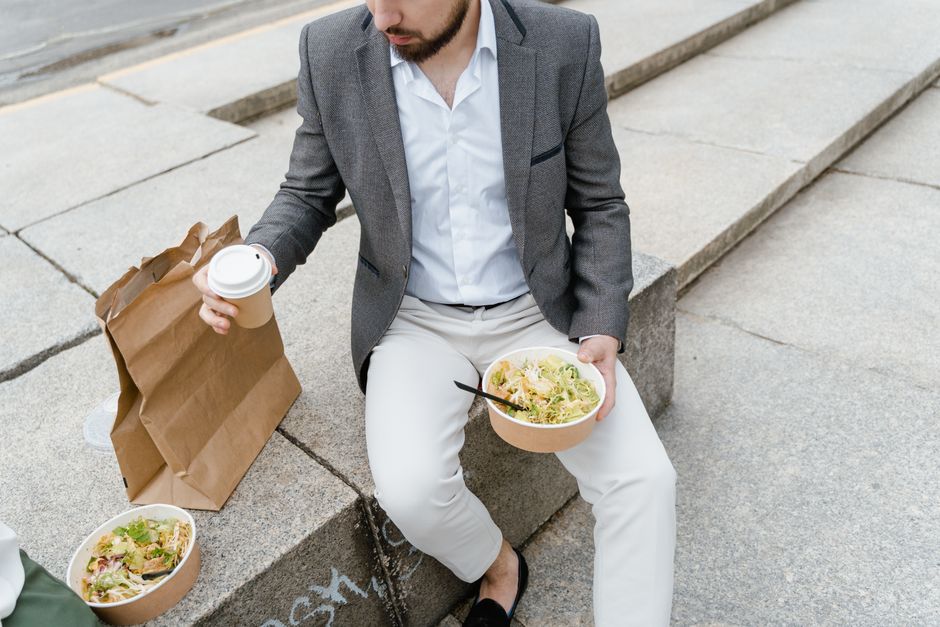
Fast casual: Many fast casual chains now provide solid nutrient-dense options. Grain bowls, salads with added protein, and wraps with vegetables are widely available. The calorie information is usually posted, which can help if you find that information useful.
Managing Portions Without Measuring Anything
You don’t need a food scale at the dinner table. A few practical visual cues work well in practice:
- A portion of protein is roughly the size of your palm.
- A reasonable carbohydrate serving is about the size of your closed fist.
- Vegetables can fill half your plate without concern.
If portions look large, consider boxing half your meal before you start eating rather than trying to stop midway. Many people find this easier than relying on fullness cues in a socially stimulating environment.
Practicing Mindful Eating Without Calorie Counting: Building Awareness and Balance at Every Meal can help you tune into true hunger and fullness signals over time, making restaurant meals much less stressful.
Common Mistakes to Avoid
Overcompensating afterward. Skipping meals the next day or doing an intense workout to “make up” for a restaurant meal creates an unhealthy cycle. Just return to your usual habits at the next meal.
All-or-nothing thinking. One rich meal is not a failure. If you struggle with emotional eating patterns around dining out, Emotional Eating vs. Physical Hunger: How to Tell the Difference and Respond With Compassion may be a helpful read.
Ignoring hydration. Restaurant meals are often high in sodium. Drinking water before and during your meal supports digestion and helps with the mild bloating that can follow a saltier-than-usual dinner.
Treating every outing as a special occasion. If you eat out frequently, applying at least some of these strategies most of the time will have a far greater effect than occasional perfectionism.

Frequently Asked Questions
Can I eat out regularly and still lose weight or manage my body composition?
Yes, with some awareness and flexible structure. Sustainable fat loss depends on your overall eating pattern across days and weeks, not any single meal. Frequent dining out becomes manageable when you apply consistent strategies rather than hoping for the best each time.
Should I avoid alcohol entirely when eating out?
Alcohol is calorie-dense and can lower your food decision-making sharpness. If you choose to drink, one or two light drinks alongside food is a reasonable approach for most adults. Whether or not to include alcohol is a personal decision that can fit into a balanced lifestyle.
What if I have no good options at the restaurant I’m going to?
Even at challenging menus, you can usually find a protein source, ask for vegetables as a side, and control portion size. In rare situations where the food is genuinely limited, eat what feels best and return to your usual routine at the next meal without stress.
Is it okay to eat the dessert?
Absolutely, if you want it. Choosing to share a dessert, have a small portion, or skip it entirely should all be comfortable choices depending on your appetite and preference, not guilt.
How do I handle social pressure to overeat at group dinners?
A simple phrase like “I’m keeping it lighter tonight” or “I’m already full, thanks” is enough. You don’t owe anyone an explanation of your health goals, and a genuine smile while declining a second helping tends to end conversations quickly.
This article is for general educational and informational purposes only and is not a substitute for medical advice, diagnosis, or treatment. Health needs vary by individual. Consult a qualified healthcare professional before making significant changes to your diet, exercise routine, supplements, medication, or treatment plan, especially if you have a medical condition, are pregnant or breastfeeding, take medication, or have concerns about your symptoms.
One Small Step to Start
Choose one strategy from this article and practice it at your next restaurant meal. Maybe it’s looking at the menu before you go, ordering a protein-anchored dish, or boxing half your plate. Small consistent actions build lasting habits far more reliably than trying to overhaul everything at once.
If you’re also working on building more supportive eating rhythms at home, Eating for Stable Energy: Nutrient Combinations That Keep You Full and Focused All Day is a great next read. And if you’d like practical wellness guidance delivered each week, the Clean Body Mentor newsletter is a friendly place to stay inspired without the pressure.
You’ve got this. Dining out is part of a full, joyful life, and there’s absolutely room for it alongside your health goals.