
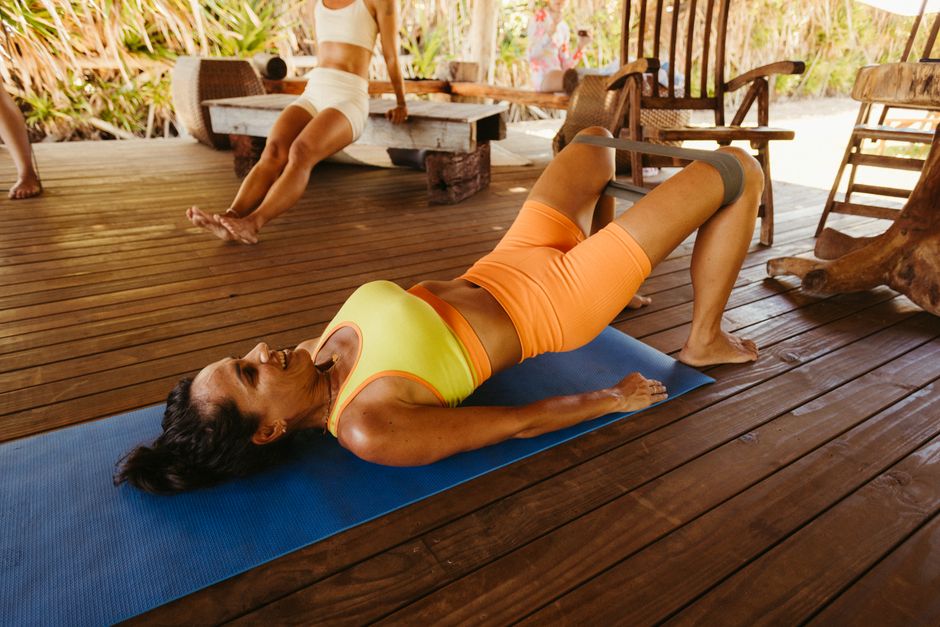
Most people picture strength training as a pursuit for aesthetics: bigger arms, a flatter stomach, a mirror-ready physique. But there is a more practical reason to train, one that pays off every single day. Functional strength training at home helps you move better in real life, whether you are carrying heavy grocery bags up a flight of stairs, playing tag with your kids, or simply getting up from the floor without grabbing the furniture for support.
This guide focuses on building movement capacity rather than just muscle size. You will learn which movement patterns matter most, how to start safely as a beginner, and how to progress your routine so it keeps delivering results over time.
What Functional Strength Training Actually Means
Functional training is not a specific exercise or program. It is a philosophy: train movement patterns your body uses in daily life rather than isolating muscles in a single plane. Think squatting to pick something up, hinging to lift a box, pressing overhead to reach a high shelf, and carrying a load while staying balanced.
Research in exercise science consistently supports the value of compound, multi-joint movements for improving how the body coordinates strength, stability, and mobility together. When these patterns become stronger, everyday tasks feel easier, injury risk may decrease, and you tend to stay more independent as you age.
If you are brand new to home-based training, the Strength Training for Beginners at Home: Build Confidence and Lean Muscle Without Equipment or a Gym guide is a helpful starting point before layering in the functional mobility focus here.
The Six Movement Patterns Worth Prioritizing
A well-rounded functional strength routine covers six foundational patterns. You do not need a gym or equipment to train all of them.
1. Squat
The squat mirrors sitting and standing, picking things up from low surfaces, and working at floor level. Bodyweight squats, goblet squats with a water jug, or split squats all build functional lower-body strength.
2. Hip Hinge
Hinging at the hips, not rounding the lower back, is how your body should lift objects from the ground. Single-leg Romanian deadlifts using a backpack or no weight at all train this pattern safely.
3. Push
Pushing movements develop the chest, shoulders, and triceps. Push-ups in any variation, wall push-ups for beginners, or incline push-ups using a couch edge all count.
4. Pull
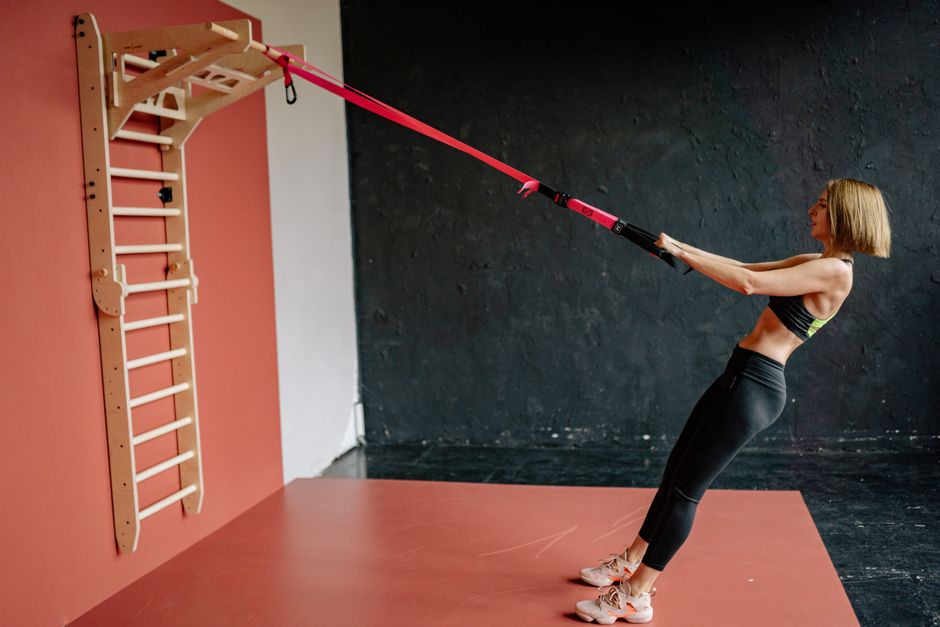
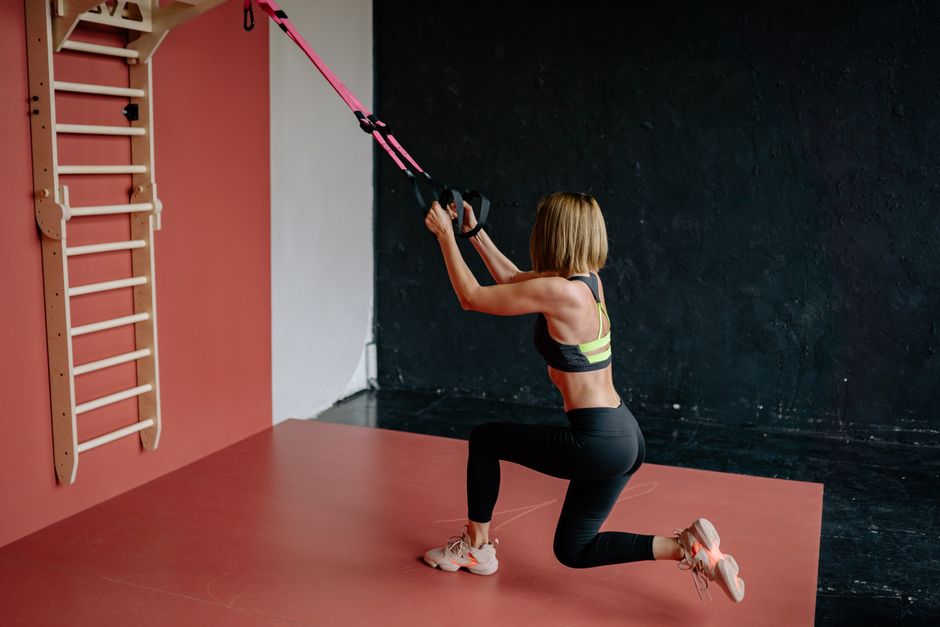
Pulling strengthens the back and biceps, muscles that counteract the forward rounding most people develop from sitting. A resistance band anchored in a door works well here. See the Resistance Band Workouts for Beginners at Home guide for specific band exercises.
5. Carry
Carrying a load while walking, like groceries, a laundry basket, or a child, challenges your grip, core, and posture together. Farmer carries using filled water bottles or bags are underrated functional exercises.
6. Core Anti-Rotation and Stability
Your core’s job in real life is to resist unwanted movement, not just to flex for crunches. Planks, dead bugs, and bird dogs teach the trunk to stabilize under load.
Building Your Home Functional Training Routine
You do not need a complex program. A simple, consistent structure works well for most beginners and intermediates.
Start With Two to Three Sessions Per Week
Two to three sessions per week is enough to make meaningful progress while allowing adequate recovery. If you want guidance on recovery between sessions, the Active Rest Recovery vs. Complete Rest Days article explains when movement helps and when rest serves you better.
A basic session structure might look like this:
- 5 minutes of gentle movement to warm up (leg swings, hip circles, arm rolls)
- 3 to 4 compound exercises covering multiple patterns above
- 2 to 3 sets of 8 to 15 repetitions per exercise
- Rest 60 to 90 seconds between sets
- 5 minutes of cool-down stretching
Sample Beginner Session (No Equipment)
- Bodyweight squat: 3 sets of 10
- Push-up (any variation): 3 sets of 8 to 12
- Single-leg deadlift (bodyweight): 2 sets of 8 per side
- Dead bug: 2 sets of 6 per side
- Farmer carry (filled water bottles): 3 walks of 20 steps
This covers squat, push, hinge, core stability, and carry in under 30 minutes.
Progress Gradually
The body adapts to what you consistently ask of it. To keep improving, gradually increase the challenge every one to two weeks. You can:
- Add one more set
- Slow down the lowering phase of each rep (eccentric tempo)
- Increase the load by using a heavier bag or adding a resistance band
- Progress to a harder variation, such as moving from a wall push-up to a knee push-up to a full push-up
For a structured progression approach, the Building a Sustainable Strength Training Routine at Home guide walks through bodyweight-to-equipment progression in detail.
Adding Mobility Work Alongside Strength
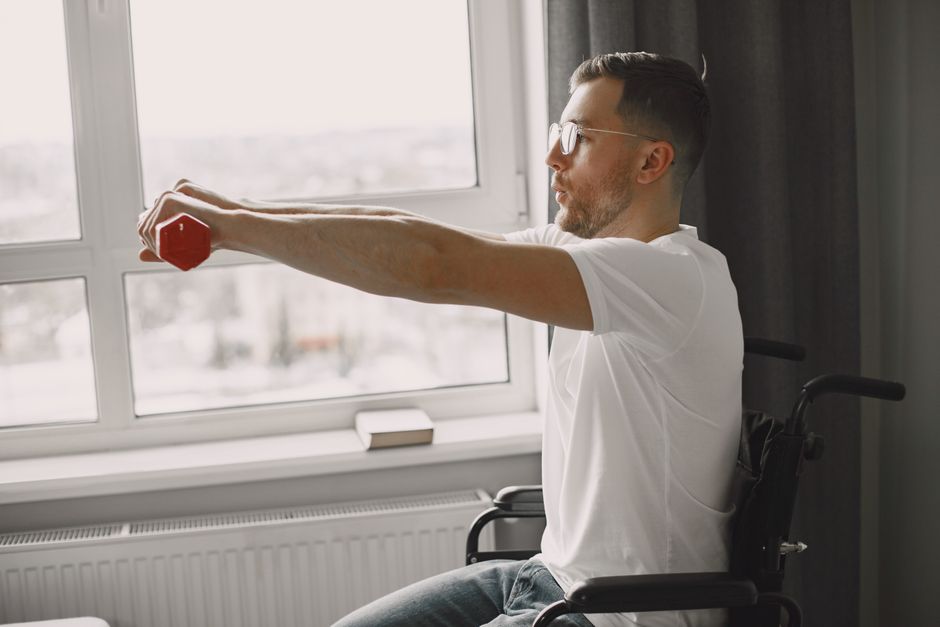
Strength and mobility are not opposites. Training through a full range of motion builds both at the same time. A deep bodyweight squat that you control, for example, builds quad and glute strength while also improving hip and ankle mobility.
If you spend significant time sitting, short mobility sessions on rest days can help reverse the stiffness that accumulates. The Mobility Routines for Office Workers article has a practical 10-minute daily routine worth bookmarking.
For readers over 40, building bone density alongside mobility is an important consideration. The Building Bone Strength and Density at Home guide covers weight-bearing exercises that support long-term skeletal health.
Common Mistakes to Avoid
Skipping the warm-up. Cold muscles and joints move less freely and are more prone to strain. Even five minutes of gentle movement makes a meaningful difference.
Prioritizing weight over form. Functional training is about quality of movement first. A controlled bodyweight squat to full depth is more beneficial than a loaded squat with a collapsed knee.
Ignoring unilateral work. Real life rarely loads both sides evenly. Exercises like single-leg deadlifts and split squats expose and correct strength imbalances that bilateral exercises can mask.
Neglecting recovery. Muscles adapt during rest, not during the workout itself. Consistent sleep and adequate protein intake both support this process. If you want to understand protein’s role better, the Protein Quality and Muscle Building guide is a useful companion read.
Doing the same routine for months. Repeating the same exercises at the same intensity stops producing improvement. Build in small progressions regularly.
A Note on Safety and When to Seek Professional Guidance
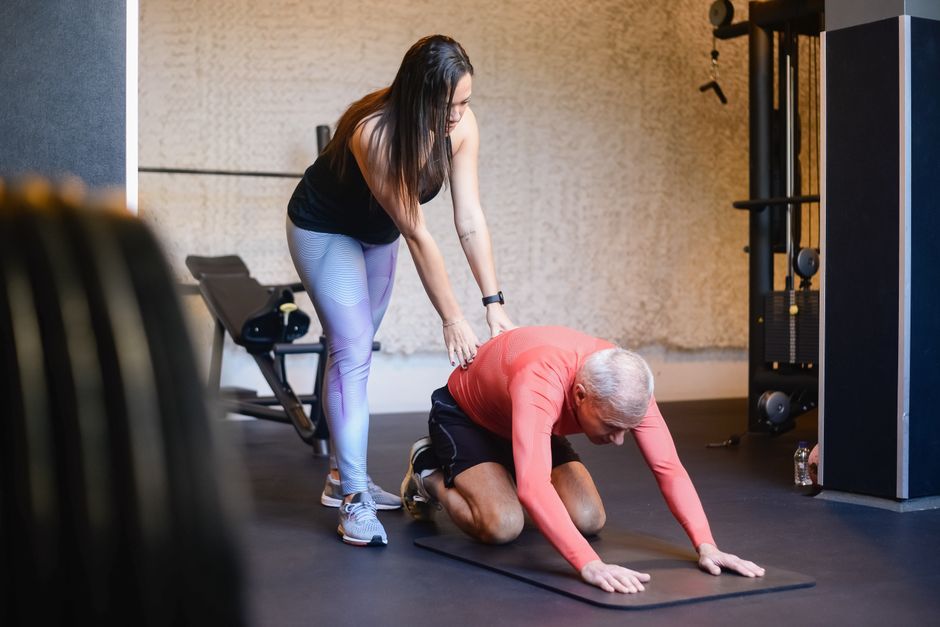
Functional strength training is generally appropriate for most healthy adults, but individual circumstances vary. If you have an existing joint condition, injury history, osteoporosis, or cardiovascular concern, consult a qualified healthcare professional before beginning a new exercise program. A certified personal trainer or physical therapist can assess your movement patterns and guide appropriate modifications.
Begin conservatively. It is far better to start with easier variations and build confidence over weeks than to push through pain in the first session.
Frequently Asked Questions
Do I really need equipment for functional strength training at home?
No. Your bodyweight provides enough resistance to learn and practice all six foundational movement patterns. Household items like filled water bottles, a backpack, or a resistance band can add challenge when you are ready, but they are not necessary at the start.
How long before I notice results?
Most people notice improved ease of movement and reduced stiffness within three to four weeks of consistent training. Visible muscle changes take longer, typically six to twelve weeks or more, depending on training consistency, sleep, and nutrition.
Is functional training suitable for older adults?
Yes, and research suggests it may be particularly beneficial for healthy aging. It supports balance, coordination, and fall prevention. For women over 40 specifically, the Strength Training for Women Over 40 guide addresses muscle and bone density considerations in more depth.
How is functional training different from regular exercise?
Conventional gym training often isolates muscles using machines. Functional training emphasizes compound patterns that mimic real-world demands, training multiple muscle groups and joints to work together. Both have value, but functional training prioritizes movement quality for daily life.
What if I only have 20 minutes?
Twenty minutes is enough. Choose two or three compound exercises covering different movement patterns, complete two to three sets each, and keep rest periods brief. Consistency over time matters more than session length.
This article is for general educational and informational purposes only and is not a substitute for medical advice, diagnosis, or treatment. Health needs vary by individual. Consult a qualified healthcare professional before making significant changes to your diet, exercise routine, supplements, medication, or treatment plan, especially if you have a medical condition, are pregnant or breastfeeding, take medication, or have concerns about your symptoms.
Your Next Step
Choose one movement pattern from this guide and practice it consistently for the next two weeks. Even three sets of squats or push-ups every other day builds a foundation you can expand on. When you are ready to explore a more structured program, the Building a Home Strength Routine as a Busy Parent guide shows how real people fit functional training into full schedules without sacrificing quality.
For practical weekly wellness guidance, consider joining the Clean Body Mentor newsletter, where actionable tips on movement, nutrition, and sustainable habits arrive in a format you can actually use.