
Family life moves fast. Between school pickups, work deadlines, meals, and homework, it can feel nearly impossible to prioritize anyone’s well-being—let alone everyone’s at once. Yet research consistently suggests that families who build shared healthy routines tend to stick with them longer than individuals trying to go it alone. When wellness is woven into daily family life rather than treated as a personal project, it becomes a culture instead of a chore.
This guide walks you through how to assess where your family stands right now, then build a flexible, age-appropriate wellness plan that covers movement, nutrition, sleep, and emotional health. You don’t need to overhaul everything at once. Small, consistent steps practiced together are what create lasting change.
Affiliate disclosure: Clean Body Mentor may earn a commission from qualifying purchases made through links in this article, at no additional cost to you. Recommendations are selected for relevance and usefulness, and compensation does not determine our editorial conclusions.
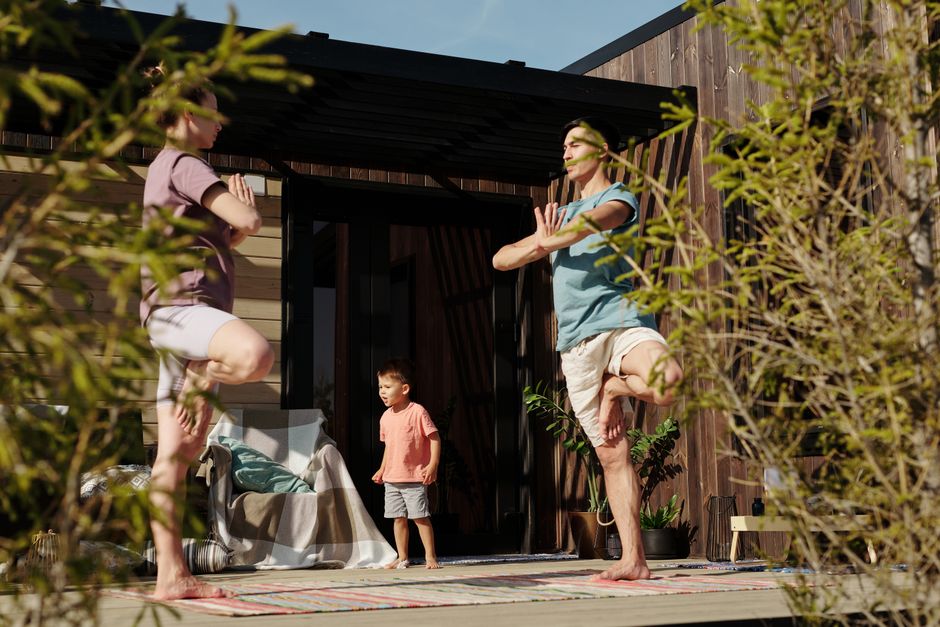
Why a Shared Family Wellness Approach Works
Whole-person wellness isn’t just an individual pursuit—it thrives in community. For families, this matters in a particularly powerful way. Children learn health behaviors primarily by watching and participating alongside the adults in their lives. When parents model balanced eating, regular movement, and healthy sleep habits, those behaviors become familiar, normal, and approachable for kids.
A shared approach also reduces the pressure on any one person to “figure it out alone.” Parents benefit from accountability, children build emotional security through routine, and everyone is more likely to stay consistent when the whole household is moving in the same direction. Family wellness and healthy habits, when built together, reinforce each other across all ages.
Of course, family structures vary enormously. Whether you’re a two-parent household, a single caregiver, a multigenerational family, or a blended family, the core principles in this guide can be adapted to fit your circumstances, schedule, and budget.

Step 1: Assess Your Family’s Current Habits
Before building anything new, take an honest, nonjudgmental look at what’s already happening in your household. Think of this as gathering information, not grading yourself.
Questions to help you take stock
- Movement: How often does each family member get physical activity during a typical week? Does it happen intentionally or mostly by chance?
- Nutrition: What does a typical day of eating look like? Are meals mostly home-cooked, mostly convenience foods, or a mix? How often does the family eat together?
- Sleep: Are children and adults getting age-appropriate amounts of sleep most nights? Are bedtimes consistent?
- Emotional well-being: Does the family have time to connect meaningfully—talking, laughing, or simply being together without screens? Are big feelings handled with calm support?
- Stress: What are the main sources of stress for different family members, and what coping strategies are already in use?
You might find that your family is already doing well in some areas and needs more support in others. That’s completely normal. The goal isn’t perfection—it’s identifying two or three realistic starting points.
A simple family wellness snapshot
Consider sitting down together (older kids can participate in this) and rating each wellness area from 1–5: movement, food, sleep, emotional connection, and stress management. This creates shared ownership and helps everyone feel heard from the start.
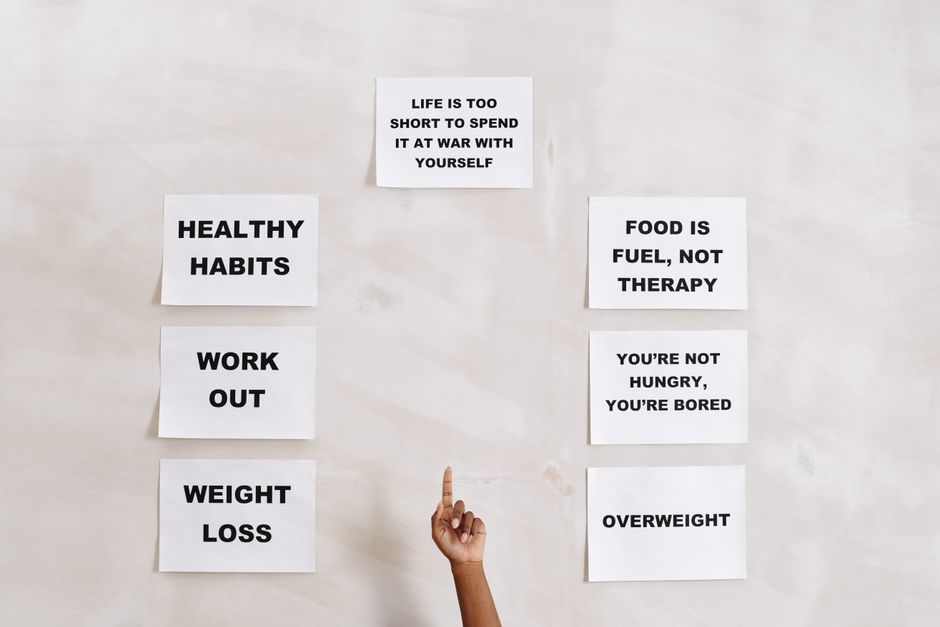
Step 2: Set Realistic, Age-Appropriate Goals
One of the most common mistakes families make when starting a wellness plan is setting goals that are too ambitious or that treat every family member the same way. A five-year-old’s needs are genuinely different from a fourteen-year-old’s, and both differ from an adult caregiver’s.
Age-appropriate considerations
Toddlers and preschoolers (ages 1–5):
At this stage, healthy habits are built primarily through routine and sensory exploration. Offer a variety of colorful, nutrient-dense foods without pressure. Protect consistent nap and bedtime schedules. Encourage unstructured active play—this is their natural form of movement. Keep emotional connection simple: physical affection, calm voices, and predictable routines.
School-age children (ages 6–12):
Children at this stage can start to understand why wellness habits matter. Involve them in simple meal prep, let them choose between two healthy options at snack time, and find physical activities they genuinely enjoy rather than mandating a specific sport. Sleep is still critical at this age—research suggests 9–12 hours for most school-age children supports attention, mood, and immune health.
Teens (ages 13–18):
Adolescents need autonomy, so wellness conversations work best when they’re collaborative rather than prescriptive. Focus on how healthy habits feel—more energy, better mood, stronger athletic performance—rather than how they look. Mental well-being becomes especially important during this phase, so creating space for honest conversations about stress, identity, and relationships is part of whole-person wellness at this age.
Adults and caregivers:
Your wellness matters too—not just because you deserve it, but because you can’t sustainably support others from an empty well. Prioritize your own sleep, movement, and stress management as part of the family plan, not as an afterthought.

Step 3: Build Movement Into Family Life
Regular physical activity is one of the most well-supported pillars of whole-person wellness for people of all ages. For families, the best movement is the kind everyone can do together—and actually enjoy.
Family movement ideas by energy level
Lower effort, high connection:
- Evening walks around the neighborhood (stroller-friendly for younger kids)
- Backyard or park play
- Gentle weekend hikes or nature walks
- Stretching or simple yoga poses together before bed
Moderate activity:
- Family bike rides
- Swimming at a community pool
- Playing active games like tag, frisbee, or basketball
- Dance breaks in the living room
More structured options:
- Family fitness classes (many gyms offer family memberships)
- Seasonal sports or recreational leagues
- Weekend challenges like a monthly step goal or a community 5K
You don’t need a gym membership or special equipment. The goal is consistent, enjoyable movement—even 20–30 minutes of moderate activity on most days supports cardiovascular health, mood, sleep quality, and family bonding.
A note on screen time and sedentary habits
For kids especially, managing screen time is closely tied to movement. Creating natural breaks—a short walk before homework, active play before screen time—helps establish movement as a default rather than an exception. This is a healthy habits principle worth building early, since patterns formed in childhood tend to persist into adulthood.
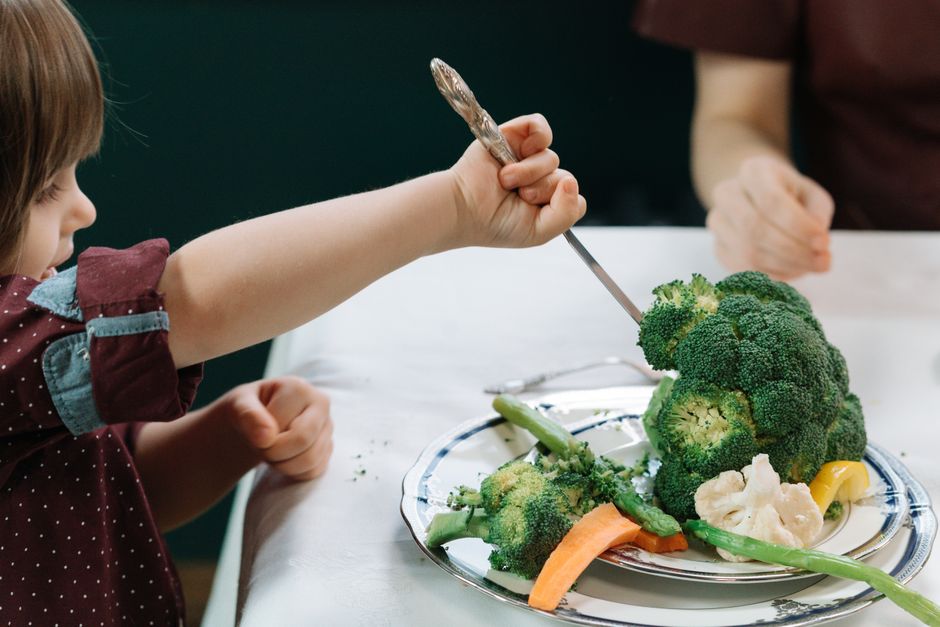
Step 4: Support Balanced Family Nutrition
Feeding a family well doesn’t require elaborate meal plans or expensive ingredients. What it does require is intention, flexibility, and a nonjudgmental approach to food.
Core principles of family nutrition
Serve a variety of whole foods regularly. Fruits, vegetables, whole grains, legumes, lean proteins, and healthy fats form the foundation of balanced eating across all ages. You don’t need to eliminate any food group—variety and proportion matter more than perfection.
Make family meals a priority when possible. Shared mealtimes—even a few per week—are associated with better dietary variety in children, stronger family communication, and lower rates of disordered eating behaviors in teens. They don’t have to be elaborate. A simple weeknight dinner together counts.
Involve kids in food decisions and preparation. Children who help choose vegetables at the market or stir ingredients in the kitchen are more likely to try new foods. This builds food literacy alongside healthy habits.
Avoid making any food morally charged. Language like “bad foods” or making dessert a reward for eating vegetables sends mixed messages and can increase preoccupation with restricted foods. A more sustainable approach treats all foods as part of the larger picture of balanced eating.
Adjust portions and textures by age. Toddlers have smaller stomachs and different texture preferences than adults. Teens have higher caloric needs during growth spurts. A registered dietitian can provide personalized guidance if you have specific nutritional concerns for any family member.
Practical tips for busy families
- Batch-cook grains and proteins on weekends to assemble quick weeknight meals.
- Keep a bowl of washed fruit on the counter as an easy, visible snack option.
- Stock pantry staples—canned beans, whole-grain pasta, frozen vegetables—for nights when cooking from scratch isn’t realistic.
- Let go of the idea that every meal must be a nutritional masterpiece. Consistency over weeks and months matters more than any single meal.
Step 5: Protect Sleep as a Family Priority
Sleep is perhaps the most underrated pillar of family wellness and healthy habits. When family members are consistently under-slept, everything else becomes harder—mood regulation, food choices, physical activity, and emotional connection all suffer.
Age-based sleep targets
While every individual’s needs vary, general guidelines from sleep researchers suggest:
- Toddlers (1–2 years): 11–14 hours including naps
- Preschoolers (3–5 years): 10–13 hours including naps
- School-age children (6–12 years): 9–12 hours
- Teens (13–18 years): 8–10 hours
- Adults: 7–9 hours
Building a family sleep culture
Set consistent, age-appropriate bedtimes. Predictability supports the body’s natural circadian rhythm. Try to keep sleep and wake times within an hour of the same schedule, even on weekends.
Create a wind-down routine for all ages. A calming pre-sleep routine—bath, reading, light stretching, or quiet conversation—signals to the nervous system that it’s time to rest. This applies to adults just as much as children.
Protect the sleep environment. Keep bedrooms cool, dark, and reasonably quiet. Limit screens in bedrooms, especially in the hour before sleep, as blue light from devices may interfere with melatonin production.
Model good sleep hygiene yourself. When children see adults prioritizing sleep—going to bed at a reasonable hour rather than scrolling late into the night—they internalize the message that rest is valuable.
If a family member regularly struggles with sleep despite consistent habits, a conversation with a qualified healthcare professional is worthwhile. Sleep difficulties can sometimes signal underlying issues that benefit from professional support.

Step 6: Nurture Emotional Health and Family Connection
A wellness plan that addresses only the physical side misses a critical dimension of whole-person health. Emotional well-being, stress management, and a sense of genuine connection are equally important—and they’re areas where the family unit has a unique advantage.
Everyday practices for emotional wellness
Create space for feelings without judgment. Let children (and adults) name and express emotions without immediately trying to fix them. Phrases like “That sounds really frustrating—tell me more” build emotional intelligence and trust over time.
Practice simple mindfulness together. You don’t need a formal meditation practice to benefit from mindfulness. A few slow breaths before a family meal, a gratitude share at bedtime, or a moment of quiet observation on a walk can all cultivate present-moment awareness. These practices may support stress reduction and emotional resilience across all ages.
Schedule unstructured family time. Not every family activity needs to be enriching, educational, or productive. Playing a board game, watching a favorite show together, or simply hanging out without an agenda builds belonging—which is foundational to mental well-being.
Check in regularly. A brief daily check-in—asking each family member one thing that went well and one thing that was hard—takes only a few minutes but creates a consistent habit of communication and support.
Know when to seek additional support. Stress, anxiety, grief, and behavioral challenges are a normal part of family life, but they sometimes require professional guidance. A licensed mental-health professional can provide significant support for individuals and families navigating difficult periods. Reaching out is a sign of strength, not failure.

Common Mistakes When Building a Family Wellness Plan
Even well-intentioned families can run into a few common pitfalls. Knowing these ahead of time helps you course-correct before momentum stalls.
- Trying to change everything at once. Overhauling diet, exercise, sleep, and screen time simultaneously is overwhelming for everyone. Choose one or two areas to focus on first.
- Treating wellness as a parent-imposed rule rather than a shared value. When kids have input—even small choices—they’re more motivated to participate.
- Measuring success in weeks rather than months. Sustainable habits take time to form. Research suggests consistent repetition over weeks and months, not days, is what creates lasting change.
- Forgetting caregiver wellness. Parents who sacrifice their own sleep, movement, and emotional health in service of everyone else’s eventually burn out. Your wellness is part of the family plan.
- Expecting linear progress. Some weeks will go beautifully; others will fall apart. Disruptions due to illness, travel, stress, or life transitions are normal. The goal is to return to the plan, not to be perfect.

Frequently Asked Questions
Q: How do I get a reluctant teen to participate in a family wellness plan?
A: Invite, don’t mandate. Ask your teen what aspects of health matter most to them—sleep, athletic performance, stress, skin health—and find ways to connect the plan to their personal goals. Giving them ownership over one area of the plan (meal planning one dinner a week, choosing the weekend activity) often increases buy-in significantly.
Q: What if family members have very different health needs or restrictions?
A: Flexibility is built into a well-designed family wellness plan. Many meals can be adapted with small modifications (a separate protein option, a side dish someone prefers), and movement activities can be scaled by fitness level. When a family member has a specific medical condition or dietary restriction, their individual care should always be guided by a qualified healthcare professional.
Q: How much physical activity do children actually need?
A: Current guidelines from major health organizations generally recommend that children and adolescents get at least 60 minutes of moderate-to-vigorous physical activity most days. This doesn’t need to happen all at once—several shorter periods of active play throughout the day count toward that total.
Q: Can family wellness habits really make a long-term difference?
A: Research suggests yes. Family-based healthy habits established in childhood are associated with better dietary patterns, more consistent physical activity, and stronger emotional resilience into adulthood. The impact compounds over time, which is one reason starting now—even imperfectly—is more valuable than waiting until conditions are ideal.
Q: What if our family is too busy to build a formal wellness plan?
A: The busiest families often benefit most from small, embedded habits rather than scheduled wellness blocks. Eating dinner together three nights a week, a 15-minute walk after school, and a consistent bedtime all qualify as part of a family wellness plan. The “formal” part matters less than the consistency.
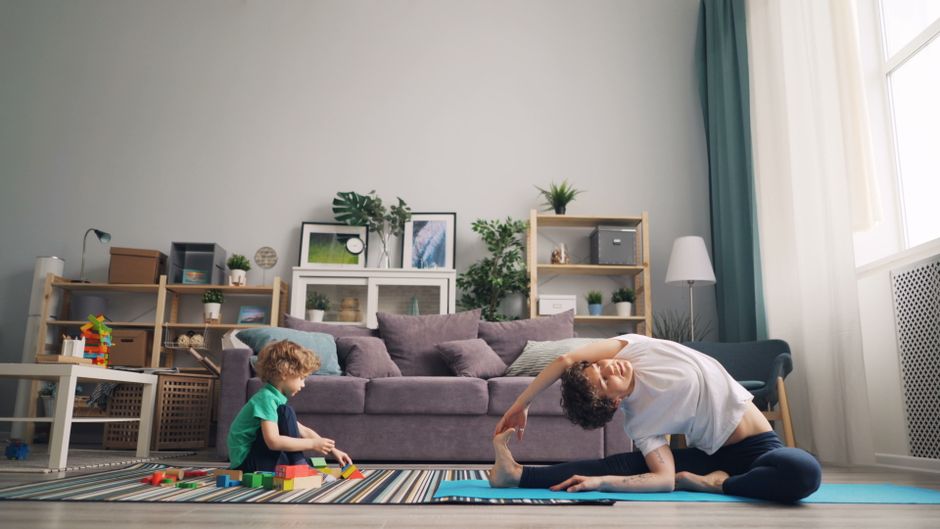
A Realistic Next Step
You don’t need to implement this entire guide this week. The most effective approach is to choose one area—movement, nutrition, sleep, or emotional connection—and identify one specific, realistic habit your family can practice consistently for the next two to four weeks.
Maybe that’s a 20-minute walk together after dinner three nights a week. Maybe it’s a shared family meal on Sunday evenings. Maybe it’s establishing a consistent bedtime routine for your children. Pick something small enough to actually do, then build from there.
For more practical guidance on related topics, explore Clean Body Mentor’s resources on building healthy morning routines, stress management for busy families, beginner-friendly movement habits, and balanced meal planning for everyday life. And if you’d like weekly wellness ideas delivered straight to your inbox, consider joining the Clean Body Mentor newsletter—it’s a simple, judgment-free way to stay inspired.
Disclaimer: This article is for general educational and informational purposes only and is not a substitute for medical advice, diagnosis, or treatment. Health needs vary by individual. Consult a qualified healthcare professional before making significant changes to your diet, exercise routine, supplements, medication, or treatment plan, especially if you have a medical condition, are pregnant or breastfeeding, take medication, or have concerns about your symptoms.