
If you’ve ever stood at the edge of a trail or a treadmill and wondered whether you should walk or run, you’re not alone. For beginners building healthier habits, this question comes up constantly—and the answer is rarely as simple as “just run faster” or “walking doesn’t count.”
The truth is, both walking and running are legitimate, research-supported movement practices that can meaningfully improve your cardiovascular health, mental well-being, energy levels, and long-term quality of life. The question isn’t which one is better in the abstract—it’s which one is better for you, right now, given your fitness level, lifestyle, goals, and body.
This guide offers a practical, nonjudgmental comparison to help you make that choice with confidence. Whether you’re brand new to regular movement, returning after a long break, or simply trying to find a sustainable routine that sticks, you’ll find clear, evidence-informed guidance here.
Clean Body Mentor may earn a commission from qualifying purchases made through links in this article, at no additional cost to you. Recommendations are selected for relevance and usefulness, and compensation does not determine our editorial conclusions.

Quick Takeaways
- Both walking and running offer significant physical and mental health benefits for beginners.
- Walking is lower-impact, easier to sustain long-term, and accessible to nearly everyone.
- Running burns more calories per minute and may build cardiovascular fitness faster, but carries a higher injury risk for beginners.
- Your current fitness level, joint health, schedule, and personal enjoyment should guide your choice.
- Many people benefit most from a combination of both—sometimes called a run-walk approach.
- The best movement practice is the one you’ll actually do consistently.

Why This Comparison Actually Matters
Physical inactivity is one of the most common barriers to whole-person wellness. Research from public health organizations consistently links regular movement to reduced risk of cardiovascular disease, type 2 diabetes, depression, cognitive decline, and premature mortality. Yet many beginners abandon exercise programs within the first few months—often because they chose a practice that wasn’t suited to where they were starting from.
For someone who hasn’t exercised regularly in years, jumping straight into a running program can lead to burnout, shin splints, or discouragement. On the other hand, someone who is already comfortable walking daily and wants to improve cardiovascular fitness may benefit from gradually introducing running intervals. Understanding the real differences between walking vs. running for beginners helps you set realistic expectations and build a movement practice you can sustain.
This isn’t about pushing you toward a “harder” option. It’s about matching the right tool to the right goal at the right time.

Cardiovascular Health: How Each Practice Affects Your Heart
Walking and Heart Health
Walking is far from passive. Brisk walking—generally defined as a pace where you can speak in short sentences but feel your heart rate elevated—has been shown in multiple large-scale studies to reduce the risk of heart disease, lower blood pressure, and improve cholesterol profiles. The American Heart Association notes that meeting physical activity guidelines through walking can produce meaningful cardiovascular benefits, particularly for adults who are sedentary to start.
For beginners, the cardiovascular response to walking is gentler, which makes it easier to sustain for longer durations without excessive fatigue. A 30-minute brisk walk most days of the week is often enough to meet general physical activity recommendations for heart health.
Running and Heart Health
Running is a more intense aerobic activity, which means it typically produces a stronger cardiovascular training effect in less time. Research suggests that even small amounts of running per week—as little as five to ten minutes per day at a slow pace—may be associated with significantly reduced cardiovascular mortality risk compared to non-runners.
However, very high volumes of running over many years may carry some cardiovascular risks, according to emerging (though still debated) research. For beginners, this is rarely a practical concern. The early benefits of running for heart health are real and meaningful, especially if you build up gradually.
The Practical Difference
If cardiovascular fitness improvement is your primary goal and you have a healthy baseline, running may help you get there more efficiently. If you’re starting from a very sedentary place or have pre-existing heart conditions, walking is a safer and still highly effective starting point. Always consult a qualified healthcare professional before beginning a new vigorous exercise program, especially if you have a cardiovascular history.
Joint Health and Injury Risk: The Body’s Perspective
How Walking Protects Your Joints
Walking is a low-impact activity, meaning both feet never leave the ground simultaneously. This dramatically reduces the force transmitted through your ankles, knees, hips, and spine compared to running. For beginners who carry extra body weight, have joint concerns, are recovering from injury, or are over 50, walking is generally the safer initial choice.
Low-impact movement also supports joint lubrication and cartilage health over time, making it an excellent long-term practice for healthy aging.
Running’s Impact on Joints
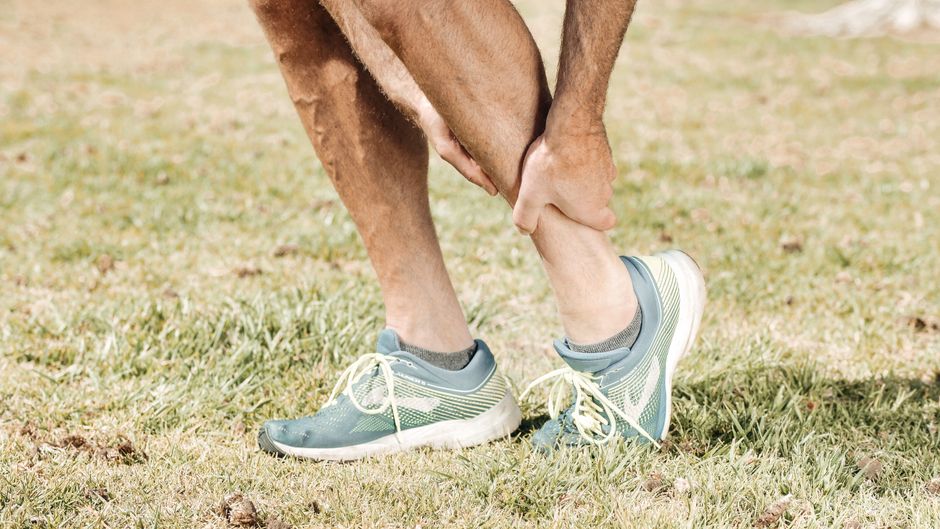
Running is a high-impact activity. Each stride generates ground reaction forces roughly two to three times your body weight through your lower limbs. For conditioned runners with good form, this stress is manageable and the body adapts over time. For beginners, especially those who increase mileage too quickly, this impact is a common cause of overuse injuries—including shin splints, IT band syndrome, runner’s knee, and stress fractures.
Research does suggest that recreational running does not significantly increase osteoarthritis risk in healthy adults—a common misconception. However, the beginner injury rate for running is meaningfully higher than for walking, which is why a gradual progression is essential.
Beginner Joint Safety Tips
- Start any running program with a structured walk-to-run progression (such as alternating 1 minute of running with 2 minutes of walking).
- Invest in properly fitted, supportive footwear appropriate for your gait.
- Increase weekly mileage by no more than 10% per week to avoid overuse injury.
- If you experience persistent joint pain during or after runs, scale back and consult a physical therapist or sports medicine professional.

Mental Well-Being: What the Research Says
Walking as a Mental Health Tool
Walking, particularly outdoors, is one of the most accessible and well-supported tools for improving mood and reducing stress. Research suggests that even a short walk in a natural or green environment may lower cortisol levels, reduce rumination, and improve overall emotional well-being. For people managing mild to moderate anxiety or low mood, a consistent walking habit can be a meaningful part of a broader mental wellness strategy.
Walking is also social—you can do it with a friend, a pet, or a child, turning movement into connection. That relational quality adds another layer of emotional benefit.
Running and Mental Health
Running produces its own well-documented mood-lifting effects. Many runners describe a post-run sense of calm and clarity that has been linked to the release of endorphins and endocannabinoids—natural compounds the body produces during sustained aerobic activity. Research suggests that regular running may help reduce symptoms of depression and anxiety in some individuals.
That said, running can also become a stressor if approached with excessive pressure, especially for beginners who feel they “should” be running faster or farther than is comfortable. The mental health benefits of running emerge most reliably when the practice feels empowering rather than punishing.
A Mindfulness Note
Both walking and running can serve as moving mindfulness practices. Paying attention to your breath, your footfalls, the sounds around you, and the physical sensations in your body during either activity transforms movement into a form of present-moment awareness. This is one of the underappreciated wellness benefits of any consistent movement routine, regardless of pace. If you’re interested in exploring mindfulness as part of your healthy routine, movement is a wonderful entry point.

Calorie Expenditure and Healthy Weight Management
It’s worth addressing this topic practically, without turning movement into a calorie math exercise. Both walking and running support healthy weight management as part of a broader lifestyle that includes balanced eating, sleep health, and stress management.
Running burns more calories per minute than walking because it requires more muscular effort and elevates your heart rate higher. However, walking allows most beginners to move for longer durations and recover faster, which can make total energy expenditure comparable when sessions are long enough.
For sustainable healthy weight management, consistency over intensity is usually more effective. A 45-minute walk five days a week often produces better long-term results than occasional intense runs followed by days of soreness and rest. Choose the practice you can maintain, not the one that burns the most calories on paper.

Practical Comparison: Walking vs. Running Side by Side
| Factor | Walking | Running |
|---|---|---|
| Impact level | Low | High |
| Injury risk for beginners | Low | Moderate to high |
| Cardiovascular intensity | Moderate | High |
| Accessibility | Very high | Moderate |
| Equipment needed | Comfortable shoes | Running-specific footwear |
| Time to see fitness gains | Gradual | Faster |
| Social/family-friendly | Very easy | More challenging |
| Mental health benefits | Well supported | Well supported |
| Suitable for joint concerns | Yes | With caution |
| Calorie burn per minute | Lower | Higher |

The Run-Walk Method: A Smart Middle Ground
For many beginners, the most evidence-aligned and enjoyable starting point isn’t a binary choice between walking and running—it’s a structured combination of both. Often called the run-walk method, this approach involves alternating planned intervals of running with deliberate walking recovery periods.
This strategy, originally popularized in distance running training, has strong practical support for beginners because it:
- Reduces the cumulative impact on joints compared to continuous running
- Builds cardiovascular capacity gradually without overwhelming your system
- Keeps perceived effort manageable, which supports long-term adherence
- Allows you to cover more ground and build confidence early in your fitness journey
A beginner-friendly run-walk structure might look like:
- Week 1–2: Walk 4 minutes, run 1 minute, repeat for 20–25 minutes
- Week 3–4: Walk 3 minutes, run 2 minutes, repeat
- Week 5–6: Walk 2 minutes, run 3 minutes, repeat
- Week 7–8: Walk 1 minute, run 4 minutes, repeat
Adjust the progression based on how your body responds, not by how it compares to others.

Common Beginner Mistakes to Avoid
Starting too fast or too hard. Whether walking or running, intensity should feel manageable. If you can’t complete a sentence while moving, you’re likely working too hard for a sustainable beginner session.
Skipping warm-up and cool-down. A 5-minute gentle walk before and after a run meaningfully reduces muscle soreness and injury risk.
Ignoring pain signals. Discomfort is normal; pain is not. Sharp, persistent, or worsening pain during movement is a signal to stop and seek guidance from a qualified professional.
Comparing your pace to others. Your only valid comparison is your own baseline. Progress is personal.
Neglecting rest and recovery. Rest days are when your body adapts and strengthens. Treat them as part of your movement plan, not as failures.
Wearing the wrong footwear. Ill-fitting shoes are a primary driver of beginner running injuries. Visit a specialty running store for a gait assessment and proper fit.

When to Consult a Qualified Healthcare Professional
Beginning a walking routine is safe for most adults, but running or significantly increasing your activity level warrants professional input if:
- You have a known cardiovascular condition, diabetes, or orthopedic concerns
- You experience chest pain, dizziness, or shortness of breath during exercise
- You’ve had a recent injury, surgery, or long period of inactivity
- You are pregnant or recently postpartum
- You are over 50 and have been largely sedentary
A primary care physician, physical therapist, or certified exercise physiologist can provide personalized guidance to help you start safely. There is no wellness benefit in pushing through warning signs—seeking professional input is a sign of good self-care, not weakness.

Frequently Asked Questions
Q: Is walking enough exercise for general health, or do I need to eventually run?
A: Walking is genuinely sufficient to meet general physical activity recommendations and support cardiovascular health, weight management, mental well-being, and healthy aging. You do not need to progress to running unless that’s a personal goal you want to pursue. Consistent brisk walking is a complete and valuable movement practice on its own.
Q: How do I know when I’m ready to start running as a beginner?
A: A practical benchmark is being able to walk briskly for 30 minutes without significant fatigue or discomfort. From that foundation, a gradual walk-to-run progression (like the one described above) can help you build safely. Listen to your body throughout the process.
Q: Does running damage your knees over time?
A: Current research does not support the idea that recreational running causes knee damage or osteoarthritis in healthy adults. In fact, some studies suggest moderate recreational runners may have lower rates of knee osteoarthritis than sedentary individuals. Injury risk is most closely tied to too-rapid progression, poor footwear, and biomechanical factors—not running itself.
Q: What’s more important: duration or pace?
A: For beginners, duration and consistency matter far more than pace. Building the habit of showing up regularly and moving for 20–40 minutes most days will produce more long-term results than sporadic intense efforts. Speed and intensity can increase gradually once the habit is established.
Q: Can I switch between walking and running week to week depending on how I feel?
A: Absolutely. Listening to your body and adjusting your movement practice based on energy, soreness, schedule, and mood is a sustainable and sensible approach. Flexibility in your routine—not rigid adherence—tends to support long-term wellness better for most beginners.

A Realistic Next Step
You don’t need to settle the walking vs. running debate today. What you need is one small, doable action that moves you forward.
If you haven’t been moving regularly, commit to three brisk 20-minute walks this week. If you’re already walking and curious about running, try one gentle run-walk session using a simple 3-minute walk, 1-minute run interval. That’s it—just one session.
Consistency builds on itself. Small, repeated actions create sustainable habits far more reliably than dramatic overhauls. If you enjoyed this guide, explore other movement-related topics on Clean Body Mentor, including beginner strength training, mobility work for everyday life, and building a healthy morning routine that supports both your body and mind. You can also join our weekly newsletter for practical, evidence-informed wellness guidance delivered straight to your inbox—no pressure, no perfection required.
Disclaimer: This article is for general educational and informational purposes only and is not a substitute for medical advice, diagnosis, or treatment. Health needs vary by individual. Consult a qualified healthcare professional before making significant changes to your diet, exercise routine, supplements, medication, or treatment plan, especially if you have a medical condition, are pregnant or breastfeeding, take medication, or have concerns about your symptoms.