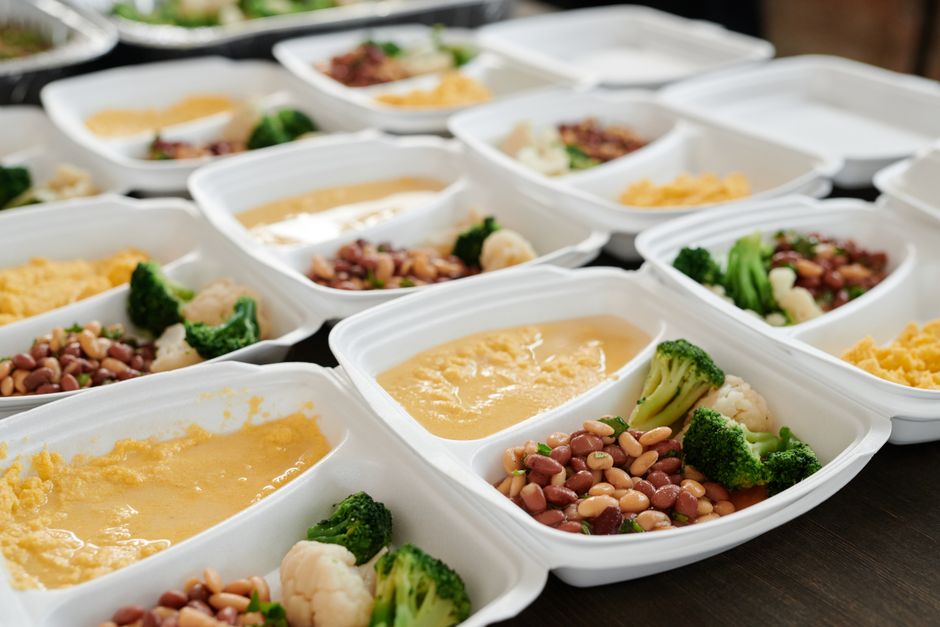
You have roughly 45 minutes between walking through the door and getting everyone to bed. Dinner still needs to happen, someone is complaining about homework, and the only thing in the fridge is a half-used jar of salsa and leftovers from Tuesday. Sound familiar?
For most busy parents, the gap between wanting to eat well and actually making it happen feels enormous. But the solution is not a pristine Sunday afternoon of elaborate batch cooking — it is a set of small, repeatable habits that make nutritious food available on the chaotic days that define real family life.
This guide walks you through practical, evidence-informed meal prep approaches that fit a working parent’s schedule, a realistic grocery budget, and a household full of different tastes and preferences.
Quick Takeaways
- You do not need hours of free time — even 20–30 minutes of focused prep can dramatically reduce weeknight stress.
- Flexible “meal components” work better for families than rigid full recipes.
- Planning before you shop is the single biggest time-saver.
- Involving kids in age-appropriate prep steps supports long-term healthy eating habits.
- Sustainable meal prep for families is about consistency over perfection.
Clean Body Mentor may earn a commission from qualifying purchases made through links in this article, at no additional cost to you. Recommendations are selected for relevance and usefulness, and compensation does not determine our editorial conclusions.

Why Meal Prep Matters More for Parents Than Anyone Else
When your schedule is packed, food decisions default to whatever is fastest and most available — which is often ultra-processed, high in sodium, and low in the nutrients your body and your kids’ bodies genuinely need to function well.
Research consistently links dietary patterns to energy levels, mood stability, cognitive performance, and long-term disease risk reduction. For parents specifically, nutrition is not just a personal matter. The eating patterns modeled at home become the blueprint children carry into adulthood. Studies from family nutrition research suggest that regular family meals are associated with better dietary quality in children, stronger emotional connections, and reduced risk of disordered eating patterns.
Meal prep for families is not about achieving a picture-perfect refrigerator full of color-coded containers. It is about removing the daily friction that leads to skipped meals, drive-through runs, and end-of-day energy crashes that make everything harder — including parenting.
Building a sustainable meal-prep routine also connects to broader whole-person wellness goals. When you are well-nourished, stress management becomes easier, sleep quality tends to improve, and you have more reserve capacity for the emotional and mental demands of raising children.
Step 1: Shift Your Mindset from “Full Meals” to “Flexible Components”
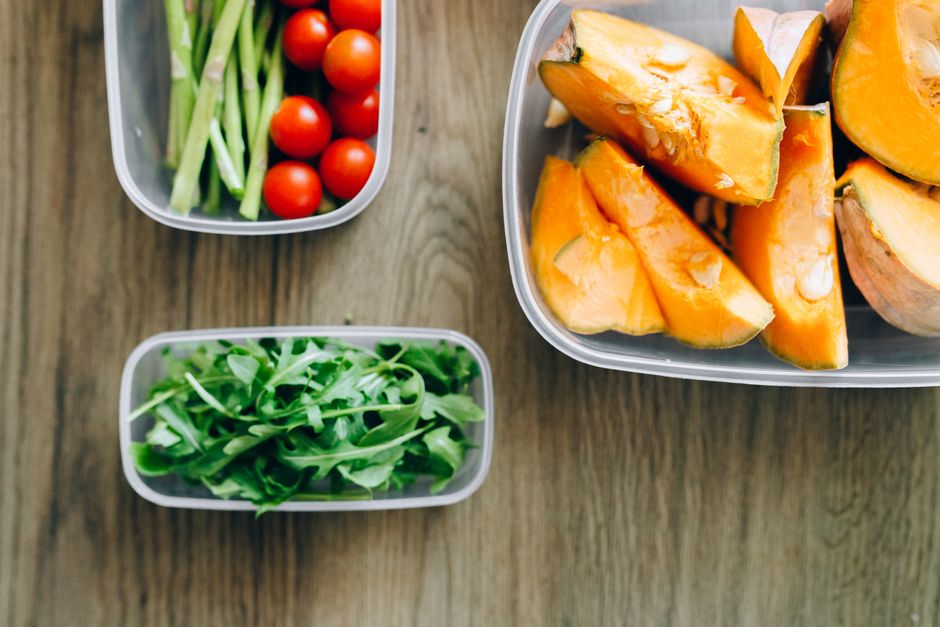
The most common reason meal prep fails for families is overambition. Parents set out to batch-cook seven complete dinners, fall short, and abandon the habit entirely. A more sustainable approach centers on prepping building blocks rather than finished dishes.
What Are Meal Components?
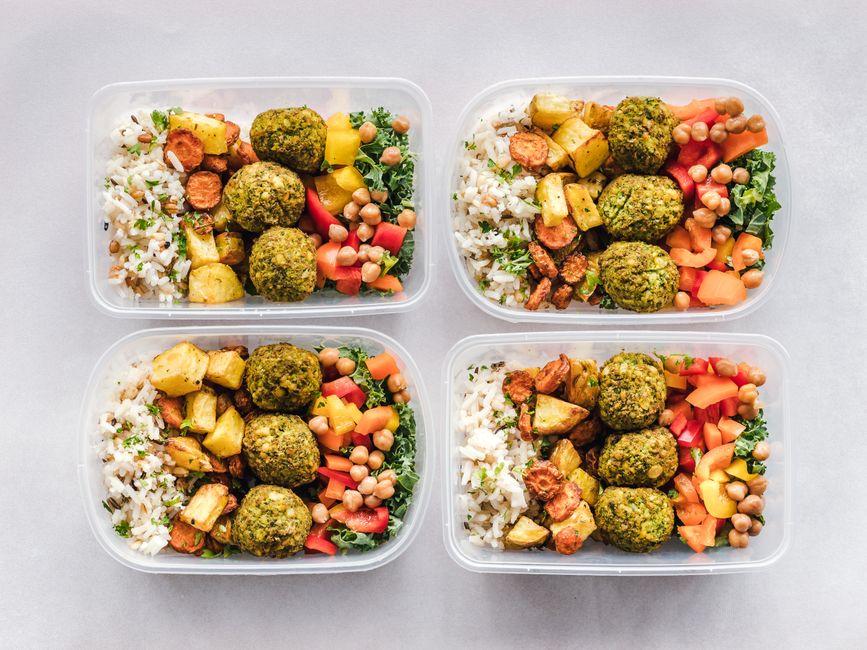
Meal components are versatile, individually prepared ingredients that combine into different meals throughout the week. Think of them as your kitchen’s raw material rather than finished products.
Examples of useful components to prep ahead:
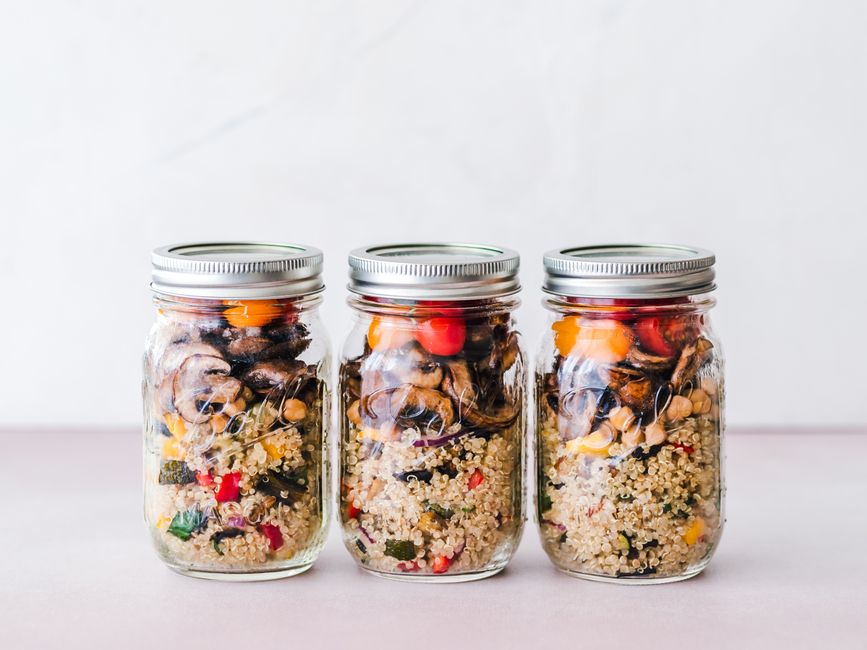
- Cooked whole grains: Brown rice, farro, quinoa, or whole-wheat couscous can be cooked in large batches and stored in the refrigerator for up to five days. They work as a dinner side, a grain bowl base, a stir-fry filler, or stirred into soup.
- Roasted or steamed vegetables: A sheet pan of roasted broccoli, sweet potato, zucchini, or bell peppers takes about 25 minutes and adds a vegetable component to almost any meal without extra daily effort.
- A versatile protein: Baked chicken thighs, hard-boiled eggs, rinsed canned beans, or cooked lentils can anchor lunches, dinners, and even quick breakfasts across multiple days.
- Washed and chopped salad greens or raw vegetables: Already-prepped produce dramatically increases the chance that you and your family actually eat it.
- A batch sauce or dressing: A simple homemade tahini dressing, a lemon-herb vinaigrette, or a mild tomato-based sauce can transform the same basic components into a different-tasting meal every night.
With even two or three components prepped, you can assemble a nourishing plate in less time than it takes to open a delivery app.
The 2+1 Prep Rule
A manageable goal for most families is the 2+1 rule: prep two staple components and one protein source at the start of each week. That small investment — often 30 to 45 minutes — gives you a flexible foundation without the overwhelm of a four-hour cooking marathon.
Step 2: Plan Before You Shop (Not the Other Way Around)
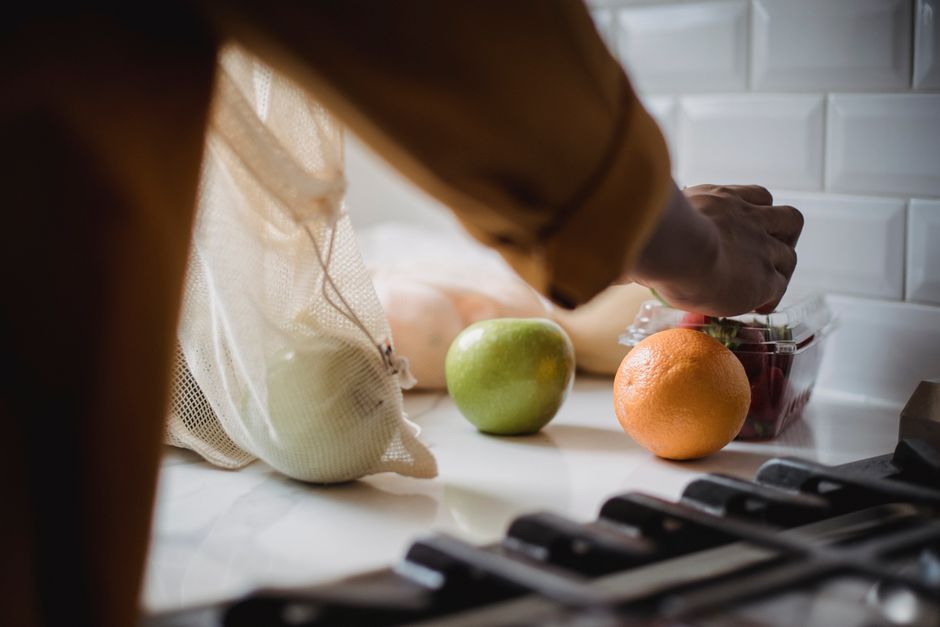
Shopping without a plan is the fastest path to an expensive, mismatched fridge. Effective meal prep for families starts with a brief, realistic planning conversation — even if it is just five minutes over coffee on a Saturday morning.
A Simple Weekly Planning Framework
- Check what you already have. Before adding anything to your list, scan the refrigerator, freezer, and pantry. Odds are there is at least one complete meal hiding there.
- Choose 3–4 dinner concepts, not recipes. Instead of committing to specific recipes, think in concepts: grain bowl night, taco night, pasta night, sheet-pan night. Concepts are flexible enough to accommodate what is on sale or what your kids will actually eat.
- Plan backwards from your busiest days. Reserve your easiest meals (slow-cooker, one-pan, or freezer-friendly options) for the nights with sports practices, late meetings, or homework battles.
- Write a targeted grocery list by store section. Grouping your list by produce, proteins, dairy, dry goods, and frozen items cuts your shopping time significantly and reduces impulse buying.
- Build in one or two “wildcard” nights. Rigid plans create guilt when they fall apart. Scheduling a planned leftover night or a simple “breakfast for dinner” option gives you built-in flexibility.
Keeping a Running List
One of the most underused household habits is a shared, accessible grocery list that everyone in the family can add to throughout the week — a simple app on your phone, a whiteboard in the kitchen, or even a sticky note on the fridge works fine. When you run out of something, it gets added immediately rather than forgotten until you are standing in the cereal aisle.
Step 3: Build a Prep-Friendly Kitchen Setup
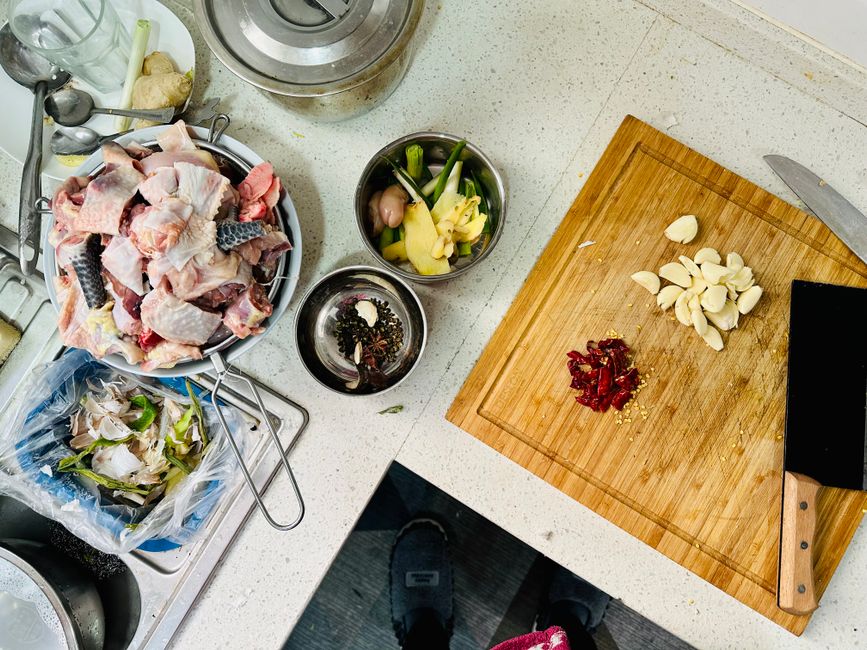
The right environment makes good habits easier to maintain. You do not need expensive equipment, but a few intentional choices in how your kitchen is organized can meaningfully reduce friction.
Equipment Worth Having
- A quality sheet pan and parchment paper: Sheet-pan meals require minimal cleanup and allow you to roast a week’s worth of vegetables in a single oven session.
- Glass storage containers in multiple sizes: Clear containers help you see what is available and make it easier to grab components quickly. Research on food visibility suggests that making healthy foods more prominent in your environment increases their consumption — the same principle applies to your refrigerator.
- An instant-read thermometer: Ensures proteins are safely cooked without the guesswork, especially important when batch cooking for children.
- A slow cooker or electric pressure cooker: These are genuine time-multipliers for busy families. You can prep a slow-cooker meal in the morning and return to dinner already made.
Organizing Your Refrigerator for Success
Place prepped components and fresh produce at eye level rather than in the back or in opaque drawers. Keep grab-and-go snacks — cut fruit, baby carrots, string cheese, or hummus cups — at children’s eye level when possible. A fridge that presents nourishing options first reduces the cognitive load of decision-making when everyone is tired and hungry.
Step 4: Find Your Prep Window (And Make It Non-Negotiable)
Meal prep does not have to happen on Sunday. The best prep session is the one that actually fits your real schedule.
Options Beyond the Weekend Marathon
- Wednesday micro-prep (15–20 minutes): Refresh components halfway through the week. Cook a new grain, restock cut vegetables, or swap out the protein source. This prevents the “Thursday fridge tumbleweed” problem.
- Morning prep: If you tend to have a few minutes before school drop-off, start a slow-cooker meal or hard-boil a batch of eggs while making breakfast. Multitasking prep into an existing routine reduces the feeling that it is an extra task.
- Parallel prep: When you are already cooking one meal, double the batch of any component that stores well. Cooking rice for Monday dinner? Make twice as much for Wednesday.
- Friday evening prep: Some families find that prepping right before the weekend actually sets them up better, because weekends tend to derail grocery plans anyway.
Protecting the Prep Window
Treat your prep time the same way you would a child’s doctor appointment — it is a scheduled part of your week, not an optional extra. Even 20 focused minutes with clear goals will consistently outperform a vague two-hour session where you are not sure what you are making.
Step 5: Build a Rotation of Family-Friendly Base Meals
Variety is important, but novelty every single night is exhausting. One of the most effective strategies in meal prep for families is developing a rotation of 8–12 reliable base meals that your household actually enjoys and that you can prepare with minimal cognitive effort.
Characteristics of a Good Rotation Meal
- Uses mostly pantry staples or ingredients that keep well
- Takes 30 minutes or less active time when components are prepped
- Can be adapted for different tastes (toppings on the side, adjustable spice level)
- Provides at least one vegetable, one quality protein source, and a complex carbohydrate
- Produces leftovers that pack well for lunch the next day
Sample Rotation Concepts
- Grain bowls: A base of cooked quinoa or brown rice topped with roasted vegetables, a protein (chickpeas, grilled chicken, or a fried egg), and a drizzle of sauce. Everyone can customize their bowl.
- Sheet-pan dinners: One pan with seasoned protein and chopped vegetables, roasted together. Almost no cleanup, adaptable to whatever is in season.
- Slow-cooker bean or lentil dishes: Lentil soup, white bean stew, or black bean tacos are budget-friendly, nutrient-dense, and scale easily for larger families.
- Pasta with a protein-boosted sauce: Adding white beans, lentils, or ground turkey to a simple tomato sauce increases the protein and fiber content without changing the familiar flavor profile children often prefer.
- Stuffed baked potatoes or sweet potatoes: A filling and inexpensive option where toppings can vary based on individual preference — a great strategy for picky eaters.
- Egg-based meals: Frittatas, shakshuka, or simple scrambled eggs with vegetables and whole-grain toast are fast, affordable, and nutritionally balanced options not limited to breakfast.

Step 6: Involve Your Family in the Process
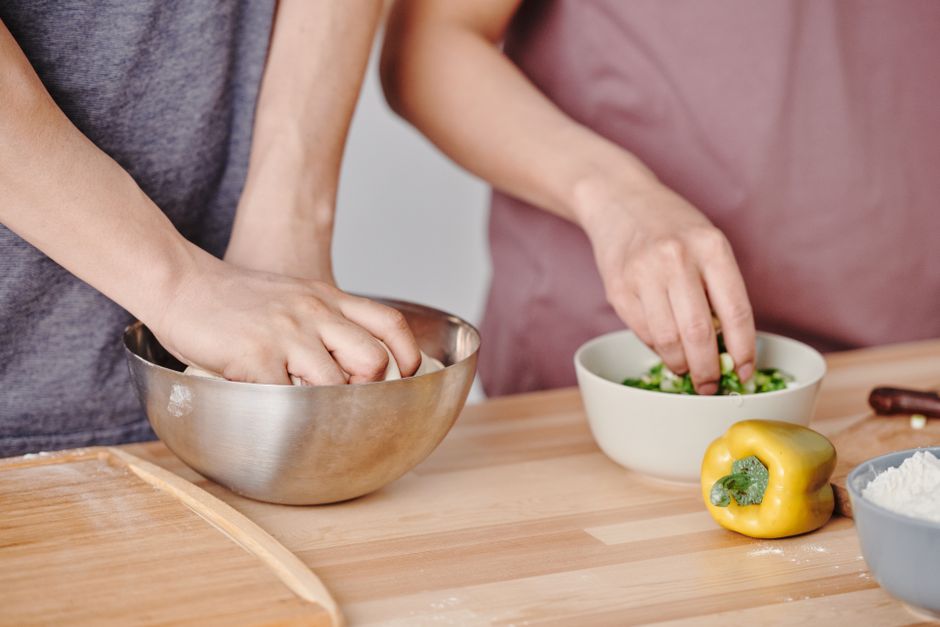
Meal prep does not have to be a solo project. Involving children in age-appropriate kitchen tasks builds food literacy, reduces mealtime resistance, and contributes to developing healthy eating habits that last a lifetime.
Age-Appropriate Kitchen Tasks
- Ages 3–5: Washing produce, tearing salad greens, stirring batters, placing toppings
- Ages 6–9: Measuring and mixing dry ingredients, peeling softer produce, assembling wraps or grain bowls
- Ages 10–13: Basic knife skills with supervision, cooking eggs, reading and following simple recipes
- Ages 14+: Planning and preparing a simple meal independently, adapting recipes, managing stovetop cooking with guidance
Children who participate in food preparation are more likely to try new foods and develop a positive relationship with eating — a meaningful long-term investment in your family’s wellness.
Common Meal Prep Mistakes (And How to Avoid Them)
Even well-intentioned prep sessions can fall flat. Here are the patterns that most often derail families:
- Prepping foods your family does not actually like. If your kids have never voluntarily eaten farro, batch-cooking a week’s worth of it will not change that. Start with familiar foods prepared in slightly healthier ways.
- Making everything at once until you burn out. Starting with one or two components per session is more sustainable than a full-kitchen production every week.
- Not accounting for food safety timelines. Most cooked proteins and grains are safe refrigerated for 3–4 days. Plan your week so older prep is used earlier and fresh items are held for later in the week.
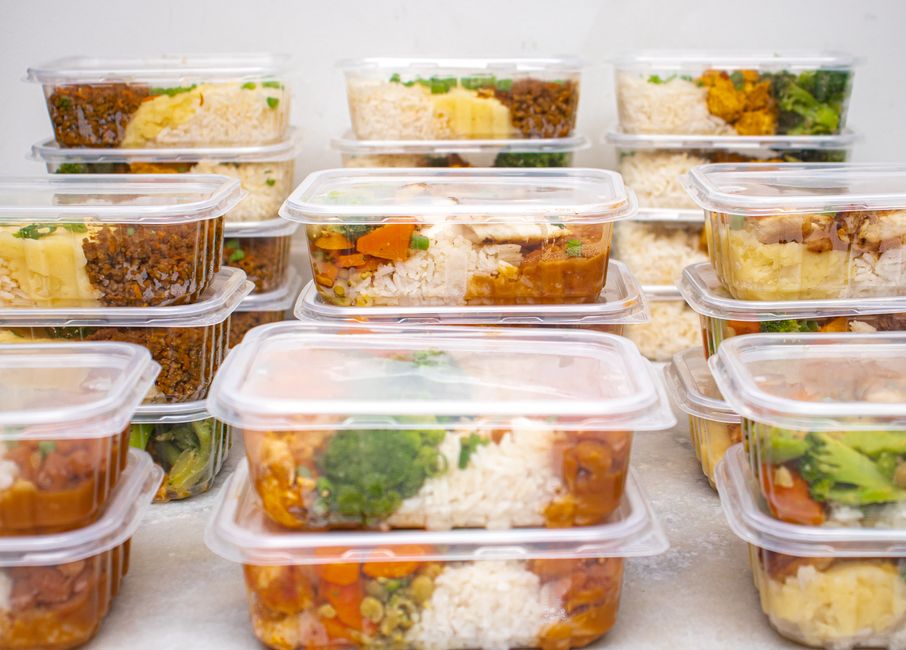
- Ignoring freezer potential. Soups, stews, cooked grains, marinated proteins, and baked goods can be frozen in portions and pulled out when the week falls apart. Your freezer is your backup plan.
- Planning every meal and leaving no flexibility. Over-planning creates guilt when reality intervenes. Build intentional gaps in your plan.

Safety Note and When to Seek Professional Guidance
If any family member has a diagnosed condition — such as celiac disease, a food allergy, kidney disease, or diabetes — that significantly affects dietary needs, a registered dietitian can help you build a meal-prep system tailored to those specific requirements. General guidance like this article provides a useful foundation, but individual nutritional needs vary. Pediatric nutrition questions — including concerns about a child’s growth, eating patterns, or potential deficiencies — are best addressed with your child’s healthcare provider.
Frequently Asked Questions
How much time should I realistically spend on weekly meal prep?
For most families, 30–60 minutes once or twice per week is enough to make a meaningful difference. You do not need to prep everything — even prepping two or three key components significantly reduces weeknight cooking time.
Can meal prep work for picky eaters?
Yes, and the component-based approach is particularly well-suited to families with different taste preferences. When grains, proteins, vegetables, and sauces are kept separate, each person can assemble a plate that works for them without the cook making multiple separate meals.
Is it safe to meal prep proteins several days in advance?
Cooked proteins stored in airtight containers in the refrigerator are generally safe for 3–4 days, according to food safety guidelines from the USDA. For longer storage, freeze cooked proteins and thaw in the refrigerator overnight before use.
What if I don’t have a lot of kitchen equipment?
You need very little. A large pot, a baking sheet, a sharp knife, a cutting board, and a few containers are enough to implement the strategies in this article. Fancy gadgets can be added over time if you find them useful, but they are not required.
How do I keep meal prep from feeling boring?
Rotate your sauces and seasonings while keeping the base components consistent. The same roasted vegetables taste completely different dressed with tahini versus a herb vinaigrette versus a simple squeeze of lemon and olive oil. Variety at the finishing stage prevents palate fatigue without requiring you to cook differently each night.

Your Next Step: Start Small and Stay Consistent
The most important thing you can do after reading this article is choose one action and practice it this week — not all of them. Maybe that means cooking a double batch of rice tonight, or spending 20 minutes on Sunday morning washing and chopping vegetables, or writing down three dinner concepts before your next grocery run.
Sustainable healthy habits in a family kitchen are built the same way all lasting habits are built: through small, repeatable actions that gradually become second nature. You do not need a perfect system. You need a functional one.
If you found this guide helpful, explore more practical nutrition and family wellness guidance in the Clean Body Mentor food and healthy living hubs — or join the newsletter for weekly, realistic wellness tips delivered directly to your inbox.
This article is for general educational and informational purposes only and is not a substitute for medical advice, diagnosis, or treatment. Health needs vary by individual. Consult a qualified healthcare professional before making significant changes to your diet, exercise routine, supplements, medication, or treatment plan, especially if you have a medical condition, are pregnant or breastfeeding, take medication, or have concerns about your symptoms.