

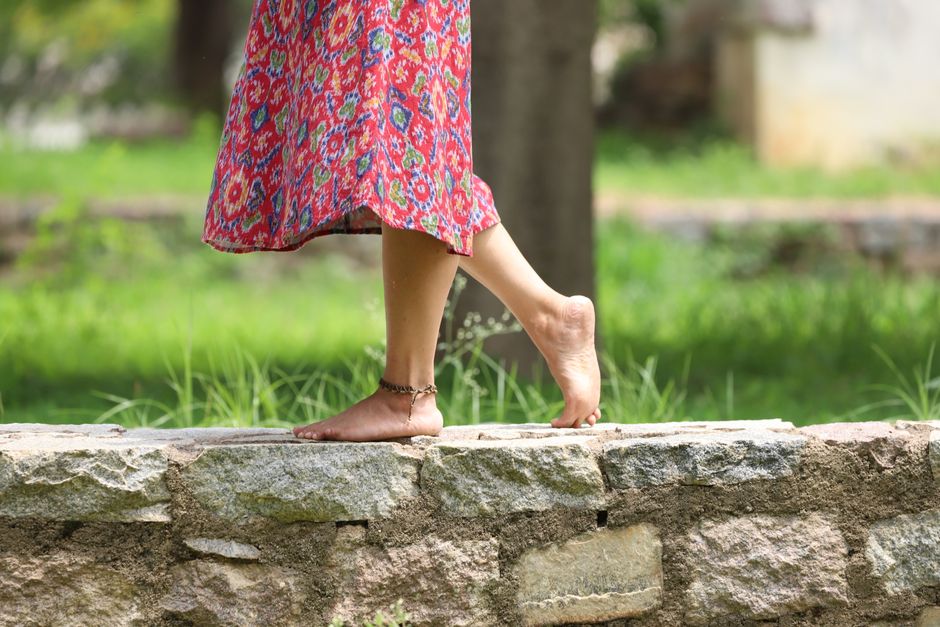
If your daily walk follows the same smooth sidewalk loop, your feet and ankles are getting a consistent workout in one very narrow movement pattern. That consistency has real value, but it also means certain stabilizer muscles rarely get challenged. Switching even part of your routine to grass, gravel, or a gentle trail can change how your whole lower body functions.
This comparison breaks down what each surface actually does for walking uneven ground ankle stability balance, and how to mix them in a way that is safe and sustainable for everyday life.
What Flat Pavement Does Well
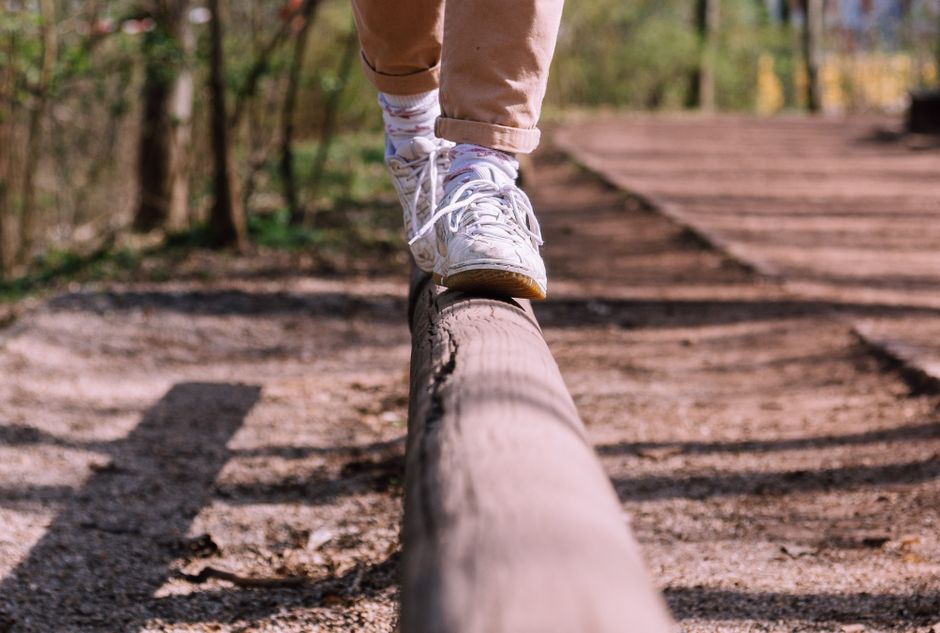
Pavement and smooth indoor surfaces are not bad choices. They offer reliable footing, predictable stride mechanics, and a low cognitive load that lets you focus on pace, distance, or the podcast in your ears. For people recovering from acute ankle injuries or for beginners just building a walking habit, flat ground reduces the chance of a misstep.
Research published in Gait and Posture has consistently shown that walking on flat surfaces allows the body to develop an efficient, repeatable gait pattern. That efficiency is useful for cardiovascular conditioning and for building the aerobic base you need before tackling more demanding terrain.
Flat walking also tends to be easier on knees when load is the main concern, and it is far more accessible: sidewalks, parking lots, and treadmills are everywhere. If you are just starting a walking habit, Walking for Stress Relief and Mood: A Three-Week Progressive Plan for Beginners is a practical place to begin before adding surface variety.
The limitation is that pavement trains your foot and ankle in a single plane of motion. Your ankle has the capacity to pronate, supinate, invert, and evert, but a flat, uniform surface never really asks it to do those things under load. Over time, the muscles responsible for those micro-adjustments can become relatively underused.
What Uneven Ground Activates That Pavement Misses
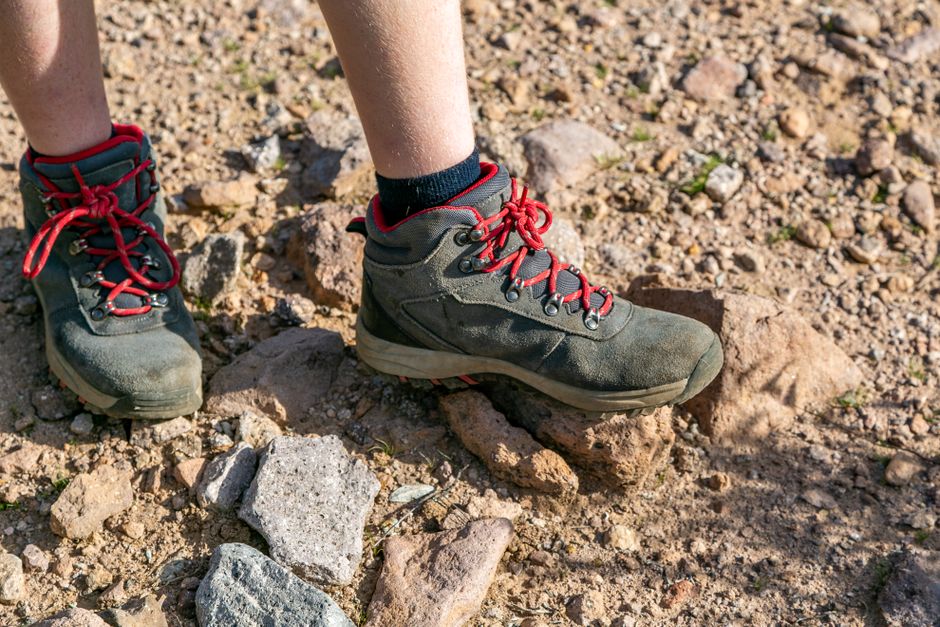
Natural terrain, whether it is a grassy park, a gravel path, a hiking trail, or even a beach, forces your foot and ankle to make continuous small corrections with every step. That ongoing adjustment recruits stabilizer muscles including the peroneals, tibialis posterior, and the intrinsic foot muscles that rarely fire during flat-surface walking.
A 2019 study published in Scientific Reports (Federolf and colleagues) found that walking on uneven terrain produced significantly greater muscle activation in the lower leg and foot compared to treadmill walking, and also increased demands on postural control. The researchers noted that this kind of varied activation may translate to better balance in everyday life situations, like stepping off a curb you did not notice or navigating a wet floor.
Balance training on unstable surfaces is also supported by the physical therapy literature as a component of ankle sprain rehabilitation and prevention. The National Athletic Trainers Association clinical guidelines recognize proprioceptive training (which uneven ground naturally delivers) as an evidence-informed element of ankle injury prevention programs.
For walkers who sit at a desk most of the day and have restricted ankle mobility, How to Restore Foot Strength and Mobility When Desk Work Has Locked Your Ankles explains how to address the underlying stiffness before adding challenging terrain.

The Real-World Balance Tradeoff
Here is the honest comparison:
- Flat pavement is superior for building aerobic conditioning, maintaining consistent pace, and keeping impact predictable. It is safer for people with balance conditions, vision impairments, or recent ankle injuries.
- Uneven terrain is superior for building ankle stability, proprioception, foot strength, and multi-plane balance, all of which matter for preventing falls and maintaining functional movement as you age.
Neither surface is the clear winner on its own. The most functional walkers tend to use both.
The risk on uneven ground is real: a sudden roll of the ankle on a root or rock can cause a sprain, especially if your stabilizer muscles are deconditioned. Starting slowly on mild terrain, such as a mowed grass field or a well-maintained gravel path, is far safer than jumping straight to rocky trails.

How to Safely Introduce Uneven Surface Walking
You do not need a hiking trail or a wilderness park to get the benefits. Here is a gradual approach:
- Start with grass. A local park lawn is mildly uneven, forgiving on impact, and easy to navigate. Even 10 minutes of your regular walk on grass instead of pavement challenges your stabilizers without meaningful injury risk.
- Add gentle gravel or packed dirt paths. Once grass feels comfortable, find a gravel walking path or a dirt trail without exposed roots. These surfaces demand more foot and ankle adaptation.
- Try a simple trail. A beginner-friendly hiking trail with moderate terrain offers the most robust ankle and balance stimulus. Wear supportive footwear with adequate grip and ankle coverage until your stability improves.
- Build the supporting muscles directly. Calf raises, single-leg balance work, and ankle circles complement your outdoor practice. Building Stronger Calves and Ankles at Home: Progressive Bodyweight Drills for Everyday Mobility and Injury Prevention walks through a beginner-friendly progression.
A reasonable starting ratio for most healthy adults might be four flat walks to one uneven-terrain walk per week, then gradually shifting toward a 50/50 mix as your confidence and foot strength improve.

A Note on Footwear
Your footwear choice interacts directly with how much benefit you get from uneven ground. Heavily cushioned, motion-control shoes reduce some of the proprioceptive signal your foot receives, but they also protect a weaker or injury-prone ankle. Minimalist shoes or barefoot-style options amplify terrain feedback considerably, but they demand strong intrinsic foot muscles to be used safely. Barefoot Walking vs. Supportive Shoes for Daily Movement: When Each Builds Better Foot Strength and Which Fits Your Life covers that tradeoff in depth.
The Bottom Line
Flat pavement builds your walking habit and your aerobic base. Uneven ground builds the ankle stability, proprioception, and multi-plane strength that flat surfaces simply cannot replicate. For everyday functional movement, the goal is to use both deliberately rather than defaulting to one.
Start with one short grass or gravel walk this week. That single small step, literally, puts your stabilizer muscles to work and begins building the balance your flat-pavement routine has been quietly missing.
For more walking guidance, the Walking for Stress Relief and Mood: A Three-Week Progressive Plan for Beginners plan is a simple framework that adapts well to surface variety. Or explore the Clean Body Mentor newsletter for practical weekly movement and wellness ideas.
This article is for general educational and informational purposes only and is not a substitute for medical advice, diagnosis, or treatment. Health needs vary by individual. Consult a qualified healthcare professional before making significant changes to your diet, exercise routine, supplements, medication, or treatment plan, especially if you have a medical condition, are pregnant or breastfeeding, take medication, or have concerns about your symptoms.
Sources
- Federolf, P. et al. (2019). “Uneven terrain walking increases lower limb muscle activation.” Scientific Reports (citation by author and journal; verify via PubMed search for Federolf uneven terrain muscle activation).
- National Athletic Trainers Association. Ankle sprain clinical practice guidelines. Available at nata.org.
- Gait and Posture journal, multiple studies on flat-surface gait efficiency (search via PubMed for gait pavement efficiency).
- Centers for Disease Control and Prevention (CDC). Fall prevention data and resources at cdc.gov/falls.