
You finish a solid workout, feel accomplished, and then spend the next few days dealing with breakouts along your jaw, chest, or back. It is frustrating, especially when everything you read tells you that exercise is supposed to be good for your skin. The truth is, both things are true. Movement genuinely supports skin health over time, but intense strength training creates a short-term environment where breakouts become more likely. Understanding why helps you train confidently and recover smarter.

What Actually Happens to Your Skin During a Hard Lift
Skin health after workouts depends largely on what happens during and immediately after training. Three overlapping factors drive post-workout breakouts:
Sweat and pore congestion. Sweat itself is not the problem. The issue is sweat mixing with sebum, dead skin cells, and anything sitting on your face, like sunscreen, makeup, or a helmet strap. When that mixture lingers on the skin, it creates conditions where acne-causing bacteria such as Cutibacterium acnes can thrive, according to research published in the Journal of the American Academy of Dermatology.
Acute inflammation. Heavy lifting triggers a systemic inflammatory response as part of normal muscle repair. While that inflammation helps you adapt and grow stronger, it can also make skin that is already reactive more sensitive. If you have rosacea, eczema, or existing acne, you may notice flares in the 24 to 48 hours after your most intense sessions.
Hormonal shifts. Resistance training raises testosterone and cortisol in the short term. Both hormones can briefly increase sebum production. This is a normal part of the training response, not a sign that something is wrong, but it does mean your pores are working harder right after a session.
None of these factors mean you should scale back your training. They mean your skin needs a slightly more deliberate recovery routine.

Timing Your Shower Makes a Bigger Difference Than Your Cleanser
One of the most effective and underused habits for skin health after workouts is simply showering sooner. Research suggests that rinsing sweat off within 30 to 60 minutes after training significantly reduces the window for pore congestion and bacterial growth. If an immediate shower is not possible, a clean damp cloth or micellar water on your face and chest buys you time without stripping the skin barrier.
When you do cleanse, use a gentle, fragrance-free wash rather than the most aggressive acne scrub on the shelf. Harsh products disrupt the skin barrier, which can actually worsen inflammation after training. If body acne along the back or chest is your main concern, a body wash containing 2 percent salicylic acid used immediately after workouts has evidence behind it for reducing follicular congestion (American Academy of Dermatology guidance).
Avoid scrubbing aggressively right after training. Your skin is already sensitized, and friction can worsen redness.
What You Wear and Carry Into the Gym Matters
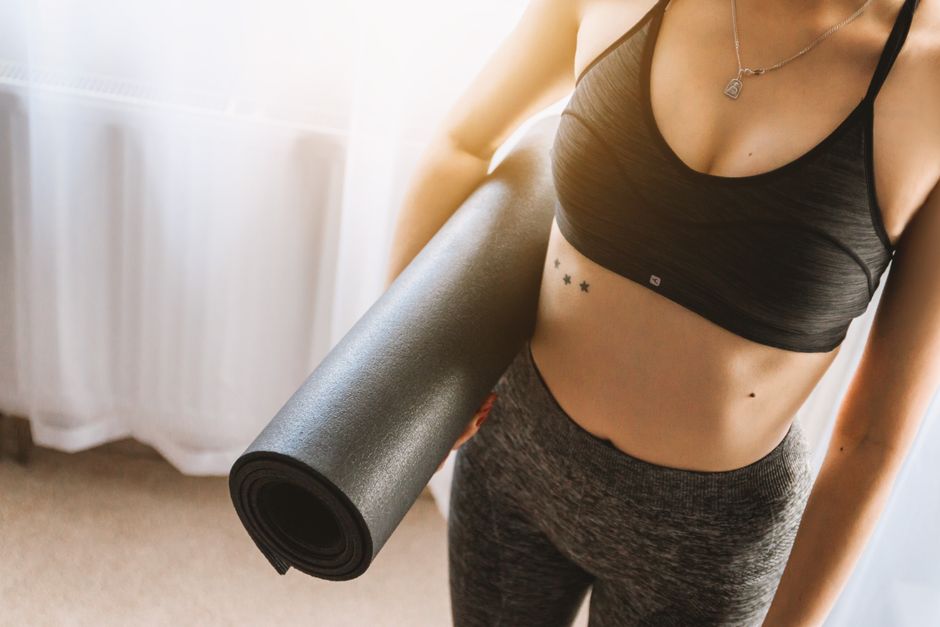
Synthetic, tight-fitting fabrics trap heat and sweat against the skin. Loose, moisture-wicking clothing made from natural or technical fabrics reduces friction and ventilation problems, particularly for chest and back breakouts. If you use a gym bag against your body or a weight belt, wash those regularly. They collect bacteria and oils that transfer back to skin more than most people realize.
For your face specifically, skip heavy foundation or pore-blocking products on training days. If you prefer some coverage, look for non-comedogenic formulas designed not to clog pores.
Supporting Skin Barrier Health Through Nutrition
Recovery nutrition shapes more than muscle repair. What you eat in the hours after training also influences how well your skin barrier rebuilds itself. A few areas worth attention:
- Zinc plays a direct role in skin repair and has been studied for its role in reducing inflammatory acne. Whole-food sources include pumpkin seeds, legumes, beef, and eggs.
- Omega-3 fatty acids from fatty fish, flaxseed, or walnuts may help dampen the inflammatory response that contributes to post-workout flares. The evidence is described as promising in several review articles published through PubMed.
- Adequate protein fuels both muscle synthesis and collagen production. Aim for variety: eggs, chicken, Greek yogurt, lentils, and tofu all contribute.
- Hydration supports every cellular process in the skin. The sweat you lose during training needs replacing, and doing that with water or electrolyte-balanced fluids rather than sugary sports drinks keeps blood sugar steadier, which matters because research suggests high-glycemic foods may worsen inflammatory acne.
For more on how to pair protein and recovery nutrition after lifting, the guide on Strength Training Recovery Meals: Why Protein Timing and Carb Type Shape Muscle Repair Better Than Supplements covers practical meal strategies that support both muscle and skin recovery.

Sleep Is Part of Your Skin Recovery Plan
Your skin does most of its cellular repair during sleep. When you train hard and then sleep poorly, you are adding two stressors that both elevate cortisol and impair recovery. Cortisol’s relationship with sebum and skin inflammation is well established in dermatology research. Prioritizing seven to nine hours of quality rest on training days is not optional self-care; it is part of the recovery process.
If you are curious how skin health connects to broader movement patterns, you might find it useful to read about why skin improves after consistent walking and how movement supports healing from inside out. The circulation and nutrient delivery benefits described there apply to strength training too, just with more acute recovery demands layered on top.
A Simple Post-Workout Skin Recovery Routine
Pulling the practical steps together into a repeatable habit:
- During your workout: Use a clean sweat towel and avoid touching your face with your hands.
- Within 30 to 60 minutes post-training: Shower with a gentle, fragrance-free body wash. Use salicylic acid body wash if back or chest acne is your concern.
- After cleansing: Apply a light, non-comedogenic moisturizer. Skipping moisturizer after cleansing can trigger more oil production.
- Same evening: Eat a balanced recovery meal with protein, healthy fats, and complex carbs. Prioritize sleep.
- On rest days: Let your skin breathe with minimal product. A basic SPF moisturizer is enough for most people.
If breakouts persist despite consistent habits for six to eight weeks, a visit to a board-certified dermatologist is worth scheduling. Persistent acne has multiple causes, and a professional can identify whether hormones, specific bacteria, or another factor needs targeted care.
Choose one habit from the list above, the shower timing, the nutrition shift, or the fabric swap, and make it automatic for two weeks before adding another. Small, consistent changes support skin health after workouts far better than an overhaul you abandon after three sessions.
For more practical guidance on training, recovery, and building sustainable healthy habits, the Clean Body Mentor newsletter delivers evidence-informed tips weekly. You can also explore the digestive and recovery connection on strength training days to understand how what you eat shapes your whole-body response to lifting.
This article is for general educational and informational purposes only and is not a substitute for medical advice, diagnosis, or treatment. Health needs vary by individual. Consult a qualified healthcare professional before making significant changes to your diet, exercise routine, supplements, medication, or treatment plan, especially if you have a medical condition, are pregnant or breastfeeding, take medication, or have concerns about your symptoms.
Sources
- American Academy of Dermatology Association. “Acne: Tips for managing.” AAD.org.
- Bhate K, Williams HC. “Epidemiology of acne vulgaris.” British Journal of Dermatology, 2013. (via PubMed)
- Zwickey H et al. “The role of diet and nutrition in inflammatory skin conditions.” Summary via PubMed-indexed reviews on omega-3 and acne.
- Kucharska A et al. “Significance of diet in treated and untreated acne vulgaris.” Advances in Dermatology and Allergology, 2016. (PubMed)
- National Institutes of Health Office of Dietary Supplements. “Zinc – Fact Sheet for Health Professionals.” NIH.gov.