

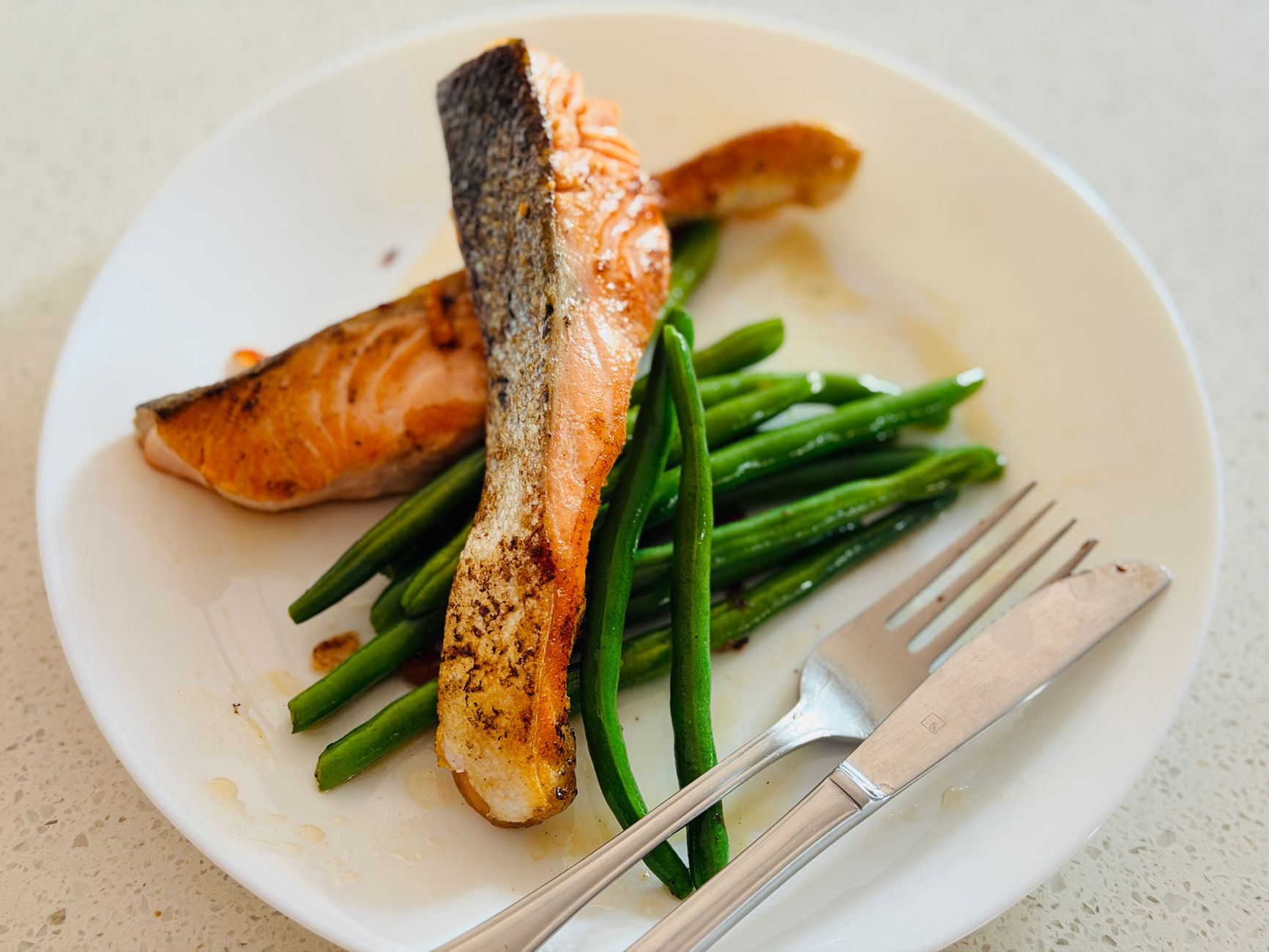
By the time 3pm arrives, most people are reaching for coffee, candy, or both. But the real trouble usually starts two hours earlier, at lunch. What you eat at midday directly shapes your blood sugar curve, your neurotransmitter balance, and how much mental focus you can hold into late afternoon.
High-protein lunch choices with the right supporting nutrients do more than fill you up. Research published in journals indexed by the National Library of Medicine suggests that protein slows gastric emptying and blunts postprandial glucose spikes, which is the physiological reason a protein-centered meal keeps energy steadier than a carbohydrate-heavy one. If you have ever wondered why your afternoon brain fog lifts when you eat protein first, this guide walks through the mechanism in plain language.
The five pairings below are ranked from good to best based on three practical factors: protein density, the glycemic quality of the accompanying foods, and how realistic the meal is to prepare on a weekday.
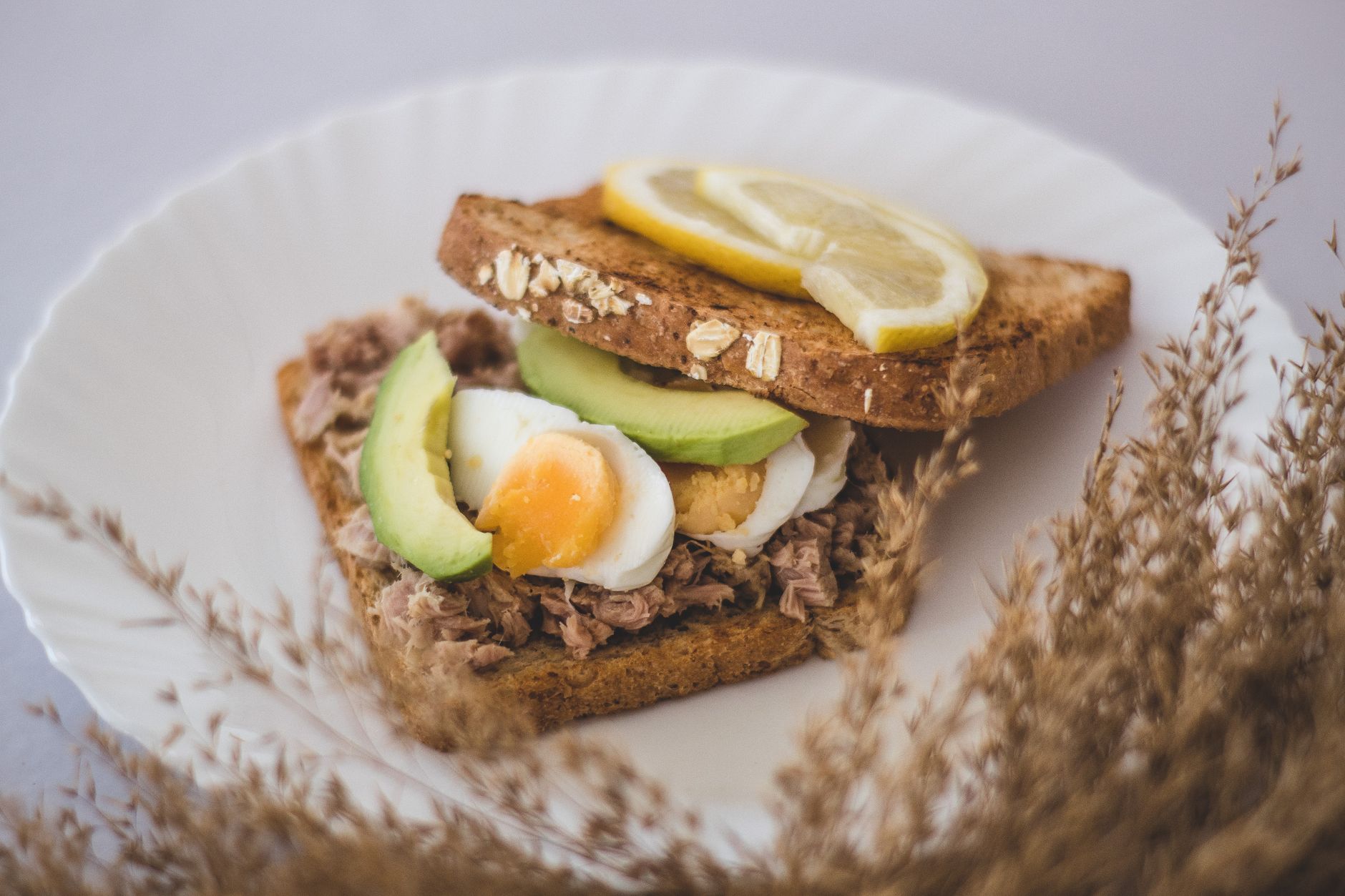
5. Canned Tuna on Whole-Grain Crackers with Sliced Avocado
Approximate protein: 25-28g
This ranks fifth not because it performs poorly, but because the satiety window is slightly shorter than the pairings above it. Canned tuna in water is one of the most affordable complete protein sources available, delivering all nine essential amino acids. Whole-grain crackers add fiber and a moderate glycemic load, and avocado contributes monounsaturated fat that slows digestion further.
The limitation: total caloric density is lower here, so some people feel hunger again around 4pm. Adding a small handful of pumpkin seeds pushes the satiety window closer to two and a half hours. Keep prep time under five minutes by using pouched tuna and pre-portioning crackers the night before.
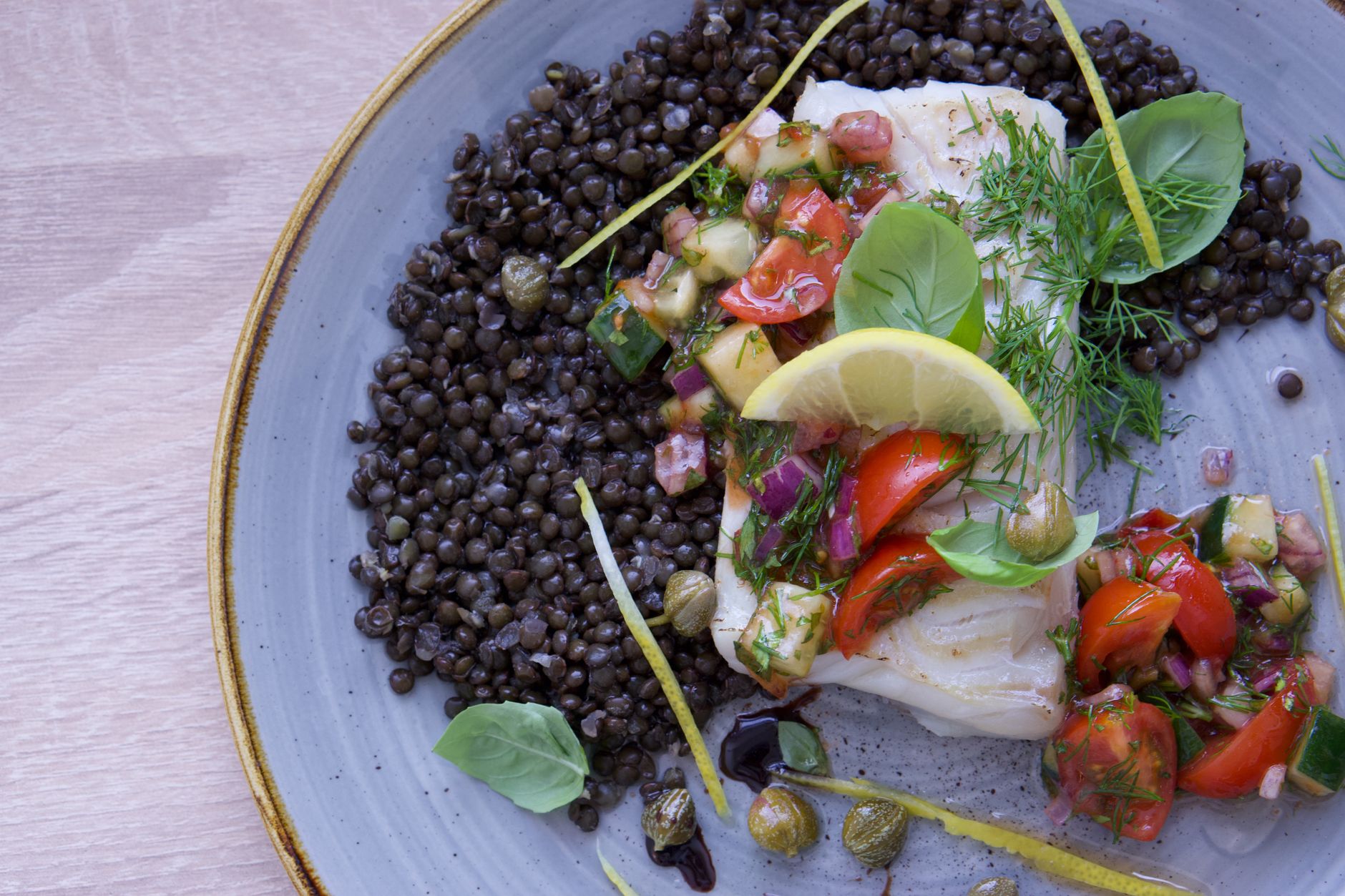
4. Greek Yogurt Bowl with Lentils, Cucumber, and Olive Oil Drizzle
Approximate protein: 28-32g
This combination might look unusual, but savory yogurt bowls are common across Mediterranean and Middle Eastern food traditions for good reason. Full-fat or 2% Greek yogurt provides casein protein, which digests more slowly than whey. Cooked lentils add plant protein, resistant starch, and iron. Cucumber contributes volume and water content without raising blood sugar.
The olive oil drizzle is not decorative: dietary fat at lunch is one of the most underrated tools for high-protein lunch energy sustained across the afternoon. Research suggests fat triggers cholecystokinin release, a hormone that signals fullness to the brain. This bowl holds focus reliably for three to four hours in most adults.
For a broader look at how lentils and other plant proteins compare on cost and satiety, this ranking of plant-based proteins is worth a read.
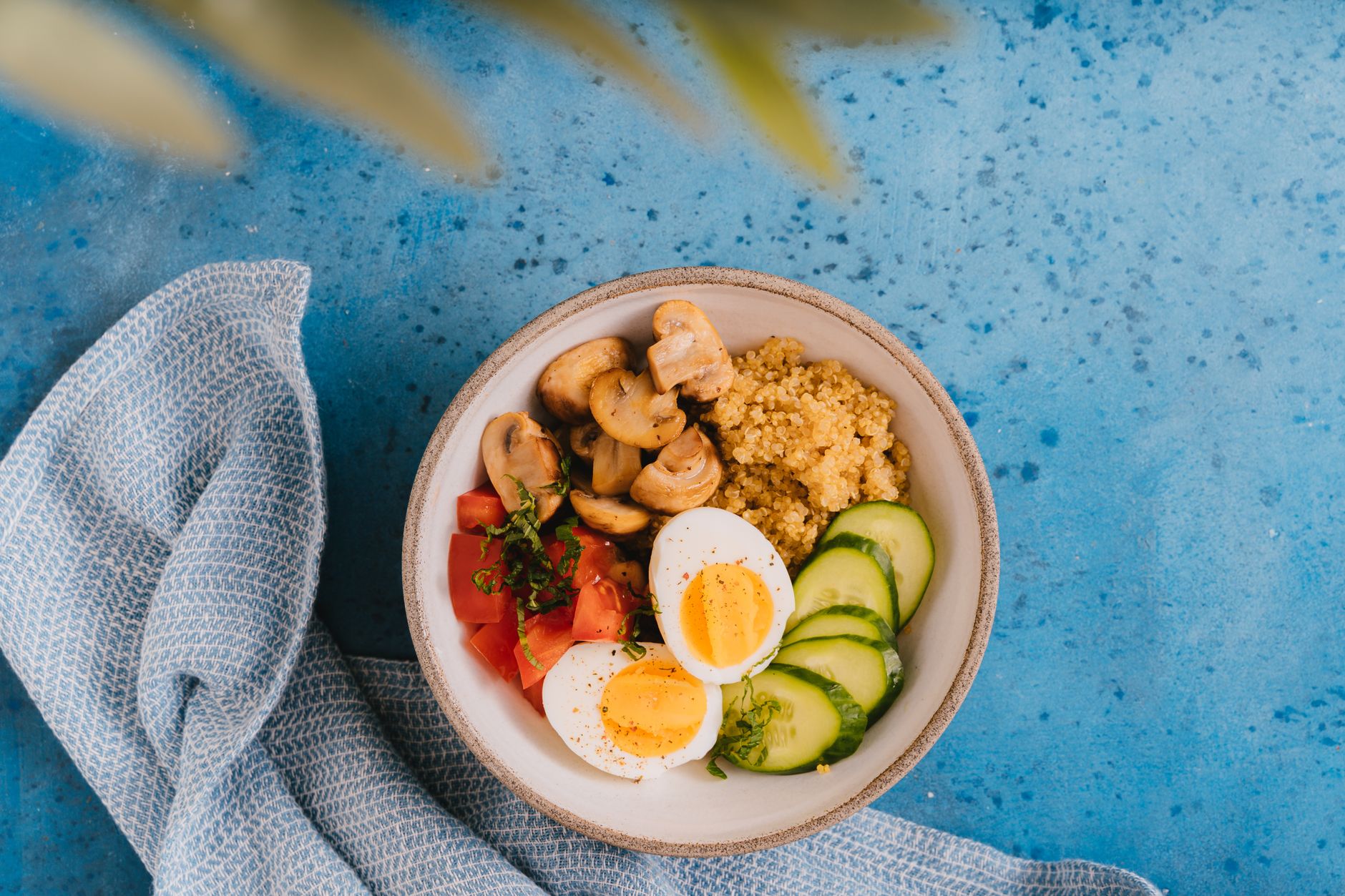
3. Hard-Boiled Eggs with Quinoa, Roasted Chickpeas, and Spinach
Approximate protein: 30-35g
This is a meal-prep champion. Quinoa is one of the few plant foods that qualifies as a complete protein on its own, and pairing it with eggs creates a protein stack that covers all amino acid bases. Roasted chickpeas add crunch, fiber, and additional plant protein. Spinach brings magnesium, which supports nerve and muscle function and may help reduce the fatigue signal that builds in a depleted afternoon brain.
The glycemic load of this bowl is low to moderate, meaning blood sugar rises gradually and falls gradually rather than spiking and crashing. If you batch-cook quinoa and chickpeas on Sunday, assembling this lunch takes under four minutes. It travels well in a container and does not require reheating.
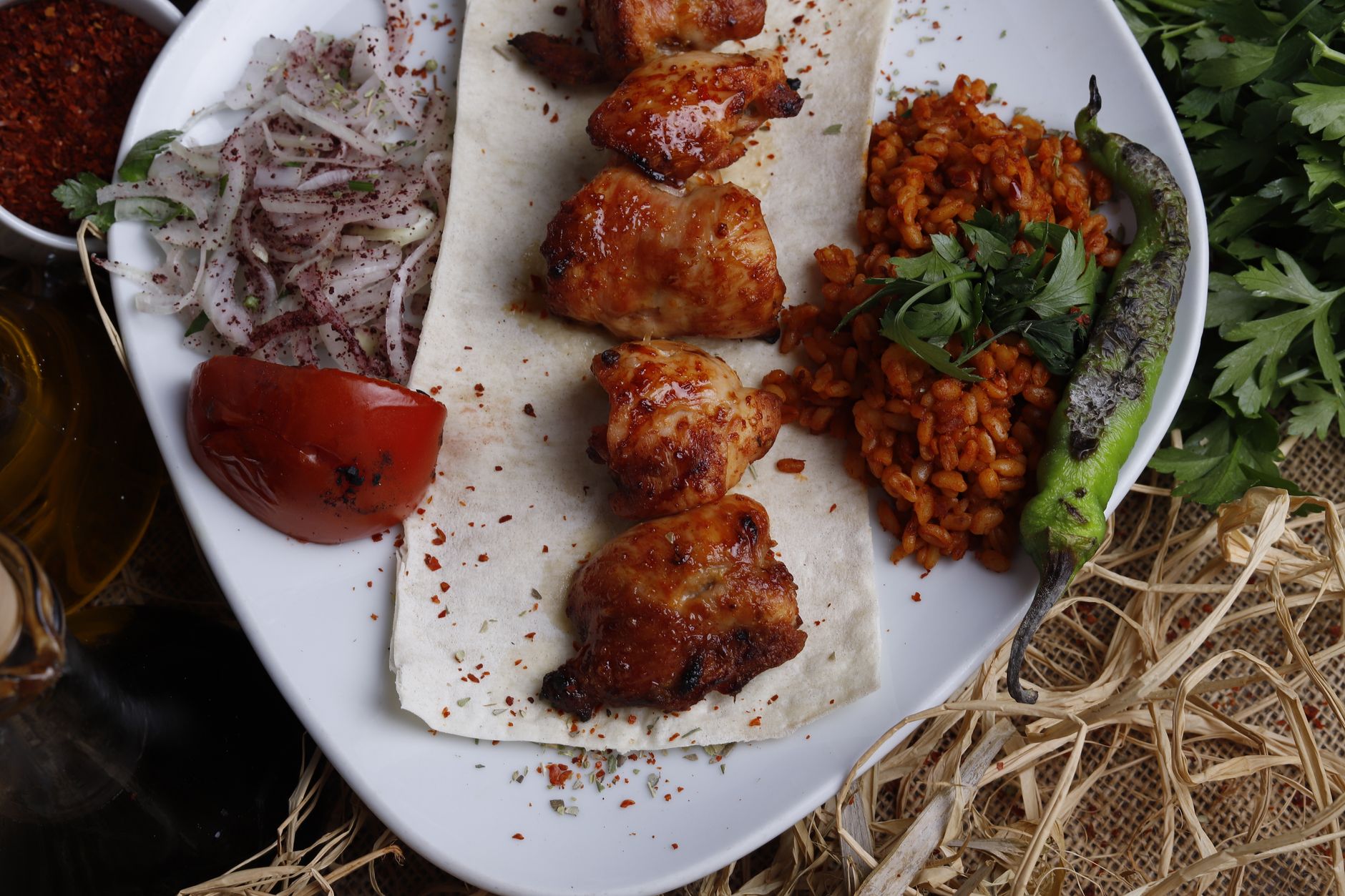
2. Grilled Chicken Thigh with Farro, Roasted Vegetables, and Tahini
Approximate protein: 38-42g
Chicken thigh edges out breast for this ranking because it contains slightly more fat, which improves satiety duration without meaningfully changing protein content. Farro is a whole grain with a lower glycemic index than white rice or pasta, and its chewy texture slows eating pace naturally, which gives satiety hormones time to register before you overeat.
Tahini (sesame paste) contributes healthy fat, additional protein, and a calcium hit that some people miss at lunch entirely. The combination of animal protein, slow-releasing carbohydrate, and fat from tahini creates one of the most stable blood sugar curves you can achieve at a weekday lunch, based on what we understand about macronutrient timing and postprandial glucose response.
If this pairing sparks interest in understanding why meal composition affects your post-lunch energy so directly, this article on postprandial energy crashes and meal composition gives a clear breakdown.
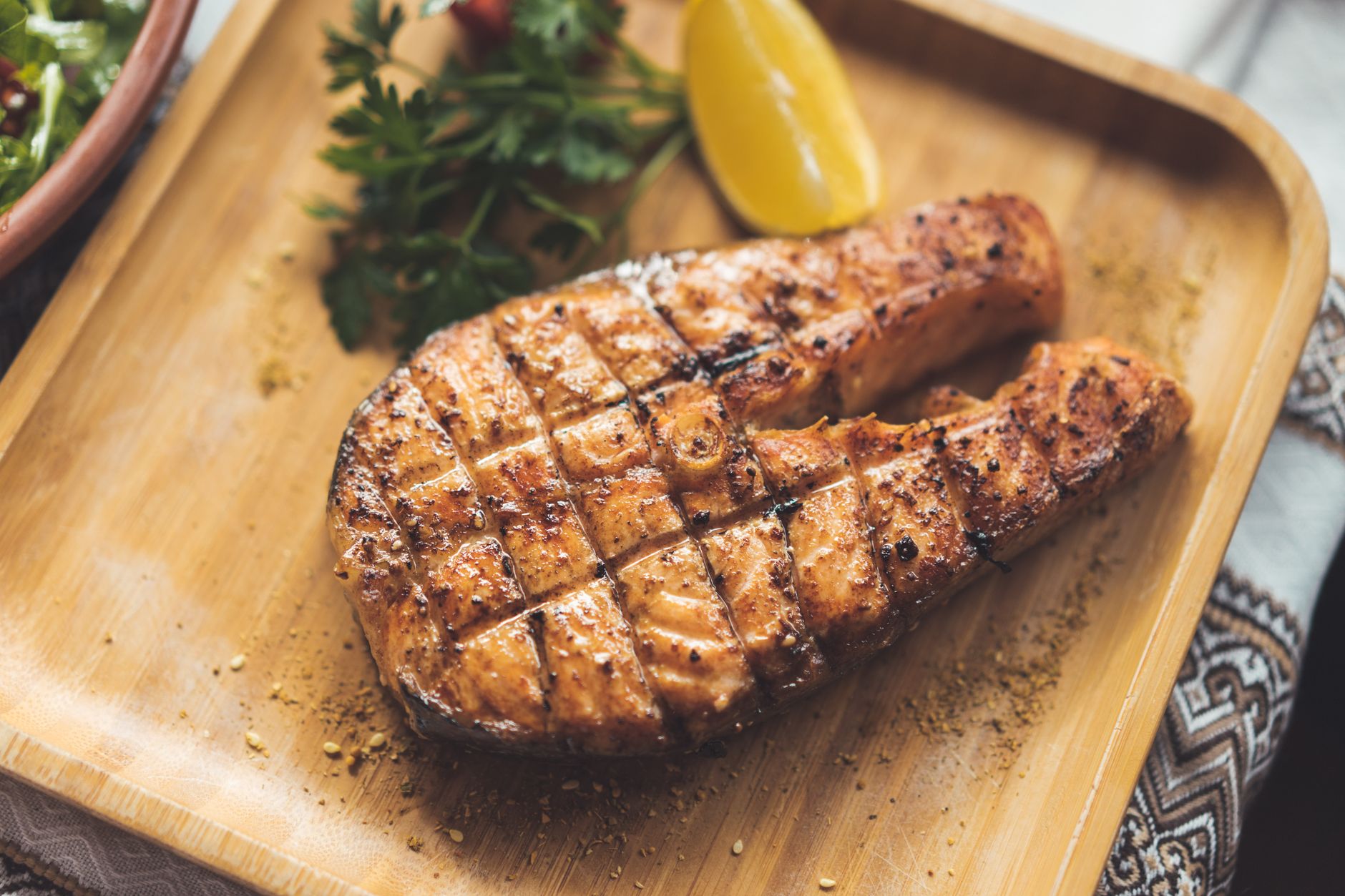
1. Salmon with White Beans, Wilted Greens, and Lemon
Approximate protein: 40-45g
Salmon earns the top spot for three reasons that go beyond raw protein count. First, the omega-3 fatty acids (EPA and DHA) in fatty fish are associated with reduced neuroinflammation and improved cognitive function, according to research summarized by the National Institutes of Health Office of Dietary Supplements. For high-protein lunch energy sustained into late afternoon, cognitive clarity matters as much as avoiding hunger.
Second, white beans add fiber and plant protein while keeping the glycemic load low. Third, wilted greens (spinach, kale, or chard work equally well) add B vitamins and magnesium, both of which support energy metabolism at the cellular level.
This meal does require slightly more prep than canned tuna, but canned salmon works almost as well and dramatically cuts time. Drain it, mix with white beans, squeeze lemon over wilted greens, and you have a nutrient-dense lunch in eight to ten minutes.
If afternoon cravings in the evening are also a problem, the connection between afternoon protein timing and evening hunger is real. This case study on evening cravings and protein timing explains the pattern clearly.
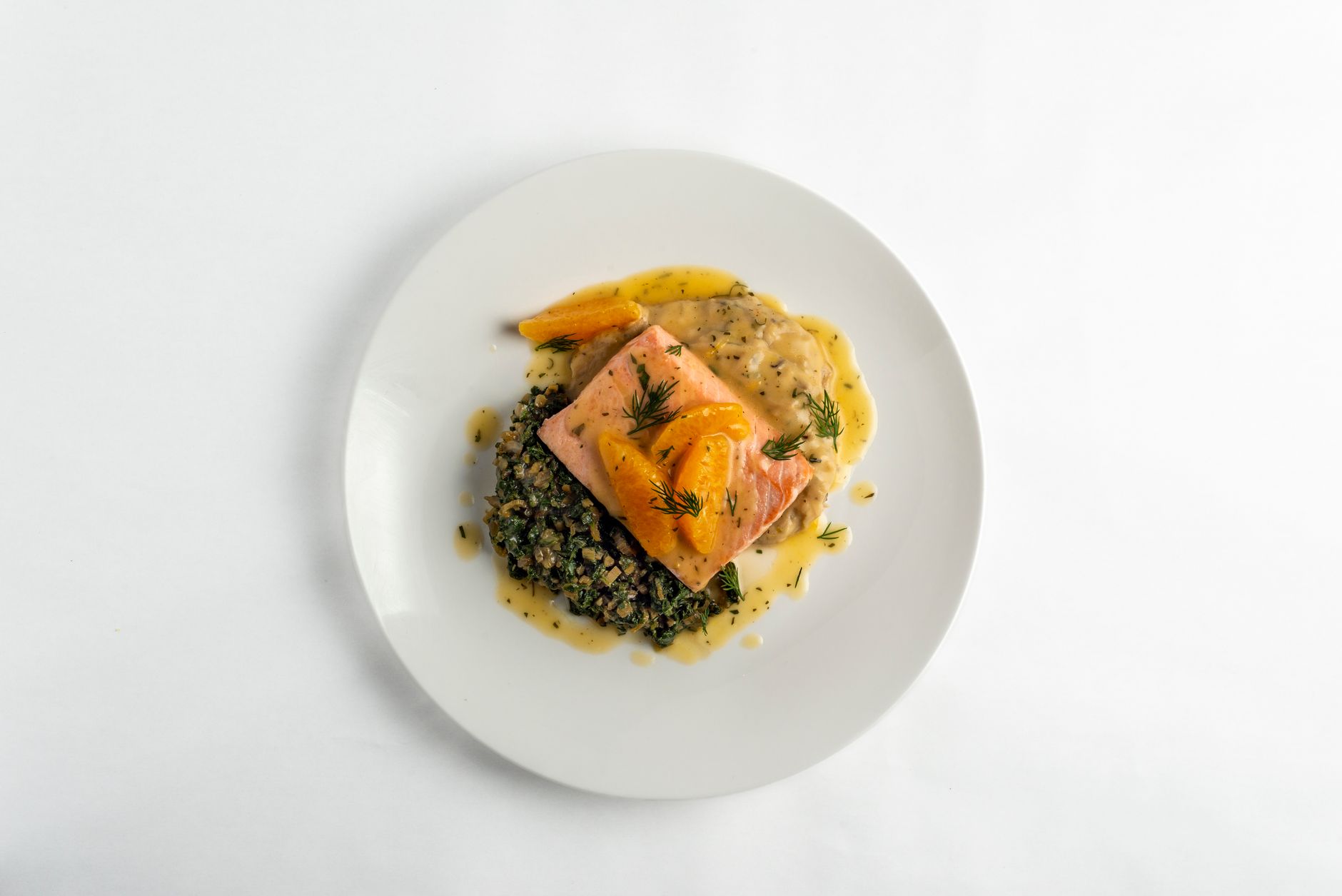
What All Five Pairings Share
Notice that none of these lunches rely on processed carbohydrates alone, low-fat products, or skipping food groups. Each pairing combines:
- A substantial protein anchor (30g or more in four of the five)
- Fiber from whole grains, legumes, or vegetables
- Healthy fat from avocado, olive oil, tahini, or fish
- Minimal added sugar
That structure is what prevents the blood sugar roller coaster that most afternoon slumps ride down. If you want to extend the effect further, pairing your lunch with smart caffeine timing later in the afternoon can support focus without disrupting evening sleep.
A Practical Starting Point
You do not need to overhaul your entire eating pattern at once. Pick one pairing from this list that fits your current schedule and try it consistently for one week. Notice how your focus, hunger, and mood feel at 3pm compared to your usual lunch. That single observation tends to be more motivating than any headline.
For more practical guidance on building sustainable habits around meals and energy, the Clean Body Mentor newsletter delivers weekly ideas directly to your inbox.
This article is for general educational and informational purposes only and is not a substitute for medical advice, diagnosis, or treatment. Health needs vary by individual. Consult a qualified healthcare professional before making significant changes to your diet, exercise routine, supplements, medication, or treatment plan, especially if you have a medical condition, are pregnant or breastfeeding, take medication, or have concerns about your symptoms.

Sources
- National Institutes of Health, Office of Dietary Supplements: Omega-3 Fatty Acids Fact Sheet (ods.od.nih.gov)
- Leidy HJ et al. “The role of protein in weight loss and maintenance.” American Journal of Clinical Nutrition, 2015. (Referenced via PubMed/NIH)
- Flint A et al. “Glucagon-like peptide 1 promotes satiety and suppresses energy intake in humans.” Journal of Clinical Investigation, 1998.
- USDA FoodData Central (fdc.nal.usda.gov) for protein content estimates


