
You follow the recipe. You plate the right portions. You try. And somehow the results still stall. If that pattern feels familiar, the problem likely happened two days earlier in aisle seven.
Grocery shopping for weight loss is where sustainable fat loss actually begins, long before you turn on the stove. The foods that land in your cart determine almost every eating decision you make during the week. When those choices skew toward ultra-processed convenience, nutrient-poor snacks, and liquid calories, no amount of kitchen discipline can fully compensate.
This guide breaks down the three categories of purchases that quietly derail fat loss, shows you evidence-informed swaps, and gives you a concrete shopping system you can use on your next trip.

The Three Cart Traps That Work Against Fat Loss
Trap 1: Ultra-Processed Convenience Foods
Ultra-processed foods are not just “junk food.” They are industrially formulated products engineered with combinations of fat, salt, sugar, and texture specifically designed to encourage overeating. A large cohort study published by NIH-affiliated researchers in Cell Metabolism (2019) found that participants assigned to an ultra-processed diet consumed significantly more calories per day and gained weight compared to those eating minimally processed foods, even when overall nutrients appeared matched on paper.
The mechanism is partly about satiety. Whole foods require more chewing, digest more slowly, and trigger fullness hormones more reliably. Pre-packaged pasta meals, frozen breaded proteins, and flavored rice packets can slide through a meal without satisfying hunger the way their calorie count suggests they should.
Swap strategy: Replace one ultra-processed staple per week rather than overhauling the entire cart. Swap a boxed pasta kit for dried pasta and canned tomatoes. Swap breaded frozen chicken for plain frozen chicken breast you season at home. Small replacements add up to a genuinely different pantry within a month.
Trap 2: Nutrient-Poor Snack Purchases
Snack foods earn shelf space partly because they are cheap, craveable, and easy to justify as “just a little something.” The problem is they tend to be calorie-dense without delivering fiber, protein, or micronutrients that help regulate appetite. Research published in Nutrients (2021, MDPI) suggests that higher protein and fiber intakes are independently associated with greater satiety, which matters enormously when you are working toward a moderate calorie deficit.
If your cart regularly includes flavored crackers, candy, chips, and cookies in quantity, those items form the backbone of your between-meal eating before the week even starts.
Swap strategy: Decide on two or three satisfying snack anchors before you shop. Good options include Greek yogurt, hard-boiled eggs, cottage cheese, whole fruit, or mixed nuts in a measured portion. For more inspiration, High-Protein Snacks for Afternoon Energy: Five Real Combos Ranked by Satiety, Speed, and No-Fridge Options covers practical choices that actually keep hunger at bay between meals.
Trap 3: Liquid Calories That Fly Under the Radar
Drinks are the easiest place for excess calories to hide because they rarely trigger the same fullness signals as solid food. A 2019 review in Advances in Nutrition (Oxford Academic) noted that liquid calories, particularly from sugar-sweetened beverages, tend to add on top of solid food intake rather than displacing it.
Your grocery cart often carries more liquid calories than you realize: bottled smoothies, sweetened iced teas, flavored coffees, sports drinks, and juice all look healthy on the label but can deliver 200 to 400 calories per serving with minimal satiety.
Swap strategy: Default to water, sparkling water, or plain coffee and tea as your primary beverages. If you want flavor, buy whole fruit and add it to water at home. If you genuinely want a smoothie, making one from whole ingredients gives you control over what goes in it. Hydration Timing for Morning Mental Clarity: Why Electrolyte Balance Matters More Than Chugging Water is worth reading if you feel like you need flavored drinks to stay hydrated.
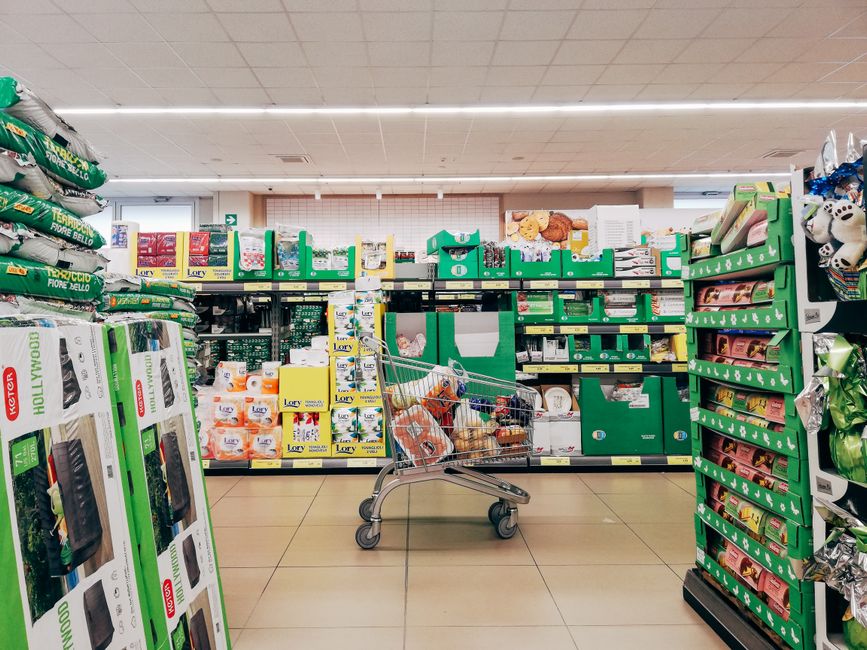
Build Your Cart With Intent: A Simple Aisle-by-Aisle Framework
Shopping with a plan is not about rigidity. It is about protecting your future self from impulse decisions made at 6 pm when you are tired and hungry. Here is a repeatable structure:
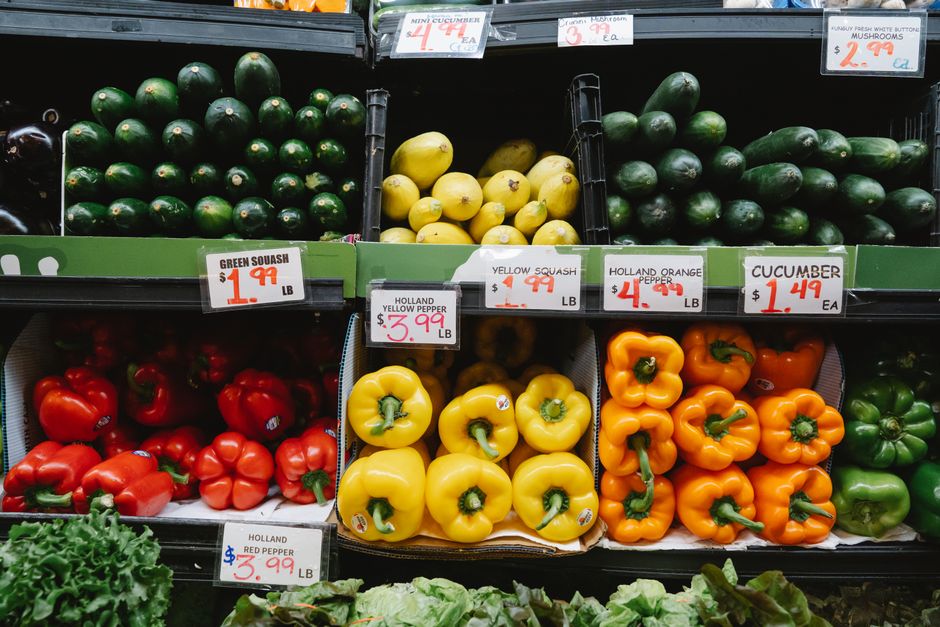
Produce first. Fill half your cart with vegetables and fruit before anything else. Volume eating with low-calorie-density vegetables such as leafy greens, cucumber, zucchini, bell peppers, and cruciferous vegetables helps you feel satisfied at meals without excess calories. Buying in-season produce also keeps costs lower. Seasonal Produce Price Shifts: Why Winter Root Vegetables Cost Half What Spring Greens Do and How to Shift Your Cart Year-Round explains how to match your produce choices to the season without sacrificing nutrition.
Protein anchors next. Choose two to three protein sources for the week. Options might include eggs, plain Greek yogurt, canned legumes, tofu, plain chicken or turkey, or canned fish. Having these ready reduces the pressure that leads to ultra-processed shortcuts. If you want to lean into plant-based options, Five Plant Proteins Ranked by Real Satiety, Cost, and Honest Prep Time for Beginners offers a grounded comparison.
Whole grains and legumes in modest amounts. Oats, brown rice, quinoa, lentils, and canned beans provide fiber and complex carbohydrates that support steady energy. These do not need to dominate the cart, but having them on hand means fewer reasons to grab packaged grain products.
Fats from whole sources. Avocados, olive oil, and unsalted nuts offer dietary fat that supports satiety and nutrient absorption without the additives found in processed fat-heavy snacks.
A written list, every time. Research published in the International Journal of Behavioral Nutrition and Physical Activity suggests that people who shop with a list purchase more nutritious items and spend less impulsively. Write the list after deciding your meals for the week, not during shopping.

What to Leave Out Without Feeling Deprived
This system does not require a perfect cart. If you want one specific treat, buying a single serving is smarter than buying a party-size bag and relying on willpower at home. The goal is reducing the presence of items that undermine your intentions, not eliminating pleasure.
If a food item is not in your house, it is nearly impossible to eat impulsively. That is not deprivation. That is environmental design working in your favor.
For readers who want to think through how food timing and composition interact once the groceries are home, How Meal Timing on Rest Days Shapes Your Digestion and Hunger Signals pairs well with this shopping framework.

Your One Realistic Starting Point
Choose one item from each of the three trap categories in your current cart and swap it for a whole-food alternative this week. That is three swaps, not thirty. Done consistently over a month, those changes reshape your food environment more durably than any short-term meal plan.
For ongoing support with evidence-informed nutrition and wellness habits, consider joining the Clean Body Mentor newsletter for practical weekly guidance delivered to your inbox.
This article is for general educational and informational purposes only and is not a substitute for medical advice, diagnosis, or treatment. Health needs vary by individual. Consult a qualified healthcare professional before making significant changes to your diet, exercise routine, supplements, medication, or treatment plan, especially if you have a medical condition, are pregnant or breastfeeding, take medication, or have concerns about your symptoms.
Sources
- Hall, K.D. et al. “Ultra-Processed Diets Cause Excess Calorie Intake and Weight Gain.” Cell Metabolism, 2019. National Institutes of Health (NIH).
- Dhillon, J. et al. “The Effects of Increased Protein Intake on Fullness.” Nutrients, 2016. MDPI.
- Flood-Obbagy, J.E. and Rolls, B.J. Related work on liquid vs. solid food and satiety. Referenced in Advances in Nutrition, Oxford Academic, 2019 review context.
- Dubowitz, T. et al. Shopping list and dietary quality associations. International Journal of Behavioral Nutrition and Physical Activity, BMC/Springer Nature.