
You load your plate with roasted zucchini, a handful of greens, and maybe some cherry tomatoes, and by 2:30 pm your stomach is already lobbying for a snack. Sound familiar? The issue is rarely the vegetables themselves. It is usually a missing layer: a fat that slows gastric emptying, a starchy whole grain that steadies blood sugar, or a legume that adds both protein and fiber.
Research published by the British Journal of Nutrition and reviewed by the National Institutes of Health consistently shows that meals higher in dietary fiber and moderate in fat extend satiety significantly longer than low-calorie vegetable plates eaten alone. The good news is you do not need a protein shake to fix the gap.
Below are seven filling vegetable lunches built around strategic layering, with notes on cost and weekday prep so none of them become a project.
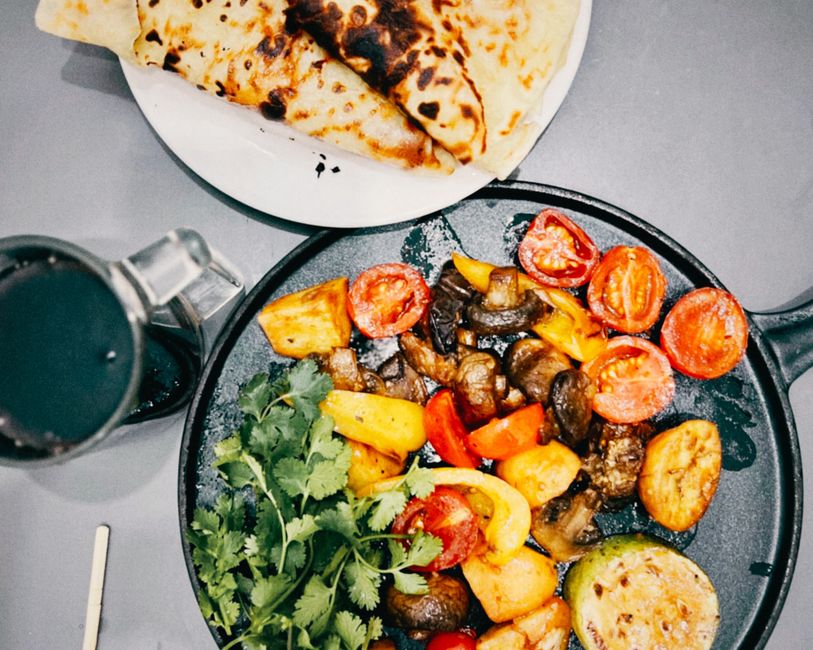
1. White Bean and Roasted Tomato Flatbread
Spread mashed white beans on a whole-grain flatbread or pita, top with roasted cherry tomatoes, arugula, and a drizzle of olive oil. Finish with a squeeze of lemon.
Why it works: White beans deliver roughly 8 grams of protein and 6 grams of fiber per half-cup (USDA FoodData Central). The olive oil adds monounsaturated fat that slows digestion, while the flatbread provides a modest carbohydrate anchor. Total prep time is under 10 minutes if you use canned beans.
Budget note: Canned white beans are typically under $1.50 per can, making this one of the most affordable options here.
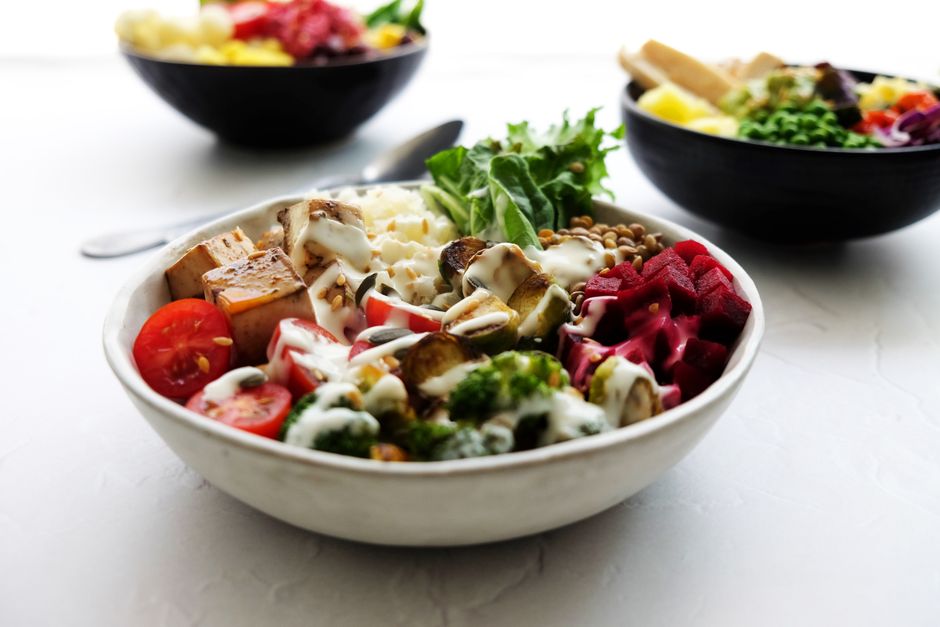
2. Farro, Roasted Beet, and Walnut Bowl
Toss cooked farro with cubed roasted beets, a handful of spinach, sliced walnuts, and a red-wine vinegar dressing with a tablespoon of tahini stirred in.
Why it works: Farro is a whole grain with notably higher protein and fiber than white rice. Walnuts contribute fat and a small but meaningful amount of alpha-linolenic acid (ALA), an omega-3 fatty acid. Tahini in the dressing adds creaminess and extra calories that push the meal into satisfying territory without feeling heavy.
Prep tip: Cook a batch of farro on Sunday. It stores well for four days and forms the base of several lunches in this list.

3. Lentil and Roasted Carrot Soup With Whole-Grain Bread
A cup and a half of red lentil soup alongside one or two slices of whole-grain bread consistently shows up as one of the most filling vegetable lunches, and the evidence supports this. Lentils are among the most fiber-dense legumes available, with around 15 grams of fiber per cooked cup according to USDA data.
Why it works: The combination of soluble fiber from lentils and complex carbohydrates from whole-grain bread slows glucose absorption, which research suggests may help prevent the mid-afternoon energy dip many people associate with carbohydrate-heavy meals. Roasted carrots add natural sweetness and beta-carotene.
Cost: Dried red lentils are one of the cheapest ingredients in any kitchen. A full pot costs under $3 and provides four to five servings.

4. Stuffed Bell Peppers With Quinoa and Black Beans
Halve and roast bell peppers, then fill them with a mix of cooked quinoa, canned black beans, corn, cumin, and a spoonful of Greek yogurt or avocado on top.
Why it works: Quinoa is one of the few plant foods that contains all nine essential amino acids, making it a complete protein source (per Harvard T.H. Chan School of Public Health). Black beans add a second wave of fiber and protein. Together, they make a filling vegetable lunch that does not rely on powder or processed additions.
Modification: Skip the yogurt to keep this fully plant-based. Add a drizzle of olive oil instead to maintain the fat layer.
If you find yourself raiding the snack drawer anyway, Five Unexpected Reasons Your Afternoon Hunger Spikes at 3pm and What to Eat to Stop It is worth a read alongside this guide.
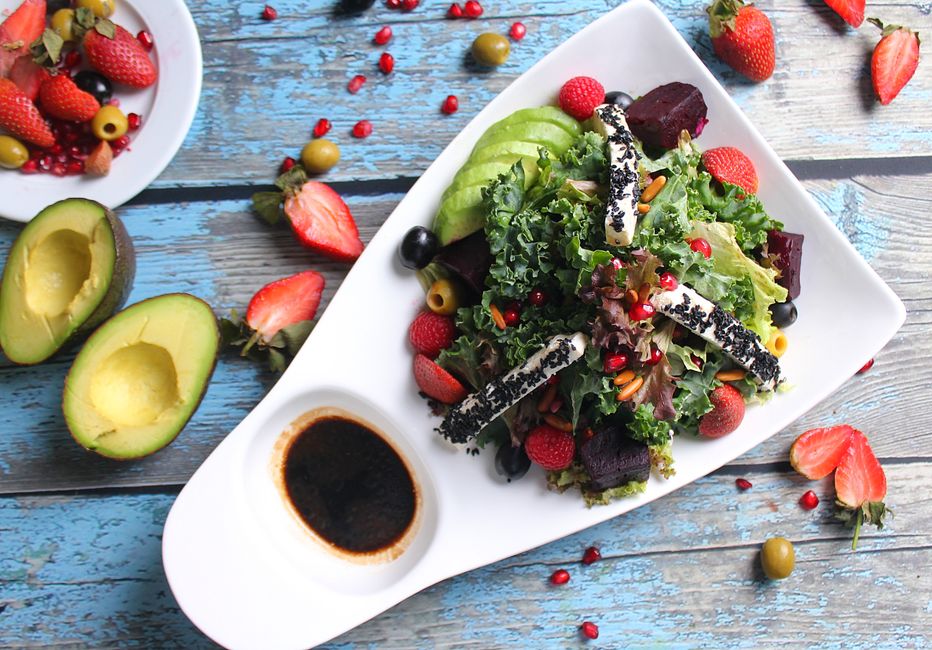
5. Massaged Kale Salad With Chickpeas, Avocado, and Pumpkin Seeds
Massage raw kale with a little olive oil and salt until it softens, then add roasted or canned chickpeas, diced avocado, pumpkin seeds, and a lemon-garlic dressing.
Why it works: Avocado provides oleic acid and about 7 grams of fiber per half fruit. Pumpkin seeds add zinc and magnesium alongside a satisfying crunch. Chickpeas contribute plant protein and resistant starch, which feeds beneficial gut bacteria. The fat from the avocado and seeds is the reason this salad does not leave you hungry by 2 pm.
Prep note: Massaged kale holds up well in the fridge for up to two days, making it one of the better make-ahead options in this lineup. For more on how legumes and seeds support energy across the day, see Plant-Based Protein Timing for Stable Energy: How Legumes, Grains, and Seeds Work Together Across Your Day.
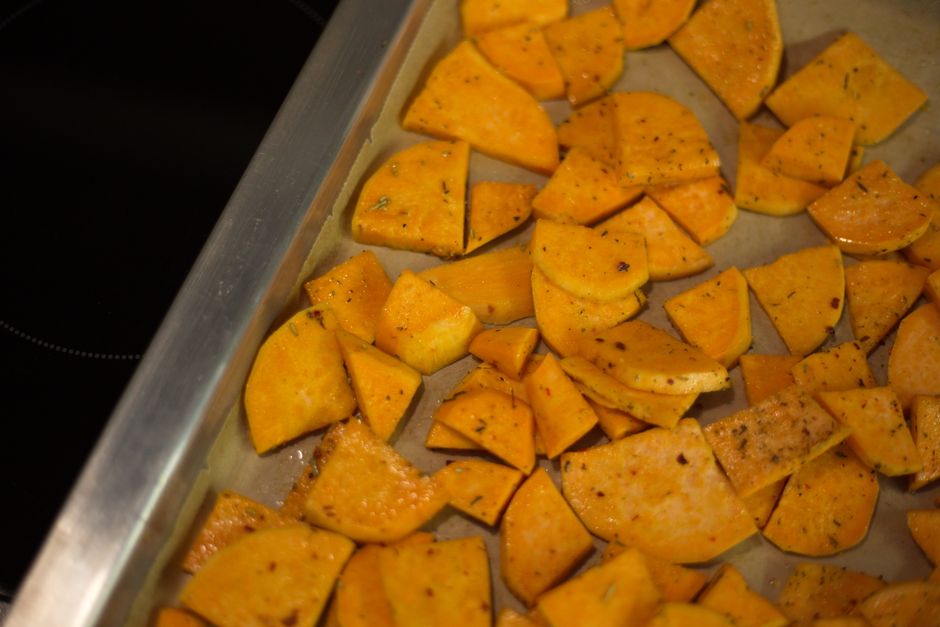
6. Roasted Sweet Potato and Lentil Wrap
Layer cubed roasted sweet potato, cooked green or French lentils, shredded cabbage, and a smear of hummus inside a whole-grain wrap. Add a dash of smoked paprika.
Why it works: Sweet potato provides complex carbohydrates alongside vitamin A and potassium. Hummus (made from chickpeas and tahini) adds fat, protein, and a creamy texture that ties the wrap together. This combination hits the three satiety levers: fat, fiber, and slow-digesting carbohydrates.
Weekday prep: Roast a tray of sweet potato cubes on Sunday and refrigerate. The wrap takes about three minutes to assemble at lunch.
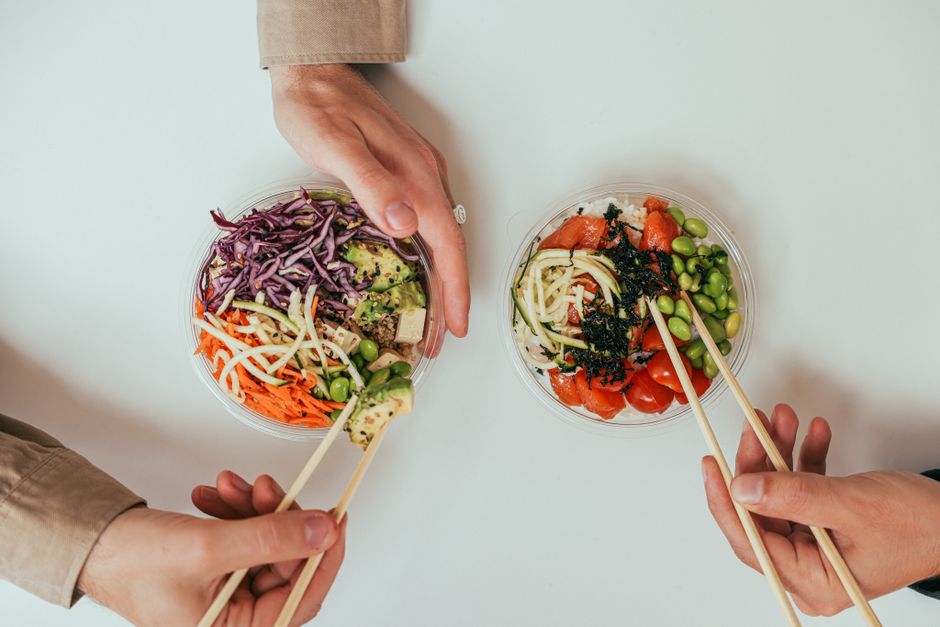
7. Brown Rice Bowl With Edamame, Shredded Cabbage, and Sesame Dressing
Build a bowl with cooked brown rice, shelled edamame, thinly sliced red cabbage, shredded carrots, cucumber, and a dressing of sesame oil, rice vinegar, low-sodium soy sauce, and a teaspoon of honey.
Why it works: Edamame provides about 17 grams of protein per cup (USDA FoodData Central), which is unusually high for a vegetable and does most of the satiety work here. Brown rice adds fiber and B vitamins. The sesame dressing contributes fat without weighing the bowl down.
Cost note: Frozen edamame is widely available and typically costs $2 to $3 per bag, covering multiple servings.
What These Lunches Share
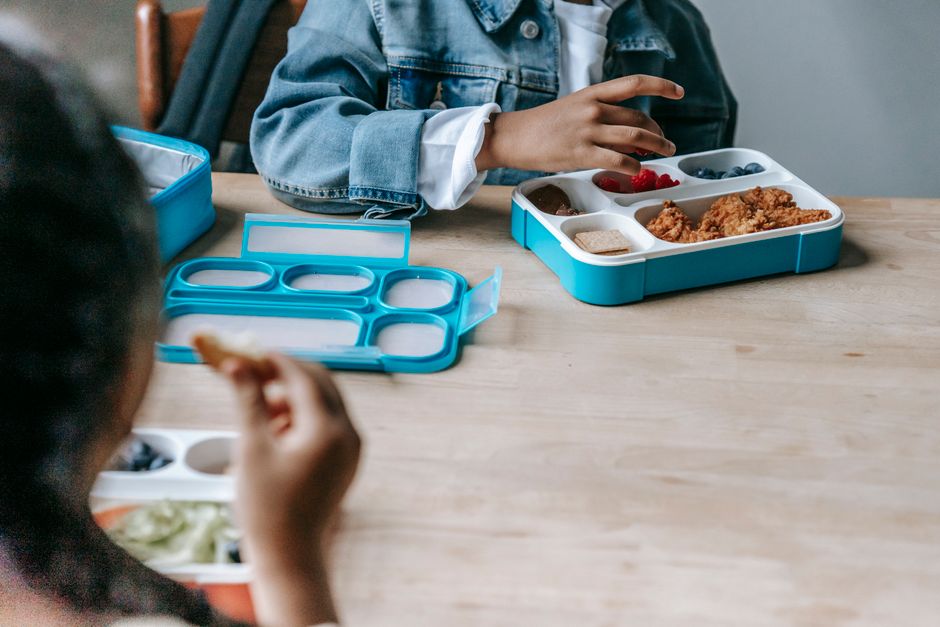
None of them rely on a single food to carry the meal. Each one layers at least two of these three satiety drivers: dietary fiber from vegetables and legumes, healthy fat from oil, nuts, seeds, or avocado, and slow-digesting carbohydrates from whole grains.
If you are also thinking about what happens after lunch, Why Your Afternoon Cravings Feel Impossible to Ignore and How Protein Pairing Interrupts the Cycle and Building a High-Protein Lunch for Stable Afternoon Energy: Macros, Meal Combos, and Real-Life Examples are practical companions to this guide.
Start with one lunch from this list this week. Build the prep habit around it before adding more. That kind of gradual, sustainable progress is what actually sticks.
This article is for general educational and informational purposes only and is not a substitute for medical advice, diagnosis, or treatment. Health needs vary by individual. Consult a qualified healthcare professional before making significant changes to your diet, exercise routine, supplements, medication, or treatment plan, especially if you have a medical condition, are pregnant or breastfeeding, take medication, or have concerns about your symptoms.
Sources
- U.S. Department of Agriculture FoodData Central: fdc.nal.usda.gov
- National Institutes of Health, National Library of Medicine. Dietary fiber and satiety: review of clinical evidence. British Journal of Nutrition (various issues).
- Harvard T.H. Chan School of Public Health, The Nutrition Source: Quinoa. hsph.harvard.edu/nutritionsource
- USDA FoodData Central: Lentils, cooked. fdc.nal.usda.gov