


You probably notice it without fully naming it: on days when you barely leave your chair, your stomach feels heavier, your appetite gets fuzzy, and that mid-afternoon bloat shows up uninvited. That is not random discomfort. It is your digestive system responding, predictably, to a lack of physical activity.
Understanding the relationship between digestion and movement is one of the more practical pieces of gut knowledge you can carry into a desk-heavy workweek. And the fix does not require a strict meal plan or a dramatic food overhaul.

How Movement Keeps Your Gut in Rhythm
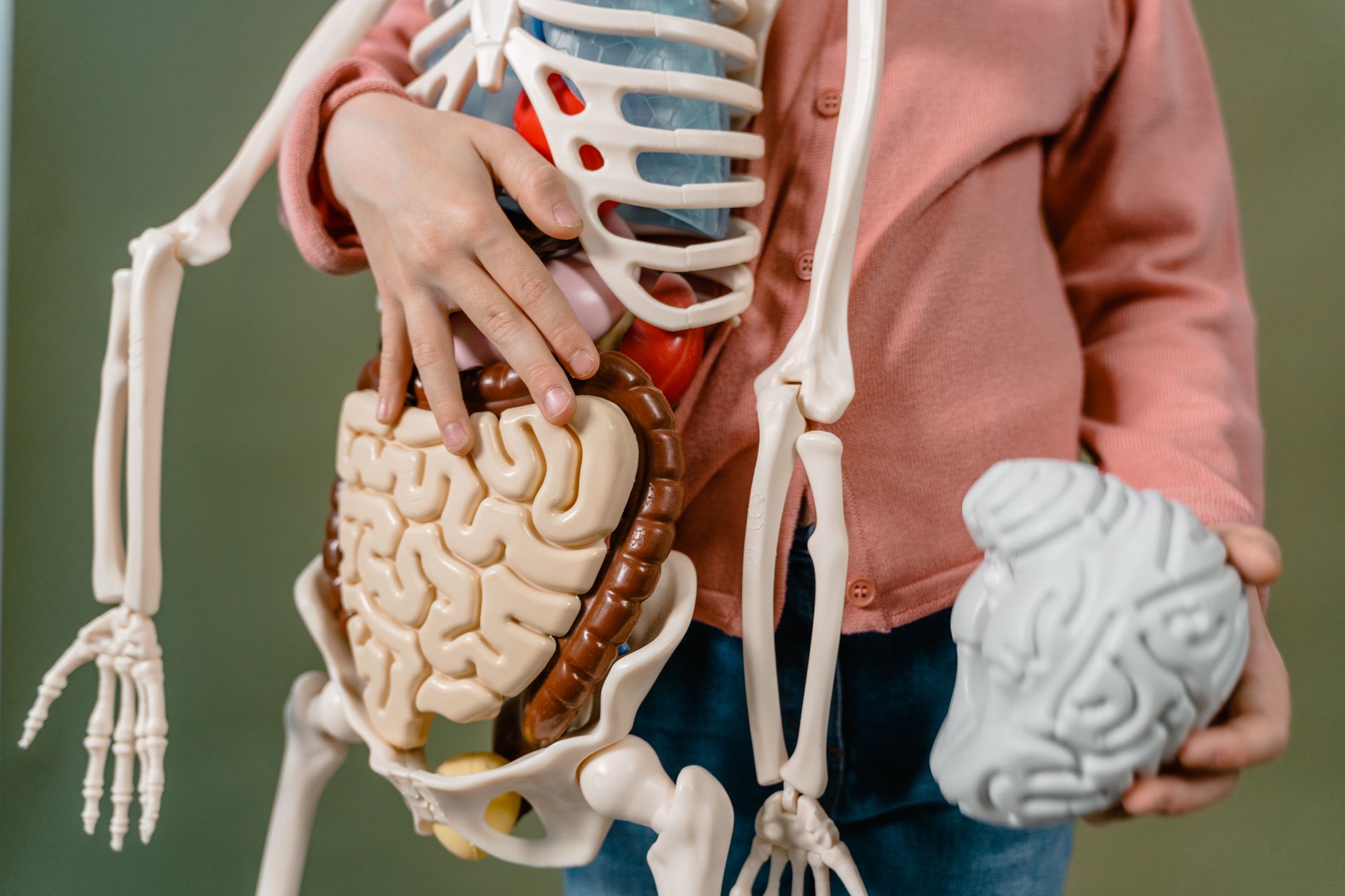
Your digestive tract moves food along through a process called peristalsis, rhythmic muscular contractions that push contents from your stomach through your intestines. Physical activity accelerates those contractions. When you walk, your abdominal muscles engage, your diaphragm moves, and blood flow to your gut increases. All of that encourages transit.
Remove that movement and the whole system slows. Research published in the Journal of Physiology and work reviewed by the American College of Gastroenterology both confirm that reduced physical activity is associated with longer intestinal transit times and increased symptoms like constipation and bloating. This is why digestive sluggishness on rest days is a recognizable pattern rather than a personal quirk.
Beyond peristalsis, sitting compresses your abdomen, which physically restricts the space your intestines have to work. Add a typical sedentary-day meal pattern (eating quickly at a desk, skipping lunch breaks, grazing without a schedule) and discomfort compounds.
Why Appetite Signals Go Quiet Too
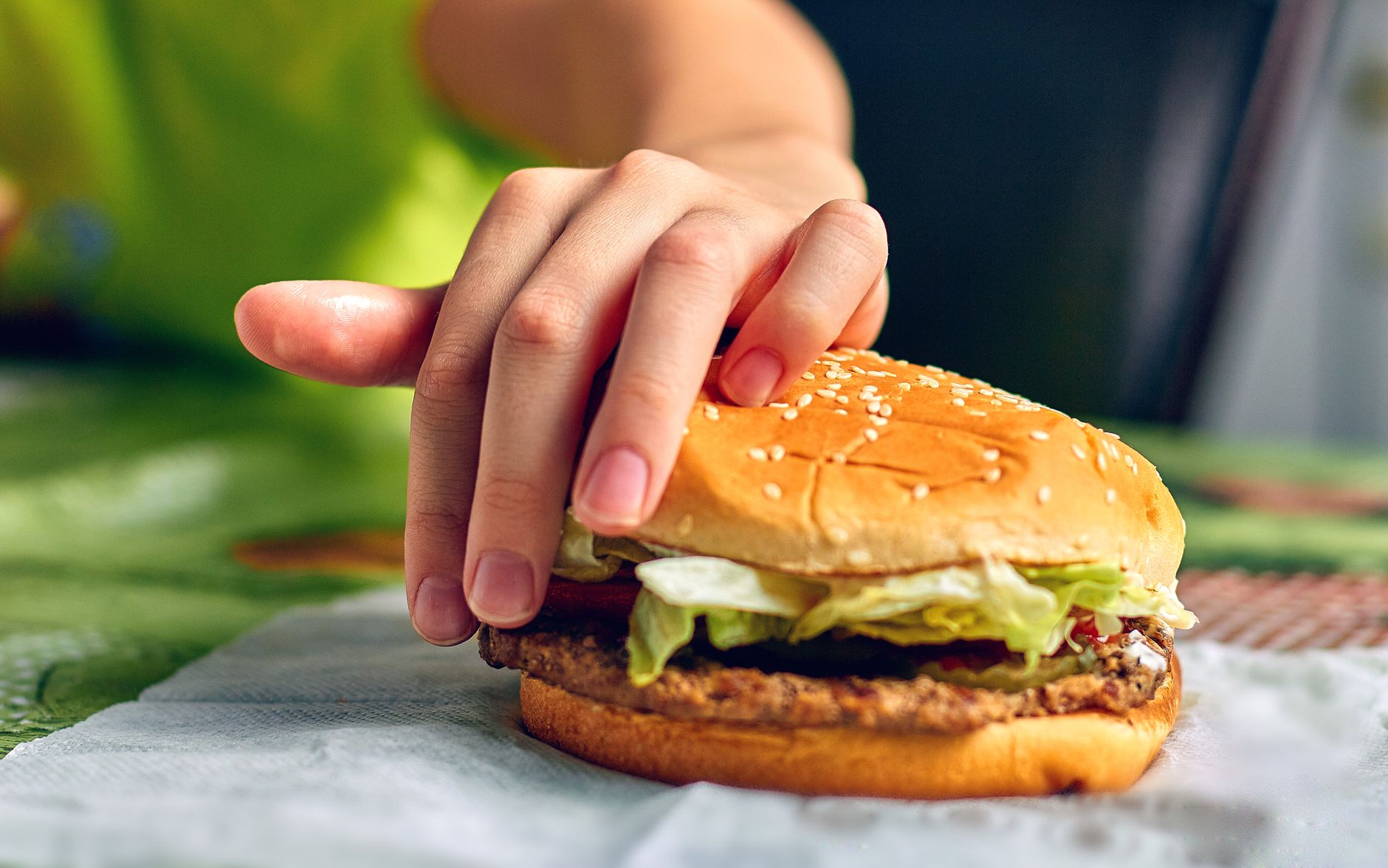
On low-movement days, many people report feeling less hungry at mealtimes but oddly snacky between them. This is partly driven by reduced energy expenditure affecting hunger hormones like ghrelin and leptin, and partly by the fact that slower transit leaves food sitting in your gut longer, sending fullness signals that do not reflect your actual nutritional needs.
The result: you may undereat at structured meals, overeat during idle snacking, and finish the day feeling uncomfortably full despite not having eaten especially well. How meal timing on rest days shapes your digestion and hunger signals goes deeper on this hormonal cycle if you want to understand the mechanics.

Five Practical Ways to Support Digestion on Sedentary Days
None of these suggestions ask you to restrict calories, cut food groups, or buy anything unusual. They are small structural choices that work with your slowed gut rather than against it.
1. Front-Load Your Fiber Earlier in the Day
Fiber supports motility, but timing matters when transit is slower than usual. Eating your highest-fiber foods at breakfast and lunch gives your gut the full afternoon to move things along before you wind down for sleep. Think oats, berries, cooked lentils, or a veggie-heavy egg scramble at breakfast. Saving a large raw salad for 8 p.m. on a day you barely moved is a recipe for overnight discomfort.
2. Adjust Portions Without Restricting Meals
You do not need fewer meals; you may benefit from slightly smaller ones. Rather than skipping lunch to compensate for feeling full, try eating a moderate, balanced plate at regular intervals. Skipping meals often backfires by slowing transit even further and setting up a blood sugar dip that sends you toward snack foods. Research suggests that consistent meal timing supports gut microbiome rhythm even on rest days (Mayer et al., Nature Reviews Gastroenterology and Hepatology, 2015).
3. Choose Cooked Vegetables Over Raw on Heavy Sitting Days
Raw vegetables are nutrient-dense and excellent in general, but their cell walls require more digestive work than cooked ones. On a fully sedentary day when your gut is already sluggish, steamed, roasted, or sauteed vegetables tend to cause less bloating. This is especially worth noting if you are prone to gas after big salads on office days.
4. Prioritize Hydration Before You Feel Thirsty
Water helps soften stool and supports the mucosal lining of your intestines. Sedentary days often come with less incidental movement, which means you may forget to drink. A practical habit is to link water intake to existing anchor points in your day: a glass before you open your laptop, one before each meal, one after using the bathroom. Herbal teas like ginger or peppermint may also offer mild digestive comfort, though the evidence for specific teas is preliminary.
5. Pay Attention to Eating Order and Pace
Eating slowly and chewing thoroughly reduces the digestive burden downstream. If you tend to eat lunch while reading emails, your gut is working without the parasympathetic nervous system fully engaged. Even a two-minute pause before eating and 15 minutes of unrushed chewing can make a measurable difference in how comfortable you feel an hour later. For more on this, why your eating order at meals changes digestion more than portion size is worth reading.
A Sample Low-Activity Day Eating Pattern
This is not a strict meal plan. Treat it as a flexible structure to adapt to your preferences.
- Breakfast (within an hour of waking): Oatmeal with sliced banana and a tablespoon of ground flaxseed, plus a boiled egg or a small portion of Greek yogurt for protein.
- Mid-morning (if hungry): A small handful of walnuts or a slice of whole-grain toast with almond butter.
- Lunch (moderate, not skipped): Lentil soup or a grain bowl with roasted vegetables, olive oil, and grilled chicken or chickpeas.
- Afternoon (if bloated, consider this): Ginger tea or plain sparkling water rather than a snack. If genuinely hungry, a piece of fruit.
- Dinner (lighter than usual): Steamed or roasted vegetables with a palm-sized protein portion and a small side of whole grains. Avoid eating within two hours of bed.
This pattern keeps digestion supported without under-fueling your body or making sedentary days feel like a punishment.

One Non-Food Habit Worth Adding
Even on a fully sedentary day, two to three minutes of walking every hour (literally standing up and moving around your space) can meaningfully reduce transit time, according to research from Alimentary Pharmacology and Therapeutics. You do not need a step count goal. You just need enough movement to remind your gut it is not on pause.
If even short walks feel difficult, breathwork for digestion offers a desk-friendly alternative: diaphragmatic breathing engages the muscles that support peristalsis without requiring you to leave your chair.
A Closing Thought
Your gut is not broken on days you sit still. It is simply responding to fewer inputs. The goal is not to outsmart it with rigid rules but to give it reasonable support through consistent meals, adequate hydration, and food choices that match your actual activity level for the day.
Choose one idea from this article and try it consistently for a week. If you want a broader picture of how nutrition shifts on low-activity days, the Clean Body Mentor guide to rest-day nutrition and metabolism is a helpful next step.
Sources
- American College of Gastroenterology. Physical activity and GI motility. ACG clinical resources.
- Mayer EA, Tillisch K, Gupta A. Gut/brain axis and the microbiota. Journal of Clinical Investigation, 2015.
- Mayer EA et al. Gut microbiota and the brain: paradigm shift in neurogastroenterology. Nature Reviews Gastroenterology and Hepatology, 2014.
- Villoria A et al. Physical activity and intestinal gas clearance in patients with bloating. American Journal of Gastroenterology, 2006.
This article is for general educational and informational purposes only and is not a substitute for medical advice, diagnosis, or treatment. Health needs vary by individual. Consult a qualified healthcare professional before making significant changes to your diet, exercise routine, supplements, medication, or treatment plan, especially if you have a medical condition, are pregnant or breastfeeding, take medication, or have concerns about your symptoms.


