


You probably notice it without having a name for it. On days when you exercise, your digestion hums along. On rest days, that same meal you ate yesterday sits heavier, your belly feels fuller for longer, and bloating shows up uninvited. This is not a coincidence or a sign something is wrong with you. It is your gut responding precisely to the movement signals you gave it.
Understanding why digestion on rest days behaves differently, and knowing how to eat around it, is one of the more practical whole-person wellness habits you can build.

Why Movement Directly Shapes Your Digestive System
Physical activity does more than burn calories. It compresses and releases the abdominal muscles in a rhythmic way that mechanically moves food and gas through your intestines. This process, known as gastrointestinal motility, speeds up during and after exercise. Research published through the National Institute of Diabetes and Digestive and Kidney Diseases confirms that regular physical activity supports healthy bowel transit time, which is the speed at which food moves from your stomach through your colon.
When you stop moving, that mechanical stimulation disappears. Gut motility slows. Stomach-emptying takes longer. Digestive enzymes, which are partly regulated by physical and hormonal cues tied to activity, may produce at lower levels when you are sedentary. The result is that food lingers, gas builds, and your appetite signals can become noisy and confusing.
For a deeper look at how movement and digestive health interact across different types of training days, see Why Your Digestion Improves on Strength Training Days and How to Eat for Better Muscle Repair.

What Actually Happens to Hunger on Rest Days
One of the more frustrating experiences on rest days is that hunger does not always drop to match your lower output. For some people, hunger feels the same or even sharper. That can make you question whether you should eat less, eat normally, or somewhere in between.
The short answer: you likely need somewhat fewer calories on a rest day, but the difference is smaller than most people assume. Research suggests that total daily energy expenditure on a rest day may only be 200 to 500 calories less than on a moderate activity day, depending on your baseline fitness level and body composition. Cutting dramatically because you “did not earn it” tends to backfire, leaving you overly hungry the following morning and more likely to overeat before or after your next session.
Hunger on rest days is also shaped by your body’s repair processes. If you trained hard the day before, your muscles are actively rebuilding, and your body is using nutrients for that work. Restricting protein or total intake too aggressively can impair that recovery. For more on this dynamic, How Meal Timing on Rest Days Shapes Your Digestion and Hunger Signals explores the hunger-timing relationship in practical detail.

How to Eat on Rest Days: A Practical Framework
Rather than following a rigid rest-day meal plan, think about adjusting a few levers based on how your gut feels.
Shift Toward Easier-to-Digest Protein Sources
Protein stays essential on rest days for muscle repair and satiety. But on slower-gut days, very high-fat protein sources like fatty cuts of red meat can feel heavier because fat slows gastric emptying further. On rest days, consider leaning toward eggs, Greek yogurt, cottage cheese, canned fish, or legumes. These tend to move through your system with less friction.
Aim for a consistent protein serving at each meal, roughly 20 to 35 grams depending on your size and goals, rather than skipping protein to cut calories.
Lighten the Starch Load Without Going Low-Carb
Carbohydrate needs do drop slightly on rest days simply because your muscles are not burning through glycogen the way they do during training. You do not need to eliminate carbohydrates. Instead, choose more vegetables and fewer dense starches like rice, bread, and pasta at one or two meals. A lunch built around roasted vegetables, a palm of protein, and a small serving of whole grains will typically feel lighter than the same lunch with a double portion of grain.
If bloating is a consistent issue on sedentary days, Digestive Comfort Through Meal Composition: Why Vegetable Order Stops Bloating Better Than Food Restriction offers a low-effort structural change that can make a real difference.
Spread Meals More Evenly Through the Day
On active days, your body processes larger meals efficiently because gut motility is high. On rest days, the same large meal can create pressure and bloating because transit is slower. Try distributing your intake across three moderate meals rather than front- or back-loading. Avoid eating large portions in a single sitting in the evening, when digestion naturally slows further.
This does not mean grazing constantly. It means that the 7 p.m. dinner that works fine on training days may need to be a little smaller on days when you have been mostly still.
Keep Fiber Moderate and Well-Distributed
Fiber supports gut health across all days, but on rest days with already-slow motility, a sudden surge of high-fiber foods like a large bean salad, raw cruciferous vegetables, and whole grain bread in the same meal can amplify gas and discomfort. Distribute fiber through the day in smaller amounts and prioritize well-cooked vegetables over raw, which are easier to break down when your gut is sluggish.
Stay Well-Hydrated
Water is essential for moving fiber through the colon, and dehydration is a common but underappreciated reason digestion stalls on rest days. When you are not sweating through activity, it is easy to drink less without noticing. Keep a water bottle accessible and aim to sip consistently rather than drinking large amounts at once.

When Lighter Eating Helps vs. When It Backfires
Lighter eating on rest days genuinely supports digestive comfort when your gut is already slow and you are not recovering from intense training. It becomes a problem when:
- You cut too aggressively and arrive at your next workout under-fueled
- You avoid protein because it feels heavy, which can slow recovery
- You treat rest days as a reason to restrict emotionally rather than physiologically
If you find that rest days frequently feel like a struggle between eating and guilt rather than a practical question of fuel, that is worth noticing with compassion. Rest is a part of training, not a failure of discipline. Building Strength on Rest Days Without Overthinking Recovery reframes what productive rest actually looks like.
A Simple Rest-Day Eating Approach at a Glance
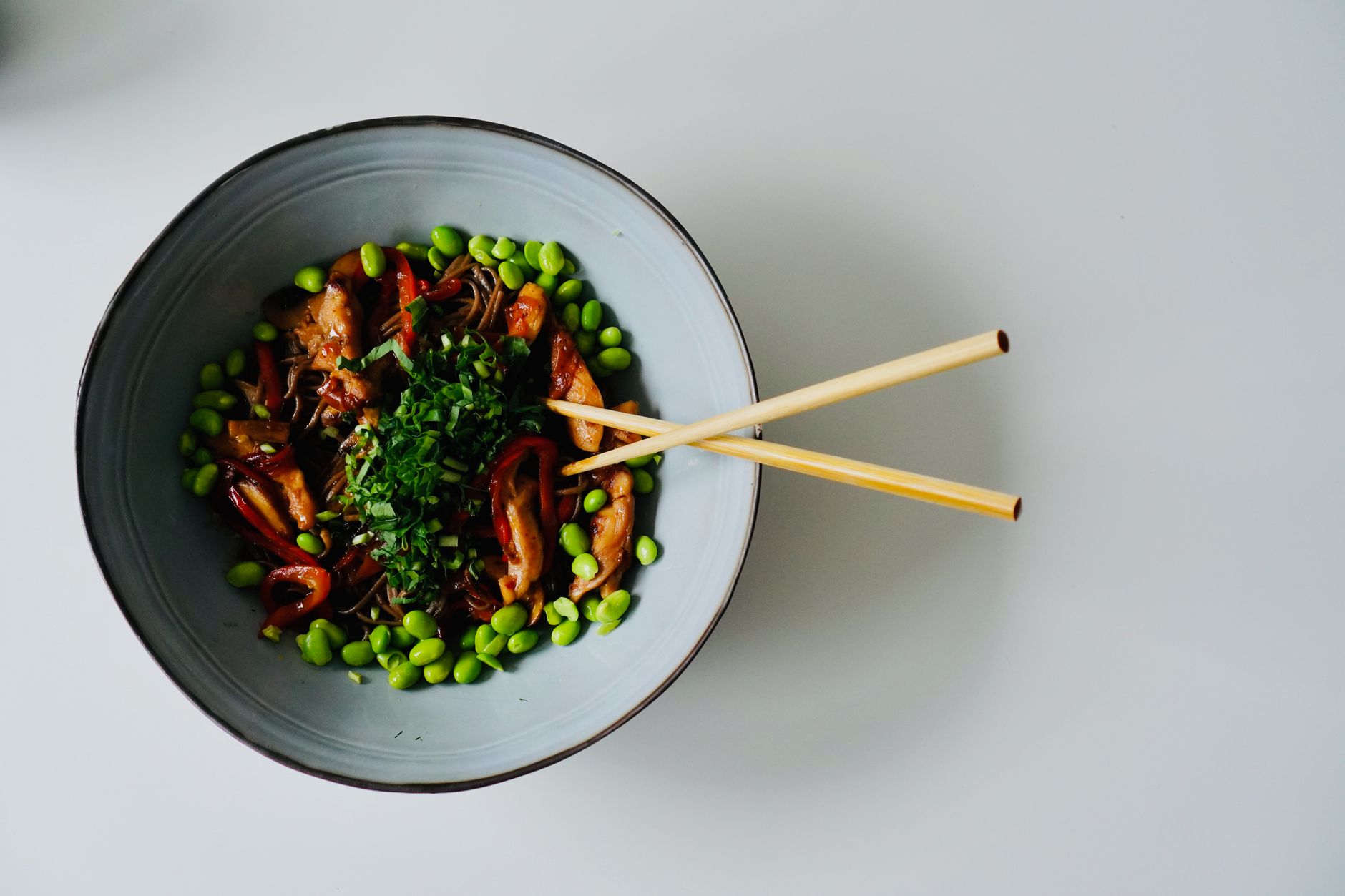
- Breakfast: Eggs or Greek yogurt with fruit and a small serving of oats
- Lunch: Cooked vegetables, a palm-sized protein serving, and a half-cup of whole grains
- Dinner: Lean protein, non-starchy vegetables, and a light carbohydrate if hungry
- Snacks: Only if genuinely hungry; opt for something with both protein and fiber, like cottage cheese with berries
This is not a prescription. It is a starting template you can adjust based on appetite, training intensity from the day before, and how your gut actually feels.
Sources
- National Institute of Diabetes and Digestive and Kidney Diseases (NIDDK): Information on gastrointestinal motility and physical activity
- Annals of Internal Medicine and related literature on energy expenditure variation between active and sedentary days
- Academy of Nutrition and Dietetics guidance on protein distribution for muscle protein synthesis
Choose one adjustment from this article, whether that is shifting to easier-to-digest proteins, spreading meals more evenly, or simply drinking more water on rest days, and practice it consistently for the next two weeks. Small, steady changes to how you eat around rest days can meaningfully improve digestive comfort without requiring restriction or a rigid plan. For more practical guidance on sustainable eating habits, consider subscribing to the Clean Body Mentor newsletter for weekly evidence-informed wellness insights.
This article is for general educational and informational purposes only and is not a substitute for medical advice, diagnosis, or treatment. Health needs vary by individual. Consult a qualified healthcare professional before making significant changes to your diet, exercise routine, supplements, medication, or treatment plan, especially if you have a medical condition, are pregnant or breastfeeding, take medication, or have concerns about your symptoms.


