

If your evenings feel like a battle with the pantry, you are not alone, and you are probably not lacking willpower. What you might be lacking is enough protein at the right time during the day. These four readers figured that out, and their stories are worth your attention.
Each person arrived at the same frustrating place through a slightly different path: skipped lunches, low-protein midday meals, or carb-heavy snacks that wore off by 4 p.m. Each one made a targeted shift in what they ate between noon and 3 p.m. Within two to four weeks, their evening cravings softened or disappeared entirely.
Here is what happened, and why the science actually supports it.
Why Protein Timing Matters More Than Evening Willpower
Your hunger hormones, particularly ghrelin (the hunger signal) and peptide YY (the fullness signal), respond differently to protein than to carbohydrates or fat. Research published in the American Journal of Clinical Nutrition suggests that higher protein intake at meals increases satiety and reduces ghrelin levels for several hours afterward. When lunch is low in protein, that hormonal window narrows, and by late afternoon your appetite pressure builds.
The result is a predictable cascade: afternoon energy crash, strong cravings for fast carbohydrates or sugar, and later a heavy evening snack session that disrupts sleep quality. As covered in Why Your Afternoon Brain Fog Lifts When You Eat Protein First at Lunch, the sequence starts at midday, not at 8 p.m.
Evening cravings and protein timing are more connected than most people realize, because the craving itself is often a delayed response to what you did not eat hours earlier.
Case 1: Maria, 38, Skipping Lunch at Her Desk
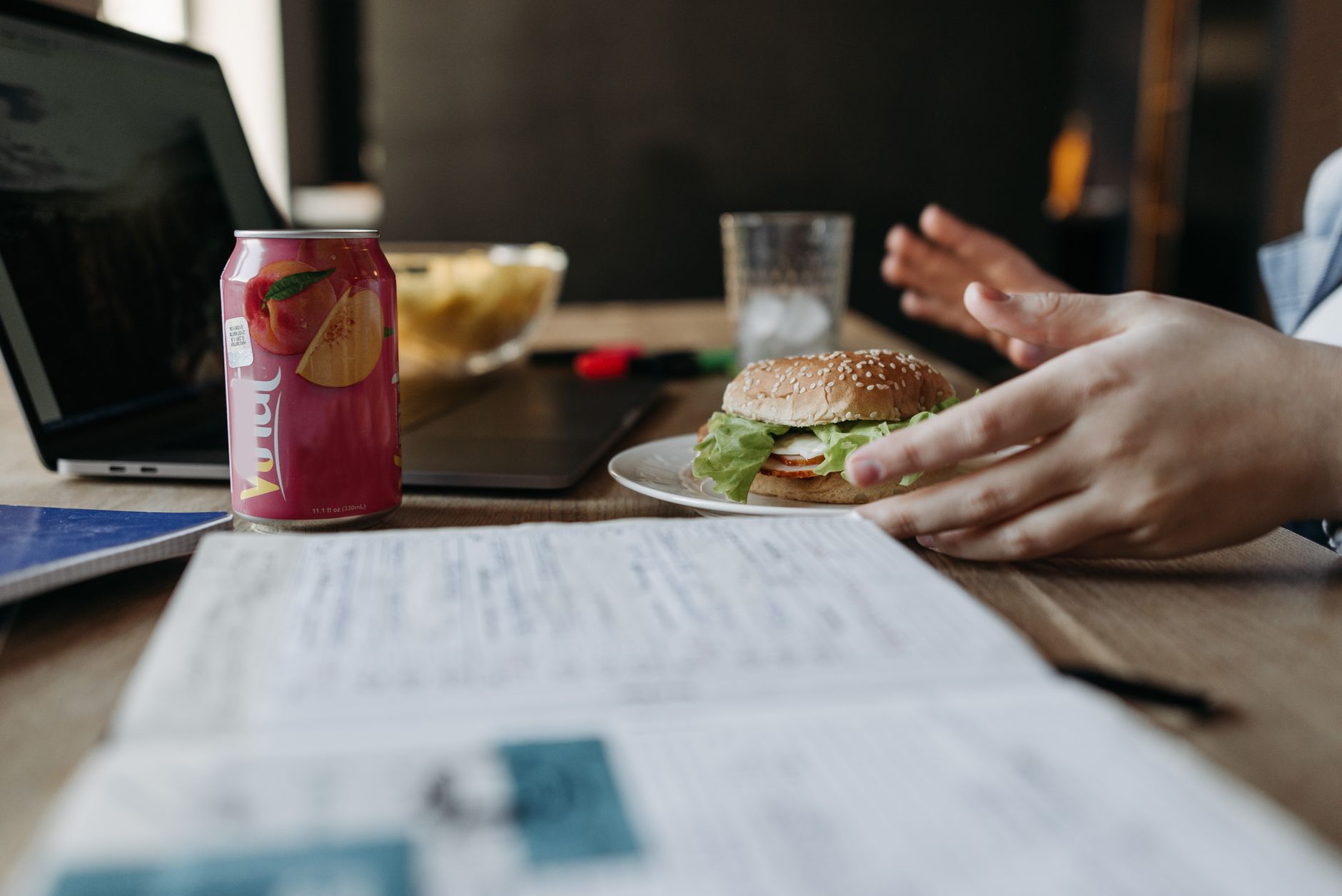
Maria worked through lunch most days, eating a granola bar or nothing at all until 2 p.m., when she grabbed crackers and coffee. By 7 p.m. she felt ravenous, eating chips, chocolate, and whatever her kids left on their plates.
Her change: She started preparing a simple 15-minute lunch three days per week, rotating between a Greek yogurt bowl with canned tuna and cucumber, and a bean-and-egg wrap. Each hit roughly 30 to 35 grams of protein. She used tips from Meal Prepping for Unpredictable Schedules to batch components on Sunday so the weekday effort stayed low.
Timeline: By week two, she noticed her 7 p.m. hunger was less urgent. By week four, the chip bowl she kept on the counter sat untouched most evenings.
What changed: Consistent protein at noon gave her satiety hormones enough runway to carry her through the evening without collapse.

Case 2: Derek, 44, Eating Lunch but Getting It Wrong
Derek ate lunch every day, but his standard meal was a large sub roll with a few slices of turkey and a bag of pretzels. The carbohydrate load was high; the protein was under 15 grams. By 3 p.m. he was drowsy, and by 9 p.m. he was eating peanut butter straight from the jar.
His change: He kept the same lunch timing but restructured the meal. He doubled his protein by adding a hard-boiled egg and switching to a whole-grain wrap with hummus, more turkey, and spinach. He also added a mid-afternoon snack of cottage cheese and walnuts, drawing inspiration from High-Protein Snacks for Real Afternoon Energy: Five Whole-Food Pairings Ranked by Satiety, Speed, and Cost.
Timeline: His 3 p.m. crashes eased within 10 days. Evening peanut butter raids slowed in week three and mostly stopped by week five.
What changed: Raising the protein floor at both lunch and an early-afternoon snack smoothed his blood sugar arc enough to cut the late-night craving signal at the source.
Case 3: Priya, 31, Vegetarian with an Invisible Protein Gap
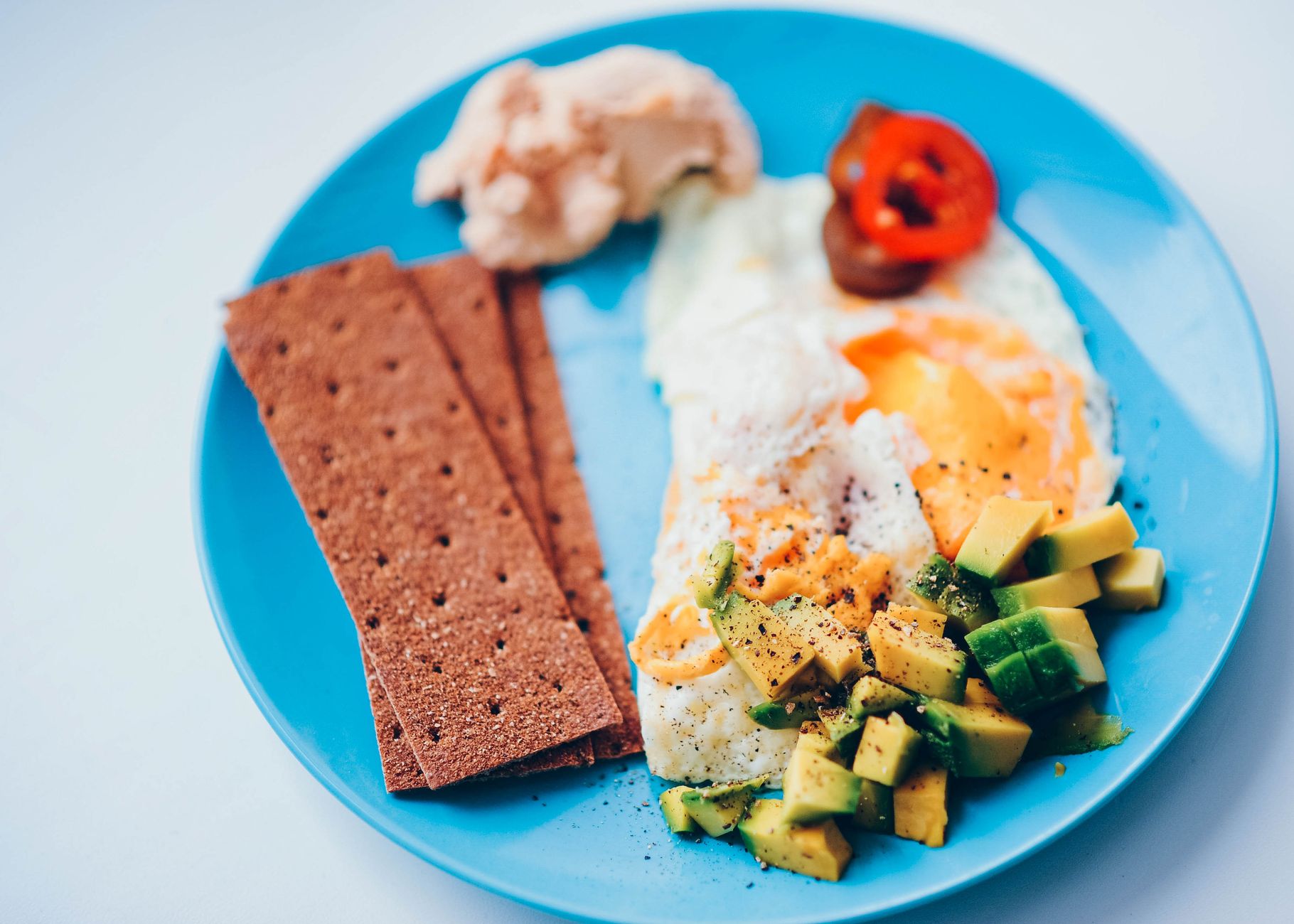
Priya ate what most people would call a healthy lunch: a large salad with chickpeas, feta, and roasted vegetables. She felt virtuous but was hungry again within two hours. By 8 p.m. she was eating crackers, cheese, and dried fruit well past fullness.
Her change: Priya added a half-cup of edamame and a small side of lentil soup to her existing salad. She also sprinkled hemp seeds on top, a move that added complete protein without changing the flavor much. This brought her midday protein from roughly 12 grams to 28 to 30 grams. The guide on Five Plant-Based Lunch Combinations That Deliver Complete Protein and Stop Afternoon Bloating helped her see where her gaps were.
Timeline: Her between-meal hunger faded noticeably in week two. Evening grazing dropped to occasional rather than compulsive by week three.
What changed: Plant-based meals can land short on protein without careful pairing. Once Priya’s lunch hit a threshold that meaningfully triggered satiety hormones, the downstream craving chain broke.

Case 4: James, 52, Afternoon Traveler with No Routine
James drove for work three days per week. Lunch was often a drive-through sandwich or nothing, and dinner was late. His evening cravings were the worst of the four: chips, cookies, and ice cream after 9 p.m., often triggered by exhaustion rather than true hunger.
His change: He started keeping a small cooler in his car with two or three items: a string cheese, a small container of Greek yogurt, and a bag of almonds. On office days he ate a proper high-protein lunch. This covered both his travel days and his desk days, giving him consistent protein timing regardless of schedule.
Timeline: The evening binge pattern took the longest to shift. By week three he noticed he was eating less at night. By week six it had become rare.
What changed: Consistency of protein timing, even imperfect consistency, was enough to reshape his appetite rhythm. His late-night eating was largely a compensation mechanism for a midday deficit he had been accumulating for years.
What These Four Stories Have in Common
None of these people followed a restrictive diet. No foods were banned. No calorie counting happened. The common thread was simply moving more protein earlier in the day, specifically into the lunch window, with a secondary snack if needed.
Research supports this pattern. A 2015 study in the journal Obesity found that higher-protein lunches reduced afternoon and evening snacking in overweight adults compared to lower-protein lunches matched for calories. The mechanism likely involves satiety hormones and reduced blood sugar variability, not discipline.
If you are curious how protein timing also affects mood and gut-brain signaling, the companion article Protein Timing at Lunch Changes Your Evening Mood More Than Morning Routines Do goes deeper into that connection.
One Small Shift to Try This Week
You do not need to overhaul everything at once. Pick one of these starting points:
- Add a protein source to your current lunch that you are not already eating (eggs, Greek yogurt, legumes, canned fish, or cottage cheese).
- Prepare a simple high-protein afternoon snack for the next three workdays.
- Track how hungry you feel at 7 p.m. after a higher-protein lunch versus a lower-protein one.
If you want practical weekly guidance on sustainable habits like these, the Clean Body Mentor newsletter is a good place to stay connected.
This article is for general educational and informational purposes only and is not a substitute for medical advice, diagnosis, or treatment. Health needs vary by individual. Consult a qualified healthcare professional before making significant changes to your diet, exercise routine, supplements, medication, or treatment plan, especially if you have a medical condition, are pregnant or breastfeeding, take medication, or have concerns about your symptoms.
Sources
- Leidy, H.J., et al. (2015). The role of protein in weight loss and maintenance. American Journal of Clinical Nutrition, 101(6), 1320S-1329S. (American Society for Nutrition)
- Leidy, H.J., et al. (2015). Beneficial effects of a higher-protein breakfast on the appetitive, hormonal, and neural signals controlling energy intake regulation in overweight/obese, breakfast-skipping, late-adolescent girls. American Journal of Clinical Nutrition.
- Leidy, H.J., and Campbell, W.W. (2011). The effect of eating frequency on appetite control and food intake. Journal of Nutrition.
- Dhillon, J., et al. (2016). The effects of increased protein intake on fullness: A meta-analysis. Journal of the Academy of Nutrition and Dietetics.
- U.S. National Institutes of Health (NIH), National Library of Medicine. PubMed database for satiety hormone and ghrelin research.


