

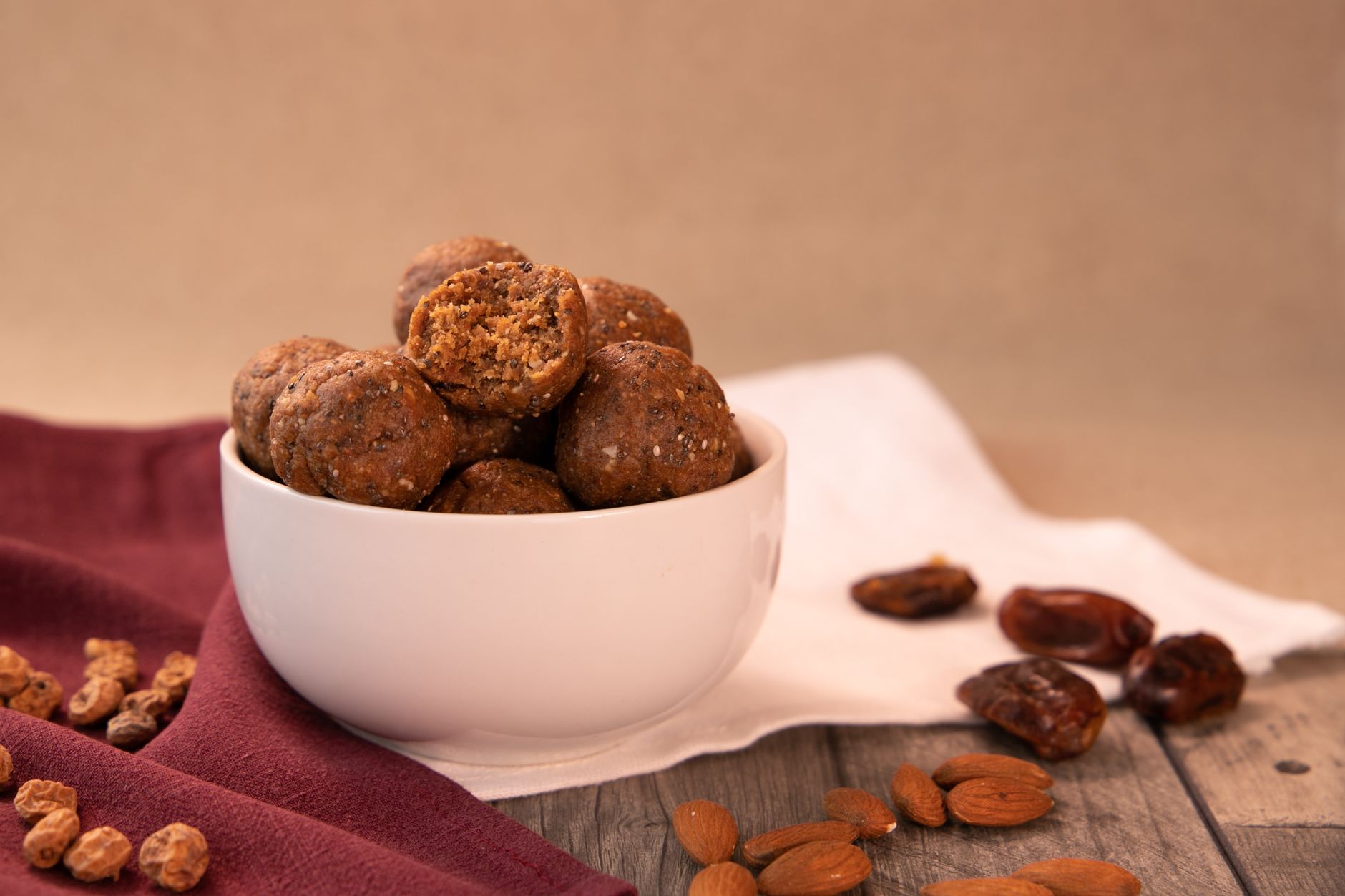
That 3pm energy dip is not just in your head. Research published by the National Institutes of Health (NIH) suggests the circadian rhythm naturally produces a mild alertness dip in the mid-afternoon, independent of sleep quality. What you eat at lunch, and whether you snack smart, can shorten that dip considerably.
Most snack advice skips the tradeoffs that actually matter to real people: Will this keep me full for two hours or twenty minutes? Can I pull it together in under five minutes? And what does it cost when I do this five days a week?
This guide ranks five whole-food high-protein snacks for afternoon energy by three honest criteria: satiety (how long it holds you), speed (assembly time, no cooking required), and cost per serving based on average US grocery prices. No protein powders, no bars with a fifteen-ingredient label. Just food.
If you are curious why the afternoon crash happens in the first place, Why Your Afternoon Energy Crashes at 3pm and How Meal Order Actually Fixes It walks through the science in plain language.
How the Rankings Work
Each pairing is rated on a simple three-point scale for each criterion:
- Satiety: How long the combination realistically delays hunger, based on protein content, fiber, and fat balance.
- Speed: Time from pantry to plate. Everything here clocks under ten minutes; the best clock under two.
- Cost: Estimated price per serving using standard US grocery store prices (approximate, varies by region).
Pairings that score consistently across all three win a higher overall rank.
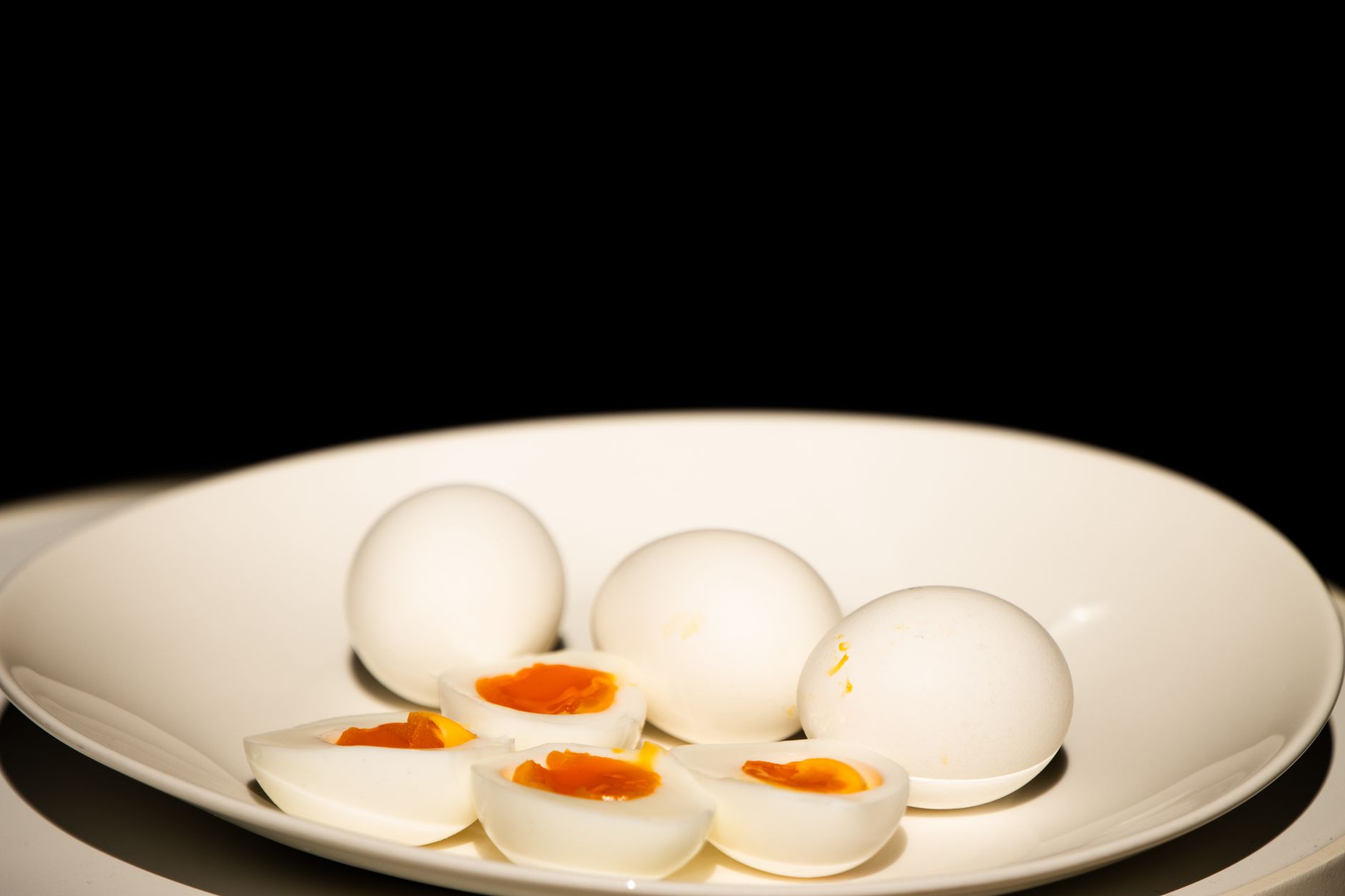
1. Hard-Boiled Eggs Plus Baby Carrots (Best All-Around)
Protein: ~12-14g per two eggs | Satiety: High | Speed: Under 2 min (pre-boiled) | Cost: ~$0.60-$0.80
Two hard-boiled eggs prepared the night before and a handful of baby carrots is the most reliable combination on this list. Eggs provide complete protein with all nine essential amino acids and meaningful amounts of choline, which research suggests supports brain function. The carrots add fiber and crunch without spiking blood sugar.
The only friction point is remembering to boil eggs ahead of time. Batch-boil six at the start of the week and the daily assembly is literally seconds. Portable and refrigerator-stable for up to one week.
When it fits: Desk workers, parents packing snacks for themselves alongside kids, anyone on a tight grocery budget.
2. Cottage Cheese With Pumpkin Seeds (Best for Staying Full Longest)
Protein: ~20g per half cup plus one tablespoon seeds | Satiety: Very High | Speed: Under 2 min | Cost: ~$0.90-$1.20
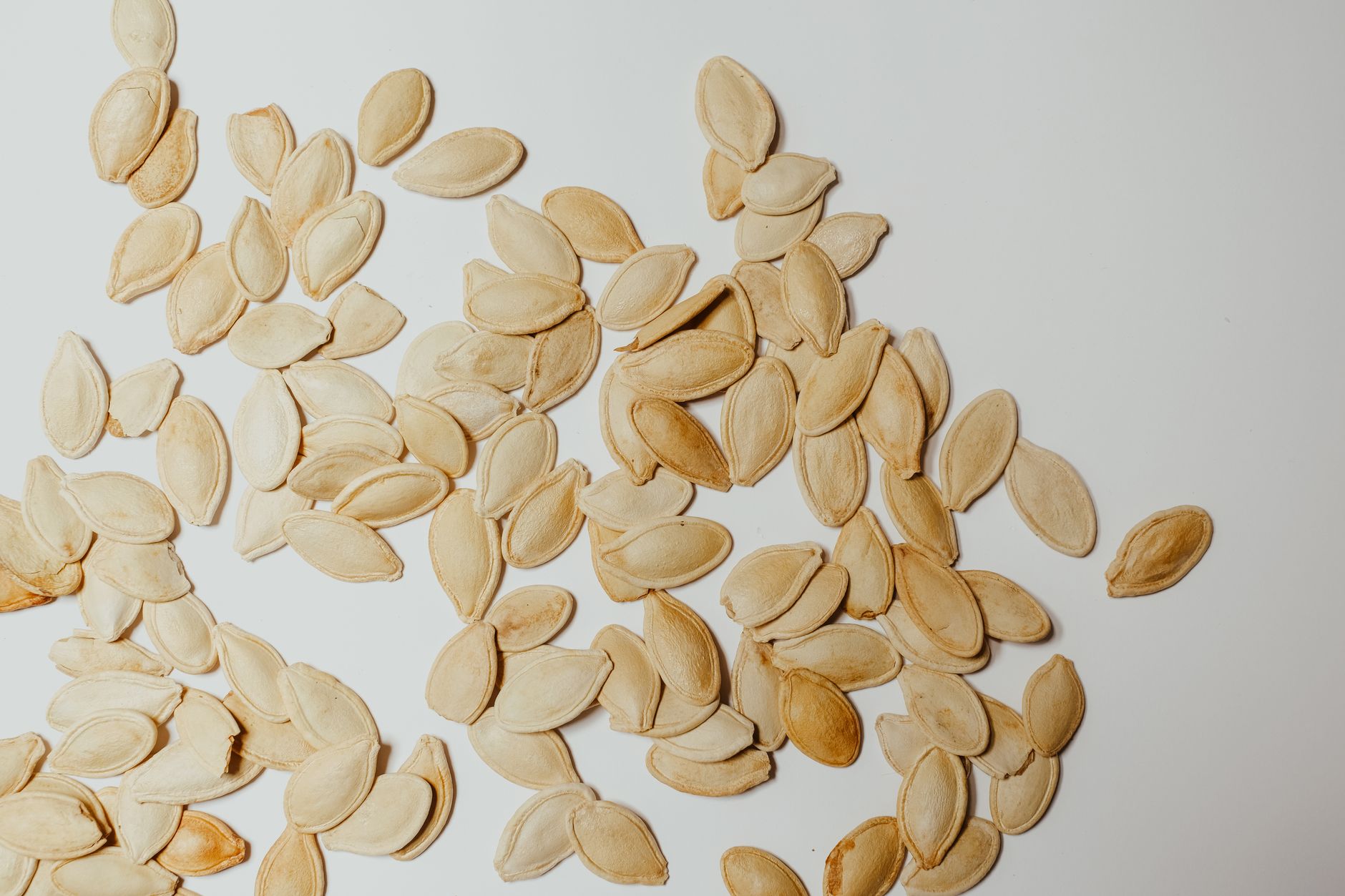
Half a cup of low-fat cottage cheese delivers roughly 14g of protein, mostly casein, which digests slowly and may keep hunger quieter longer than whey or egg protein alone. Add one tablespoon of pumpkin seeds for extra protein, magnesium, and a satisfying texture contrast.
According to data from the USDA FoodData Central, pumpkin seeds (pepitas) are one of the more concentrated plant protein sources by weight, providing about 5g per tablespoon. This pairing is not portable without refrigeration, but for home or office snacking it beats almost everything else on satiety per dollar.
For comparison with other plant protein options, Five Plant Proteins Ranked by Real Satiety, Cost, and Honest Prep Time for Beginners is a solid next read.
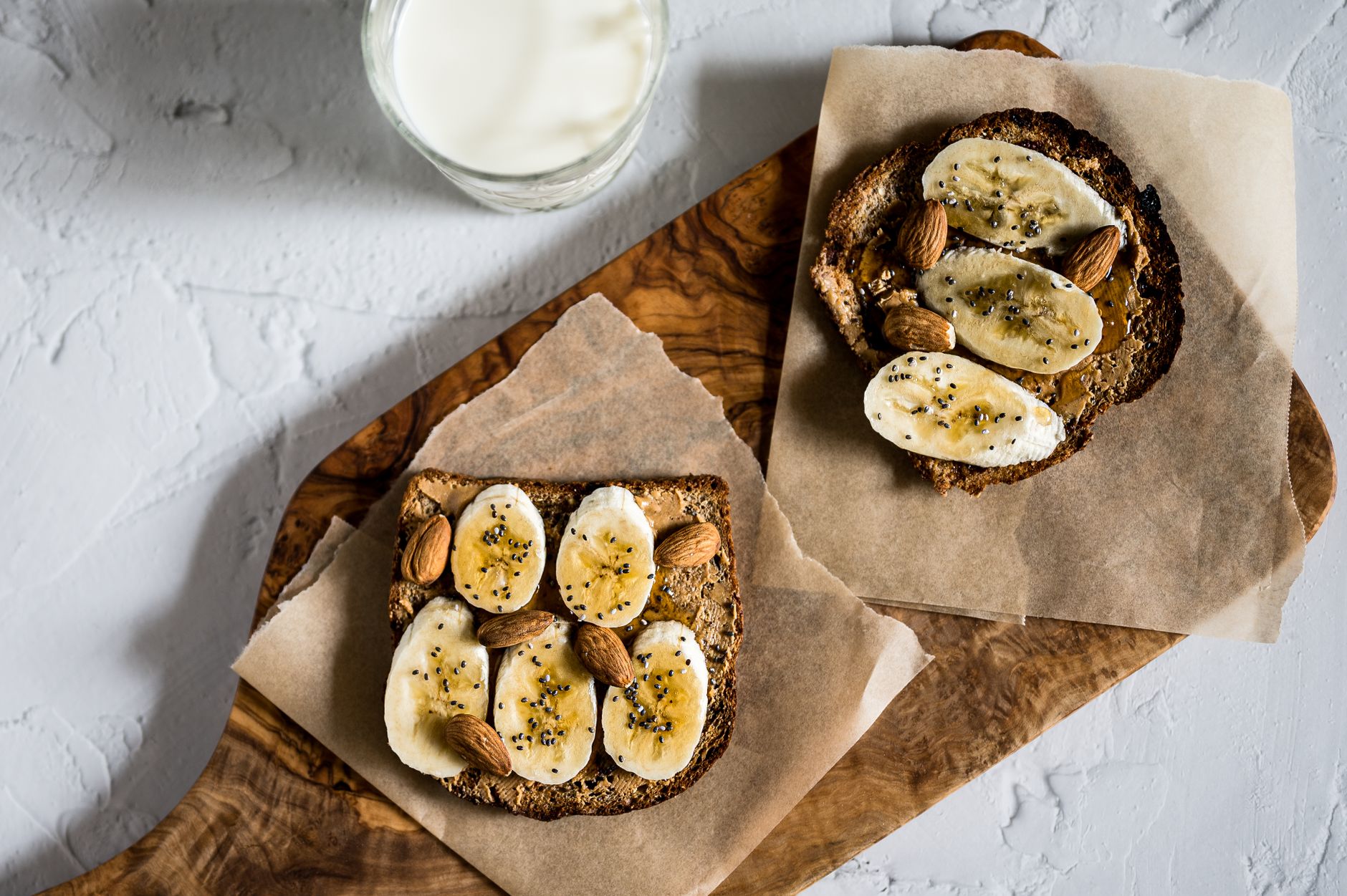
3. Almond Butter on Whole-Grain Crackers (Best No-Fridge Option)
Protein: ~8-10g per two tablespoons almond butter plus four crackers | Satiety: Moderate-High | Speed: 2-3 min | Cost: ~$0.85-$1.10
This is your desk-drawer, travel-bag, or gym-locker option. Neither ingredient needs refrigeration. Two tablespoons of almond butter bring protein and healthy unsaturated fats that slow digestion and blunt a blood sugar spike. Pairing with whole-grain crackers adds complex carbohydrates and a small fiber boost.
The tradeoff: calorie density is higher than the other options here, which matters if you are managing overall intake. Keep the portion to two tablespoons of nut butter and four to six crackers rather than eating from the jar directly.
If your afternoon also involves a noticeable mood dip before the energy crash, Why Your Afternoon Mood Crashes Before Your Energy Does explores the gut-brain timing angle worth reading alongside this.
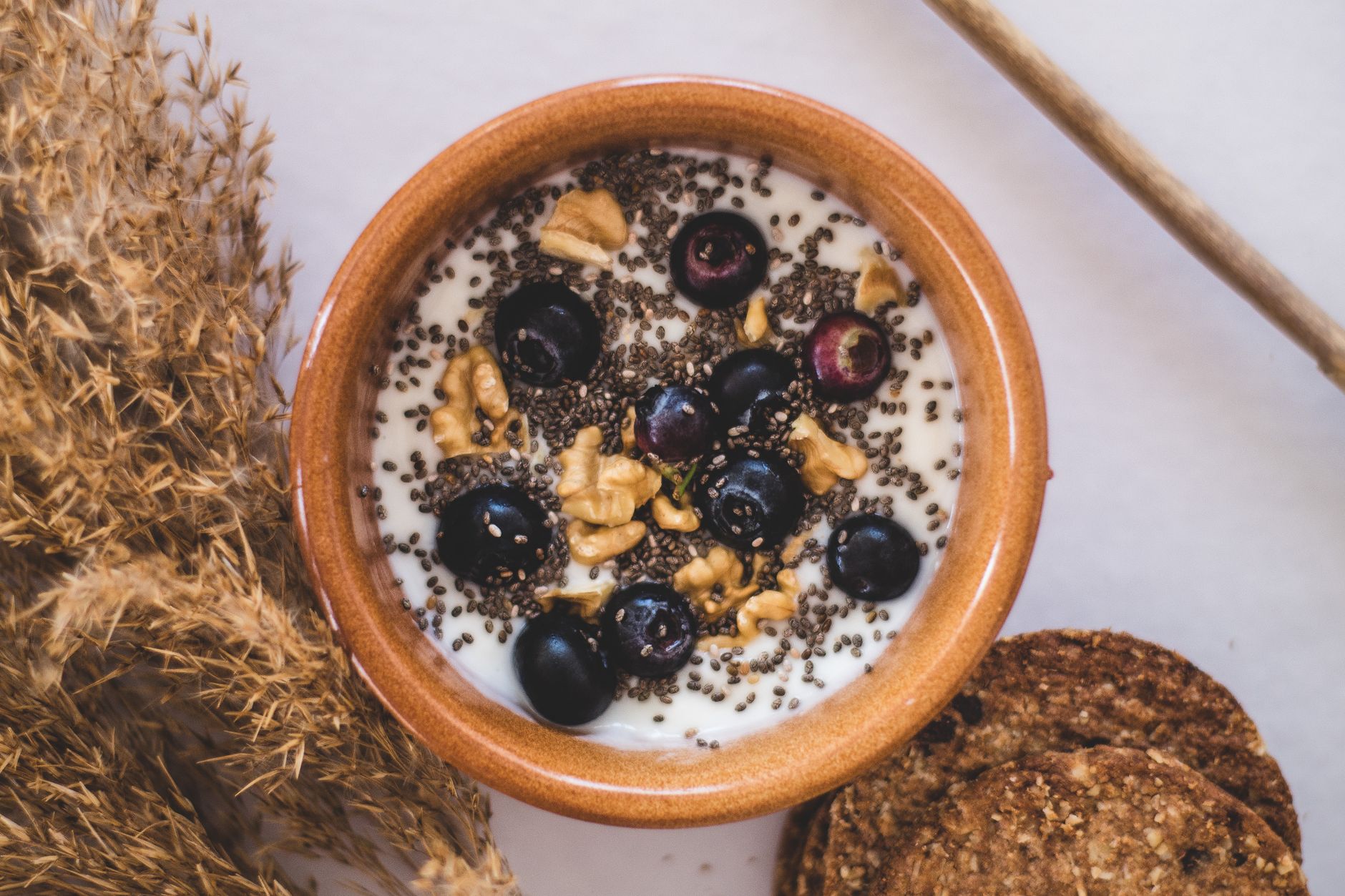
4. Greek Yogurt With Hemp Seeds (Best for a Creamy, Quick Fix)
Protein: ~20-22g per three-quarter cup yogurt plus one tablespoon hemp seeds | Satiety: High | Speed: Under 2 min | Cost: ~$1.00-$1.50
Plain full-fat or low-fat Greek yogurt is one of the fastest high-protein snacks for afternoon energy you can assemble. Three-quarters of a cup typically delivers around 17-18g of protein. Stir in one tablespoon of hemp seeds for an extra 3g of complete plant protein plus omega-3 fatty acids.
The downside is cost and refrigeration. Greek yogurt runs higher per serving than eggs or cottage cheese in most markets. Buy in larger containers rather than single-serve cups to bring the per-serving cost down significantly.
One note: flavored yogurts often contain 15-20g of added sugar per cup, which can produce its own energy spike and dip. Plain yogurt with a small drizzle of honey is the better move.
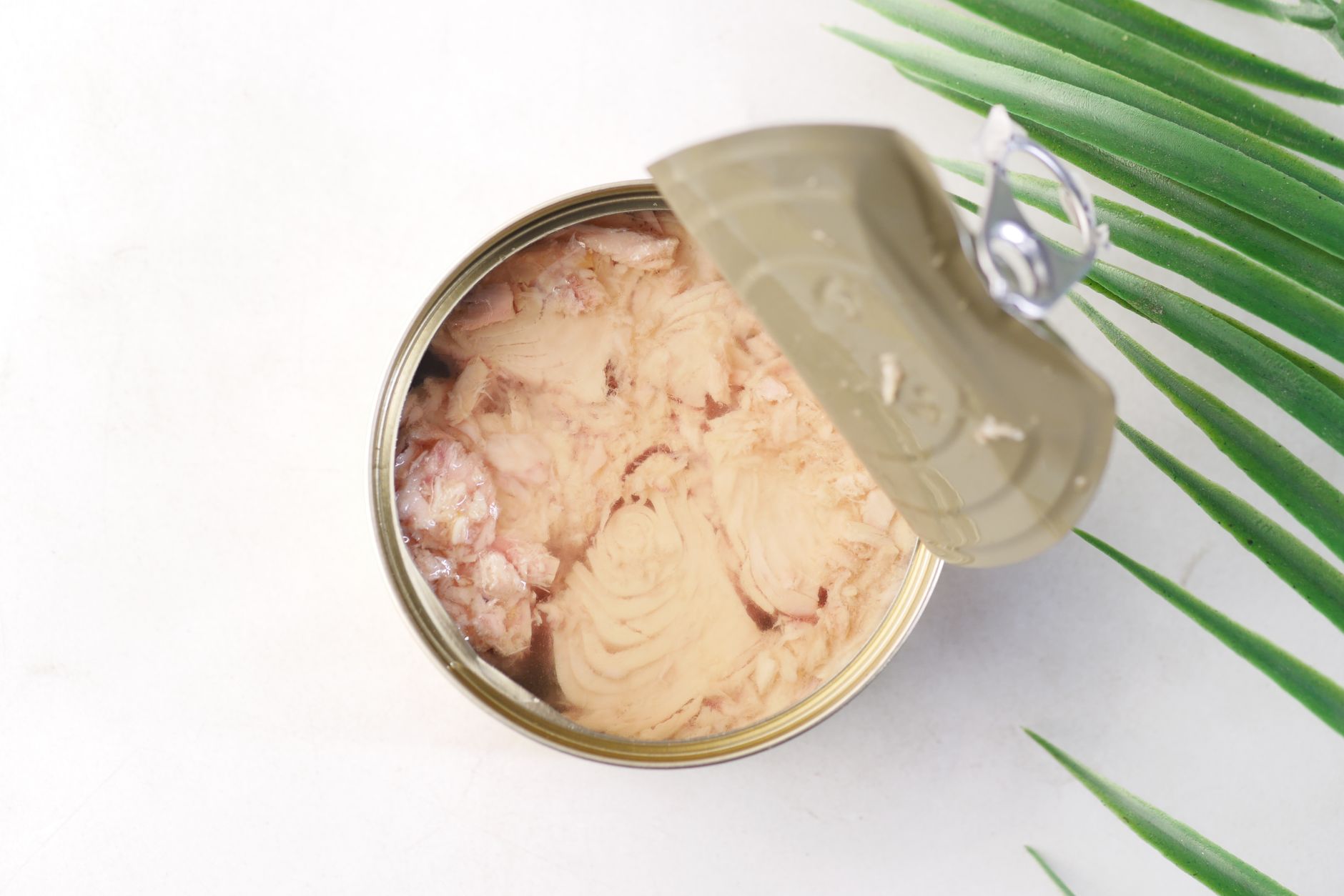
5. Canned Tuna on Whole-Grain Crackers (Best Protein Density Per Dollar)
Protein: ~20g per half can | Satiety: High | Speed: 3-5 min | Cost: ~$0.75-$1.00
A half can of water-packed tuna on whole-grain crackers is the highest protein-per-dollar pairing here. Tuna is an excellent source of lean complete protein and provides some omega-3s even in the canned form, according to the NIH Office of Dietary Supplements.
The barrier is practical: it smells. This is a home or private-office option, not a cubicle or shared-space snack. Assembly takes a few minutes more than the other options, but nothing about it requires cooking or even a fork if you use a pull-tab can.
For budget-focused snacking strategies beyond this list, Whole-Food Snacking for Sustained Afternoon Focus: Nuts, Seeds, Dried Fruit, and Whole Grains Compared by Energy and Cost covers the broader pantry picture.
Which One Should You Actually Try First?
If you want the most reliable, lowest-cost starting point, batch-boil eggs on Sunday and pair them with baby carrots every afternoon for one week. That single habit is easy enough to stick with, affordable, and gives you a real-world test of whether a protein-forward snack genuinely shortens your 3pm slump.
If you are dairy-comfortable and want maximum satiety, the cottage cheese with pumpkin seeds combination is worth the slightly higher cost.
Choose one pairing that fits your current schedule and refrigeration situation. Try it consistently for five weekdays. That is enough time to notice a real difference in your afternoon focus and hunger levels.
For a fuller look at how morning meals influence afternoon hunger, Why Your Breakfast Protein Matters More Than Meal Size is a natural companion read. And if you would like practical weekly wellness guidance delivered straight to your inbox, the Clean Body Mentor newsletter covers exactly this kind of realistic, evidence-informed nutrition habit-building.
Sources
- National Institutes of Health (NIH): general research on circadian rhythm and alertness patterns.
- USDA FoodData Central: nutrient composition data for cottage cheese, pumpkin seeds, Greek yogurt, eggs, and tuna (fdc.nal.usda.gov).
- NIH Office of Dietary Supplements: omega-3 fatty acid content in canned tuna.
This article is for general educational and informational purposes only and is not a substitute for medical advice, diagnosis, or treatment. Health needs vary by individual. Consult a qualified healthcare professional before making significant changes to your diet, exercise routine, supplements, medication, or treatment plan, especially if you have a medical condition, are pregnant or breastfeeding, take medication, or have concerns about your symptoms.


