


If you have ever noticed that you feel sluggish, bloated, or less hungry the day after a workout, you are not imagining things. Your gut genuinely operates differently depending on how much you move. Understanding that connection helps you nourish yourself more comfortably on rest days without slipping into restriction or unnecessary food rules.
This guide explains the physiology behind digestive health on rest days and gives you practical, flexible strategies to eat in a way that feels good, keeps hunger steady, and supports recovery.

How Movement Speeds Up Your Gut
Physical activity increases gut motility, meaning food moves through your digestive tract faster. Research published in journals covering gastrointestinal physiology consistently shows that aerobic exercise stimulates peristalsis, the wave-like muscle contractions that push food along the intestines. The American College of Sports Medicine notes that even moderate walking can shorten intestinal transit time.
Movement also increases blood flow throughout the body, including to the digestive organs. That boost in circulation helps the small intestine absorb nutrients more efficiently and reduces the likelihood of food sitting stagnant and fermenting, which can cause bloating and discomfort.
On a movement day, your appetite hormones also behave differently. Ghrelin (the hunger signal) tends to be suppressed right after vigorous exercise, then rebounds appropriately later. That rhythm syncs your appetite with your actual energy needs.
If you are curious about how this plays out during specific workouts, the guide on Why Your Digestion Improves on Strength Training Days and How to Eat for Better Muscle Repair explores that connection in more depth.

What Actually Changes on Rest Days
On a rest day, gut motility slows. Food spends more time in the stomach and intestines. That is not a problem in itself, but it does mean your body is processing meals more gradually. If you eat the same volume and composition of food as a workout day, you may feel heavier, more bloated, or less comfortable.
The shift is not dramatic for everyone, but it is worth paying attention to because your body is signaling something real. Your caloric needs are modestly lower on rest days too, though the difference is often overestimated. Research suggests the metabolic difference between a moderate workout day and a rest day is roughly 200 to 400 calories for most people, not an amount that justifies dramatic cuts.
For a fuller look at how energy needs change, Why Your Metabolism Slows on Rest Days and How to Eat for Sustained Energy Without Extra Calories walks through the numbers in practical terms.
How to Eat Lighter Without Eating Less Than You Need
Lighter eating does not mean fewer meals, smaller portions to the point of hunger, or cutting food groups. It means choosing foods and meal compositions that move through your digestive system more comfortably when it is naturally slower.
Here are four evidence-informed approaches:
1. Shift Toward More Cooked Vegetables and Fewer Raw Cruciferous Foods
Raw broccoli, cabbage, and cauliflower are nutritious, but they produce more gas when gut motility is slow. On rest days, lightly steaming or roasting these vegetables can reduce fermentation-related bloating without removing their nutritional value.
2. Moderate Your Fiber Timing, Not Your Total Intake
High-fiber foods are still valuable on rest days, but spreading fiber across meals rather than loading it into one sitting helps your slower gut process it more comfortably. Think smaller amounts of legumes, whole grains, or brassicas per meal rather than a giant grain bowl in one go.
3. Keep Protein Moderate and Distributed
Protein supports muscle repair even when you are not training, so do not drop it significantly. Distributing protein across three or four smaller meals rather than one or two large ones tends to be gentler on a slower gut. Greek yogurt, eggs, canned fish, and cooked lentils are all options that digest well without the heaviness of large red meat portions.
If you notice that midday meals affect your energy and mood, the article on Why Your Afternoon Brain Fog Lifts When You Eat Protein First at Lunch explains the mechanism.
4. Pay Attention to Meal Timing, Not Just Meal Size
Eating at consistent times supports the migrating motor complex, a housekeeping wave that clears the gut between meals. On rest days, skipping meals or eating erratically can actually worsen bloating and sluggishness. Aim for regular, reasonably spaced meals even when appetite feels lower.
How Meal Timing on Rest Days Shapes Your Digestion and Hunger Signals goes deeper on this rhythm if you want to build a more intentional schedule.
Foods That Support Digestive Comfort on Lower-Activity Days
Rather than a rigid meal plan, think of these as flexible building blocks:
- Cooked leafy greens (spinach, chard, kale): easier to digest than raw versions, still nutrient-dense
- Fermented foods in small amounts (plain kefir, kimchi, miso): may support microbiome diversity without overloading a slower gut
- Warm broths or soups: fluid-rich and easy to process, particularly helpful if appetite is naturally lower
- Eggs or canned salmon: moderate protein, easy on digestion, quick to prepare
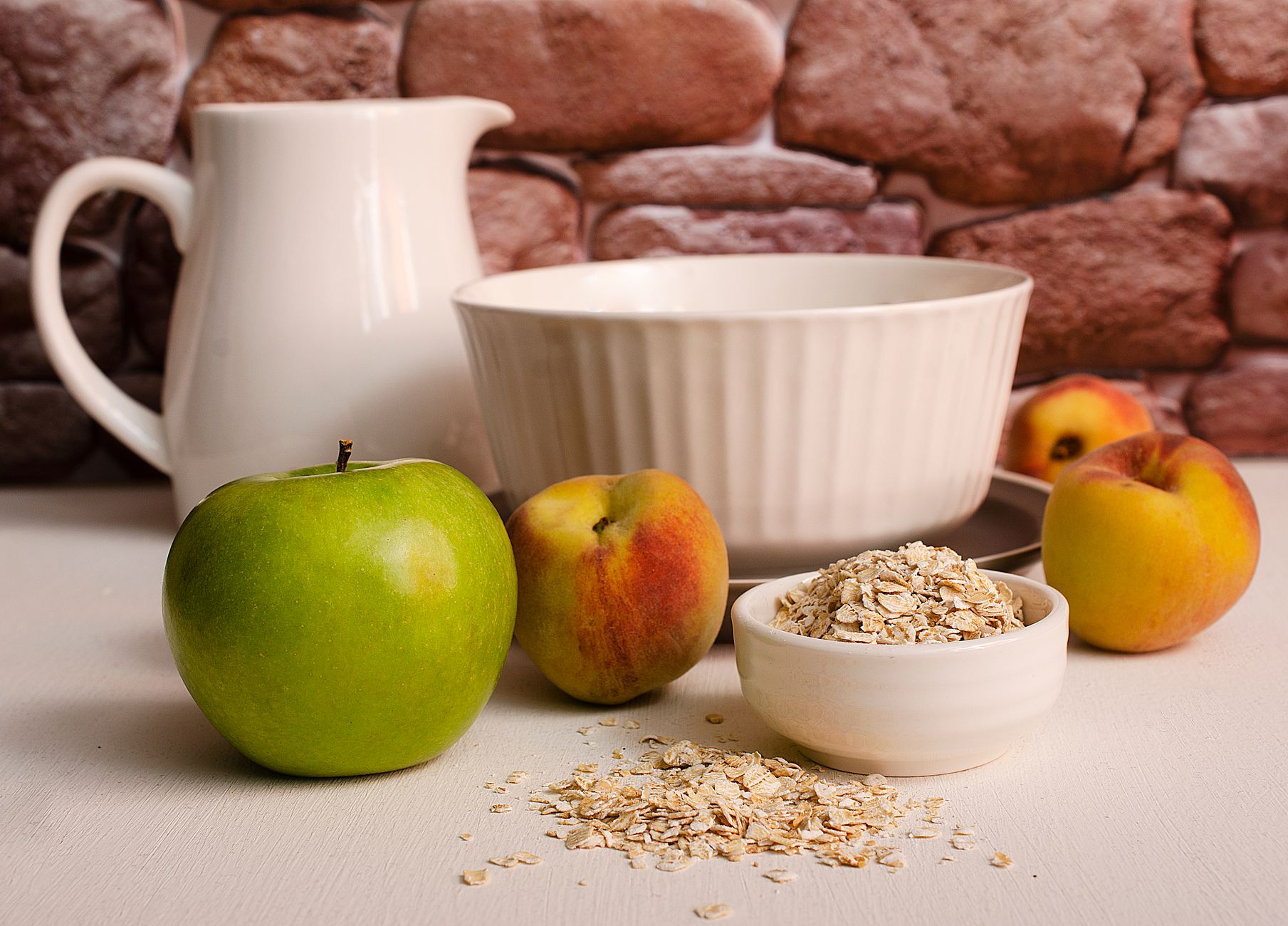
- Oats or cooked quinoa: steady-energy carbohydrates that deliver fiber without the gas load of raw legumes
- Ginger or fennel tea: both have traditional use and some preliminary research support for reducing bloating, though the evidence is not definitive
For concrete meal ideas that apply these principles, Five Meals That Satisfy Hunger Better on Rest Days Without Extra Calories provides ready-to-use options.

A Note on Hunger Cues and Rest-Day Guilt
One of the more common patterns people fall into is eating less on rest days because they feel they have not “earned” food. That framing is both inaccurate and counterproductive. Your body repairs tissue, consolidates training adaptations, and maintains every organ system on rest days. Undereating on recovery days can slow progress, impair sleep, and trigger compensatory overeating later.
If you notice genuine hunger on a rest day, eat. If appetite is genuinely lower, honor that too, but do not suppress it artificially. The goal is responsiveness to your actual signals, not adherence to a rigid rule.
For broader context on sustainable eating without restriction, Sustainable Weight Loss Without Restriction: How Real Meal Patterns Beat Calorie Counting is a useful companion read.

Putting It Into Practice
Start with one shift from this article. A reasonable place to begin: on your next rest day, swap one large raw-vegetable portion for a lightly cooked version and notice how your digestion feels by evening. That single change, practiced consistently, is more valuable than overhauling your entire rest-day routine at once.
If you want weekly practical guidance on digestive health, nutrition, and sustainable movement, consider joining the Clean Body Mentor newsletter for evidence-informed tips delivered consistently.
This article is for general educational and informational purposes only and is not a substitute for medical advice, diagnosis, or treatment. Health needs vary by individual. Consult a qualified healthcare professional before making significant changes to your diet, exercise routine, supplements, medication, or treatment plan, especially if you have a medical condition, are pregnant or breastfeeding, take medication, or have concerns about your symptoms.

Sources
- American College of Sports Medicine. Position Stand on Exercise and Physical Activity. ACSM (acsm.org).
- De Schryver AM, et al. “Effects of regular physical activity on defecation pattern in middle-aged patients complaining of chronic constipation.” Scandinavian Journal of Gastroenterology, 2005. (Referenced via PubMed.)
- Johannsen DL, Ravussin E. “The role of mitochondria in health and disease.” Current Opinion in Pharmacology, 2009. (Context for metabolic rate variation.)
- National Institute of Diabetes and Digestive and Kidney Diseases (NIDDK). “Your Digestive System and How It Works.” NIH, niddk.nih.gov.


