


For many families, dinnertime looks less like a shared meal and more like a short-order kitchen. One child refuses vegetables. A parent is watching their calorie intake. A teenager is ravenous after practice. The result is either a stack of separate plates or a tense standoff at the table.
This does not have to be the norm. What follows is a case study of one real family approach to family meal planning for different appetites that eliminated the multiple-dinner problem without forcing anyone to eat food they hate.

Meet the Hernandez Family: Four People, Four Different Needs
Imagine a household of four: two parents in their late 30s, a 10-year-old who loves carbs and dislikes most proteins, and a 14-year-old with a large appetite and a preference for bold flavors. One parent is managing weight gradually through a mild calorie deficit. The other parent has no dietary restrictions but prefers lighter evening meals.
This profile is not unusual. Research from the USDA’s Dietary Guidelines Advisory Committee consistently shows that calorie and nutrient needs vary significantly by age, sex, and activity level, which means a family of four may have four genuinely different nutritional targets sitting at the same table.
The challenge was not finding food that pleased everyone. It was building a dinner system that did not require the adults to cook two or three versions of the same meal every evening.
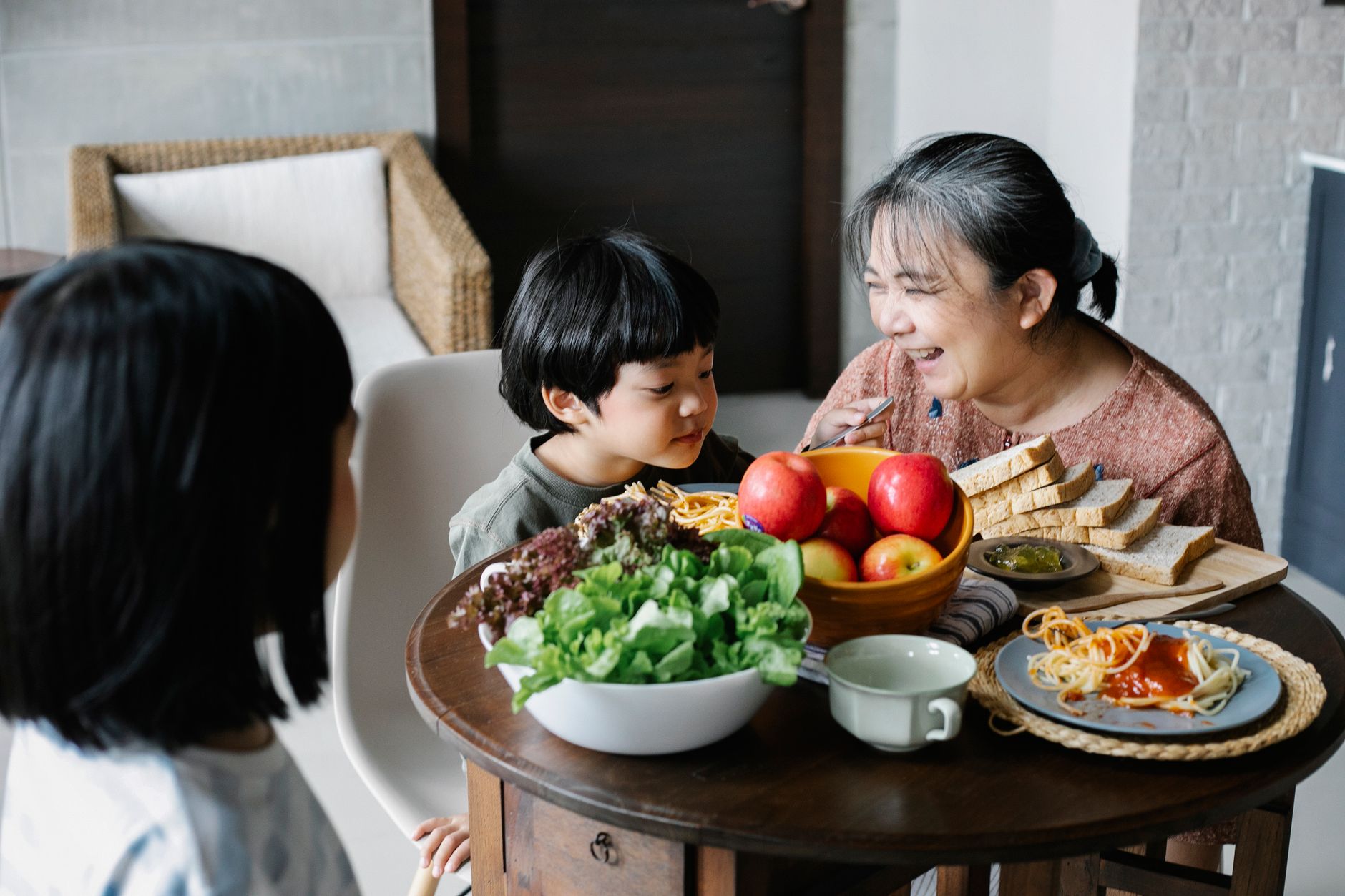
The Core Strategy: One Base, Multiple Build Options
The shift started with a simple reframe: instead of planning a finished dish, plan a flexible base with modular toppings and add-ons.
Here is how the system works in practice:
Step 1: Choose a neutral, nutrient-dense base. This is usually a whole grain (brown rice, quinoa, farro), a mild protein (shredded chicken, ground turkey, lentils), and at least one roasted vegetable. These elements are cooked once, in quantity.
Step 2: Set out component-style add-ons. Think of it as a relaxed bowl format. Each person builds their own plate by pulling from the shared components. Add-ons might include shredded cheese, a simple sauce, fresh herbs, canned beans, or a soft-boiled egg.
Step 3: Adjust portions, not recipes. The parent in a calorie deficit loads up on roasted vegetables and leans on protein. The hungry teenager adds more grain and an extra protein portion. The 10-year-old builds a simpler plate, focusing on what they already like, with one new element offered without pressure.
This approach reflects what nutrition researchers call “division of responsibility,” a framework developed by dietitian Ellyn Satter, in which parents decide what food is offered and when, while children decide how much they eat. It reduces dinner conflict without anyone feeling forced or overlooked.

What a Real Week Looks Like
Using the flexible base system, here is how one week of dinners might flow:
-
Monday: Taco bowl night. Seasoned ground turkey, brown rice, black beans, corn, shredded lettuce, shredded cheese, salsa. The 10-year-old skips the salsa and loads on cheese. The parent managing weight fills half the bowl with lettuce and pulls back on rice. Everyone eats the same ingredients in different proportions.
-
Wednesday: Sheet-pan roasted vegetables (broccoli, sweet potato, zucchini) alongside baked chicken thighs and a whole-grain wrap option. The teenager uses three wraps. One parent eats the components over arugula instead. The younger child focuses on sweet potato and chicken with mild dipping sauce on the side.
-
Friday: Pasta night using a large batch of marinara, whole-wheat spaghetti, and optional Italian sausage on the side. The pasta base works for everyone. The sausage is a build-your-own topper. A simple green salad rounds out the meal for whoever wants it.
The pattern is consistent: one cook session, shared components, individual assembly. Prep time dropped by roughly half compared to cooking separate meals, and leftover components doubled as easy lunches the next day.
For parents who want to explore further, meal prepping for unpredictable schedules offers a detailed look at how three working adults streamlined their kitchen time using similar batch-prep strategies.

Handling the Picky Eater Without a Power Struggle
The 10-year-old in this scenario is not unusual. Research published in the journal Appetite suggests that food neophobia and selective eating are common in school-age children and often decrease gradually with repeated low-pressure exposure rather than force.
The flexible base system supports this naturally. Because the child is not served a finished, mixed dish they cannot deconstruct, they can choose familiar elements while a new ingredient sits nearby without pressure. Over several months, some of those unfamiliar items become normal. Progress is gradual, which is exactly how sustainable food habits tend to form.
This principle also supports parents managing their own nutrition. If you have ever skipped dinner because the family meal felt too heavy for your goals, sustainable weight loss without restriction explores how flexible meal patterns tend to outperform rigid calorie counting for long-term results.

Grocery Shopping to Support the System
This approach requires a different grocery mindset. Instead of shopping for specific finished recipes, you shop for versatile components that cross multiple meals.
A practical weekly list might include:
- Two whole grains (brown rice and quinoa, or farro and whole-wheat pasta)
- Two protein sources (one animal-based, one plant-based)
- Four to five vegetables that roast well and double as snacks
- A few bold condiments and sauces for flavor customization
- Fresh herbs, canned beans, and a couple of cheese options for assembly
This approach also reduces food waste significantly, since components that did not get used at dinner move easily into the next day’s lunch. A strategic grocery habit supports the whole system. For a deeper look at shopping patterns that reinforce healthy eating without overcomplicating things, why your grocery cart affects weight loss before you even cook is worth reading alongside this.
Why This System Sticks When Others Don’t
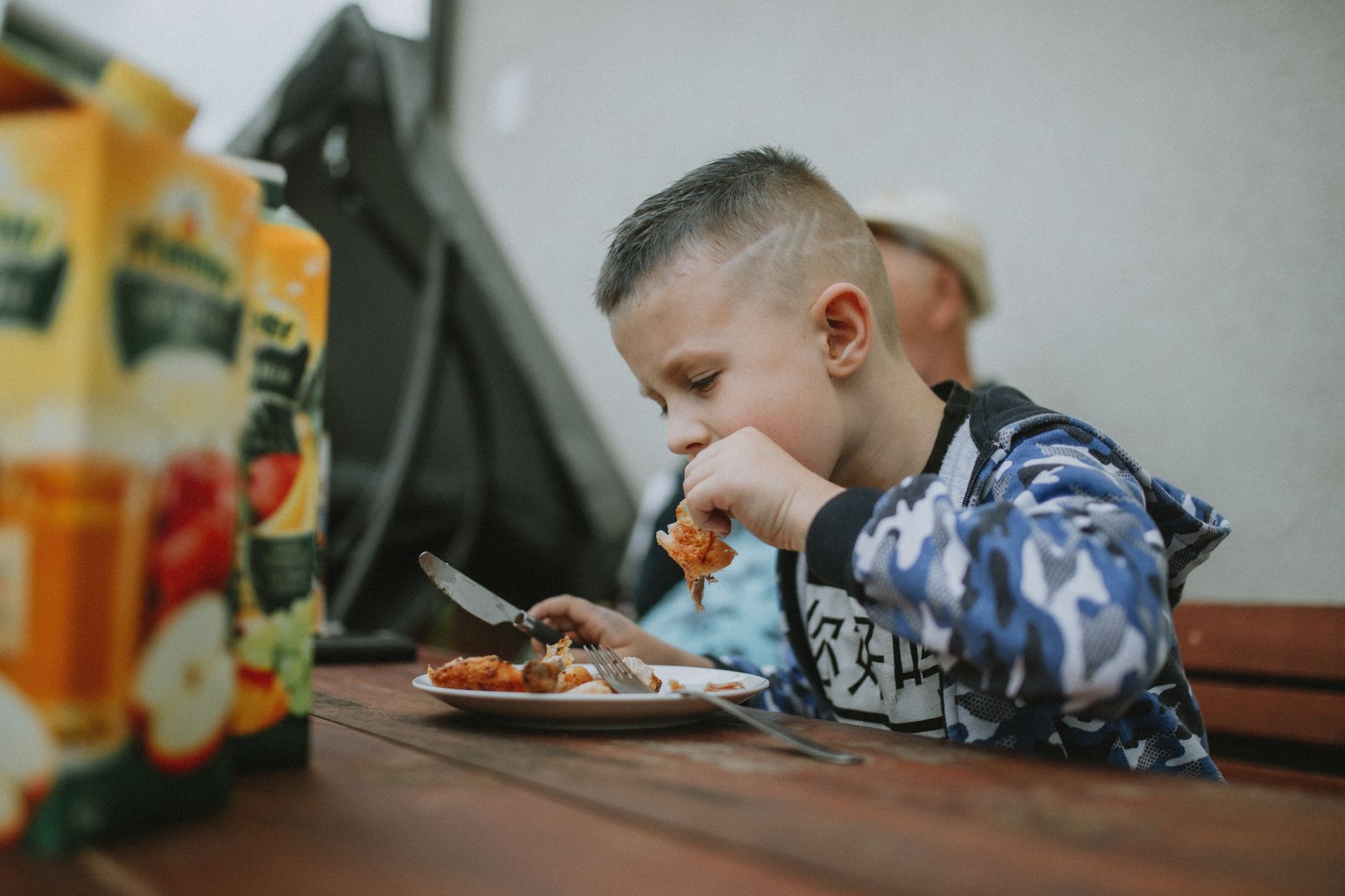
Most family meal planning advice focuses on recipes rather than systems. Recipes require the full dish to work as intended, which creates friction when one person will not eat an ingredient. A component-based system removes that friction by design.
The flexibility also supports different hunger patterns across the family. Because everyone builds their own plate, portion sizes adjust naturally without anyone feeling they are being controlled or watched. For families where one parent is tracking intake loosely, this removes the awkwardness of eating differently at a shared table.
The goal is not perfection. It is building a dinnertime rhythm that your family will actually use on a tired Wednesday evening, not just during the first optimistic week of a new plan.

A Small Step to Start This Week
If this system appeals to you, pick one dinner this week and try the base-plus-components format. Choose ingredients most of your family already enjoys. Set them out separately and let each person build their plate.
That one meal is enough to test whether the approach works for your household. Consistency over time, not an overhaul overnight, is how lasting habits form.
For a broader look at how breakfast choices shape hunger and energy across the whole day, why your breakfast protein matters more than meal size offers a practical companion read.
This article is for general educational and informational purposes only and is not a substitute for medical advice, diagnosis, or treatment. Health needs vary by individual. Consult a qualified healthcare professional before making significant changes to your diet, exercise routine, supplements, medication, or treatment plan, especially if you have a medical condition, are pregnant or breastfeeding, take medication, or have concerns about your symptoms.
Sources
- U.S. Department of Agriculture and U.S. Department of Health and Human Services. Dietary Guidelines for Americans, 2020-2025. DietaryGuidelines.gov.
- Satter, Ellyn. Ellyn Satter Institute: Division of Responsibility in Feeding. EllynSatterInstitute.org.
- Cooke, L. et al. (2003). The relationship between parental report of food neophobia and everyday food consumption in 2-6 year old children. Appetite, 41(2), 205-206.


