

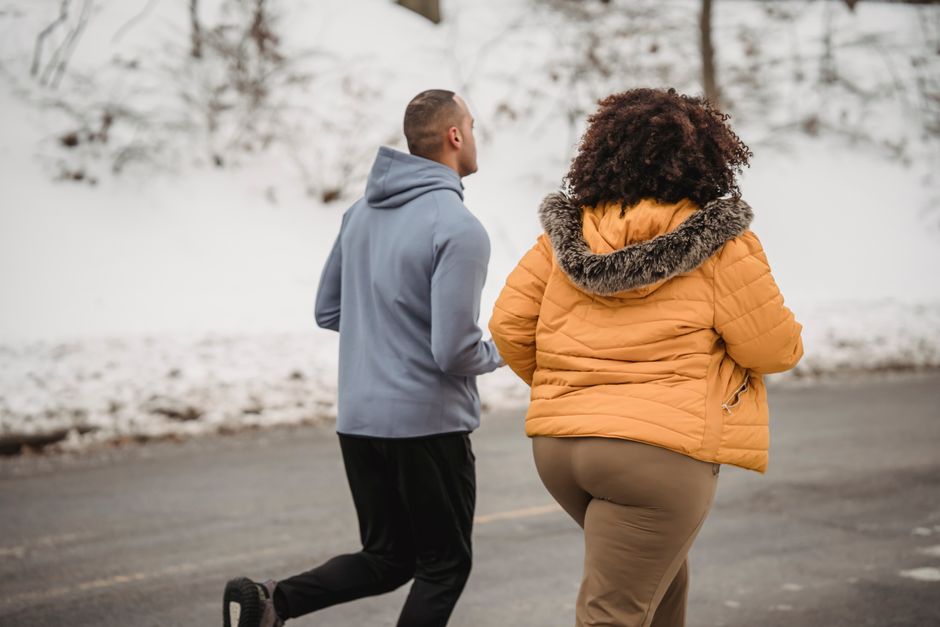
You already know movement matters. The harder question is which movement you will keep doing three months from now, not just three days from now. When it comes to walking vs. running for fat loss, the science is more nuanced than most fitness headlines suggest, and the right answer depends on variables that are entirely personal.
This comparison breaks down what the research actually shows, where each activity shines, and how to make a realistic choice.

What the Research Says About Fat Loss
Both walking and running create a calorie deficit, which is the core mechanism behind fat loss. Running burns more calories per minute because it requires greater effort. A 155-pound person burns roughly 300 to 400 calories during a 30-minute run at moderate pace, compared to roughly 150 to 200 calories during a 30-minute brisk walk, according to estimates published by Harvard Health Publishing.
However, calorie burn per minute is only part of the picture.
A frequently cited study in the journal Arteriosclerosis, Thrombosis, and Vascular Biology (Williams, 2013) found that walking and running produced similar reductions in cardiovascular disease risk and body weight when the same total energy expenditure was matched. In other words, walking longer sessions can produce comparable fat loss results to shorter runs, as long as you actually do the sessions.
Running also triggers a stronger post-exercise calorie burn (excess post-exercise oxygen consumption, or EPOC), but this effect is modest and often overstated in popular media. For most beginners, total weekly movement volume matters far more than the intensity of any single session.
If you want to explore how grocery habits support the nutrition side of weight management, the Grocery Shopping for Sustainable Weight Loss guide pairs well with either movement choice.

Injury Risk: A Real Tradeoff
This is where walking pulls ahead for many people. Running injury rates are notably high. Research published in the British Journal of Sports Medicine suggests roughly 50 percent of recreational runners experience an injury in any given year, with common problems including shin splints, plantar fasciitis, and knee pain.
Walking’s injury rate is far lower, making it the more durable choice for beginners, older adults, people with joint concerns, those returning from injury, or anyone carrying extra body weight that adds joint stress during high-impact movement.
If you are new to regular movement and you push into running too quickly, a two-week injury can erase weeks of momentum. The Five Reasons Your Walking Habit Fades by Week Three guide covers exactly how to protect early consistency, which applies whether you walk or run.
Running is not inherently dangerous, but it demands a slower ramp-up than many beginners attempt. A gradual walk-to-run progression, proper footwear, and adequate rest days reduce risk significantly.

Mental Health Benefits: Closer Than You Think
Both activities improve mood, and the mechanisms overlap substantially. Exercise stimulates endorphin release, reduces cortisol, and supports neuroplasticity through increased brain-derived neurotrophic factor (BDNF). The American Psychological Association notes that regular aerobic exercise is associated with reduced symptoms of anxiety and depression.
Running can produce a more intense mood lift in a shorter session, partly because higher intensity amplifies these neurochemical effects. But walking, especially outdoors, carries its own distinct mental health advantages:
- Lower perceived effort means people report enjoying it more and feeling less dread before the session
- Outdoor walking has been associated with reduced rumination in research published in the Proceedings of the National Academy of Sciences (Bratman et al., 2015)
- Walking is more socially accessible, which means it is easier to do with a friend, a partner, or a child in a stroller
- The meditative, rhythmic quality of a slow-to-moderate walk can double as a mindfulness practice
If you are specifically looking to use walking as a stress management tool, the Walking for Stress Relief and Mood: A Three-Week Progressive Plan for Beginners offers a structured starting point.
For acute mood lifting after a hard day, a 20-minute run may work faster. For building a sustainable mental health practice over months, walking’s lower barrier to entry often wins.

Sustainability: The Variable That Determines Everything
Consistency is the single biggest predictor of long-term fat loss and mental health outcomes from exercise. A routine you maintain for six months beats a more intense routine you quit after six weeks.
Walking wins on sustainability for most beginners because:
- You can do it in regular clothes and most footwear
- It requires no recovery day after most sessions
- It fits into a lunch break, a school pickup route, or a morning routine without significant scheduling demands
- The dropout rate is much lower than for structured running programs
Running can become deeply sustainable too, especially for people who enjoy the intensity, the community (running groups, races), or the clear measurable progress. But it typically requires a longer ramp-up period before it feels natural rather than punishing.
If you are torn between structured and intuitive movement, Intuitive Movement vs. Structured Home Workouts explores this tradeoff in more depth.

How to Choose Based on Where You Are Right Now
Neither walking nor running is universally superior. Here is a practical framework:
Choose walking as your primary movement if:
- You are new to regular exercise
- You have joint pain, a previous injury, or significant weight to lose
- Your schedule is unpredictable and you need a flexible activity
- You want movement that also serves as mental decompression
- You have struggled to maintain exercise habits in the past
Consider adding running (gradually) if:
- You have been walking consistently for at least 6 to 8 weeks and want more intensity
- You enjoy the challenge and measurable progress of pace or distance
- You are cleared by a healthcare professional and have no significant joint concerns
- You want a time-efficient calorie burn on days when your schedule is tight
You do not have to choose permanently. Many people walk most days and run a couple of times per week. This hybrid approach captures walking’s sustainability and running’s calorie efficiency without the injury risk of running daily.

The Honest Bottom Line
For walking vs. running fat loss comparisons, the research consistently shows that the movement you sustain matters more than the movement that burns more calories in a single session. Walking is underestimated. Running is not automatically better. Your joint health, schedule, enjoyment, and current fitness level should guide the decision far more than any generic intensity recommendation.
Start where you are. Build slowly. Pair your movement with balanced eating and adequate sleep. That combination, maintained over months, is what produces real change.
Pick one realistic action from this article, whether that is a 20-minute walk today or a plan to add two short runs per week, and put it on your calendar. Small, consistent steps build the results that feel sustainable rather than exhausting.
This article is for general educational and informational purposes only and is not a substitute for medical advice, diagnosis, or treatment. Health needs vary by individual. Consult a qualified healthcare professional before making significant changes to your diet, exercise routine, supplements, medication, or treatment plan, especially if you have a medical condition, are pregnant or breastfeeding, take medication, or have concerns about your symptoms.

Sources
- Williams, P.T. (2013). Greater weight loss from running than walking during 6.2-yr prospective follow-up. Medicine and Science in Sports and Exercise. Published via PubMed.
- Bratman, G.N. et al. (2015). Nature experience reduces rumination and subgenual prefrontal cortex activation. Proceedings of the National Academy of Sciences.
- Hespanhol Junior, L.C. et al. (2015). Health and economic burden of running-related injuries. British Journal of Sports Medicine.
- American Psychological Association. Exercise and mental health. APA.org.
- Harvard Health Publishing. Calories burned in 30 minutes for people of three different weights. Harvard Medical School.