

You ate a reasonable meal. Nothing unusual. And yet, twenty minutes later, you feel heavy, a little bloated, and oddly tired. It is easy to assume something in the food is the culprit, but there is a strong case that how you are sitting is doing most of the damage.
Digestive comfort posture is the idea that the physical position of your torso directly shapes how efficiently your gut moves food through. The good news is that a few simple adjustments, none of which require changing your menu, can make a noticeable difference by your next meal.
Why Sitting Position Affects Digestion at All
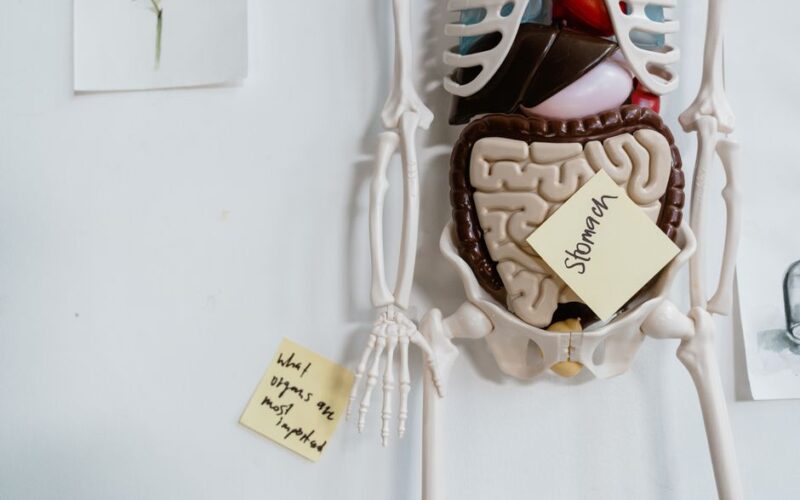
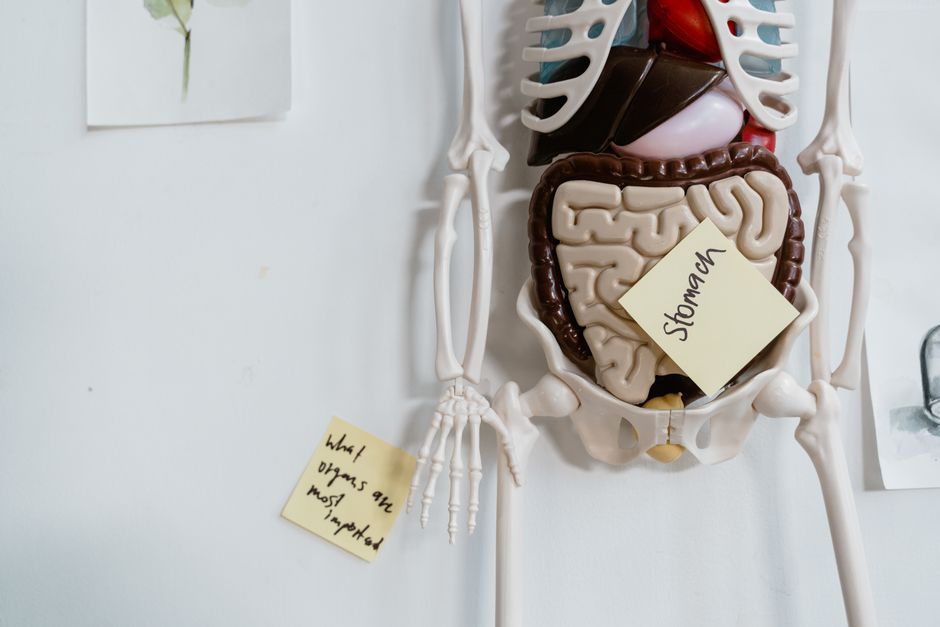
Your digestive tract is not a rigid pipe. It is a soft, flexible system that relies on muscle contractions, gravity, and space to move food along. When you slump forward in a chair or curl over a laptop, the stomach and intestines get compressed. That compression slows gastric emptying, the process by which the stomach pushes food into the small intestine, and it can trap gas in the colon.
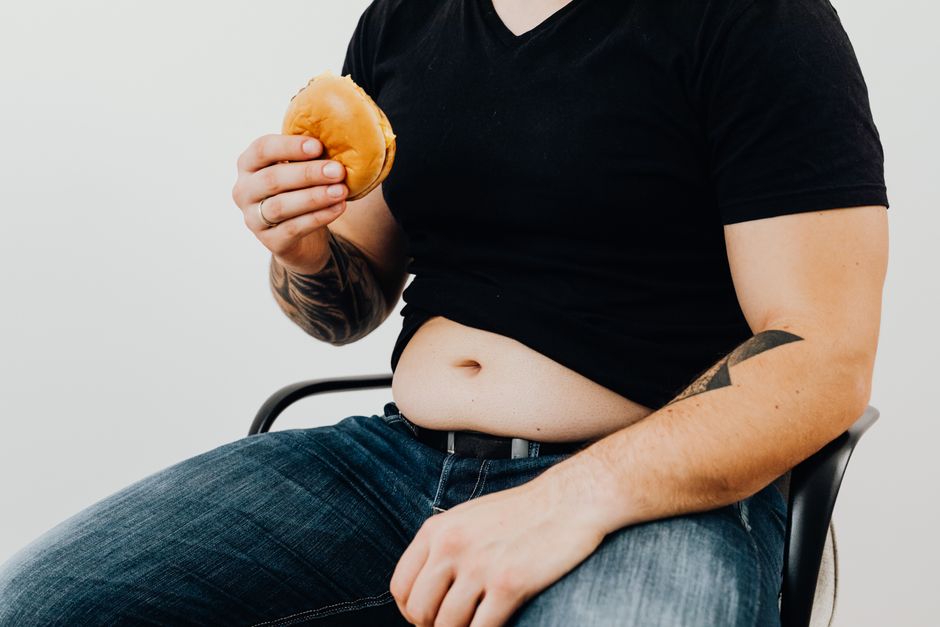
Research published in the Journal of Neurogastroenterology and Motility has shown that body position measurably influences gastrointestinal transit time. Even the classic post-meal slouch, elbows on the table, chin propped up, torso rounded, shortens the space available for the stomach to expand and can increase reflux risk by reducing the angle between the esophagus and stomach.
The diaphragm is also involved. When you slouch, your diaphragm cannot move fully downward on each breath. Shallow breathing then limits the gentle massaging action the diaphragm normally provides on the organs directly below it. If you want to see how breathing ties into this, Digestive Bloating From Tight Breathing and Shallow Movement: Why Posture Fixes Work Better Than Food Restriction goes deeper on that connection.
Three Position Adjustments to Try Right After Eating
These are not complicated stretches. Each takes about ten seconds to set up and can be held at the dinner table, a work desk, or a couch.
1. Sit at the Front Third of Your Chair
Scoot forward so only the front portion of your thighs rests on the seat. This naturally tilts your pelvis slightly forward, which decompresses the lower gut and encourages a neutral lumbar curve. Your torso now has room to lengthen rather than fold over the stomach.
If you tend to round backward into the chair within a few minutes, place a small rolled towel at your lower back as a temporary reminder. The goal is not rigid military posture; it is just enough lift to keep the digestive tract relatively unobstructed.
2. Stack Your Shoulders Over Your Hips
Imagine a straight line running from your ear down through your shoulder, hip, and knee. Most people eating at a table sit with the ear six to eight inches in front of that line, which means the entire head and neck, weighing roughly ten to twelve pounds, is pulling the upper spine forward and compressing the torso.
Bring your ear back over your shoulder and feel your chest open slightly. You do not need to hold it perfectly. Even shifting into this position for thirty to sixty seconds several times during and after a meal gives the stomach more working room.
3. Elevate Your Feet Slightly If You Feel Reflux
If your post-meal discomfort tends toward heartburn or a sensation of food sitting high in the chest, keeping your feet flat or slightly elevated (a small step stool works) reduces intra-abdominal pressure compared to letting your legs dangle. Dangling feet tilt the pelvis back, which rounds the lower spine and pushes the gut upward into the diaphragm.
Note: if you experience frequent reflux symptoms, speak with a qualified healthcare professional before relying on positional changes alone, as persistent reflux can have underlying causes that need evaluation.
A Gentle Post-Meal Movement Routine (10 Minutes)
Posture alone helps, but gentle movement amplifies the effect by stimulating the migrating motor complex, the wave-like contraction pattern that clears the stomach and small intestine between and after meals. Stretching for Digestion: How Post-Meal Movement Supports Nutrient Absorption and Comfort covers the physiology in detail, but here is a simple, beginner-friendly version you can start today.
Minutes 1-3: Slow walking. A leisurely two-to-three minute walk, even just around a room, activates light peristaltic movement and prevents the blood from pooling in sluggish legs after sitting. Research from the journal Sports Medicine suggests that even short post-meal walks may support glycemic control and gastric emptying.
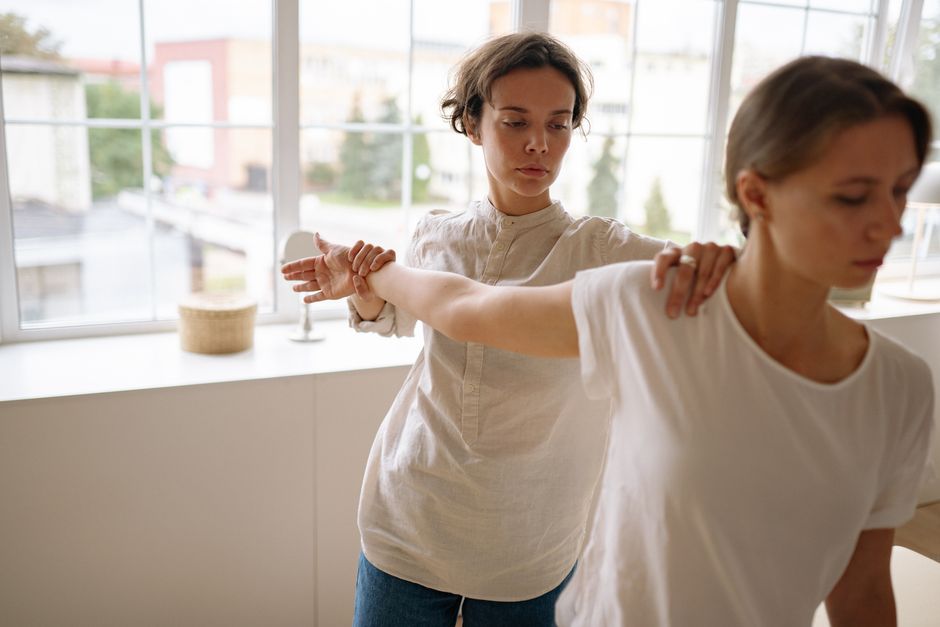
Minutes 4-6: Seated torso rotation. Sit upright, cross your arms over your chest, and gently rotate left and right ten times each. Keep the movement slow and breath-led. This mild wringing motion encourages colon motility without putting stress on the spine.
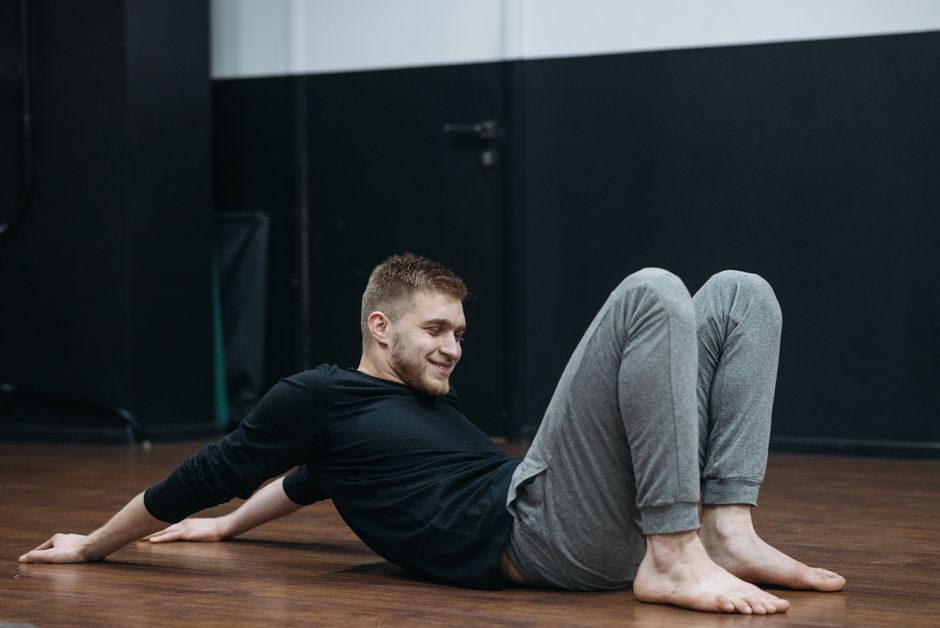
Minutes 7-10: Supine knees-to-chest. Lie on your back, bring both knees toward your chest, and hold for thirty seconds. Release, then bring one knee at a time for two reps each. This compresses and then releases the ascending colon, which can help move trapped gas that causes that familiar post-lunch bloat.
If you find that food choices are also contributing to heaviness, Why Your Stomach Feels Heavy After Lunch and How Eating Order Actually Fixes It pairs well with these posture strategies.
What This Means for Your Daily Routine
You do not need to rebuild your entire day around digestive comfort posture. The practical approach is to anchor one habit: after your largest meal, spend the first five minutes in an upright, open posture before doing anything else, and then take a short walk or do the knee-to-chest exercise if time allows.
Over time, your body will start associating meals with this upright, mobile state rather than the slumped, scrolling-on-a-phone position that most post-meal moments default to. Consistent habits, even small ones, tend to compound. If you want to explore how movement and routine connect across the day, Mobility Drills for Desk Workers: Reverse Sitting Stiffness and Reclaim Posture in 10 Minutes offers a complementary practice.
Choose one adjustment from this article, the seated position correction, the torso rotation, or the post-meal walk, and practice it consistently for one week. Small, realistic shifts tend to build into lasting habits far better than overhauling everything at once. For more practical weekly guidance, consider joining the Clean Body Mentor newsletter.
This article is for general educational and informational purposes only and is not a substitute for medical advice, diagnosis, or treatment. Health needs vary by individual. Consult a qualified healthcare professional before making significant changes to your diet, exercise routine, supplements, medication, or treatment plan, especially if you have a medical condition, are pregnant or breastfeeding, take medication, or have concerns about your symptoms.
Sources
- Koo, H. et al. (2021). “Effect of Body Posture on Gastrointestinal Transit Time.” Journal of Neurogastroenterology and Motility (cited by name; see PubMed for the indexed abstract).
- Buffey, A.J. et al. (2022). “The Acute Effects of Interrupting Prolonged Sitting Time in Adults with Standing and Light-Intensity Walking on Biomarkers of Cardiometabolic Health in Adults.” Sports Medicine, 52, 1765-1787. https://doi.org/10.1007/s40279-022-01649-4
- National Institute of Diabetes and Digestive and Kidney Diseases (NIDDK). “Symptoms and Causes of GER and GERD.” U.S. Department of Health and Human Services. https://www.niddk.nih.gov/health-information/digestive-diseases/acid-reflux-ger-gerd-adults/symptoms-causes