
If you follow a pescatarian lifestyle and want to build lean muscle, you have probably run into the same concern: am I getting enough protein? The short answer is yes, you can, and you do not need to compromise your values or overhaul your entire kitchen to make it happen. What you do need is a clear picture of which pescatarian high-protein meals actually deliver the amino acids your muscles need, and a practical plan for spacing that protein across your day.
This guide gives you both.

Why Protein Matters More Than People Realize for Muscle Building
Muscle protein synthesis, the biological process that repairs and grows muscle tissue after resistance training, depends heavily on two things: adequate total protein intake and a consistent supply of essential amino acids throughout the day.
Research published in the Journal of the International Society of Sports Nutrition suggests that 1.6 to 2.2 grams of protein per kilogram of body weight per day is an effective range for people actively trying to build muscle. For a 150-pound (68 kg) adult, that works out to roughly 109 to 150 grams of protein daily.
The good news for pescatarians is that seafood and dairy score high on leucine content, and leucine is the key amino acid that signals muscle growth. You are not starting from a disadvantage.
For a deeper look at how plant and animal protein sources compare for home strength training, see Protein Quality and Muscle Building: Comparing Plant, Animal, and Combination Sources for Home Strength Training.
The Best Pescatarian Protein Sources for Muscle Growth
Not all protein sources are equal in bioavailability or convenience. Here is a practical breakdown of what works well on a pescatarian eating pattern:
Seafood (the clear winners)
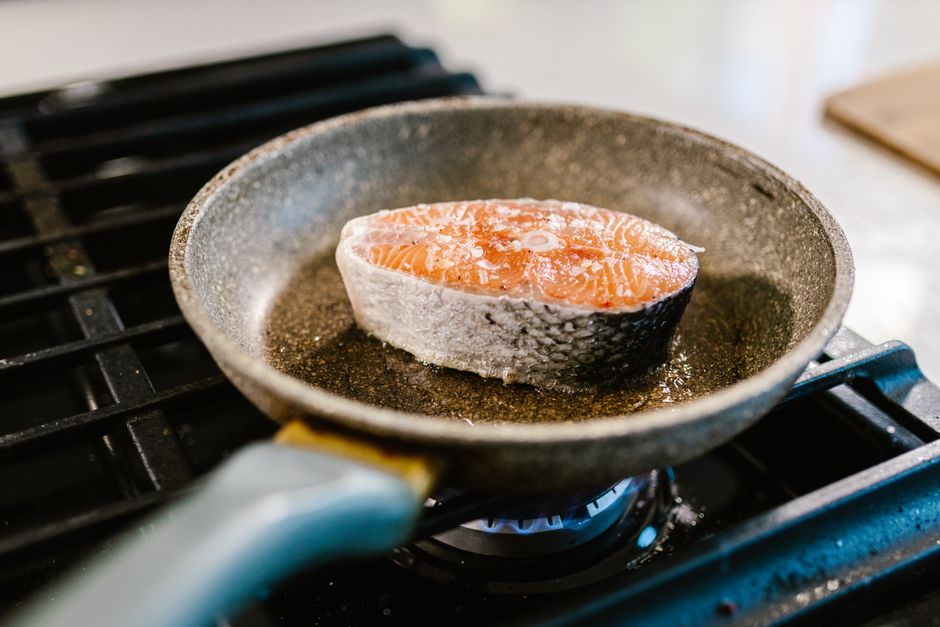
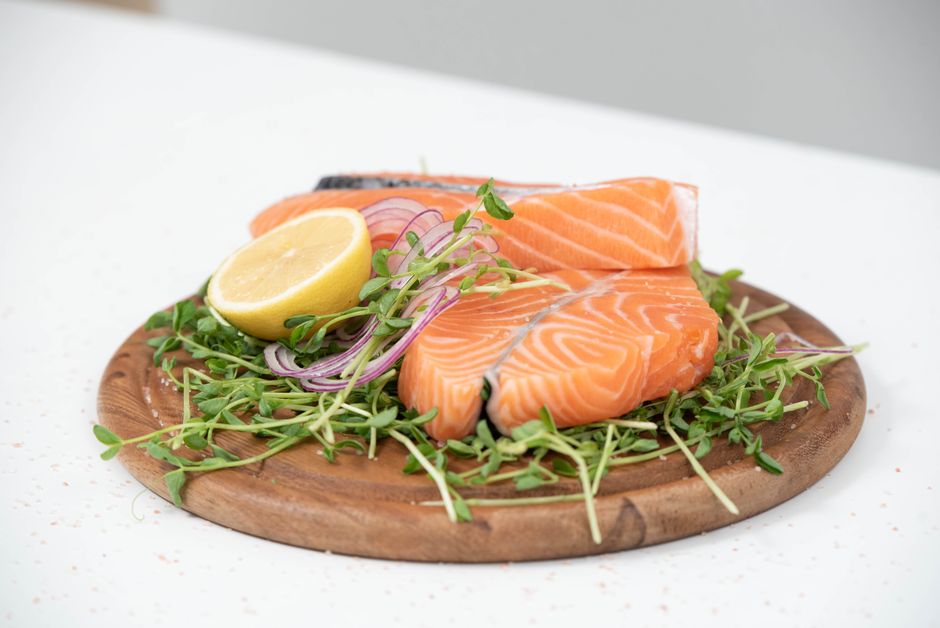
- Salmon (3 oz cooked): about 22 g protein, plus omega-3 fatty acids that may help reduce muscle soreness
- Canned tuna (3 oz): about 20 g protein, low cost, zero prep
- Shrimp (3 oz cooked): about 18 g protein, very low in fat
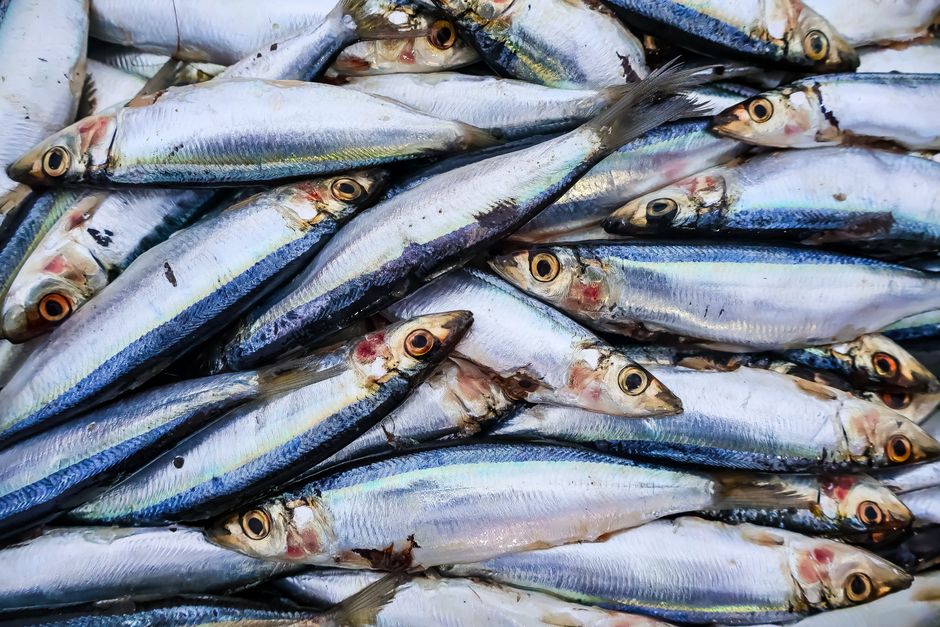
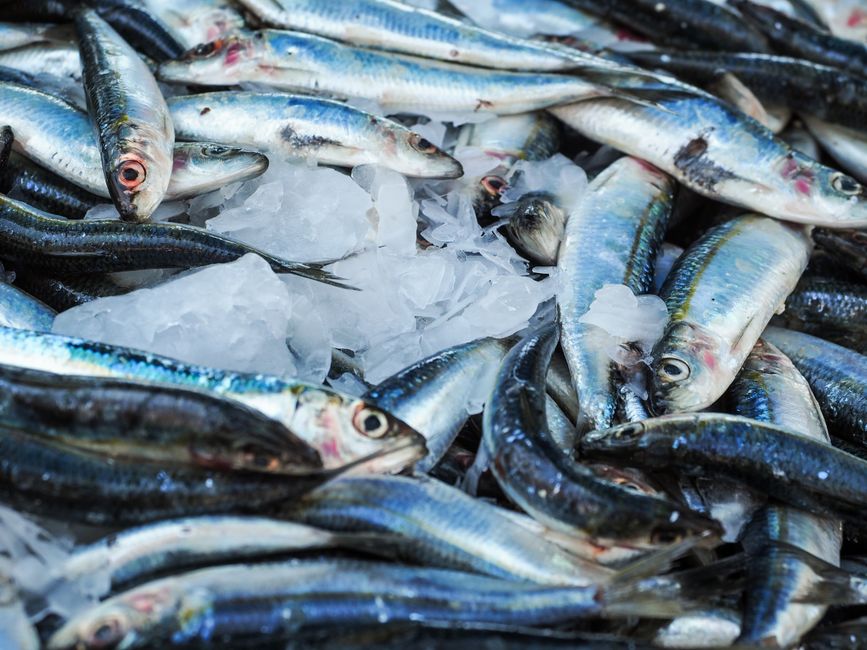
- Sardines (one 3.75 oz can): about 23 g protein, rich in vitamin D and calcium
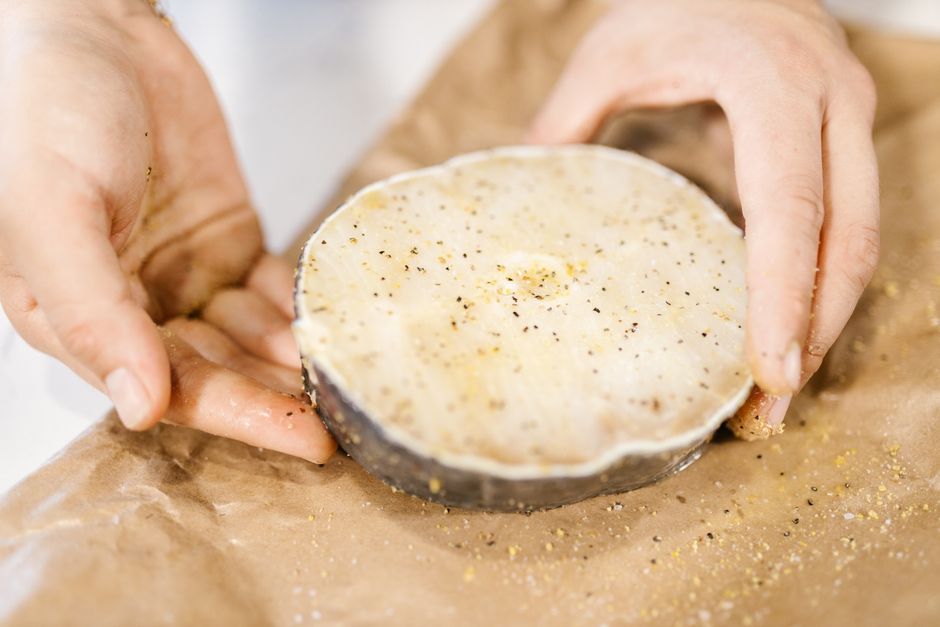
- Cod or tilapia (3 oz): about 21 g protein, mild flavor and easy to season
Eggs and Dairy
- Two large eggs: about 12 g protein, with all essential amino acids
- Greek yogurt (3/4 cup): about 17 g protein, works as a post-workout snack or breakfast base
- Cottage cheese (1/2 cup): about 14 g protein, high in casein which digests slowly overnight
- Parmesan or low-fat ricotta: useful to boost protein in pasta or grain bowls
Plant Proteins That Pair Well
- Edamame (1/2 cup): about 9 g protein, a complete protein source
- Lentils (1/2 cup cooked): about 9 g protein, high in fiber
- Tempeh (3 oz): about 16 g protein and fermented for easier digestion
- Hemp seeds (3 tbsp): about 10 g protein, easy to blend into smoothies or sprinkle on salads
Building pescatarian high-protein meals around these combinations gives you variety, solid amino acid profiles, and enough micronutrients to support recovery.
How to Time Your Protein for Strength Progress
Total daily protein matters, but so does how you distribute it. Research suggests that spreading protein across three to four meals, aiming for 25 to 40 grams per sitting, supports muscle protein synthesis better than eating most of your protein at dinner.
Protein Timing Across Your Day: How Breakfast, Lunch, Dinner, and Snacks Shape Hunger and Energy Better Than Total Intake explains this pattern in detail, including how skipping breakfast protein can undercut your afternoon energy and recovery.
For muscle building specifically, eating a protein-containing meal within one to two hours after your workout is a useful habit. It does not need to be a shake. A bowl of Greek yogurt with hemp seeds and berries, or canned tuna on whole grain crackers with sliced avocado, does the same job with real food.
And for what to eat after a session, Strength Training Recovery Nutrition: What to Eat After Your Workout for Muscle Repair covers post-workout meals in more detail.
A Simple Pescatarian Weekly Meal Framework
You do not need a rigid meal plan, but having a repeatable structure makes hitting your protein targets far easier. Here is a practical starting framework you can adapt:
Breakfast (aim for 25-35 g protein)
- Two scrambled eggs plus Greek yogurt with hemp seeds and fruit
- Smoked salmon on whole grain toast with cottage cheese and cucumber
- Protein smoothie with Greek yogurt, hemp seeds, frozen edamame, and berries
Lunch (aim for 30-40 g protein)
- Tuna salad bowl over greens with chickpeas, avocado, and lemon-tahini dressing
- Salmon grain bowl with quinoa, roasted vegetables, and edamame
- Shrimp stir-fry with tempeh, broccoli, snap peas, and brown rice
Dinner (aim for 30-40 g protein)
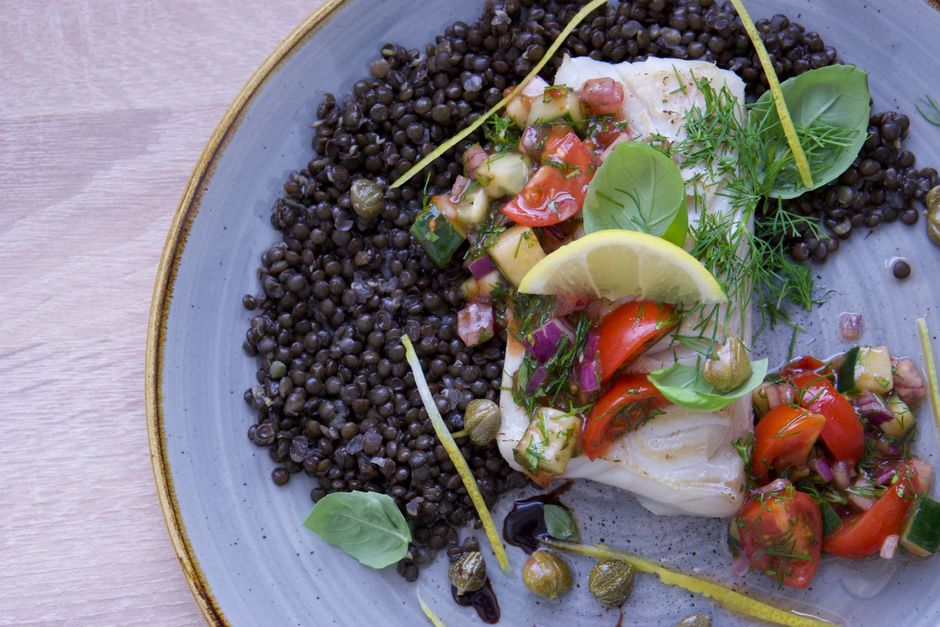
- Baked cod with lentil soup and a side salad
- Sardine and white bean pasta with olive oil and garlic
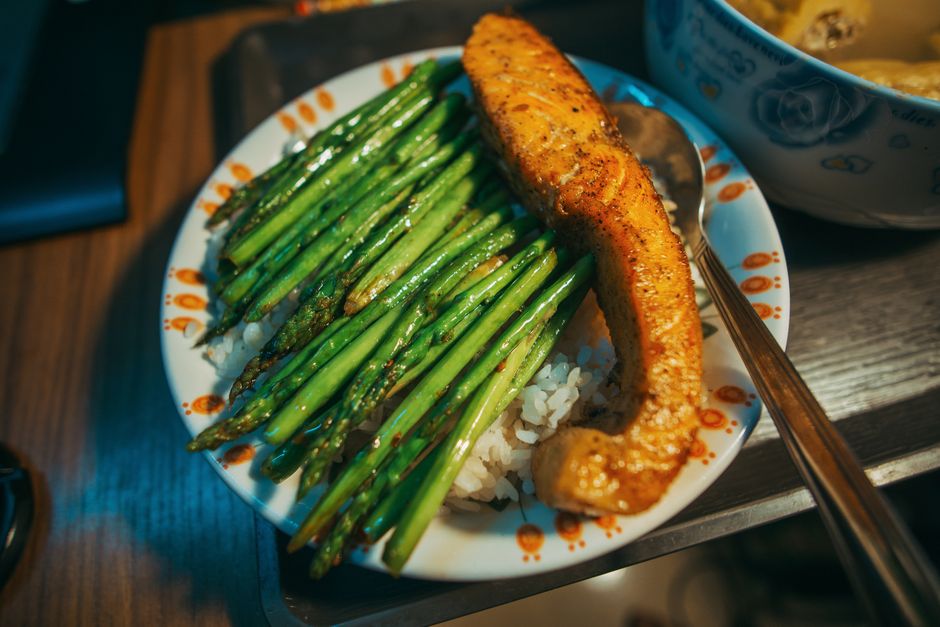
- Grilled salmon with roasted sweet potato and sauteed spinach
Snacks (10-20 g protein each)
- Cottage cheese with sliced tomato
- Hard-boiled eggs with whole grain crackers
- Greek yogurt with a small handful of pumpkin seeds
For practical strategies to make this kind of eating sustainable during a busy week, Meal Prep for Beginners: A Step-by-Step System That Actually Fits Your Schedule is a useful companion guide.
Pairing Your Meals With the Right Training
Protein alone does not build muscle. You need a consistent resistance training stimulus to give your body a reason to use that protein for growth rather than energy. If you are newer to strength work, Building Strength Without a Gym: Progressive Bodyweight Exercises for Beginners at Home is a solid starting point that requires no equipment and builds genuine progressive overload.
One practical note: omega-3 fatty acids from fatty fish like salmon and sardines may support muscle recovery by reducing inflammation after training, according to a review in the Journal of the International Society of Sports Nutrition. Eating fatty fish two to three times per week is a reasonable habit worth building in.
One Realistic Step to Start
You do not need to redesign every meal this week. Start with one change: choose one of the breakfast combinations above, practice it consistently for two weeks, and notice how your energy and hunger feel across the morning.
If you want to go deeper, browse the Clean Body Mentor newsletter for practical weekly guidance on nutrition, movement, and sustainable habits that fit real life.
This article is for general educational and informational purposes only and is not a substitute for medical advice, diagnosis, or treatment. Health needs vary by individual. Consult a qualified healthcare professional before making significant changes to your diet, exercise routine, supplements, medication, or treatment plan, especially if you have a medical condition, are pregnant or breastfeeding, take medication, or have concerns about your symptoms.
Sources
- Stokes, T., et al. (2018). “Recent Perspectives Regarding the Role of Dietary Protein for the Promotion of Muscle Hypertrophy.” Nutrients, National Institutes of Health (NIH/PubMed).
- Morton, R.W., et al. (2018). “A systematic review, meta-analysis and meta-regression of the effect of protein supplementation on resistance training-induced gains in muscle mass and strength.” British Journal of Sports Medicine.
- Smith, G.I., et al. (2011). “Dietary omega-3 fatty acid supplementation increases the rate of muscle protein synthesis in older adults.” American Journal of Clinical Nutrition.
- International Society of Sports Nutrition Position Stand: protein and exercise. Journal of the International Society of Sports Nutrition (ISSN).