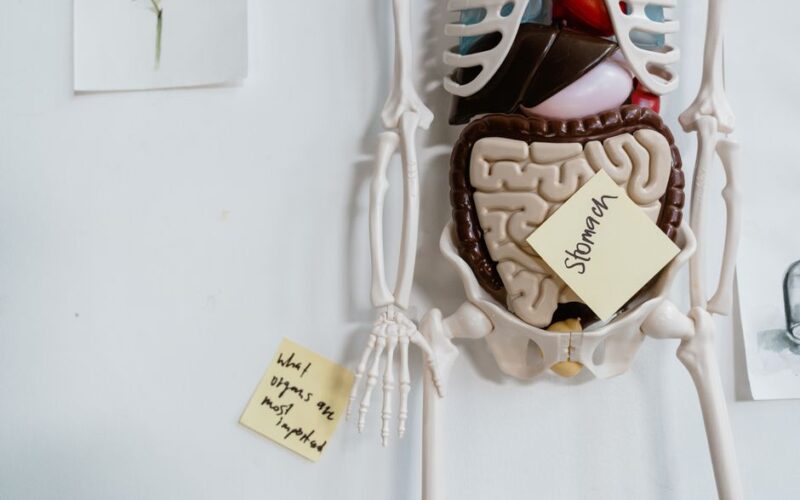


You finish a hard workout and immediately start wondering what tomorrow’s session should look like. Taking a day off feels like falling behind, like discipline slipping through your fingers. But here is what the research actually shows: muscle growth does not happen during your workout. It happens afterward, during rest, when your body repairs the microscopic damage caused by training stress.
According to the American College of Sports Medicine, muscles generally need 48 to 72 hours to recover adequately between training the same muscle group. Skip that window consistently and you are not building more strength. You are stacking fatigue on top of incomplete repair.
Three people learned this the hard way, and then the right way. Their experiences with rest days muscle recovery offer a clearer picture than any workout plan alone could.
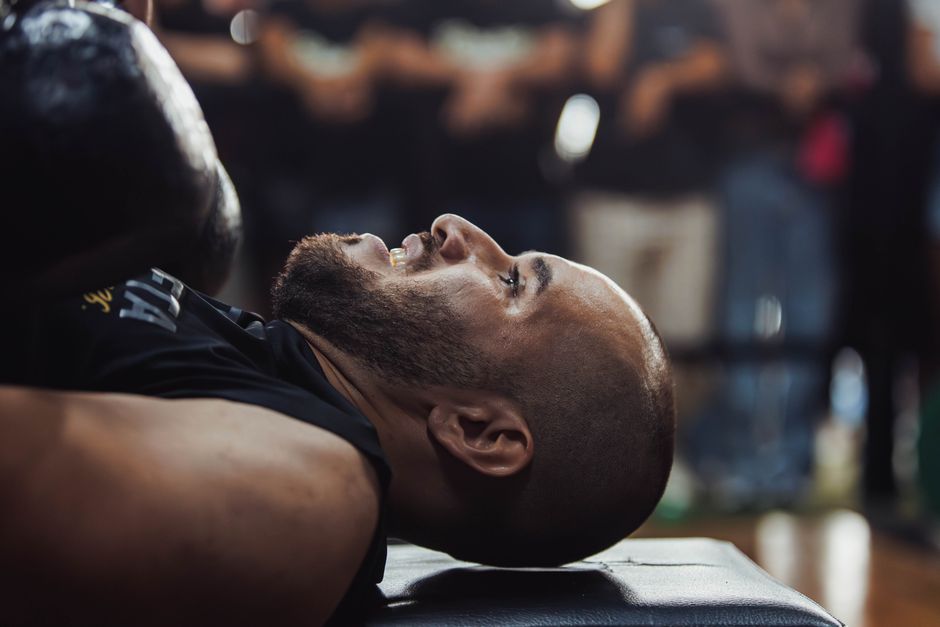
Marcus: The Lifter Who Stopped Plateauing When He Stopped Training Six Days a Week
Marcus, 34, had been lifting consistently for two years. He trained six days a week, took pride in never skipping, and still could not break through the same squat weight for four months. His sleep was poor, his joints ached, and his motivation was draining fast.
A coach suggested cutting back to four sessions per week and protecting two full rest days plus one day of light walking. Marcus resisted. Taking two full rest days felt like regression.
Six weeks later, his squat improved by 15 pounds. His sleep quality improved noticeably once his training volume dropped. The explanation is straightforward: chronic training stress elevates cortisol, and when cortisol stays elevated without adequate recovery, it can suppress the hormonal environment that supports muscle repair. Research published in the Journal of Strength and Conditioning Research suggests that overreaching without recovery leads to performance decrements rather than gains.
Marcus was not undertrained. He was under-recovered. Protecting those rest days gave his nervous system the reset it needed.
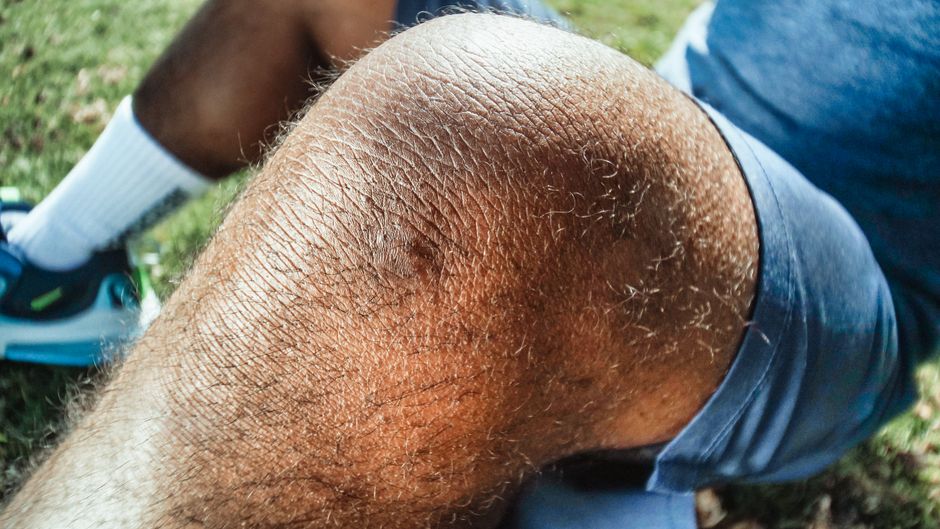
Priya: Reducing Injury Risk by Embracing Active Recovery
Priya, 41, ran five days a week and added two strength sessions on top of that. She was fit, motivated, and increasingly sore. Then a nagging knee issue sidelined her for three weeks.
When she returned, she restructured her week to include two active recovery days and one complete rest day. Active recovery means low-intensity movement, think gentle walking, light stretching, or easy cycling, rather than another hard session. This kind of movement promotes blood circulation to healing tissue without adding additional training stress.
If you are curious about what smart movement looks like on recovery days, Strength Training on Rest Days: Active Recovery Workouts That Build Resilience Without Overtraining breaks this down practically.
After three months with her new structure, Priya’s knee pain had resolved, her pace improved, and she had not missed a scheduled workout due to soreness in over ten weeks. Her rest days were not passive. They were strategic.
What changed her perspective was understanding that her immune system and connective tissue both need recovery time. If you have ever wondered why hard training sometimes makes you feel run-down, Why You Get Sick After Intense Workouts and How Rest Days Actually Build Better Fitness explains the physiological reason in detail.

Dante: Rebuilding Strength at 52 by Prioritizing Sleep and Nutrition on Rest Days
Dante, 52, had returned to strength training after a decade away. He was making progress, then stalling, then feeling exhausted by week three of every new program. He assumed the problem was his age or his programming.
A closer look revealed two issues. First, he was treating rest days as calorie-restriction days, eating far less because he felt he “did not earn it.” Second, his sleep on rest days was worse because he stayed up later without the physical fatigue that usually put him to sleep.
Both habits undermined his recovery. Muscle protein synthesis, the process by which your body builds new muscle tissue, depends on adequate protein intake every day, not just training days. Research reviewed by the International Society of Sports Nutrition supports distributing protein evenly across the day, including rest days. For practical ideas on what to eat when you are not training, Rest Day Meals That Support Recovery Without Sabotaging Your Progress offers a grounded starting point.
On the sleep side, the connection between rest quality and physical recovery is real. Deep sleep is when growth hormone secretion peaks, supporting tissue repair. Even one or two nights of poor sleep can blunt strength gains over time, according to findings summarized by the National Sleep Foundation. Protecting sleep on rest days, not just training days, turned out to be a turning point for Dante.
After adjusting his nutrition and sleep habits, he broke through his plateau within a month and has not hit the same wall since.

What These Three Stories Have in Common
Marcus, Priya, and Dante all made the same fundamental error: they treated rest as optional or as something to feel guilty about. What they discovered, through different paths, was that rest days muscle recovery is not passive. It is an active process happening in the background, driven by sleep, nutrition, and low-stress movement.
A few patterns worth noting from their experiences:
- Reducing volume often increases progress, especially when fatigue is masking true fitness.
- Active recovery beats complete stillness on most rest days, but at least one full rest day per week helps the nervous system reset.
- Protein and sleep matter just as much on rest days as they do after a hard session.
- Guilt about resting is one of the quietest forms of overtraining. Letting go of it is part of the physical work.
If you have been pushing hard without seeing results, consider whether more training is really what you need, or whether your body is asking for better recovery.
Start with one small shift: protect one complete rest day this week. Eat enough protein, prioritize sleep, and notice how you feel in the next session. Sustainable strength is built over months, not days. For more practical guidance delivered weekly, the Clean Body Mentor newsletter covers recovery, nutrition, and movement in the same supportive voice.
Sources
- American College of Sports Medicine. ACSM’s Guidelines for Exercise Testing and Prescription.
- Kreher, J.B., and Schwartz, J.B. (2012). Overtraining Syndrome: A Practical Guide. Sports Health. (PubMed)
- Jager, R., et al. (2017). International Society of Sports Nutrition Position Stand: Protein and Exercise. Journal of the International Society of Sports Nutrition.
- National Sleep Foundation. Sleep and Athletic Performance overview.
This article is for general educational and informational purposes only and is not a substitute for medical advice, diagnosis, or treatment. Health needs vary by individual. Consult a qualified healthcare professional before making significant changes to your diet, exercise routine, supplements, medication, or treatment plan, especially if you have a medical condition, are pregnant or breastfeeding, take medication, or have concerns about your symptoms.