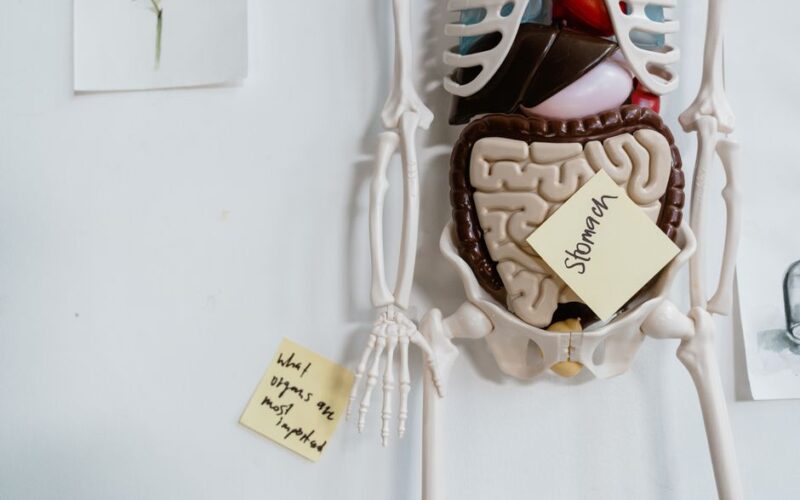


If you end most workdays with a stiff lower back, tight hips, or the uncomfortable sense that your shoulders have crept forward two inches, you are not imagining things. Prolonged sitting shortens the hip flexors, compresses the lumbar spine, and weakens the muscles that hold your shoulders back. Stretching alone helps temporarily, but mobility training goes further: it builds active control through a full range of motion so your body can actually use the space you open up.
The five moves below are designed specifically as mobility exercises for desk workers. You do not need equipment, a gym, or more than 10 minutes. A chair and a small patch of floor are enough.
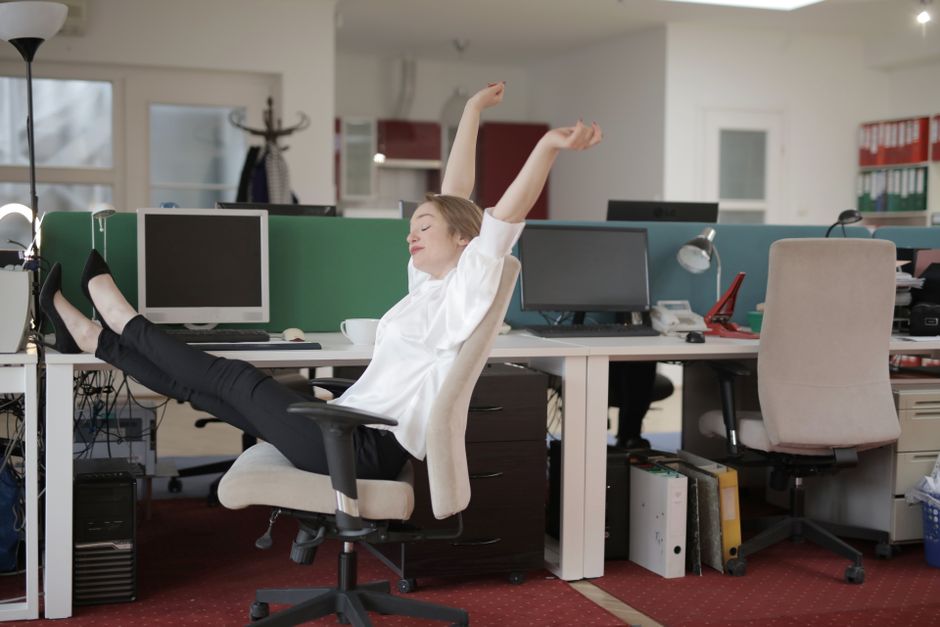
Why Desk Work Creates Stiffness (and Why Stretching Is Only Half the Answer)
Research published in Applied Ergonomics and reviewed by the National Institute for Occupational Safety and Health (NIOSH) consistently links prolonged sitting to musculoskeletal discomfort, particularly in the lower back, neck, and shoulders. When you sit for hours, the hip flexors and chest muscles adaptively shorten while the glutes, mid-back muscles, and deep core become underused.
Stretching lengthens a tight muscle passively, but mobility work asks your nervous system to actively control movement at the end of that range. That distinction matters for posture and for reducing re-injury risk. If you want to dig deeper into why passive stretching and active strength training serve different purposes, Stretching vs. Strength Training for Better Posture: Which One Fixes Slouching and Desk Stiffness explains the tradeoffs clearly.

The 10-Minute Routine: Five Moves, Two Sets Each
Plan to do this routine once or twice during your workday, such as at a mid-morning break and again after lunch. Each exercise takes about one minute per side. You will finish in roughly 10 minutes.
Move 1: Hip Flexor Rock (Standing or Half-Kneeling)
Why it helps: The hip flexors (primarily the iliopsoas) are among the first muscles to tighten from sitting. This controlled rocking movement restores length and teaches your hip to move independently from your lower back.
How to do it:
- Stand in a split stance with your right foot forward and your left foot back, or kneel on your left knee with your right foot forward.
- Keep your torso upright and gently shift your hips forward until you feel a mild stretch at the front of the left hip.
- Hold for two counts, return, and repeat 8-10 times.
- Switch sides.
Beginner tip: If kneeling is uncomfortable, place a folded towel under the knee or use the standing split-stance version instead.
Move 2: Thoracic Spine Rotation (Seated or Quadruped)
Why it helps: The mid-back (thoracic spine) tends to round and stiffen during desk work. Restoring thoracic rotation reduces the compensatory strain that often shows up as neck tension and lower-back pain.
How to do it:
- Sit at the edge of your chair with feet flat on the floor and hands lightly behind your head.
- Inhale, then exhale slowly as you rotate your upper body to the right, keeping your hips still.
- Hold for two counts, rotate back to center, then repeat to the left.
- Do 6-8 rotations per side.
Beginner tip: Move only as far as feels comfortable. Forcing the range can strain already-stiff joints.
Move 3: Cat-Cow Flow
Why it helps: This classic yoga-derived movement lubricates the lumbar spine, gently activates the core, and coordinates breathing with spinal movement, a combination research suggests may reduce perceived lower-back discomfort during the workday.
How to do it:
- Come to a tabletop position on the floor, wrists under shoulders and knees under hips.
- Inhale and let your belly drop toward the floor, lifting your head and tailbone (Cow).
- Exhale and round your spine toward the ceiling, tucking chin and pelvis (Cat).
- Move slowly through 8-10 full breath cycles.
Beginner tip: If the floor is not accessible at work, sit at the edge of your chair, place hands on your thighs, and perform the same spinal flexion and extension movement.
Move 4: Wall Angel (Shoulder and Upper-Back Mobility)
Why it helps: Rounded shoulders compress the chest and limit shoulder function. The wall angel trains the muscles that retract and depress the shoulder blades, building active control rather than just passive opening.
How to do it:
- Stand with your back against a wall, feet a few inches from the baseboard.
- Press your lower back, upper back, and the backs of your hands against the wall.
- Slowly slide your arms up into a Y shape and back down, keeping contact with the wall throughout.
- Complete 8-10 slow repetitions.
Beginner tip: If you cannot keep your lower back or arms against the wall, that is fine. Move only as far as you can while maintaining light contact. The range will improve over days and weeks.
For a companion routine that builds the shoulder and back strength to support this range of motion, see Five Beginner Strength Exercises for Posture and Back Health: Simple Moves You Can Do at Home Three Times a Week.
Move 5: 90/90 Hip Switch
Why it helps: The 90/90 position works both internal and external hip rotation, two ranges that desk workers almost never access. Building control here improves how your hips absorb load when you walk, climb stairs, or exercise.
How to do it:
- Sit on the floor with both knees bent at roughly 90-degree angles, one leg rotated forward and one rotated to the side.
- Sit as tall as possible without collapsing.
- Slowly rotate your legs to switch sides, bringing the back leg to the front.
- Do 6-8 controlled switches per side.
Beginner tip: If your hips are very stiff, place your hands on the floor behind you for support. You can also sit on a folded blanket to reduce pressure on the knees.
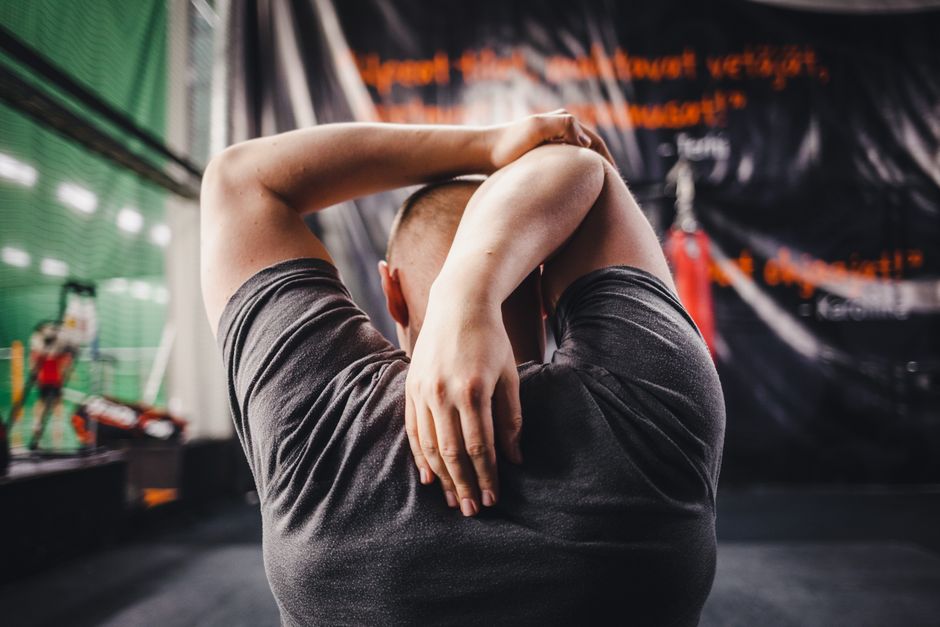
Building the Habit: Small Doses Beat Marathon Sessions
A consistent 10-minute practice done four or five days a week will produce more meaningful results over time than an occasional 45-minute stretch session. Consider anchoring this routine to an existing work habit: right after your lunch break, before your afternoon meetings, or paired with a short walk. Research from habit formation studies suggests that attaching a new behavior to an established cue significantly improves follow-through.
If you want to combine your mobility work with short movement breaks for better focus, Movement Breaks for Deep Focus: How to Use Stretching and Walking to Reclaim Energy and Concentration at Work offers a practical framework for weaving movement into a busy workday without disrupting your schedule.
As your range of motion improves and these five moves start to feel manageable, you can expand the routine. Stretching and Mobility Routines for Desk Workers: Counteract Sitting and Improve Daily Movement covers a broader set of exercises to keep your progress moving forward.
Your Starting Point
Choose one move from this list that targets the area where you feel the most stiffness right now. Practice just that one exercise today during a work break. When it feels natural, add the next move. Gradual progress compounds quickly when the habit is consistent.
If you would like more practical, evidence-informed guidance delivered weekly, consider joining the Clean Body Mentor newsletter for straightforward wellness guidance built around your real schedule.
This article is for general educational and informational purposes only and is not a substitute for medical advice, diagnosis, or treatment. Health needs vary by individual. Consult a qualified healthcare professional before making significant changes to your diet, exercise routine, supplements, medication, or treatment plan, especially if you have a medical condition, are pregnant or breastfeeding, take medication, or have concerns about your symptoms.
Sources
- National Institute for Occupational Safety and Health (NIOSH). Ergonomics and Musculoskeletal Disorders. Centers for Disease Control and Prevention. cdc.gov/niosh
- Callaghan JP, McGill SM. “Low back joint loading and kinematics during sitting and standing.” Ergonomics, 2001. (PubMed)
- Sahrmann S. Diagnosis and Treatment of Movement Impairment Syndromes. Mosby, 2002. (Foundational reference on movement system impairments related to posture.)
- Gardner B, Lally P, Wardle J. “Making health habitual: the psychology of ‘habit-formation’ and general practice.” British Journal of General Practice, 2012. (PubMed)