
Most weight loss advice focuses on what to eat once you are already home. But the decisions that shape your results most happen much earlier, in the grocery store aisle, before hunger and willpower ever enter the equation.
Grocery shopping for weight loss is not about buying “diet food” or avoiding entire categories. It is about building a cart that makes nutritious, satisfying meals the path of least resistance throughout your week. This tutorial walks you through a simple, section-by-section system you can use on your next trip.
Why the Store Environment Shapes Your Eating More Than Willpower Does
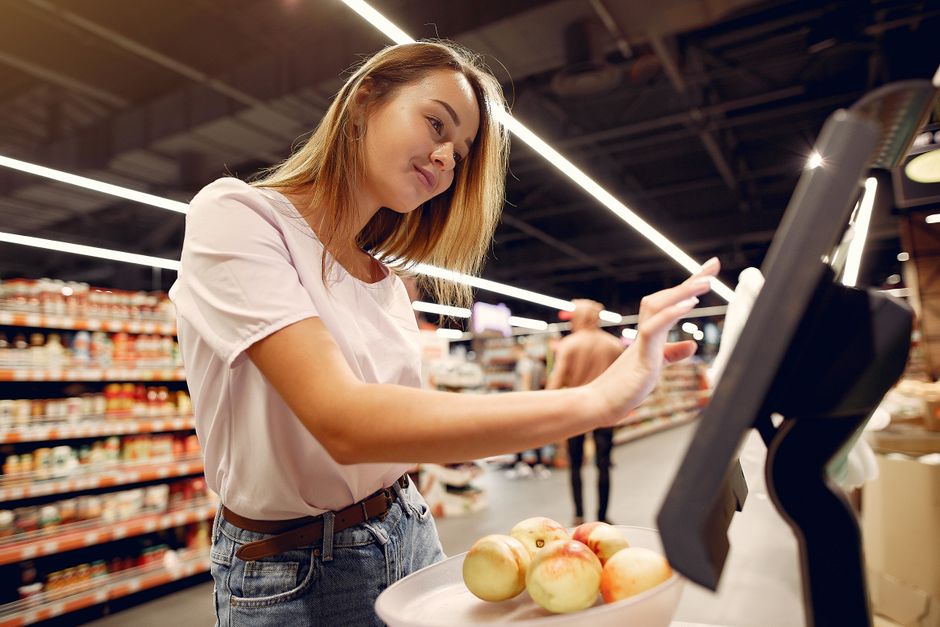
Research published by the USDA Economic Research Service consistently shows that food availability at home is one of the strongest predictors of what people actually eat. When nutrient-dense foods are easy to reach, people eat more of them. When calorie-dense, low-satiety foods are the only convenient option, those get eaten instead.
This means your grocery cart is essentially a meal-planning tool. If you fill it with foods that are high in protein, fiber, and water content, you are doing the hard work of fat loss before you ever cook a single meal. Satiety is the mechanism here: foods that keep you fuller longer make a calorie deficit feel less like suffering and more like a manageable shift.
If you are also curious how movement fits alongside your nutrition changes, Walking for Weight Loss: A Realistic Approach to Fat Loss Through Daily Movement is a practical companion read.
Build Your List Around the Perimeter First
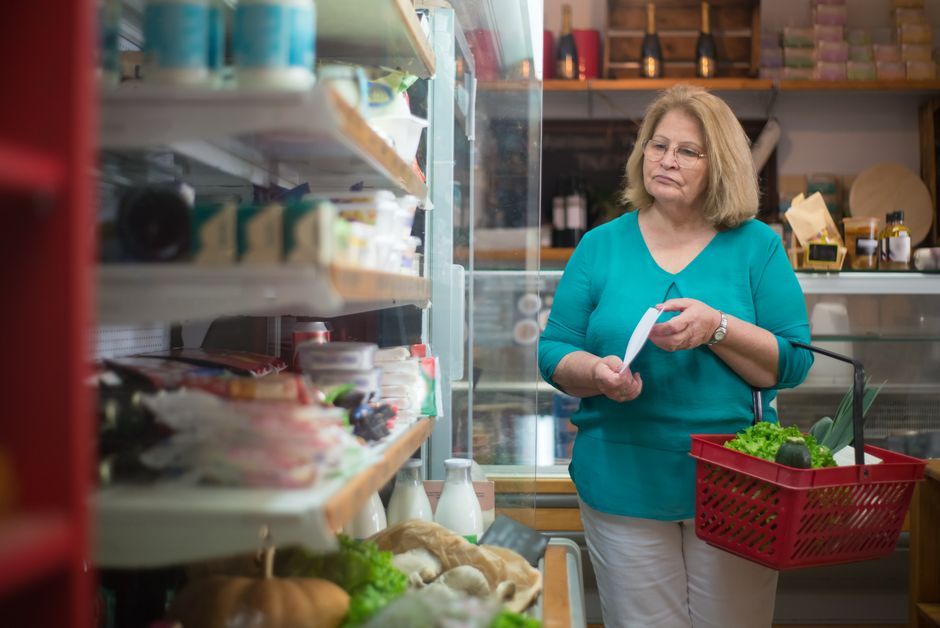
Grocery stores are typically arranged with fresh, whole foods along the outer edges and heavily processed items toward the center aisles. Start your mental and physical shopping path around the perimeter.
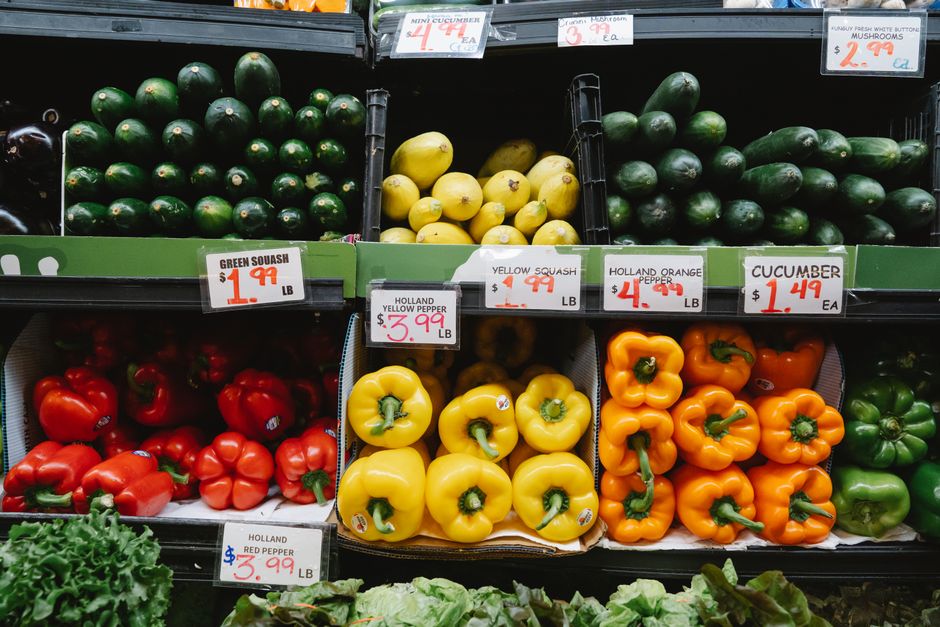
Produce section: Fill roughly one-third of your cart here. Prioritize vegetables with high fiber and water content: leafy greens, broccoli, cucumbers, zucchini, bell peppers, and cabbage. These add volume to meals without adding many calories, which helps you feel satisfied. Add two or three fruits you will actually eat, because dietary fiber from fruit supports satiety and gut health.
Protein sources: Lean proteins are central to grocery shopping for weight loss because protein has the highest thermic effect of any macronutrient and strongly suppresses hunger hormones. According to a review in the American Journal of Clinical Nutrition, higher-protein diets are associated with greater satiety and improved body composition outcomes. Practical choices include:
- Boneless chicken thighs or breast
- Canned or fresh fish (salmon, tuna, sardines)
- Eggs (one of the most affordable high-protein foods available)
- Plain Greek yogurt and cottage cheese
- Canned legumes: chickpeas, lentils, black beans
Legumes deserve special mention as a budget-friendly protein option. They also deliver fiber, which compounds the satiety benefit. If you want a deeper look at balancing this approach without food waste, Grocery Shopping for Balanced Nutrition on a Budget: Practical Strategies to Buy Whole Foods Without Waste covers that angle thoroughly.
Dairy and eggs: Choose plain versions where possible. Flavored yogurts often carry added sugars that reduce their satiety benefit. Plain Greek yogurt with berries stirred in at home gives you more control and usually costs less.

Navigating the Center Aisles Strategically
Center aisles are not off-limits. They contain many genuinely useful staples. The goal is to shop them with a specific list rather than browsing.
Whole grains and legumes: Oats, brown rice, quinoa, whole-grain pasta, and canned or dried beans are all valuable for sustained energy and fiber. Research suggests that regularly eating whole grains is associated with lower body weight compared to refined grain consumption (Harvard T.H. Chan School of Public Health, The Nutrition Source).
Fats that work for you: Olive oil, nut butters (look for versions with no added sugar or oil), canned coconut milk for cooking, and a small selection of nuts. Fats slow digestion and contribute to meal satisfaction. The key is using them intentionally rather than adding them passively.
Frozen vegetables and proteins: The freezer aisle is underrated for grocery shopping for weight loss. Frozen spinach, edamame, broccoli, and shrimp are flash-frozen at peak nutrition and often cost less than fresh. They also reduce waste, which matters for long-term habit maintenance.

Reading Labels Without Overthinking Them
You do not need to scrutinize every label. For most whole foods, there is nothing to read. For packaged items, focus on three things:
- Protein grams per serving. A higher ratio of protein to total calories generally indicates a more satiating product.
- Added sugars. The FDA now requires added sugars to be listed separately on Nutrition Facts panels. Minimizing added sugar tends to reduce overall calorie density without requiring portion tracking.
- Ingredient list length. A shorter list with recognizable ingredients usually signals less processing, though this is a heuristic rather than a hard rule.
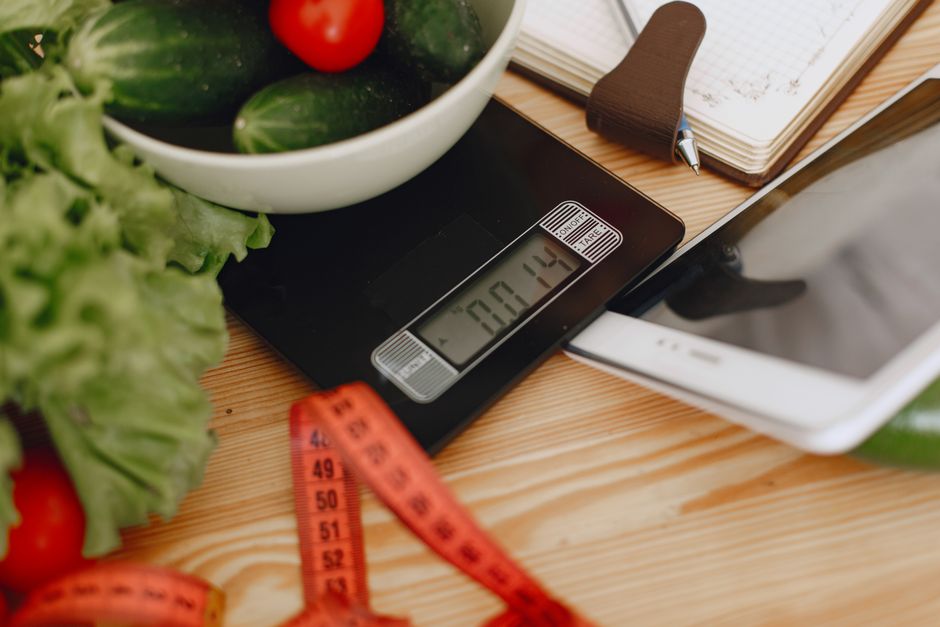
For packaged snacks, look for options that pair protein with fiber: think roasted chickpeas, edamame, or a small portion of mixed nuts rather than low-fat crackers that leave you hungry an hour later. For more on this, High-Fiber Snacks That Actually Keep You Full: Choosing and Pairing Foods for Sustained Satiety is worth bookmarking.
Setting Your Kitchen Up for Success After You Get Home
The shopping trip is half the system. The other half is what you do when you walk in the door.
- Wash and cut vegetables immediately and store them at eye level in the fridge.
- Hard-boil a batch of eggs right away so they are grab-and-go ready.
- Portion nuts into small containers if you tend to eat them straight from the bag.
- Keep a large batch of cooked grains or legumes in the fridge for quick meal assembly.
This setup principle connects directly to Meal Prep for Beginners: A Step-by-Step System That Actually Fits Your Schedule, which gives you a concrete framework for turning these groceries into actual meals without spending a full Sunday in the kitchen.
A mindful approach to eating also reinforces these habits. When you eat with awareness rather than distraction, the satisfaction you get from a protein and fiber-rich meal registers more fully, which tends to reduce the urge to keep snacking. Mindful Eating Without Restriction: How to Build a Calmer, More Intuitive Relationship with Food explores that connection in depth.

A Simple Starting Point
If you want to try one change this week, adjust just one section of your next shopping trip. Add two more vegetables to your produce selection, swap in one budget-friendly protein you have not tried recently (lentils, canned salmon, or cottage cheese), or choose a frozen vegetable to keep as a backup for busy nights.
Small, consistent shifts in what you bring home compound over weeks and months into a kitchen environment that genuinely supports fat loss, without requiring you to rely on motivation or willpower every single day.
For practical weekly guidance on nutrition, movement, and sustainable healthy habits, consider joining the Clean Body Mentor newsletter.
This article is for general educational and informational purposes only and is not a substitute for medical advice, diagnosis, or treatment. Health needs vary by individual. Consult a qualified healthcare professional before making significant changes to your diet, exercise routine, supplements, medication, or treatment plan, especially if you have a medical condition, are pregnant or breastfeeding, take medication, or have concerns about your symptoms.
Sources
- USDA Economic Research Service. Food Access and Diet Quality Research. ars.usda.gov
- Weigle DS et al. “A high-protein diet induces sustained reductions in appetite.” American Journal of Clinical Nutrition, 2005.
- Harvard T.H. Chan School of Public Health. The Nutrition Source: Whole Grains. hsph.harvard.edu
- U.S. Food and Drug Administration. Changes to the Nutrition Facts Label. fda.gov