
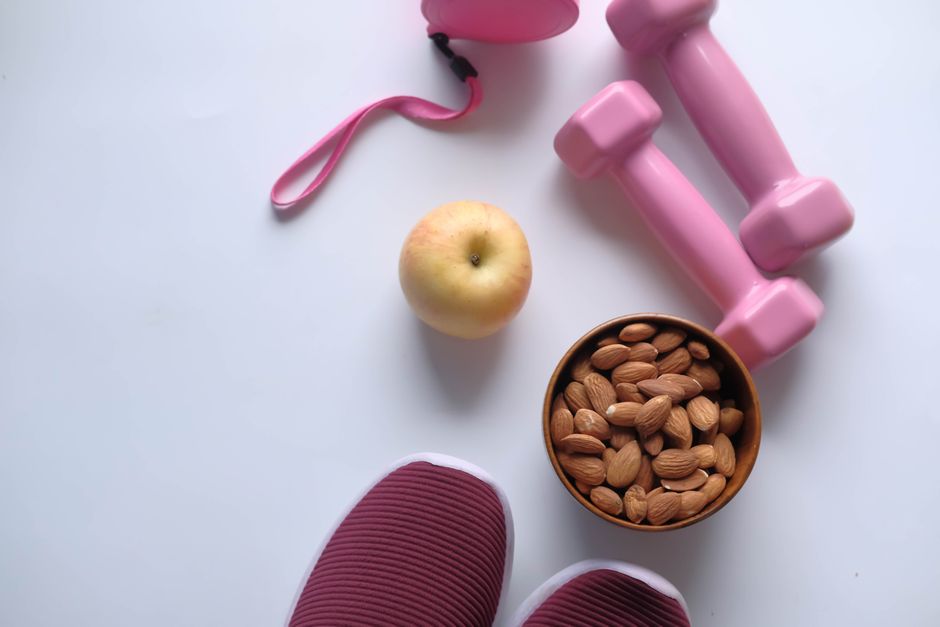
You set your alarm early, you are ready to move, and then the question hits: should you eat first or just go? The debate around whether to eat before or after your morning workout is one of the most common in everyday fitness, and the answer is genuinely not the same for everyone.
This comparison breaks down what each approach does to your energy, workout quality, body composition, and digestion, then gives you a straightforward way to pick the one that fits your life.

What Actually Happens When You Exercise Fasted
When you wake up after seven or eight hours of sleep, your blood sugar and liver glycogen (stored carbohydrate) are lower than they were at dinner. Working out in that state means your body relies more heavily on fat as fuel, particularly during low-to-moderate-intensity movement like walking, yoga, or an easy bike ride.
Research published in the British Journal of Nutrition (Gonzalez et al., 2013) found that men who cycled fasted burned roughly 20 percent more fat compared to those who ate beforehand. That sounds compelling, but the picture gets more nuanced when intensity goes up.
For high-intensity intervals, strength training, or anything requiring sustained power output, carbohydrate availability matters. Without readily available glycogen, you may find it harder to hit the effort levels that actually drive progress. You might also feel lightheaded or fatigued before you are done, which makes the session less effective, or shorter than planned.
Fasted training may be a reasonable fit if you:
- Prefer low-to-moderate intensity in the morning (walking, light cycling, gentle strength work)
- Feel genuinely better without food before exercise
- Have a specific fat-loss goal and are working with a gradual, sustainable approach
- Have a sensitive stomach that reacts poorly to pre-workout eating
For a deeper look at how fasted movement compares to eating first across different workout types, see Fasted Morning Movement vs. Eating Before Exercise: Which Approach Supports Your Goals and Energy.

What Actually Happens When You Eat Before Training
Eating before exercise, even something small, tops up blood sugar and gives your muscles a ready source of fuel. This tends to support better performance in sessions that demand more effort, including strength training, circuit workouts, runs over 30 minutes, or any activity where you are pushing hard.
The Academy of Nutrition and Dietetics recommends consuming a small, easily digestible carbohydrate-rich snack one to two hours before moderate-to-vigorous exercise to support energy output and reduce the risk of early fatigue. The key word is digestible: a large, high-fat or high-fiber meal right before exercise can slow digestion and cause discomfort.
Eating before a workout also supports muscle protein synthesis when you include a modest amount of protein. If body composition and maintaining muscle are priorities, starting your session with some amino acids available is a practical advantage.
Pre-workout eating may be a better fit if you:
- Train at moderate-to-high intensity (running, lifting, HIIT, sports)
- Work out for longer than 45 to 60 minutes
- Feel sluggish, irritable, or unable to concentrate without food in the morning
- Are managing blood sugar carefully (speak with your healthcare provider about timing)
High-Protein Breakfast Ideas for Steady Energy and Satiety has practical options that are easy to digest before an early session without leaving you feeling heavy.
The Post-Workout Meal: Why Both Approaches Still Need It
Regardless of whether you eat before you train, what you eat after matters consistently. Your muscles are primed to absorb nutrients in the window following exercise, and a meal or snack that combines protein with carbohydrates supports recovery, replenishes glycogen, and reduces muscle breakdown.
Research suggests that consuming 20 to 40 grams of protein after resistance training, as noted in a 2017 position statement from the International Society of Sports Nutrition (Stokes et al.), supports muscle repair. You do not need to rush to the refrigerator the instant you finish, but within 60 to 90 minutes is a reasonable target.
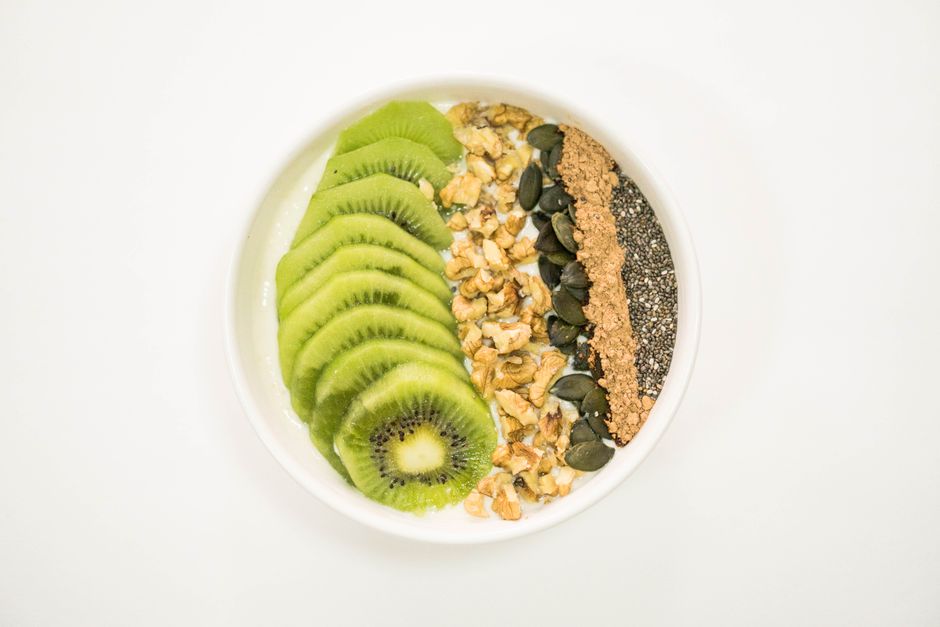
If you trained fasted, the post-workout meal becomes even more important since your body has been running on reserves. Think: eggs with whole grain toast, a Greek yogurt and fruit bowl, or a balanced smoothie with protein and complex carbs. For smoothie ideas that actually keep you full after training, Smoothie Mistakes That Sabotage Your Energy and Satiety is worth reading before you blend.

A Side-by-Side Summary
| Factor | Fasted Training | Fed Training |
|---|---|---|
| Fat oxidation during exercise | Higher | Lower |
| High-intensity performance | May be reduced | Better supported |
| Muscle preservation | Slightly lower amino acid availability | Better with pre-workout protein |
| Digestive comfort | Good for sensitive stomachs | Depends on timing and food choice |
| Practical ease | Simple, no prep needed | Requires planning 30-90 minutes ahead |
| Best fit | Low-moderate intensity, fat-loss focus | Moderate-high intensity, performance, muscle goals |
How to Choose Based on Your Goals
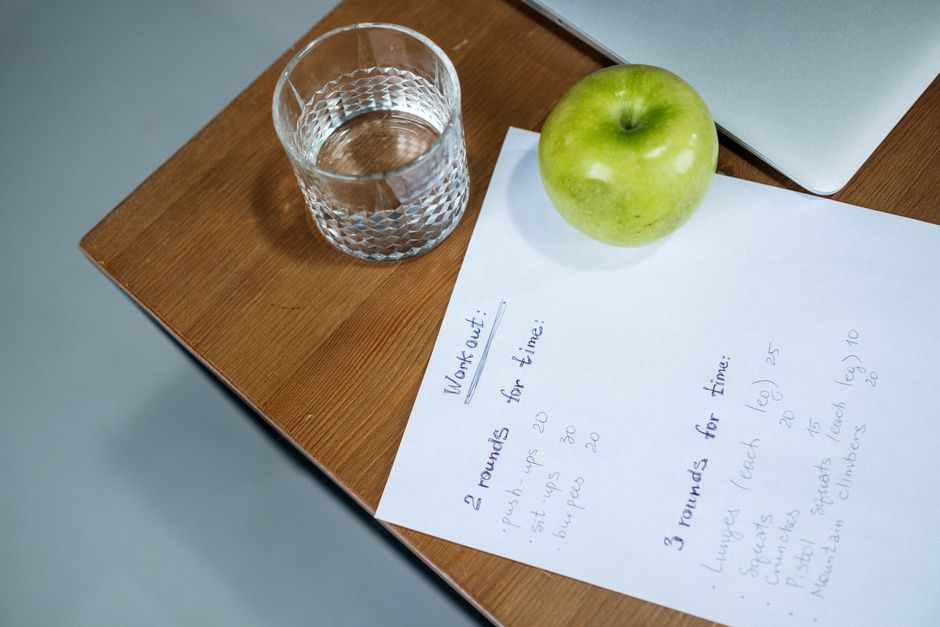
There is no universal winner here. The most important question is: what approach lets you show up, perform reasonably well, feel good during and after, and sustain the habit?
If your primary goal is sustainable fat loss with lighter morning movement, fasted training is a credible option, provided you eat a balanced, protein-forward meal afterward and do not compensate with larger portions later. The total calorie picture across the day is what drives fat loss, not simply whether you train fasted.
If your goal is building strength, improving athletic performance, or increasing endurance, fueling before your session will generally support better output and recovery. Even a small snack, 100 to 200 calories of easily digested carbs with a little protein, eaten 30 to 60 minutes before training can make a meaningful difference.
If you are new to morning exercise and not sure yet, try both for two weeks each and pay attention to how you feel, not just during the workout but for the rest of the day. Energy crashes, mood, and afternoon focus are all useful clues. You can read more about how meal timing ripples through your day in Digestive Comfort and Meal Timing: How to Eat for Better Digestion and Sustained Energy.
One practical starting point: if you are currently skipping breakfast and your workouts feel flat, try a small banana or a few crackers with nut butter 30 minutes before you train. If you are currently eating a full meal and feeling heavy, scale back to a lighter snack and move your larger breakfast to after the session.
Choose one small, realistic change from this comparison and practice it consistently for two to three weeks before judging whether it works for you. Consistency with a good-enough approach will always outperform the perfect plan you cannot sustain.
This article is for general educational and informational purposes only and is not a substitute for medical advice, diagnosis, or treatment. Health needs vary by individual. Consult a qualified healthcare professional before making significant changes to your diet, exercise routine, supplements, medication, or treatment plan, especially if you have a medical condition, are pregnant or breastfeeding, take medication, or have concerns about your symptoms.
Sources
- Gonzalez JT et al. (2013). Breakfast and exercise contingently affect postprandial metabolism and energy balance in physically active males. British Journal of Nutrition. Published by Cambridge University Press.
- Stokes T et al. (2018). Recent perspectives regarding the role of dietary protein for the promotion of muscle hypertrophy with resistance exercise training. Nutrients. Available via PubMed (PMID: 29534536).
- Academy of Nutrition and Dietetics. Position of the Academy: Nutrition and Athletic Performance. Journal of the Academy of Nutrition and Dietetics, 2016.
- International Society of Sports Nutrition Position Stand: Nutrient Timing (2017). Journal of the International Society of Sports Nutrition. Available at jissn.biomedcentral.com.