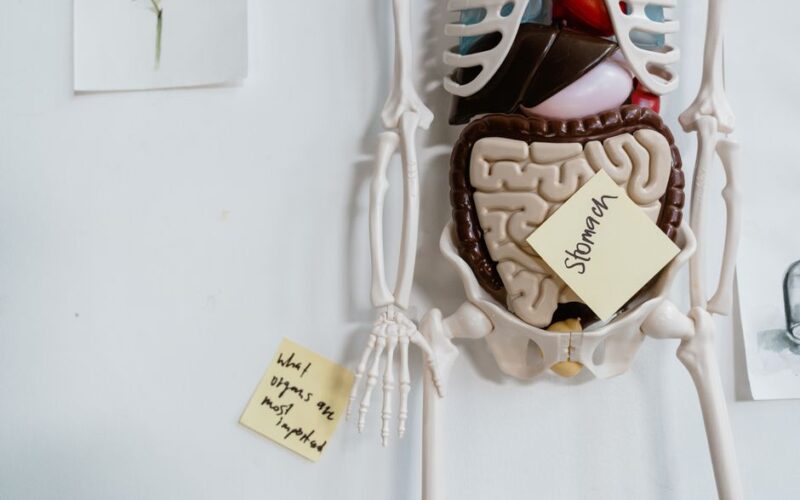


Most hydration advice boils down to one familiar reminder: drink more water. That guidance is not wrong, but it skips a layer of detail that actually matters day to day. When you hydrate, how you space it out, and what you pair it with can meaningfully influence how sharp, calm, and energized you feel, not just how much you drink by the end of the day.
This article breaks down what the research suggests about hydration and brain function, explains why timing is part of the equation, and gives you a realistic daily schedule you can adapt without carrying a gallon jug everywhere.

Why Hydration for Mental Health Matters More Than You Might Think
Your brain is roughly 75 percent water by weight, and it is particularly sensitive to small shifts in fluid balance. Research suggests that even mild dehydration, around 1 to 2 percent of body weight in fluid loss, can impair working memory, reduce concentration, and make you feel more anxious or irritable. The effect does not require extreme thirst to show up.
Your stress response is also influenced by hydration status. When you are mildly dehydrated, cortisol levels tend to rise. Since cortisol is already involved in managing daily pressure, starting the morning already behind on fluids can make ordinary stressors feel heavier than they otherwise would.
This is not about alarming you into drinking liters of water immediately. It is about understanding that your fluid intake is one lever among many for supporting emotional well-being, alongside sleep, movement, and nutrient-dense foods. If you are already exploring related factors like gut health and mood, hydration fits naturally into that picture.

The Timing Problem: Why Chugging Water Later Does Not Fully Undo an Early Deficit
Your brain and body do not store water the way they store glycogen or fat. What you drink is processed relatively quickly, and your kidneys work to maintain fluid balance in real time. This means a cognitive dip from morning dehydration is not fully reversed the moment you finish a large glass at noon.
There is also a practical ceiling on how much fluid your digestive system can absorb comfortably in a short window. Drinking large amounts rapidly can cause bloating and discomfort without meaningfully improving hydration faster. This is why spacing intake throughout the day is more effective than compensating in bursts.
If you rely heavily on caffeine to push through afternoon sluggishness, it is worth knowing that coffee has a mild diuretic effect and can slightly increase fluid loss. When you drink coffee matters more than many people realize, and pairing each cup with a glass of water is a simple way to offset that loss without giving up your morning ritual.
A Practical Hydration Schedule for Focus and Emotional Resilience
The following schedule is a starting point, not a rigid prescription. Adjust amounts based on your body size, activity level, climate, and how much fluid you get from food.
Morning: Rehydrate Before You Reach for Caffeine
You lose water overnight through breathing and minor sweating, even in a cool room. Starting the day with 1 to 2 cups of water before your first coffee or tea helps rehydrate tissues that have been dry for several hours. Many people report that this single habit improves early-morning alertness before caffeine even enters the picture.
If plain water feels unappealing first thing, a squeeze of lemon or a pinch of mineral-rich salt can make it more palatable without adding anything harmful.
Mid-Morning: Sip Steadily Through Your First Work Block
Keep a water bottle or glass near your workspace and aim to sip steadily rather than gulping large amounts at once. If you use the movement breaks strategy for improving focus, those short walks or stretch breaks are also natural moments to take a few sips.
Target roughly 8 ounces every 45 to 60 minutes during a work block as a rough guide, though your thirst sense is a reasonable signal once you are adequately hydrated overall.
Before and After Meals: Hydration and Digestion Together
Drinking a glass of water 10 to 20 minutes before a meal may help with both digestion and satiety. It also ensures you are entering a meal with reasonable fluid status, which supports the gut-brain communication pathways involved in how you feel after eating. For a closer look at how these systems interact, digestive comfort and meal timing covers the practical side in more detail.
After meals, continuing to sip water rather than drinking large amounts at once supports comfortable digestion.
Afternoon: Tackle the 2 to 4 PM Slump Strategically
The mid-afternoon energy dip is real and partly physiological, but dehydration frequently makes it worse than it needs to be. Before reaching for a second coffee or a snack, drink a full glass of water and wait five to ten minutes. Many readers find the dip is at least partially a hydration issue, not a caffeine shortage.
Pairing your afternoon water with a nutrient-dense snack, such as one with both protein and fiber, can further stabilize mood and focus. Eating for stable energy covers those food combinations in practical detail.
Evening: Taper Down One to Two Hours Before Bed
Adequate evening hydration supports overnight recovery, but drinking large amounts right before bed increases the chance of waking during the night for bathroom trips, which fragments sleep and can worsen mood the next day. Aim to finish most of your fluid intake by an hour or two before you plan to sleep, and keep only a small glass nearby in case you wake up thirsty.
Common Hydration Mistakes That Affect Mood and Focus
- Waiting for intense thirst. By the time thirst feels urgent, mild cognitive impairment may already be present. Steady sipping prevents you from falling behind.
- Counting only plain water. Herbal teas, broths, and water-rich fruits and vegetables contribute meaningfully to daily intake. Rigid rules that ignore food-based fluid often cause people to underestimate how much they are actually getting.
- Drinking a large amount all at once to compensate. This rarely restores hydration as effectively as people assume and can cause digestive discomfort.
- Ignoring sweat and exercise increases. Physical activity, heat, and illness all increase fluid needs. On workout days or hot days, add at least one to two extra cups above your baseline. For practical guidance on supporting recovery, recovery days and active rest touches on the role of hydration in physical repair.
Frequently Asked Questions
How much water do I actually need per day for mental health benefits?
General guidance suggests around 2 to 3 liters daily for most adults, though individual needs vary considerably based on body size, activity, climate, and diet. Rather than fixating on a specific number, use urine color as a practical guide: pale yellow is a reasonable target.
Can drinking more water improve anxiety?
Research suggests that adequate hydration may help moderate cortisol levels and reduce feelings of tension. It is not a treatment for anxiety disorders, but staying consistently hydrated removes one physiological stressor from the equation. If anxiety is significantly affecting your daily life, speaking with a licensed mental-health professional is important.
Does sparkling water count the same as still water?
Yes. Sparkling water contributes to hydration comparably to still water. Some people find it easier to drink consistently because the carbonation feels more satisfying. Plain sparkling water without added sugars is a reasonable option.
What if I forget to drink water during busy workdays?
Small environmental cues help: keep a visible water bottle at your desk, set a gentle reminder on your phone, or link a sip of water to habits you already do consistently, such as sitting down at your computer or finishing a task.
Does coffee dehydrate you enough to hurt mental performance?
Moderate coffee consumption, roughly two to three cups per day, has a mild diuretic effect but does not cause significant net dehydration in habitual coffee drinkers. Pairing each cup with water is a practical habit that offsets any fluid shift and keeps your overall intake on track.
This article is for general educational and informational purposes only and is not a substitute for medical advice, diagnosis, or treatment. Health needs vary by individual. Consult a qualified healthcare professional before making significant changes to your diet, exercise routine, supplements, medication, or treatment plan, especially if you have a medical condition, are pregnant or breastfeeding, take medication, or have concerns about your symptoms.

Your Realistic Next Step
Choose one small habit from this guide and practice it consistently for one week before adding another. Starting with morning rehydration before coffee is a low-effort change that many people notice quickly. For a broader look at how water timing connects to energy and mood patterns across the day, the Hydration for Energy and Mood guide offers a natural follow-up read.
If you want practical, evidence-informed wellness guidance delivered weekly, consider joining the Clean Body Mentor newsletter. Small, consistent steps are how sustainable change actually happens.