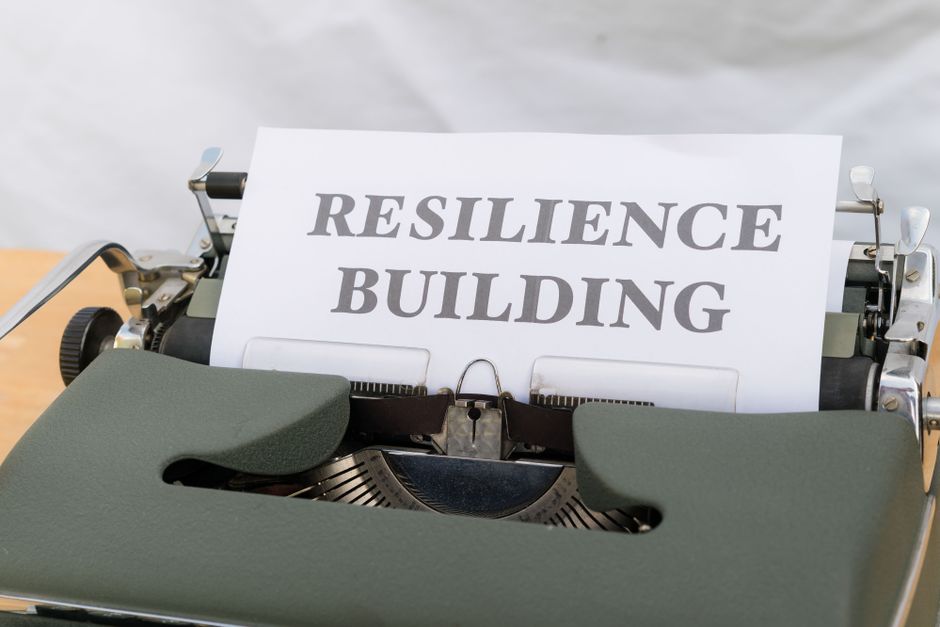
Life rarely moves in a straight line. Some weeks you’re energized and grounded; others, a difficult conversation, unexpected news, or a string of small frustrations can knock you sideways. The difference between feeling crushed by those moments and moving through them with some sense of steadiness often comes down to a skill called emotional resilience.
Emotional resilience isn’t a fixed personality trait reserved for especially tough or stoic people. Research in psychology and neuroscience increasingly suggests it’s a capacity that can be developed—gradually, sustainably, and without requiring dramatic life overhauls. This guide walks you through what emotional resilience building actually looks like in everyday life, why certain practices tend to support it, and how to get started even if your schedule is already stretched thin.

What Emotional Resilience Really Means
Before diving into practices, it helps to clarify what you’re actually building. Emotional resilience doesn’t mean you stop feeling stress, grief, or frustration. It means you develop a greater capacity to experience those feelings, process them without becoming overwhelmed, and recover your equilibrium more smoothly over time.
Psychologists often describe resilience not as bouncing back to exactly where you were, but as adapting—sometimes even growing—in response to adversity. The concept of post-traumatic growth, studied for decades by researchers like Richard Tedeschi and Lawrence Calhoun, suggests that navigating hardship with support and reflection can, over time, contribute to a deeper sense of meaning and personal strength. That said, growth is never guaranteed, and resilience doesn’t make pain disappear. The goal here is practical support for your mental well-being, not toxic positivity.
Why Building Resilience Matters for Whole-Person Wellness
Emotional health doesn’t exist in isolation from physical health, sleep, relationships, or the everyday choices you make. Chronic unmanaged stress is linked by a substantial body of research to disrupted sleep, increased inflammation, compromised immune function, and difficulty maintaining healthy habits over time. When your emotional resilience is higher, you’re generally better equipped to maintain the routines—movement, balanced eating, social connection, rest—that keep the rest of your health on track.
This is why emotional resilience building belongs right at the center of a whole-person wellness approach, not as a bonus add-on but as a foundational practice.
Practice 1: Mindfulness as a Daily Reset
Mindfulness—the practice of paying deliberate, nonjudgmental attention to the present moment—is one of the most well-researched tools for emotional resilience. Mindfulness-Based Stress Reduction (MBSR), developed by Jon Kabat-Zinn at the University of Massachusetts, has been studied extensively and research suggests it may help reduce symptoms of anxiety, depression, and perceived stress in a variety of populations.
What makes mindfulness particularly useful for resilience is that it builds the skill of noticing your emotional state without immediately reacting to it. That small pause between feeling and reacting is where most of your agency lives.
How to Start a Mindfulness Practice Without Overcomplicating It
You don’t need a meditation cushion, an app subscription, or 45 minutes of free time to begin. Here are realistic starting points:
- Two-minute breathing anchor: Set a timer for two minutes once a day. Sit comfortably, close your eyes if you’d like, and focus on the physical sensation of breathing—the rise of your chest, the air entering and leaving your nose. When your mind wanders (and it will), gently return your attention. That’s the practice.
- Mindful transitions: Use existing breaks in your day—waiting for coffee to brew, walking from your car to the office, pausing before opening email—as brief check-ins. Ask yourself: What am I feeling right now? What do I notice in my body?
- Body scan before sleep: Spend five minutes lying down and slowly shifting attention from your feet to the top of your head, noticing any tension or sensation without judging it. This also supports sleep hygiene, which has its own powerful link to emotional regulation.
Consistency matters far more than duration here. Even brief, regular mindfulness moments appear to compound over time in their effects on emotional steadiness.

Practice 2: Self-Compassion—The Skill That Amplifies Everything Else
Self-compassion might be the most underrated component of emotional resilience building. Researcher Kristin Neff, one of the leading scholars on the subject, defines self-compassion as treating yourself with the same kindness you’d offer a good friend when you’re struggling—acknowledging pain without exaggerating it, recognizing that difficulty is part of shared human experience, and responding to yourself with warmth rather than harsh self-criticism.
Studies suggest that higher self-compassion is associated with greater emotional flexibility, reduced rumination, and better recovery from setbacks. Importantly, it doesn’t appear to reduce motivation or lead to complacency—a concern many people raise. In fact, research suggests the opposite: people who treat themselves with compassion after failure tend to try again rather than give up.
Practical Ways to Cultivate Self-Compassion
- The self-compassion pause: When you catch yourself in a spiral of self-criticism, briefly pause and ask: If a close friend told me they were going through exactly this, what would I say to them? Then try offering yourself those same words.
- Normalize imperfection: Remind yourself that struggling, making mistakes, and feeling overwhelmed are universally human experiences—not evidence that something is uniquely wrong with you.
- Soften your inner language: Notice when your internal voice uses words like “I’m terrible at this” or “I should have done better” and experiment with more measured language: “This was hard” or “I’m still figuring this out.”
Self-compassion pairs naturally with mindfulness—you need enough present-moment awareness to even notice when you’re being hard on yourself before you can respond differently.

Practice 3: Journaling to Process and Clarify
Writing about your thoughts and feelings is a deceptively simple tool with a surprisingly solid research foundation. Psychologist James Pennebaker’s work, spanning decades, suggests that expressive writing—putting difficult emotions and experiences into words—may support emotional processing, reduce intrusive thoughts, and even have modest positive effects on physical health markers.
Journaling builds emotional resilience in a specific way: it helps you move from experiencing an emotion in a diffuse, overwhelming way to understanding it with more clarity and distance. When you write “I felt humiliated in that meeting because my idea was dismissed without being considered,” you’re transforming a swirling emotional state into something you can examine and respond to more thoughtfully.
Journaling Approaches Worth Trying
- Expressive writing: Write freely for 10–20 minutes about something emotionally significant—without editing or worrying about structure. Focus on how you feel and what it means to you.
- Gratitude journaling: Research suggests that regularly recording specific things you’re grateful for may support positive affect and reduce stress over time. Specificity matters more than quantity—one genuine observation beats a rushed list of five.
- Problem-solving journaling: Write out a challenge you’re facing, your emotional response to it, and then brainstorm realistic options. Externalizing the problem onto paper can reduce its felt weight.
- End-of-day reflection: Spend five minutes noting what went well today, what was hard, and what you’d do differently. This isn’t about grading yourself—it’s about building self-awareness.
There’s no single correct format. The best journaling practice is the one you’ll actually return to.

Practice 4: Physical Movement as Emotional Medicine
The connection between physical activity and mental well-being is one of the most consistently supported findings across health research. Regular movement is associated with reduced symptoms of anxiety and depression, better stress regulation, improved sleep quality, and a more stable sense of emotional well-being.
From a physiological standpoint, movement appears to influence several systems relevant to resilience: it supports healthy cortisol regulation, encourages the release of mood-supporting neurotransmitters, and can reduce the physiological tension that accumulates when you’re under stress.
You don’t need an intense gym program to benefit. Research suggests that moderate, consistent movement—including walking—can meaningfully support mental wellness. If you’re building healthier habits around both stress management and physical health, regular movement is one of the highest-return investments you can make.
Finding Movement That Works for Your Life
- Start with walking: A 20–30 minute walk most days is genuinely effective and accessible to most people. If possible, walking in natural environments—parks, trails, even tree-lined streets—may offer additional emotional benefits, according to emerging research on nature exposure.
- Combine movement with connection: Walk with a friend or family member to address both physical activity and social connection simultaneously.
- Choose enjoyment over optimization: The most effective exercise for emotional health is movement you’ll actually do consistently. Dance, swimming, gardening, yoga, cycling, or recreational sports all count.
- Notice how you feel afterward: Building awareness of the emotional shift that often follows movement—even modest movement—can itself become motivating over time.
If you’re managing a health condition or have been sedentary for an extended period, it’s worth checking with a qualified healthcare professional before beginning a new exercise routine.
Practice 5: Social Connection and Support
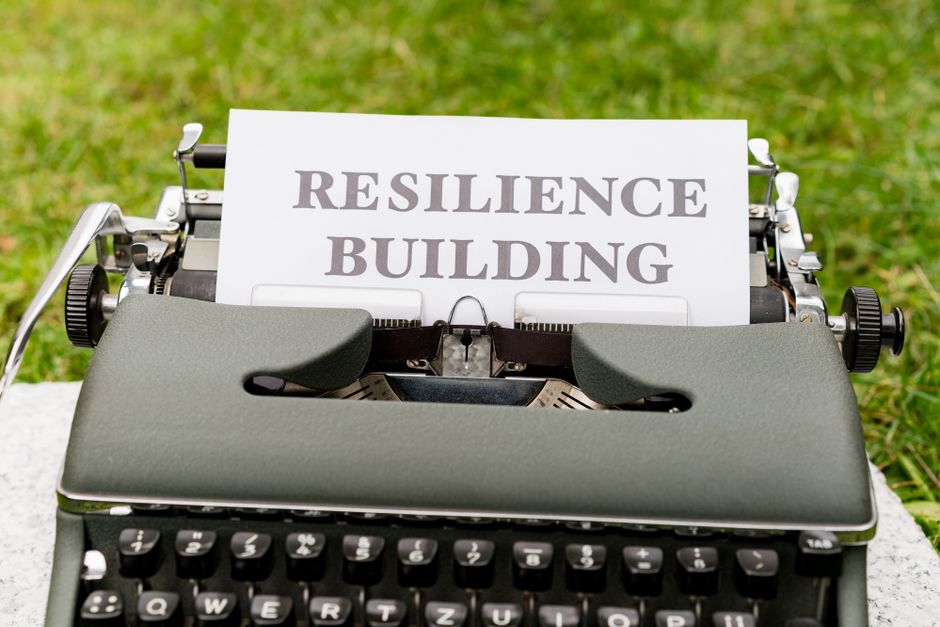
Humans are wired for connection, and social relationships are among the most robust predictors of long-term mental well-being and resilience. Research consistently shows that perceived social support—the sense that people care about you and are available if you need them—acts as a meaningful buffer against the effects of stress.
This doesn’t require a large social circle or constant socializing. Quality matters more than quantity. A few genuinely supportive relationships—where you feel safe being honest about your struggles—can do more for your emotional resilience than dozens of surface-level acquaintances.
Nurturing Connection Without Overwhelm
- Invest in existing relationships: Consistent small gestures—a text checking in, a brief call, sharing a meal—tend to sustain relationships better than occasional grand efforts.
- Be honest when you’re struggling: Many people work hard to appear fine when they’re not, which can increase feelings of isolation. Vulnerability with trusted people often deepens connection rather than burdening it.
- Consider community: Group activities—fitness classes, community gardens, book clubs, volunteer work, faith communities—can offer a sense of belonging and shared purpose that complements close friendships.
- Know when professional support fits: Therapy or counseling is not just for crises. Working with a licensed mental-health professional can be a proactive investment in your emotional resilience, especially during periods of sustained stress or major life transitions.

Common Mistakes When Building Emotional Resilience
Understanding what tends to undermine these efforts can save you time and frustration.
Expecting linear progress. Emotional resilience doesn’t build in a straight line. You’ll have harder weeks and easier ones regardless of how consistently you practice. That variation doesn’t mean the practices aren’t working.
Treating self-care as performance. If your journaling, meditation, or self-care routines start feeling like obligations you need to complete perfectly, they’ve lost their purpose. These practices work best when approached with flexibility and self-compassion.
Neglecting the basics. Sleep, nutrition, hydration, and social connection are not optional extras—they’re the biological and relational foundation that makes emotional regulation possible. You can journal and meditate and still struggle significantly if you’re chronically sleep-deprived or isolated.
Avoiding difficult emotions. Resilience is built partly by learning to tolerate and process discomfort rather than constantly avoiding it. If you find yourself habitually numbing through substances, overwork, or endless distraction, it may be worth exploring what’s underneath with professional support.
Doing everything at once. Trying to build five new practices simultaneously is a reliable path to burnout and abandonment. Starting with one consistent practice is more effective than attempting a complete transformation.

A Simple Daily Resilience Routine to Consider
Here’s how these practices might fit into an ordinary day without requiring dramatic schedule changes:
- Morning (5 minutes): Brief mindfulness breathing or a short body scan while your coffee brews.
- Midday (10–30 minutes): A walk during lunch or a movement break.
- Evening (10 minutes): Journaling—either a few gratitude observations, a reflection on the day, or expressive writing if something significant came up.
- Ongoing: A short self-compassion pause whenever you catch harsh self-talk. One genuine connection with someone you trust each day or a few times per week.
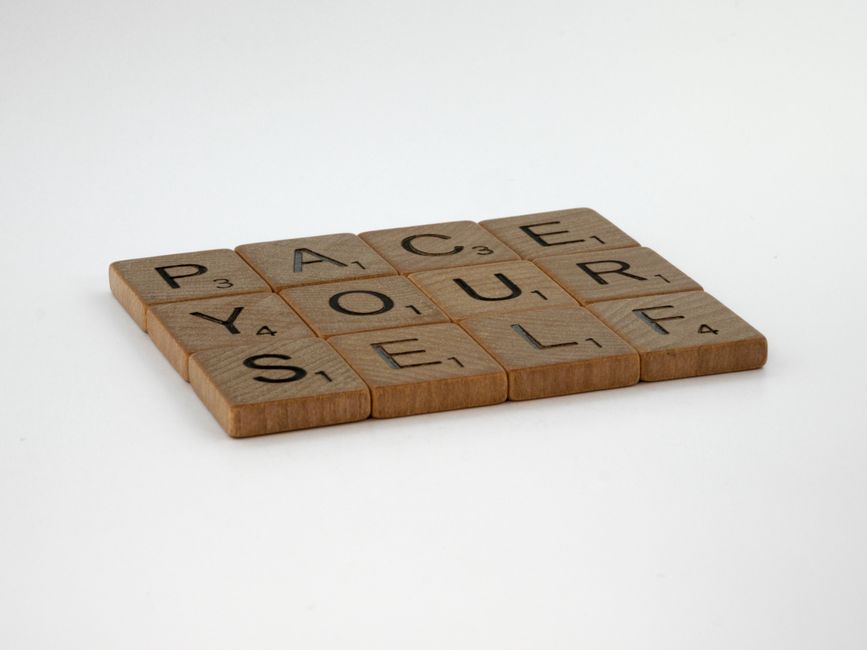
This isn’t a prescription—it’s a template you can adjust based on your schedule, current habits, and individual needs. Progress over perfection applies here as much as anywhere.

Frequently Asked Questions
Can emotional resilience really be learned, or are some people just naturally more resilient?
Both nature and life experience shape resilience, but research firmly supports the idea that resilience-related skills—emotional regulation, self-compassion, mindfulness—can be developed at any age through consistent practice. Where you start is not where you have to stay.
How long does it take to notice a difference from these practices?
This varies considerably between individuals. Some people notice shifts in emotional steadiness within a few weeks of consistent practice; for others, meaningful changes take longer. Research on mindfulness-based programs typically measures outcomes over 8–12 weeks, which can provide a useful timeframe for realistic expectations.
Is therapy the same as building resilience on your own?
They’re complementary, not competing. Self-directed practices can meaningfully support emotional health, but a licensed mental-health professional can offer deeper guidance, help you understand patterns that are hard to see on your own, and support you through more complex emotional challenges. There’s no either-or here.
What if I try these practices and still feel overwhelmed?
That’s an important signal to take seriously rather than push through. Persistent feelings of overwhelm, hopelessness, anxiety that interferes with daily life, or thoughts of self-harm are not things to manage alone with journaling and breathing exercises. Please reach out to a qualified mental-health professional.
Does sleep really affect emotional resilience that much?
Yes—the research on sleep and emotional regulation is quite robust. Sleep deprivation directly impairs the brain’s ability to regulate emotional responses. Supporting your sleep hygiene is one of the most impactful things you can do for your emotional resilience, and it complements every other practice in this article.

Your Next Step
Building emotional resilience doesn’t require a personality overhaul or a perfectly structured morning routine. It starts with choosing one small, realistic practice and returning to it consistently—even imperfectly.
If you’re not sure where to begin, consider the easiest entry point: a two-minute breathing pause today, one honest journal entry this week, or a short walk when you’d normally scroll your phone. Small, repeated actions compound into genuine emotional strength over time.
For more practical guidance on related topics—stress management, sleep hygiene, mindfulness for beginners, or building sustainable healthy habits—explore Clean Body Mentor’s guides on mental well-being and whole-person wellness. You’re also welcome to join the weekly newsletter for evidence-informed tips that make whole-person wellness genuinely manageable.
This article is for general educational and informational purposes only and is not a substitute for medical advice, diagnosis, or treatment. Health needs vary by individual. Consult a qualified healthcare professional before making significant changes to your diet, exercise routine, supplements, medication, or treatment plan, especially if you have a medical condition, are pregnant or breastfeeding, take medication, or have concerns about your symptoms.