Stress is one of the most universal human experiences, yet the tools people reach for to manage it can look very different from person to person. Some people swear by a daily meditation practice. Others find that a few focused breath cycles during a tense moment does more for them than any sitting session ever has. And many people feel genuinely confused about whether these two approaches are even that different in the first place.
If you have been wondering about breathwork vs. meditation for stress relief, you are in the right place. This comparison will walk you through how each practice works, what the research suggests about their benefits, who tends to thrive with each approach, and simple starting techniques you can try without any equipment, special training, or intimidating commitment. The goal is to help you find a practice that actually fits your real life rather than an idealized version of it.
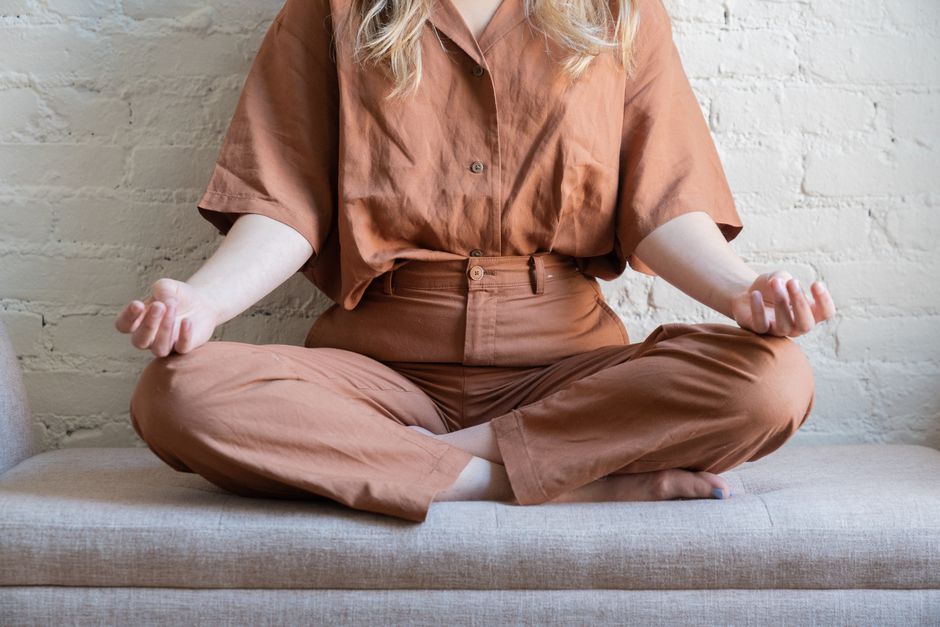
What You Need to Know at a Glance
Before diving deeper, here are the key differences:
- Breathwork actively manipulates breathing patterns to shift your physiological state quickly. It tends to feel more “hands-on” and can produce noticeable effects within minutes.
- Meditation trains your attention and awareness over time, gradually rewiring how you relate to stressful thoughts and emotions. It builds a quieter baseline.
- Both practices activate the parasympathetic nervous system (the “rest and digest” branch), reduce cortisol, and support mental well-being.
- They are not mutually exclusive. Many people benefit from using both depending on the situation.
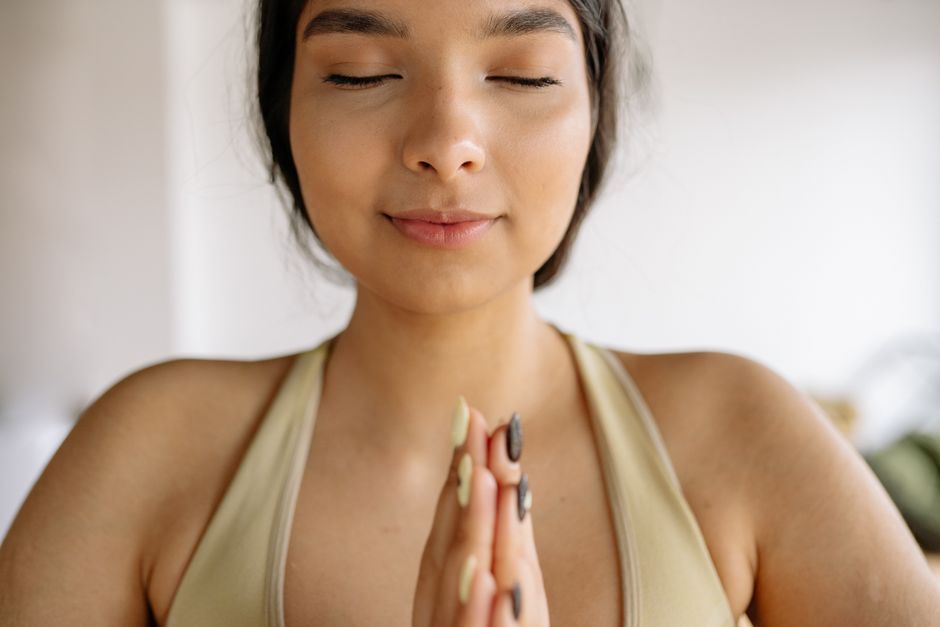
How Breathwork Works (and Why It Can Help)
Breathing is the only major autonomic function you can consciously control, and that single fact makes it a remarkably powerful lever for stress management. When you are anxious or stressed, your breathing tends to become shallow and rapid, signaling the nervous system to stay in alert mode. Deliberately slowing and deepening your breath does the opposite: it activates the vagus nerve, slows heart rate, and sends a “safe” signal throughout the body.
Research suggests that slow, controlled breathing practices can reduce salivary cortisol, lower blood pressure, and improve heart rate variability (HRV), a widely used marker of stress resilience. A 2023 study published in Cell Reports Medicine compared three breathing protocols with mindfulness meditation over a month and found that cyclic sighing, one specific breathwork technique, produced the greatest improvements in daily positive affect and reduction of anxiety among the four groups.
Common Breathwork Techniques
Box breathing (4-4-4-4): Inhale for 4 counts, hold for 4, exhale for 4, hold for 4. Used by military and emergency responders for rapid calm under pressure.
4-7-8 breathing: Inhale for 4 counts, hold for 7, exhale for 8. The extended exhale activates the parasympathetic response. This technique may support pre-sleep relaxation.
Cyclic sighing: Inhale fully through the nose, then take a short second inhale to fully inflate the lungs, then exhale slowly and completely through the mouth. Repeat 5 times.
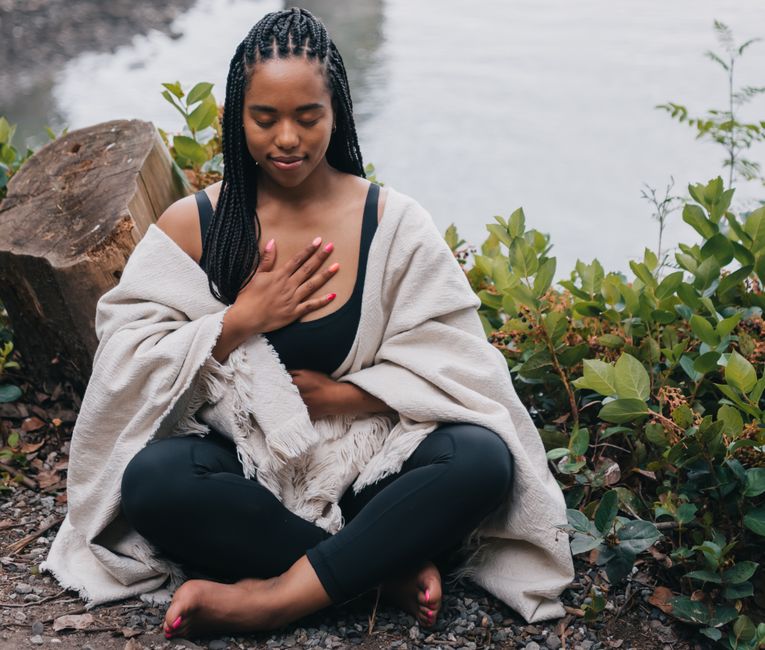
Diaphragmatic (belly) breathing: Place one hand on your chest and one on your belly. Breathe so only your belly hand rises. This shifts breathing from the shallow chest to the deeper diaphragm.
Who Tends to Do Well With Breathwork
Breathwork tends to suit people who:
- Want immediate, felt relief during or after a stressful moment
- Struggle to sit still or quiet their mind for meditation
- Prefer a concrete, action-oriented approach to stress relief
- Need something short they can use at a desk, in a car, or before a difficult conversation
- Are new to any stress management practice and want quick feedback that something is working
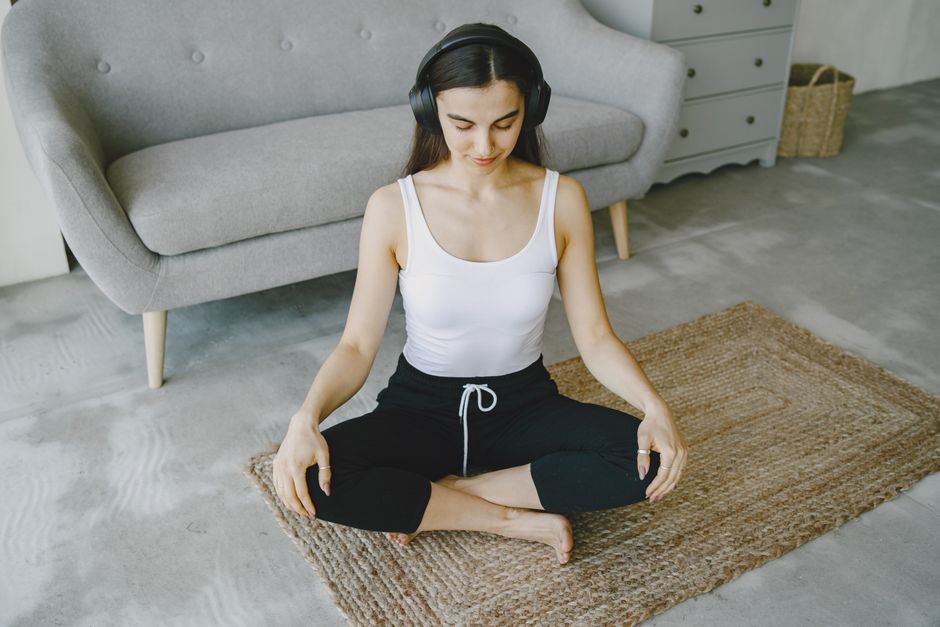
How Meditation Works (and Why It Can Help)
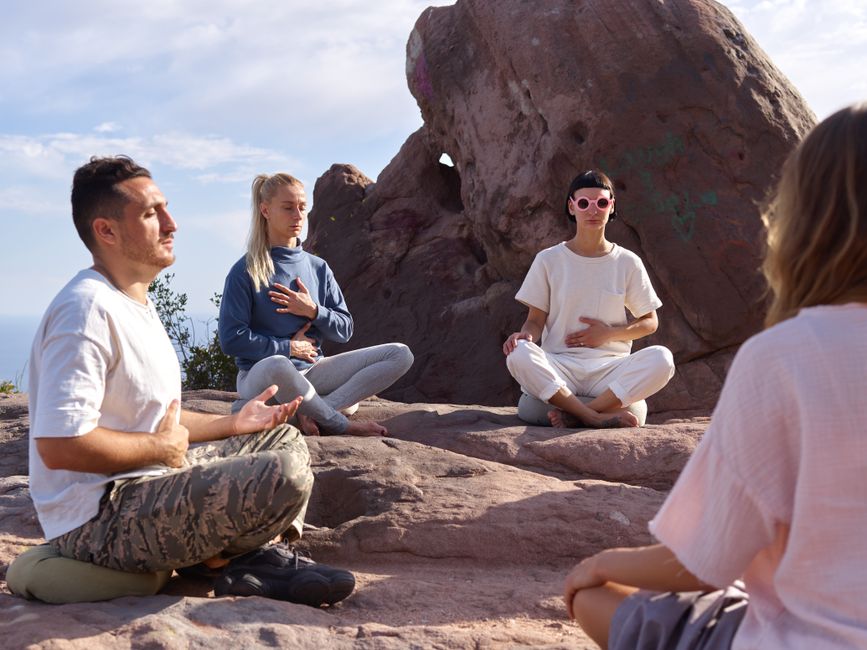
Meditation is a broad term that covers many practices, but most forms share a common thread: you train your attention by returning it repeatedly to a chosen anchor, whether that is the breath, a word or phrase, body sensations, or sounds. The stress-relief benefit of meditation is less about immediate physiological shifts and more about changing your relationship to difficult thoughts and feelings over time.
One of the best-studied forms is mindfulness-based stress reduction (MBSR), an eight-week structured program developed at the University of Massachusetts Medical School. Decades of research on MBSR suggest it can meaningfully reduce perceived stress, anxiety, depression, and even physical pain. Regular meditation practice also appears to reduce the size and reactivity of the amygdala, the brain region most associated with fear and stress responses.
Meditation may also improve sleep quality, support emotional regulation, and help reduce patterns like rumination and catastrophizing. If you are curious about how emotional patterns show up beyond the meditation cushion, the guide on Emotional Eating vs. Physical Hunger: How to Tell the Difference and Respond With Compassion explores a closely related layer of emotional well-being.
Common Meditation Techniques
Breath-focused mindfulness: Sit comfortably and bring your attention to the natural rhythm of your breath. When your mind wanders (and it will), gently return attention to the breath. Start with 5 minutes.
Body scan: Move awareness slowly from the top of your head to the soles of your feet, noticing sensations without trying to change them. This is especially useful for releasing physical tension.
Loving-kindness (metta): Silently repeat phrases of goodwill toward yourself and others (“May I be safe, may I be well”). Research suggests it may support positive emotions and reduce self-criticism.
Guided meditation: Using a recorded voice to guide you through a practice. Ideal for beginners who find unstructured silence uncomfortable.
Who Tends to Do Well With Meditation
Meditation tends to suit people who:
- Are willing to invest a few weeks before noticing consistent benefits
- Want to build long-term resilience and emotional steadiness, not just in-the-moment relief
- Struggle with repetitive anxious thoughts or rumination
- Appreciate a practice that can deepen over months and years
- Enjoy a sense of ritual and inner reflection
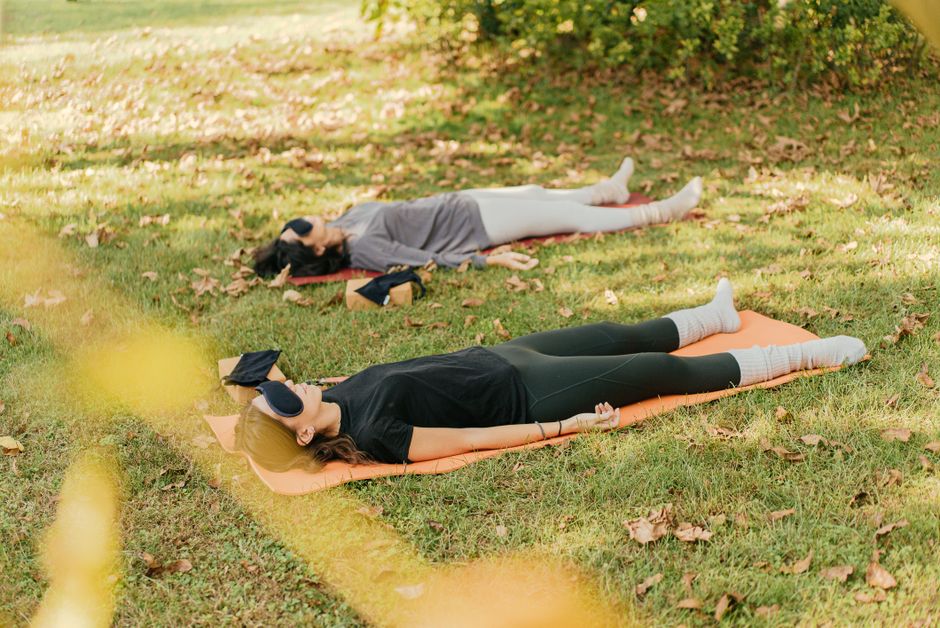
Side-by-Side Comparison: Breathwork vs. Meditation
| Factor | Breathwork | Meditation |
|---|---|---|
| Speed of effect | Fast (minutes) | Gradual (weeks) |
| Skill required to start | Very low | Low to moderate |
| Best for acute stress | Yes | Less immediate |
| Best for long-term resilience | Moderate | Yes |
| Suitable for fidgety minds | Yes | Requires patience |
| Can be done anywhere | Yes | Yes (with practice) |
| Depth of practice | Can grow complex | Can grow very deep |
| Evidence base | Growing, strong for HRV and anxiety | Extensive, especially MBSR |
Combining Both Practices for Greater Benefit
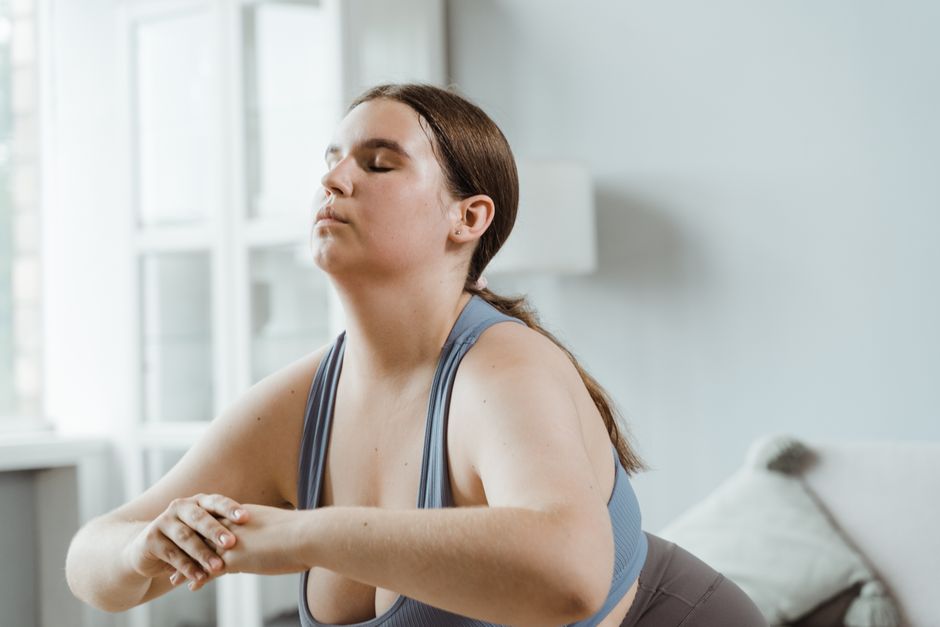
One of the most empowering insights from the research on breathwork vs. meditation for stress relief is that you do not have to choose one permanently. Many people find that breathwork serves as an on-ramp: it delivers quick, felt results that motivate continued practice, and those few focused breaths can also settle the nervous system enough to make a subsequent meditation session feel far more accessible.
A practical approach is to use a short breathwork technique when stress peaks during the day, then build a 5 to 10-minute mindfulness meditation into your morning or evening for cumulative benefit. This mirrors the way many seasoned practitioners actually use these tools: situationally and strategically rather than rigidly.
Building any new wellness habit works best when it is attached to routines you already have. If you want a broader look at how real people built sustainable routines without perfectionism, How Three Readers Built Sustainable Healthy Habits Without Perfectionism: Real Stories and Honest Lessons is a genuinely encouraging read.
Getting Started: A Simple Two-Week Experiment
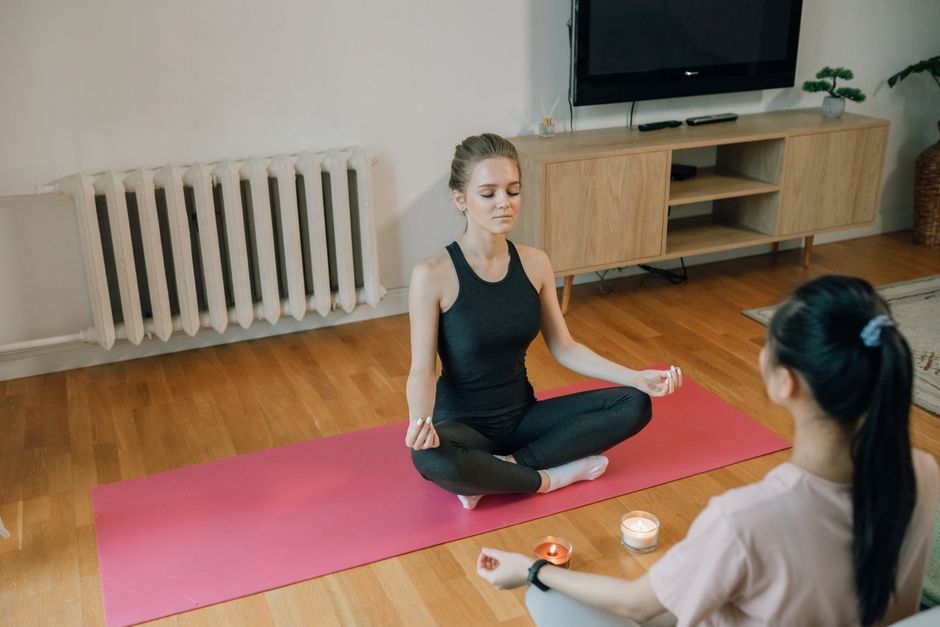
Rather than committing to one practice forever, try this low-pressure experiment:
Week 1: Breathwork only
Choose one technique (box breathing or cyclic sighing are great starting points). Practice for 3 to 5 minutes twice a day, ideally once in the morning and once during a known stressful moment. Note how you feel afterward.
Week 2: Meditation only
Use a guided meditation app or a simple 5-minute breath-focused mindfulness session. Practice once daily at a consistent time. Notice whether your stress response during the day feels any different by the end of the week.
After two weeks: Reflect on which practice felt more natural, which produced more noticeable benefit, and whether combining both feels feasible. There is no wrong answer. Your honest experience matters more than any recommendation.
If your goal also includes physical movement as part of your overall stress management, pairing a mind-based practice with regular movement can amplify results. For example, Stretching and Mobility Routines for Desk Workers: Counteract Sitting and Improve Daily Movement offers a natural complement for people whose stress lives partly in their body as tightness and physical tension.
Common Misconceptions About Both Practices
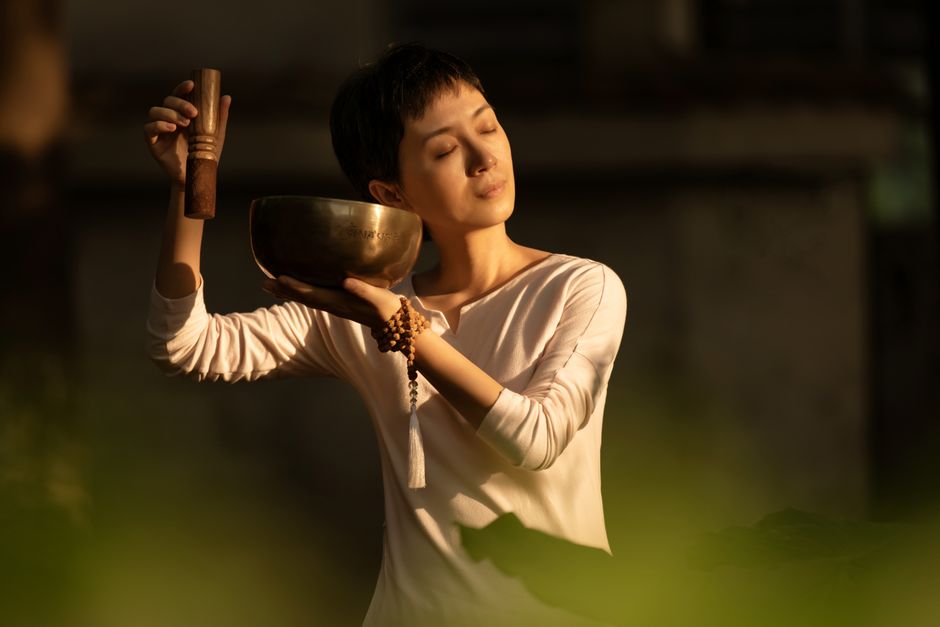
“Meditation means emptying your mind.” This is the most widespread myth. Meditation is not about stopping thoughts. It is about noticing thoughts without getting swept away by them. A wandering mind during meditation is not failure. It is the practice.
“Breathwork is just deep breathing.” Simple diaphragmatic breathing is one type, but the field includes specific patterns (like cyclic sighing or box breathing) with distinct physiological effects that go beyond generic relaxation.
“You need a lot of time.” Both practices can deliver meaningful benefit in as little as 5 minutes. Consistency matters more than duration, especially in the beginning.
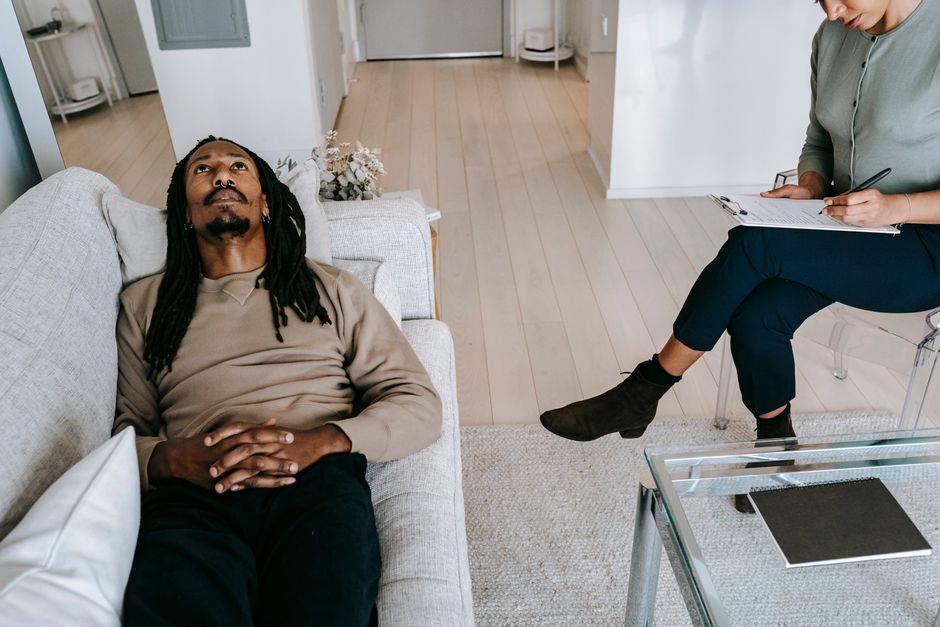
“These practices replace professional mental health support.” Breathwork and meditation are valuable self-care tools, but they are not substitutes for professional care when anxiety, depression, trauma, or other mental-health concerns are significantly affecting your quality of life.
Safety Notes and When to Consult a Professional
For most healthy adults, breathwork and meditation are safe. That said, there are situations worth knowing about:
- Hyperventilation-based breathwork (such as holotropic or Wim Hof style) involves prolonged rapid breathing and can cause lightheadedness, tingling, or even brief loss of consciousness. These techniques should never be practiced while driving, in water, or without proper guidance.
- Meditation can occasionally surface difficult emotions or memories, particularly in people with trauma histories. If this happens, working with a licensed mental-health professional who is familiar with mindfulness is recommended.
- If you have cardiovascular conditions, a history of seizures, or respiratory issues, check with your qualified healthcare professional before starting any new breathwork protocol.
- Anxiety disorders may occasionally be worsened by certain breath-holding techniques. Starting with simple slow-exhale practices is generally safer.
Just as physical recovery matters alongside movement, mental and emotional recovery matters alongside any stress-management practice. Recovery Days and Active Rest: Why Your Body Needs Breaks as Much as It Needs Workouts is a useful reminder that rest is not a sign of weakness in any domain.
Frequently Asked Questions
Q: Can breathwork and meditation be done in the same session?
Yes. Many practitioners start with a few minutes of intentional breathwork to settle the nervous system and then transition into a meditation session. This can make meditation feel more accessible, especially for beginners whose minds tend to race.
Q: How long does it take to see results from meditation for stress relief?
Research on MBSR suggests that meaningful changes in perceived stress are often noticeable after four to eight weeks of consistent practice. Breathwork tends to produce faster subjective effects, sometimes within a single session.
Q: Can I do breathwork during a panic attack?
Slow, extended-exhale breathing (like 4-7-8 or simple slow nasal breathing) may help interrupt the stress response during acute anxiety. However, if you experience frequent panic attacks, working with a licensed mental-health professional will give you a more complete and safer toolkit.
Q: Is one practice better for sleep than the other?
Both can support sleep quality. Research suggests that slow-exhale breathwork done before bed may help calm the nervous system for sleep onset, while mindfulness meditation practiced regularly may reduce nighttime rumination over time. Many people use both depending on the night.
Q: Do I need an app or a class to start?
No. Both practices can be started with nothing more than a quiet space and the basic techniques described in this article. Apps and classes can add structure and motivation, but they are optional, especially in the early weeks.
One Realistic Next Step
You do not need to become a meditation expert or learn a complex breathing protocol to reduce stress. Choose just one technique from this article, something simple, and practice it once today. Five minutes is enough. Consistency over weeks will tell you far more about what actually works for your life than any comparison article can.
If you enjoyed this guide, you might also appreciate Mindful Eating Without Restriction: How to Build a Calmer, More Intuitive Relationship with Food, which brings the same mindful awareness explored here into your daily relationship with food. And if you want practical, evidence-informed wellness guidance each week, joining the Clean Body Mentor newsletter is a simple way to keep that momentum going.
This article is for general educational and informational purposes only and is not a substitute for medical advice, diagnosis, or treatment. Health needs vary by individual. Consult a qualified healthcare professional before making significant changes to your diet, exercise routine, supplements, medication, or treatment plan, especially if you have a medical condition, are pregnant or breastfeeding, take medication, or have concerns about your symptoms.