Stress has a way of convincing you that you don’t have time to deal with it. Between work deadlines, family responsibilities, and the steady hum of daily demands, a 60-minute yoga class or a weekend meditation retreat can feel completely out of reach. Yet the longer you ignore stress, the more it chips away at your sleep, digestion, immune function, and mental well-being.
The good news is that effective stress management techniques don’t require a cleared schedule or a spa budget. Research suggests that even brief, consistent practices can shift your body out of its stress response and help you feel more grounded throughout the day. This guide walks you through practical, evidence-informed approaches—each taking five minutes or less—that you can weave into the routine you already have.

Why Managing Stress Is a Whole-Person Health Priority
Stress isn’t just a mood issue. When your brain perceives a threat—whether it’s a difficult conversation or a looming deadline—your nervous system triggers a cascade of physiological changes: heart rate rises, cortisol increases, digestion slows, and immune surveillance shifts. In short bursts, this response is adaptive. When it becomes chronic, it may contribute to disrupted sleep, digestive discomfort, elevated blood pressure, reduced immune resilience, and increased vulnerability to anxiety and low mood.
Addressing stress is one of the most meaningful things you can do for your overall health. It connects directly to better sleep health, healthier eating patterns, stronger relationships, and more sustainable energy levels. Think of these techniques not as luxuries but as preventive care for your nervous system.

The 5-Minute Principle: Why Short Practices Work
You might wonder whether five minutes can really make a difference. The answer, supported by a growing body of research, is yes—under the right conditions.
Brief, intentional interventions can activate your parasympathetic nervous system, sometimes called the “rest and digest” branch. This counteracts the fight-or-flight state that chronic stress keeps you in. The key is consistency over duration. A five-minute breathing practice done daily tends to produce more lasting benefit than a 30-minute session done once a month when you’re already overwhelmed.
Short practices are also more likely to become sustainable habits. When a behavior is low-effort and fits easily into your existing schedule, you’re far more likely to maintain it over time. That’s the foundation of any healthy routine that actually sticks.
Breathing Techniques You Can Use Anywhere
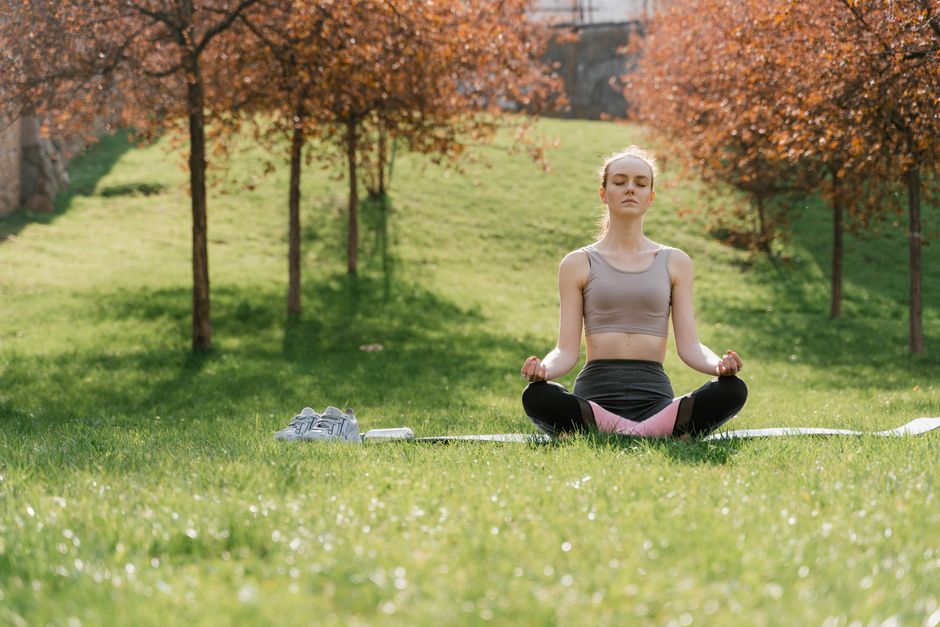
Controlled breathing is one of the most accessible stress management techniques available. You don’t need equipment, a quiet room, or a specific time slot. Your breath is always with you.
Box Breathing (4-4-4-4)
Box breathing is used by military personnel, athletes, and healthcare workers to calm acute stress quickly. Here’s how it works:
- Inhale slowly through your nose for 4 counts.
- Hold your breath for 4 counts.
- Exhale slowly through your mouth for 4 counts.
- Hold at the bottom for 4 counts.
- Repeat for 4–5 cycles.
This method may help regulate heart rate variability and ease the physiological markers of stress within minutes. Try it before a difficult meeting, while waiting in line, or during a midday reset.
Extended Exhale Breathing
Research suggests that making your exhale longer than your inhale activates the vagus nerve and promotes a calming response. A simple ratio: inhale for 4 counts, exhale for 6–8 counts. You don’t need to hold your breath at all—just slow and lengthen the out-breath.
This is particularly useful if box breathing feels uncomfortable or if you’re managing anxiety alongside stress, since the breath-hold phases can sometimes feel unsettling at first.
Where to Insert Breathing Practice Into Your Day
- While your morning coffee or tea brews
- During your commute (passenger) or before you start your car
- At the start of your lunch break
- Right before bed as part of your sleep hygiene wind-down
- Between back-to-back tasks or meetings

Movement as Stress Relief: Brief and Effective
You don’t need a gym session to use physical activity as a stress management tool. Even short bouts of movement can reduce tension, improve mood, and interrupt the mental loop that stress creates.
The 5-Minute Walk
A brief walk—especially outdoors—may help lower cortisol, lift mood through natural light exposure, and offer a gentle reset when you’re feeling overwhelmed. Research published in scientific literature on nature and mental well-being consistently supports the value of outdoor movement, even in small doses.
If you work from home or sit for long periods, setting a timer to walk around the block once an hour adds up meaningfully over a full day. This also supports circulation, energy levels, and posture—all connected to how you physically experience stress.
Tension Release Stretching
Stress tends to accumulate in predictable places: your neck, shoulders, jaw, and lower back. A brief stretching sequence targeting these areas can interrupt the physical holding patterns that stress creates.
Try this 5-minute sequence:
- Neck rolls (30 seconds each side) — slow, controlled, not forced
- Shoulder shrugs and rolls (1 minute) — inhale to raise, exhale to release
- Chest opener (1 minute) — clasp hands behind your back, lift your heart
- Seated forward fold or standing forward bend (1–2 minutes) — let gravity do the work
This kind of brief movement practice fits naturally into topics covered in a good beginner mobility and stretching guide. Even a few minutes of intentional movement can shift your physical state enough to support clearer thinking.
Shaking and Body Awareness
Some trauma-informed practitioners recommend gentle body shaking as a way to discharge built-up tension—a practice that draws from the body’s natural stress-release mechanisms. Standing and gently shaking your arms, legs, and shoulders for 60–90 seconds sounds unusual but may help your body release held tension. It requires no skill and can be done privately.

Sensory Grounding: Quieting an Anxious Mind
When stress escalates into anxiety or overwhelm, your mind often races ahead—worrying about future events or replaying past ones. Sensory grounding brings your attention back to the present moment, which interrupts that loop without requiring you to think your way out of it.
The 5-4-3-2-1 Technique
This evidence-informed grounding exercise draws on mindfulness principles and is commonly used in mental health and emotional resilience work:
- 5 things you can see — look around and name them mentally
- 4 things you can physically feel — your feet on the floor, the chair under you
- 3 things you can hear — background sounds, your own breathing
- 2 things you can smell — even faint or subtle scents
- 1 thing you can taste — or simply notice your mouth
This technique takes under three minutes and works in almost any environment. It’s especially useful during high-stress moments when a longer mindfulness or meditation practice isn’t possible.
Cold Water Reset
Briefly splashing cold water on your face or wrists stimulates the dive reflex—a physiological response that slows the heart rate. It’s fast, requires no preparation, and can interrupt a stress spiral in seconds. This small sensory intervention is not a cure-all, but as part of a broader toolkit of stress management techniques, it’s surprisingly effective.
Sensory Anchoring with Smell
Certain scents—lavender, citrus, and eucalyptus are among the most studied—may have modest calming or alerting effects according to preliminary research. Keeping a small roller of lavender essential oil or a citrus peel at your desk gives you an instant sensory anchor. This is experiential rather than pharmaceutical; the effect is gentle, but combined with a moment of intentional breathing, it can support a brief mental reset.

Social Connection as Stress Relief
One of the most underrated stress management techniques is also the most human: connecting with someone else. Research in the field of social neuroscience consistently shows that positive social interaction can buffer the physiological effects of stress. Oxytocin, a hormone released during warm social contact, appears to counteract some of the effects of cortisol.
The 5-Minute Meaningful Check-In
You don’t need a long heart-to-heart to benefit. A brief, genuine exchange—asking a colleague how they’re really doing, texting a friend a thoughtful message, or sharing a laugh with a family member—can meaningfully shift your emotional state. The key is presence: put the phone down, make eye contact if you’re in person, and give the interaction your full attention for five minutes.
This connects to a broader theme of whole-person wellness: emotional health and relationships aren’t separate from physical health—they’re woven into it.
Journaling as a Solo Connection Practice
When social interaction isn’t available, expressive writing can serve a similar regulatory purpose. Research suggests that writing briefly about what’s stressing you—not to solve it, but simply to externalize it—can reduce rumination and cognitive load. Three to five minutes of free writing, without editing or judgment, may help your mind feel less cluttered.
This aligns with mindfulness principles: you’re observing your inner experience without being consumed by it.
Common Mistakes That Undercut Your Stress Relief Efforts
Waiting until you’re at peak stress. Stress management techniques work best as regular maintenance, not emergency interventions. Building them into your routine when you feel fine makes them more effective when you don’t.
Choosing techniques that feel like chores. If box breathing frustrates you, try a walk. If journaling feels tedious, try the grounding exercise. The most effective technique is one you’ll actually use. Personalize your toolkit.
Expecting instant, dramatic results. Some techniques produce an immediate shift; others accumulate benefit over days and weeks. Gradual progress is real progress.
Using stress-relief practices to avoid addressing root causes. A breathing exercise can help you cope with a stressful job, but it can’t fix an unmanageable workload or a difficult relationship on its own. Stress management techniques are valuable—and sometimes you also need to address the source.
Confusing distraction with recovery. Scrolling through your phone, watching intense news, or rushing to the next task doesn’t give your nervous system genuine rest. True stress relief involves intentional downregulation, not just redirection.

When to Seek Support From a Professional
Self-care strategies for stress are genuinely valuable, but they have limits. Consider reaching out to a licensed mental-health professional if:
- Stress feels constant and you can’t identify a clear cause
- You’re experiencing persistent low mood, anxiety, or hopelessness
- Your sleep is consistently disrupted despite good sleep hygiene
- You’re using alcohol, food, or other substances to cope
- Stress is affecting your relationships, work performance, or physical health
A licensed therapist, psychologist, or counselor can offer cognitive-behavioral strategies, trauma-informed care, and individualized support that goes well beyond what any article can provide. Seeking professional guidance is a sign of self-awareness, not weakness.
Your primary care provider is also a useful starting point if you suspect that stress-related symptoms—digestive issues, frequent illness, persistent fatigue—may have physical components worth evaluating.
Frequently Asked Questions
Can five minutes of stress relief really make a difference?
Research suggests that consistent, brief interventions—especially those that activate the parasympathetic nervous system, like controlled breathing—can produce meaningful physiological changes over time. The key is regularity rather than duration.
Which stress management technique is best for beginners?
Extended exhale breathing is often the gentlest starting point because it requires no special posture, equipment, or timing precision. Simply slowing and lengthening your out-breath can produce a calming effect within minutes.
Is it possible to feel worse after trying mindfulness or grounding techniques?
For some people—particularly those with trauma histories—certain mindfulness and body-awareness practices can feel uncomfortable or activating. If that happens, it’s worth exploring trauma-sensitive approaches with a qualified mental-health professional rather than assuming the techniques aren’t right for you.
How do I make stress relief habits actually stick?
Attach new habits to existing anchors: your morning coffee, a specific commute moment, the transition from work to home. Small, consistent actions build more durable routines than occasional large efforts. Progress over perfection is the goal.
What’s the difference between stress and anxiety, and does it change which techniques I should use?
Stress typically has an identifiable external cause and resolves when that cause resolves. Anxiety often persists without a clear trigger and may involve more pervasive worry or physical symptoms. Many stress management techniques help with both, but if you’re experiencing significant anxiety, a licensed mental-health professional can tailor strategies more precisely to your experience.
Your Next Step
You don’t need to overhaul your life or carve out a dedicated wellness hour to start managing stress more effectively. Choose one technique from this guide that genuinely appeals to you—not the one that sounds most impressive, but the one that feels most doable today. Practice it consistently for one week, ideally at the same time each day.
If you’re ready to build on this foundation, exploring related Clean Body Mentor guides on sleep health and healthy routines, mindfulness for everyday life, and movement for mental well-being can help you weave stress management into a broader whole-person wellness practice. You’re also welcome to join the Clean Body Mentor newsletter for practical weekly guidance sent directly to your inbox—no overwhelm, just realistic steps you can actually use.
This article is for general educational and informational purposes only and is not a substitute for medical advice, diagnosis, or treatment. Health needs vary by individual. Consult a qualified healthcare professional before making significant changes to your diet, exercise routine, supplements, medication, or treatment plan, especially if you have a medical condition, are pregnant or breastfeeding, take medication, or have concerns about your symptoms.