You’ve probably been reminded to drink more water more times than you can count. And yet, the afternoon slump hits, your head feels foggy, and the last time you actually filled your water bottle was at breakfast. You’re not alone—research suggests that a significant portion of adults don’t consistently meet their daily fluid needs, often without realizing it.
Proper hydration for health isn’t about hitting an arbitrary number or carrying a giant jug everywhere you go. It’s about understanding what your body genuinely needs, why that need shifts throughout the day, and how to build a water habit that actually sticks within your real life—whether you’re working at a desk, chasing kids around the house, or training for a 5K.
This tutorial walks you through the science of hydration without drowning you in jargon, gives you practical, adaptable strategies, and clears up the myths that keep so many people confused.
Why Proper Hydration Matters More Than Most People Realize
Water is your body’s most essential nutrient. It makes up roughly 55–75% of your total body weight depending on your age, sex, and body composition. Every system in your body depends on it—from transporting nutrients and regulating temperature to lubricating joints and supporting cognitive function.
What Happens When You’re Even Mildly Dehydrated
You don’t need to be visibly parched or physically exhausted for dehydration to affect you. Research published in peer-reviewed journals suggests that a fluid loss of just 1–2% of body weight—something easily reached on a warm afternoon or during moderate exercise—can noticeably impair:
- Concentration and focus: Even mild dehydration has been associated with reduced attention, slower reaction time, and increased perception of difficulty during mental tasks.
- Mood and energy: Studies suggest links between low fluid intake and increased feelings of fatigue and low mood, though more research is ongoing to clarify cause and effect.
- Physical performance: Muscles are approximately 75% water. Dehydration reduces endurance, strength output, and coordination—sometimes before you feel thirsty.
- Digestion: Water softens stool, supports bowel regularity, and helps your digestive tract move food efficiently. Insufficient hydration is one of the most common contributors to constipation.
- Kidney function: Your kidneys filter waste products from your blood and excrete them through urine. Adequate fluid intake supports this process and may help reduce the risk of kidney stones, particularly in people prone to them.
Mild dehydration is easy to overlook because thirst is not always a reliable early signal—especially in older adults, where the thirst mechanism may be less responsive.
How Much Water Do You Actually Need?
The “eight glasses a day” rule is one of the most pervasive myths in popular wellness. While it’s a reasonable ballpark for some people, it oversimplifies a genuinely individual question.
General Guidance from Health Authorities
The U.S. National Academies of Sciences, Engineering, and Medicine suggests total adequate daily water intake of approximately:
- 3.7 liters (about 125 oz or 15.5 cups) for adult men
- 2.7 liters (about 91 oz or 11.5 cups) for adult women
Importantly, these figures include all fluids and water-rich foods—not just plain water you drink from a glass. About 20% of your daily water intake typically comes from food, especially fruits and vegetables.
Factors That Shift Your Personal Needs
Your individual hydration needs are influenced by several real-life variables:
- Body size and composition: Larger bodies and those with more muscle mass generally require more water.
- Physical activity level: Sweating during exercise increases fluid losses that need replacing. A 45-minute moderate workout can increase your daily water need by 500–1,000 ml or more, depending on intensity and temperature.
- Climate and environment: Hot, humid environments dramatically increase sweat output. Dry, high-altitude environments also increase respiratory water losses.
- Diet: High-sodium diets may increase fluid needs. A nutrient-dense diet rich in fruits and vegetables naturally contributes to your daily fluid intake.
- Health status and life stage: Fever, vomiting, diarrhea, pregnancy, and breastfeeding all significantly increase hydration needs. Some medical conditions and medications may also affect fluid balance—always discuss this with your healthcare provider.
- Age: Older adults have lower total body water and a diminished thirst sensation, making intentional hydration habits especially important for healthy aging.
A More Reliable Method: The Urine Color Check
Rather than obsessing over exact ounces, urine color is one of the most practical at-a-glance indicators of hydration status:
- Pale yellow (like lemonade): Well hydrated—this is your target.
- Dark yellow to amber (like apple juice): You’re likely behind on fluids.
- Clear: You may be overhydrating, which dilutes electrolytes—not ideal either.
First morning urine will naturally be more concentrated and darker. Use color as feedback across the day rather than a single-point check.
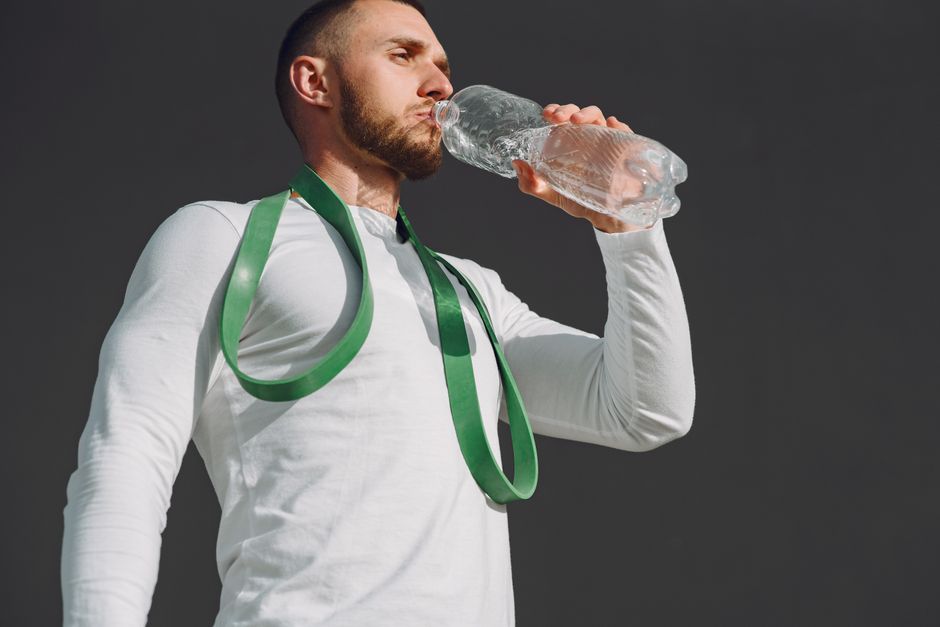
When to Drink: Timing Your Water Intake Throughout the Day
Knowing when to drink is just as useful as knowing how much. Strategic timing helps you stay consistently hydrated rather than playing catch-up with large amounts all at once—a pattern that’s less effective and can feel uncomfortable.
Morning: Start Before the Caffeine
After seven or eight hours of sleep, your body wakes up in a mild state of fluid deficit. Starting your morning with a glass or two of water before coffee or tea is a simple way to rehydrate early and support digestion. This also helps you establish hydration as part of your morning healthy routine before the day becomes distracting.
Before and During Meals
Drinking water 20–30 minutes before eating may support digestion by preparing the stomach lining. Sipping water during meals is perfectly fine and may help with portion awareness for some people, though evidence here is mixed and individual responses vary. What’s clear is that waiting until you’re thirsty at the table often means you’ve already started the meal underhydrated.
Around Physical Activity
For movement and exercise sessions, a basic framework looks like this:
- Before: Drink 1–2 cups of water in the hour leading up to activity.
- During: Sip regularly—roughly every 15–20 minutes during moderate activity.
- After: Rehydrate to replace fluid lost through sweat. Weighing yourself before and after exercise can give you a rough idea of sweat loss (about 16 oz of fluid per pound lost).
For most healthy adults doing moderate exercise lasting under an hour, plain water is adequate. Sports drinks become more relevant during prolonged, high-intensity effort when electrolyte replacement matters more.
Afternoon and Evening: Consistency Without Disrupting Sleep
Mid-afternoon is when many people experience an energy dip that they incorrectly attribute only to needing a nap or sugar boost. Mild dehydration is a surprisingly common contributor. Keeping water visible and accessible—on your desk, in your car, in your bag—makes drinking feel natural rather than effortful.
In the evening, taper your fluid intake in the one to two hours before bed if nighttime trips to the bathroom are disrupting your sleep. Supporting sleep health and hydration aren’t at odds—you just want to balance them thoughtfully.
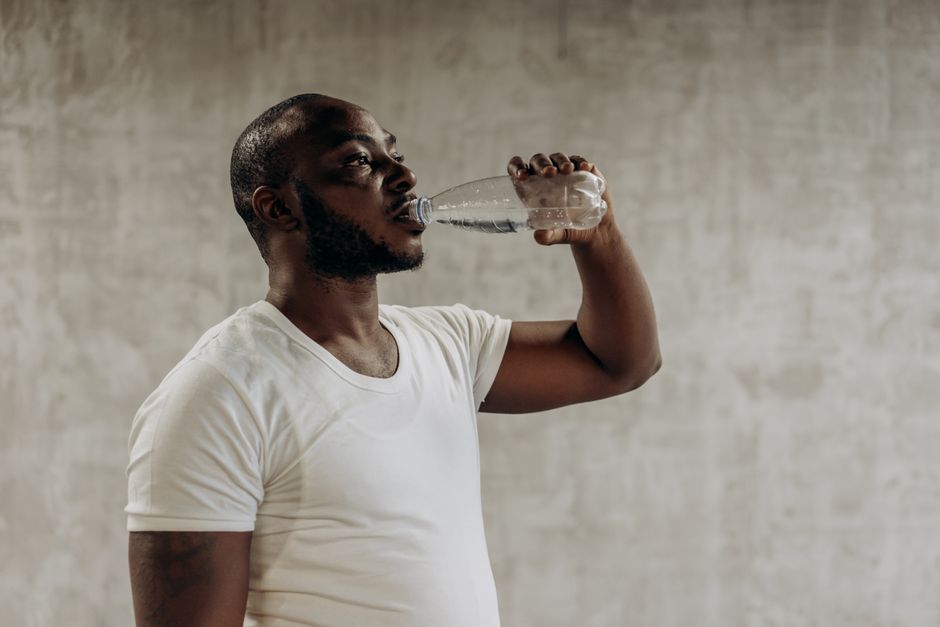
Building a Sustainable Daily Water Habit
Knowing the “why” and “how much” only helps if you can actually follow through. Sustainable habits work because they’re attached to existing routines and feel low-friction, not because they require willpower alone.
Practical Strategies That Work for Real Life
- Anchor water to existing habits. Link drinking water to things you already do: wake up, make coffee, sit down for lunch, brush your teeth, arrive at your desk. These habit stacks require minimal extra thought.
- Use a reusable bottle you actually like. A bottle that’s convenient, well-sized, and easy to carry removes the friction of finding a glass every time. Knowing the capacity of your bottle makes it easy to track without counting individual cups.
- Set gentle reminders. A phone alarm or a hydration app can help during the learning phase. Many people find they no longer need reminders after a few weeks once the habit is established.
- Make water more enjoyable if you struggle with plain water. Infusing water with cucumber, mint, citrus slices, or berries adds gentle flavor without added sugar. Herbal teas and sparkling water also count toward your fluid intake.
- Eat water-rich foods. Incorporating hydrating foods—cucumbers, watermelon, strawberries, celery, oranges, and zucchini—into your balanced eating pattern naturally supports hydration. This is especially useful on busy days when drinking enough feels like a chore.
Common Hydration Myths Worth Setting Aside
Myth: You need exactly 8 glasses of water every day.
Reality: This number has no robust scientific foundation for universal application. Fluid needs vary widely by person, activity, climate, and diet.
Myth: Coffee and tea dehydrate you.
Reality: Caffeinated beverages do have a mild diuretic effect, but research consistently shows that moderate coffee and tea consumption contributes positively to overall fluid intake for most healthy adults. They’re not as dehydrating as popular belief suggests.
Myth: Thirst means you’re already dangerously dehydrated.
Reality: For most healthy adults, thirst is a normally functioning signal—not an emergency alert. It appears at roughly 1–2% fluid deficit, which is the early, manageable range. Just don’t ignore it.
Myth: More water is always better.
Reality: Drinking excessive amounts of water in a short period can actually dilute sodium levels in the blood—a condition called hyponatremia. It’s rare in everyday life but can occur in endurance athletes who drink too much plain water without replacing electrolytes.
Myth: Sports drinks are necessary for all workouts.
Reality: For the vast majority of exercise sessions under 60 minutes at moderate intensity, water is sufficient. Sports drinks are more appropriate for prolonged, intense activity where sweat losses are substantial.

Frequently Asked Questions About Proper Hydration
Q: Does drinking water help with weight management?
A: Research suggests that drinking water before meals may reduce calorie intake in some people, and replacing sugary beverages with water supports healthier eating patterns over time. However, water alone is not a weight-loss solution—it works as part of a broader set of sustainable habits.
Q: Can I drink too much water?
A: Yes, though it’s uncommon in everyday situations. Overhydration is most relevant for endurance athletes who replace sweat losses with large amounts of plain water rather than electrolyte-containing fluids. If you have kidney disease or other conditions affecting fluid balance, discuss appropriate intake with your healthcare provider.
Q: Are herbal teas and sparkling water as good as plain water?
A: Both count toward your daily fluid intake and are good alternatives if you find plain water unappealing. Unsweetened herbal teas hydrate without caffeine. Sparkling water is equally hydrating to still water. Just check labels on flavored sparkling waters for added sodium or sweeteners.
Q: What are the signs that I’m consistently not drinking enough?
A: Persistent dark urine, frequent headaches, low energy by mid-morning, difficulty concentrating, and infrequent urination (fewer than 4–6 times per day) can all be signs of suboptimal hydration. If these persist despite increased fluid intake, speak with a qualified healthcare professional.
Q: Do kids and older adults need different amounts?
A: Yes. Children’s needs vary significantly by age, size, and activity level. Older adults tend to have lower total body water and a reduced thirst response, making intentional hydration habits especially important for healthy aging. Caregivers supporting family wellness should consider both groups’ individual needs.

Safety Notes and When to Seek Professional Guidance
For most healthy adults, adjusting daily water intake is low-risk and straightforward. However, speak with a qualified healthcare professional if:
- You have a kidney condition, heart condition, or liver disease, as these can affect how your body manages fluids.
- You’re pregnant or breastfeeding and unsure of appropriate fluid intake.
- You take medications that affect fluid balance (such as diuretics).
- You’re experiencing symptoms like persistent swelling, sudden changes in urination, or extreme thirst that don’t resolve with normal hydration.
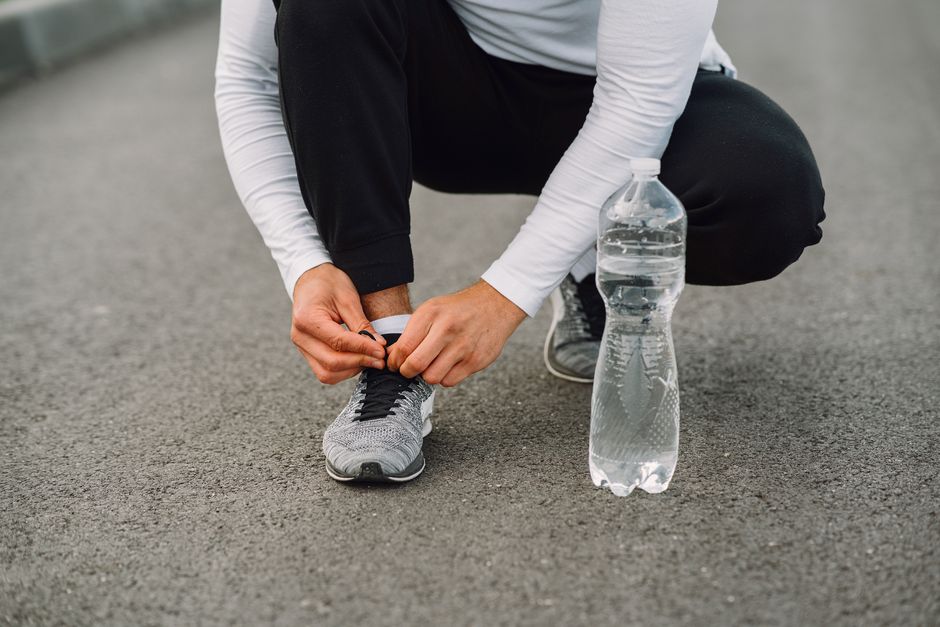
A Realistic Next Step to Start Today
You don’t need a complicated system or a perfectly designed hydration schedule to improve your daily water intake. Start with one realistic, friction-free change: place a full glass of water on your nightstand tonight and drink it before you reach for your phone in the morning. That single shift, practiced consistently, builds momentum.
From there, layer in one more habit at a time—a bottle at your desk, water before each meal, a hydrating snack in the afternoon. Small, steady adjustments add up over weeks and months into a genuine, sustainable habit that supports your whole-person wellness without feeling like a chore.
If you’d like to go deeper on related topics, exploring guides on building a healthy morning routine, supporting digestion through everyday food choices, or learning how sleep and hydration interact can all complement what you’ve learned here. You’re also welcome to subscribe to the Clean Body Mentor newsletter for practical weekly wellness guidance delivered to your inbox.
This article is for general educational and informational purposes only and is not a substitute for medical advice, diagnosis, or treatment. Health needs vary by individual. Consult a qualified healthcare professional before making significant changes to your diet, exercise routine, supplements, medication, or treatment plan, especially if you have a medical condition, are pregnant or breastfeeding, take medication, or have concerns about your symptoms.