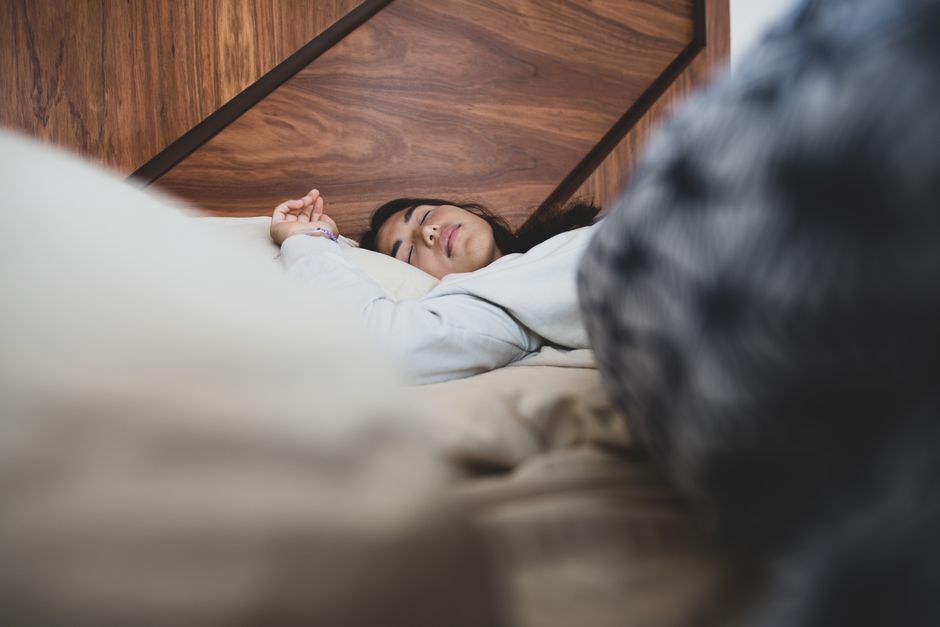
You already know that a rough night leaves you foggy, irritable, and reaching for an extra cup of coffee. But beyond next-day fatigue, consistently poor sleep has been linked by researchers to disruptions in metabolism, immune function, mood regulation, and cognitive performance. The good news: you don’t need a medicine cabinet full of supplements to sleep better. Evidence-informed sleep hygiene—the set of daily habits and environmental choices that support quality rest—can make a meaningful difference for most adults.
This guide walks you through eight practical, sustainable habits you can start adapting to your own life today. Some take seconds; others require a small investment of attention. All of them are grounded in what sleep science currently understands about how the human body and brain prepare for, enter, and maintain restful sleep.
Clean Body Mentor may earn a commission from qualifying purchases made through links in this article, at no additional cost to you. Recommendations are selected for relevance and usefulness, and compensation does not determine our editorial conclusions.

Why Sleep Hygiene Matters More Than Most People Realize
Sleep is not passive downtime. During the night your brain consolidates memories, your body repairs tissue, your immune system ramps up, and hormones that regulate hunger and stress are recalibrated. When sleep is chronically short or fragmented, these processes are interrupted.
Research published by sleep medicine organizations consistently points to seven to nine hours per night as the general target for most adults, though individual needs genuinely vary. What matters as much as total hours is sleep quality—how efficiently you move through light sleep, deep slow-wave sleep, and REM cycles.
Sleep hygiene addresses both quantity and quality by working with your body’s natural rhythms rather than against them. Think of these habits as the foundation beneath everything else you do for your whole-person wellness: stress management, balanced eating, movement, and emotional health all become harder to sustain when sleep is chronically compromised.
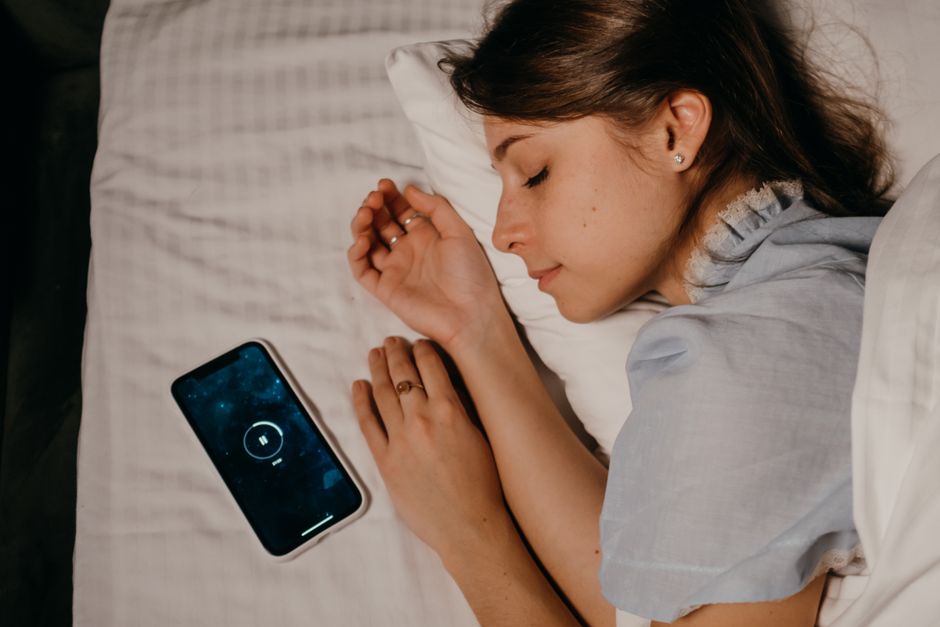
8 Evidence-Informed Sleep Hygiene Habits
1. Anchor Your Sleep and Wake Times
Your body runs on a roughly 24-hour internal clock called the circadian rhythm. One of the most consistent findings in sleep research is that irregular sleep and wake times—sleeping in two hours on weekends, staying up late some nights and not others—can disrupt this rhythm in ways that make falling and staying asleep harder throughout the week.
How to start: Pick a wake time you can realistically hold on most days, even on weekends, and work backward seven to nine hours to set a target bedtime. You don’t need to be perfect. Keeping your wake time consistent even when your bedtime shifts slightly tends to have the most stabilizing effect on your circadian rhythm.
Common mistake: Trying to “catch up” on sleep after a short week by sleeping in dramatically. Occasional recovery sleep is normal, but large daily swings can prolong disruption rather than resolve it.
2. Manage Your Light Exposure Intentionally
Light is the most powerful cue your circadian clock uses to calibrate itself. Bright, blue-spectrum light in the morning signals wakefulness and helps your body know when to begin winding down at night. The same type of light in the evening—from screens, overhead LEDs, and bright lamps—can delay the release of melatonin, the hormone that signals your body it’s time to sleep.
Morning light: Within 30 to 60 minutes of waking, try to get outside or sit near a bright window for at least 10 minutes. On cloudy days or during winter months, a full-spectrum light therapy lamp may help. Research from circadian biology suggests this morning signal is particularly stabilizing for the sleep-wake cycle.
Evening light: In the hour or two before your target bedtime, reduce overhead lighting, use warmer-toned lamps or bulbs, and lower screen brightness. Blue-light-filtering settings on devices (often called night mode) may help modestly, though reducing overall screen brightness and screen time before bed may have a more consistent effect.
Beginner option: Start with just one change—a 10-minute morning walk outside—and notice whether your sleep timing begins to feel more natural within one to two weeks.
3. Keep Your Bedroom Cool, Dark, and Quiet
Your sleep environment is a controllable variable that many people underestimate. Sleep onset is associated with a slight drop in core body temperature, which means a cooler room tends to support falling asleep more easily. Most sleep researchers point to somewhere in the range of 65–68°F (18–20°C) as a useful starting point, though comfort is individual.
Darkness: Even low-level light from streetlamps, electronics, or standby indicators can affect sleep architecture in some people. Blackout curtains or a well-fitted sleep mask are low-cost options worth trying if your room is not naturally dark.
Noise: A consistently quiet environment is ideal. If you live somewhere noisy, steady background sound—like a fan, white noise machine, or a white or pink noise app—can mask disruptive sounds more effectively than complete silence in some environments.
Practical note: If budget is a constraint, a box fan provides cooling, air circulation, and sound masking simultaneously. Small environmental changes are often the quickest wins in a sleep hygiene overhaul.
4. Build a Consistent Wind-Down Routine
Your nervous system doesn’t switch from full alertness to sleep-ready in an instant. A pre-sleep routine creates a predictable behavioral sequence that your brain begins to associate with the approach of sleep—a kind of nightly signal that it’s time to shift gears.
What works: Routines don’t need to be elaborate. A 20- to 45-minute wind-down might include dimming the lights, taking a warm shower or bath (the subsequent drop in skin temperature can support sleep onset), light reading, gentle stretching, or a brief mindfulness or breathing practice.
What often undermines it: Emotionally stimulating activities close to bed—heated conversations, intense news, stressful work tasks, or action-packed TV shows—keep your nervous system activated when it would benefit from calming down. This doesn’t mean you can never watch television before bed, but noticing how different content affects your readiness for sleep is useful self-knowledge.
If stress and an active mind are your biggest bedtime obstacles, exploring a broader stress management or mindfulness practice may be worthwhile as a complementary strategy alongside these sleep hygiene habits.
5. Be Strategic About Caffeine and Alcohol
Caffeine is a stimulant that blocks adenosine receptors in the brain. Adenosine is part of the chemical system that builds sleep pressure—the drive that makes you feel tired—so caffeine’s blocking effect can delay or fragment sleep even when you don’t feel subjectively alert.
Caffeine: Research suggests caffeine’s half-life in the body is roughly five to seven hours for most adults, though this varies considerably based on genetics, medications, and liver function. A good working rule for most people: avoid caffeine after early-to-mid afternoon (around 1–2 PM), and adjust earlier if you’re sensitive or if you have a particularly early bedtime.
Alcohol: Many people use alcohol to wind down, and while it may help with initial sleep onset, research consistently shows that alcohol disrupts sleep architecture in the second half of the night—particularly REM sleep—leading to more fragmented, less restorative rest overall. Reducing or eliminating alcohol close to bedtime is one of the more impactful changes some people can make to sleep quality.
Practical tip: If you enjoy an evening warm drink ritual, consider herbal teas that are naturally caffeine-free as a satisfying alternative.
6. Time Your Exercise Thoughtfully
Regular physical activity is one of the most reliably evidence-supported ways to improve sleep quality and duration over time. Movement helps regulate your circadian rhythm, reduce anxiety, and build the physical tiredness that supports healthy sleep pressure.
Timing: For most people, exercising earlier in the day or in the late afternoon works well. Vigorous exercise within an hour or two of bedtime can elevate core body temperature and increase alertness in some individuals, though this varies—some people sleep fine after evening workouts. If you can only exercise in the evening, it’s still far better than not exercising at all; just observe how it personally affects your sleep.
Beginner-friendly movement: A 20-to-30-minute walk in natural daylight combines two sleep hygiene strategies at once—physical activity and morning or afternoon light exposure. This is an excellent entry point for anyone new to building a healthier daily routine.
If you’re interested in how different types of movement affect recovery and rest, our guides on walking for wellness and beginner-friendly stretching routines go deeper on both topics.
7. Reserve Your Bed for Sleep (and Intimacy)
This habit, drawn from cognitive behavioral approaches to insomnia, is called stimulus control. The idea is straightforward: the more activities you associate with your bed—working, scrolling, watching content, eating, worrying—the less clearly your brain associates that space with sleep.
Over time, lying down in bed can become associated with wakefulness and mental activity rather than rest, making it harder to fall asleep even when you’re genuinely tired.
How to apply it: If you find yourself lying awake for more than 20 minutes, it’s generally more helpful to get up, move to another room, do something calm and non-stimulating in dim light, and return to bed when you feel genuinely sleepy. This can feel counterintuitive at first, but consistently reinforcing the bed-equals-sleep association tends to reduce sleep-onset difficulty over time.
Note for small-space living: If your bedroom is also your living space, try to create a visual or physical boundary between your sleep area and other activities—even something as simple as a screen or a specific lamp that signals the shift to sleep mode.
8. Manage Evening Eating and Hydration
Going to bed very hungry or very full can disrupt sleep, and large meals close to bedtime may increase the likelihood of discomfort or acid reflux in some individuals. On the other hand, being significantly underfed can trigger wakefulness as your body registers an unmet energy need.
Practical guidance: Aim to finish your main meal two to three hours before bed. If you’re genuinely hungry closer to bedtime, a small, easy-to-digest snack—like a small portion of whole-grain crackers with nut butter, or a banana—is unlikely to cause problems and may support stable blood sugar through the night.
Hydration: Staying well hydrated during the day reduces the need to overdrink in the evening, which can minimize disruptive nighttime bathroom trips. Tapering your fluid intake in the hour or two before bed is a simple strategy many people find helpful.
This connects to the broader picture of balanced eating and how what you eat—and when—affects energy, mood, and recovery across the day.
Common Misconceptions About Sleep Hygiene
- “I can function fine on five or six hours.” Research suggests most adults who report this are actually experiencing cognitive impairment they’ve adapted to and no longer notice clearly. Occasional short nights are normal; chronic short sleep is a different matter.
- “Sleep supplements will fix the underlying problem.” Supplements like melatonin may be helpful for specific situations (like jet lag or shift-work schedule adjustment), but they don’t address the behavioral and environmental factors that underlie chronic poor sleep. Sleep hygiene builds a sustainable foundation.
- “Lying in bed resting still counts as sleep.” Rest is genuinely valuable, but it doesn’t provide the same physiological benefits as sleep. If you’re lying awake for extended periods regularly, it may be worth exploring why.

When to Talk to a Healthcare Professional
Sleep hygiene habits support healthy sleep for most adults, but they’re not a replacement for professional care when it’s needed. Consider speaking with a qualified healthcare professional if:
- You consistently struggle to fall or stay asleep despite good sleep hygiene practices
- You snore loudly, wake gasping, or have been told you stop breathing during sleep (possible signs of sleep apnea)
- You feel an irresistible urge to move your legs at night
- Chronic fatigue persists despite adequate sleep opportunity
- Poor sleep is significantly affecting your mental health, relationships, or daily functioning
Cognitive Behavioral Therapy for Insomnia (CBT-I) is considered a first-line treatment for chronic insomnia by many sleep medicine organizations and has a strong evidence base. A sleep specialist or licensed mental-health professional trained in CBT-I may offer more targeted support than behavioral changes alone.

Frequently Asked Questions
Q: How long does it take for sleep hygiene habits to make a difference?
A: Some changes—like a cooler, darker bedroom—may have a noticeable effect within the first few nights. Behavioral changes like consistent wake times and stimulus control typically take one to three weeks of consistent practice before the benefits become reliable.
Q: Do I need to follow all eight habits at once?
A: No. Starting with one or two changes that feel most relevant to your situation is entirely reasonable. Gradual, sustainable progress tends to stick better than trying to overhaul everything simultaneously.
Q: Is sleep hygiene effective for people with diagnosed insomnia?
A: Sleep hygiene is often a component of evidence-based insomnia treatment, but for clinical insomnia, it’s typically most effective as part of a broader approach like CBT-I rather than as a standalone fix. If you suspect you have insomnia, speaking with a qualified professional is a good next step.
Q: Does napping undermine nighttime sleep?
A: It depends. Short naps of 10–20 minutes earlier in the afternoon (before 3 PM for most people) generally don’t disrupt nighttime sleep and can be restorative. Longer or later naps can reduce sleep pressure and make it harder to fall asleep at night.
Q: Are sleep tracking devices helpful for improving sleep hygiene?
A: Wearable sleep trackers can provide useful general awareness of sleep patterns, though their accuracy for specific sleep stages is limited compared to clinical sleep studies. They can be a helpful motivational tool for some people, but focusing on how you feel rather than data alone is usually wise, especially if tracking becomes a source of anxiety.
A Realistic Next Step
You don’t need to rewire your entire evening to sleep better. Choose one habit from this list—the one that feels most achievable or most relevant to what’s currently getting in the way of your rest—and practice it consistently for two weeks before adding another.
Small, deliberate changes compound over time. Better sleep supports better energy for movement, clearer thinking for stress management, and more capacity for the emotional health practices that make whole-person wellness feel sustainable rather than overwhelming.
If you’d like to keep building practical, evidence-informed habits across all areas of your health, consider signing up for the Clean Body Mentor newsletter for realistic weekly wellness guidance delivered straight to your inbox.
This article is for general educational and informational purposes only and is not a substitute for medical advice, diagnosis, or treatment. Health needs vary by individual. Consult a qualified healthcare professional before making significant changes to your diet, exercise routine, supplements, medication, or treatment plan, especially if you have a medical condition, are pregnant or breastfeeding, take medication, or have concerns about your symptoms.