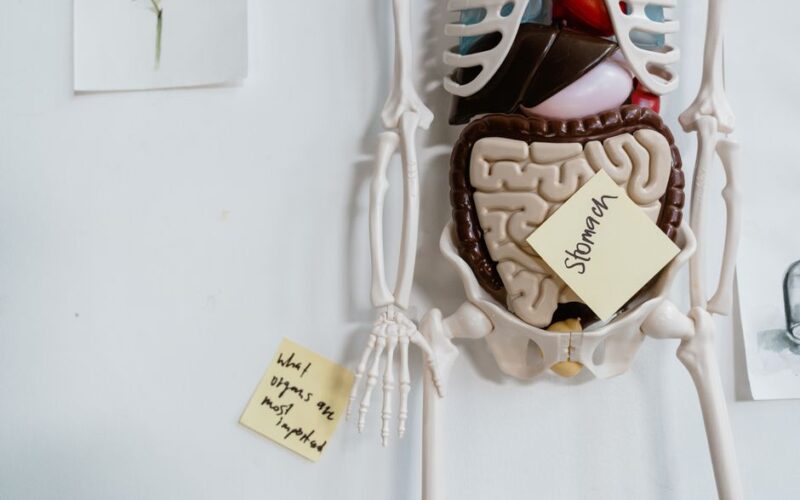

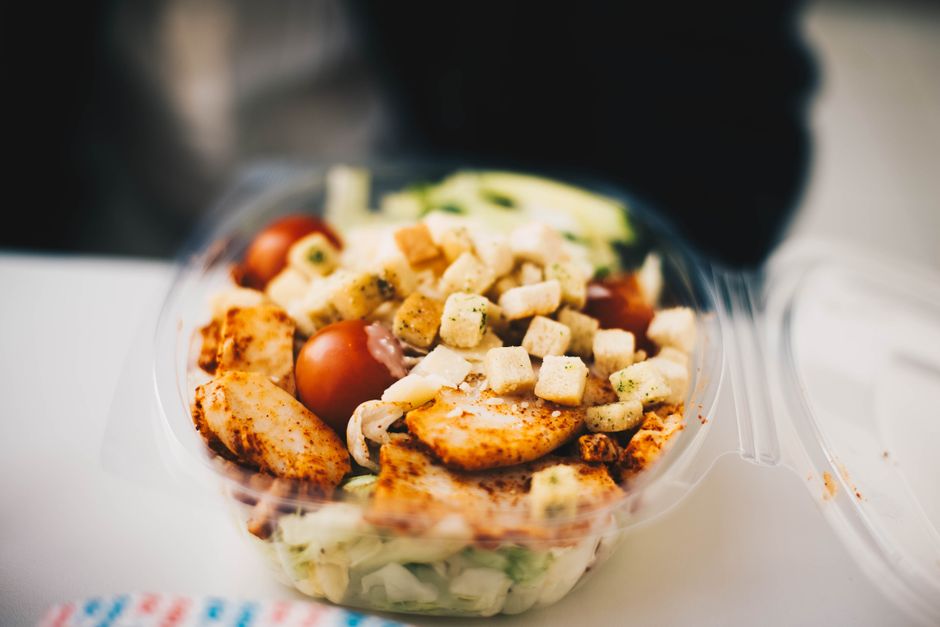
It starts with the best intentions. You swap processed snacks for almonds, pile your plate with roasted vegetables, and reach for a second helping of lentil soup because, well, it is healthy. But later you feel stuffed, sluggish, or weirdly uncomfortable despite eating nothing you would label as “bad.” Sound familiar?
Eating too much healthy food is a real pattern, and it does not get talked about enough. Nutrient-dense foods still contain calories, fiber, and volume, and your digestive system still has limits. Recognizing where fullness begins does not require calorie counting or food rules. It requires tuning back into signals your body sends all the time, but that modern eating culture makes surprisingly easy to miss.
Here are five honest signs worth noticing, plus practical ways to find comfortable fullness without restriction or guilt.
1. You Feel Consistently Bloated After Meals You Consider Clean
Bloating after a salad or a fiber-rich grain bowl is not a sign something is wrong with your food choices. It is often a signal that the volume or pace of eating overwhelmed your digestive system. Research published by the National Institute of Diabetes and Digestive and Kidney Diseases notes that gas and bloating are common responses to large amounts of fermentable fiber, even from wholesome plant foods.
If this pattern is consistent, slowing down at the table often helps more than switching ingredients. Digestive Discomfort From Rushed Eating: Why Pace and Chewing Beat Food Restriction Every Time walks through why the mechanics of eating matter as much as what is on your plate.
What to try: Before a second serving, pause for two to three minutes and check in with your stomach rather than your plate.
2. You Eat Past Comfortable Fullness Regularly, Even With Nutritious Foods
Comfortable fullness sits around a six or seven on a ten-point hunger scale: satisfied, energized, no longer hungry, but not heavy. If you routinely land at an eight or nine after meals made entirely of nutrient-dense foods, portion size or eating pace is likely overriding your fullness signals.
This is not a willpower problem. Eating quickly, eating while distracted, or eating in response to stress rather than hunger all delay the feedback loop your gut sends to your brain. Research suggests it takes roughly fifteen to twenty minutes for satiety hormones like leptin and peptide YY to communicate fullness after a meal (NIH, National Library of Medicine).
If you are curious whether stress is part of the picture, Stress Eating vs. True Afternoon Hunger: Building Awareness Without Shame or Restriction offers a thoughtful framework for separating emotional triggers from physical hunger.
What to try: Put your fork down between bites and aim to chew each mouthful fully before picking it up again.
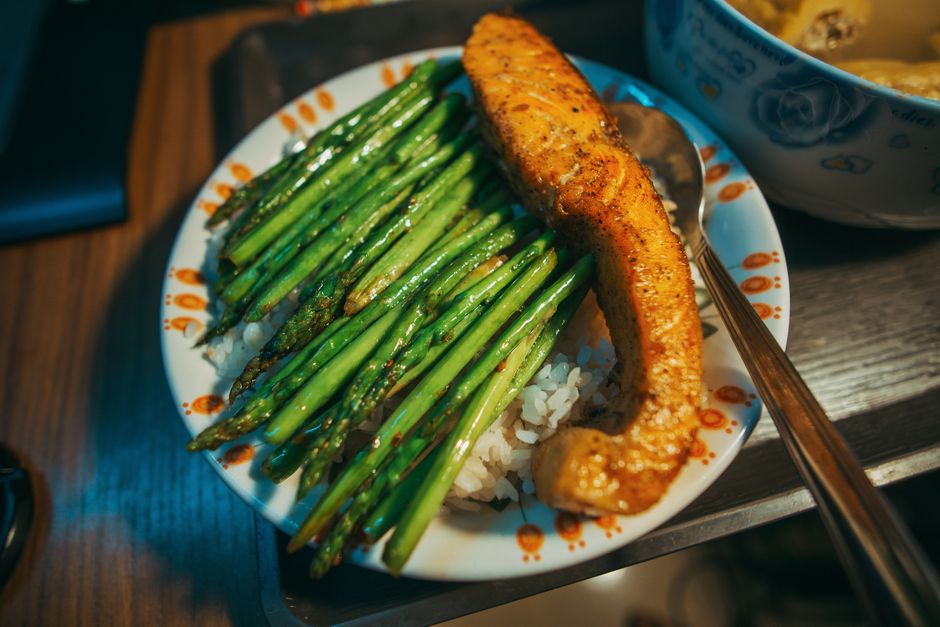
3. You Feel Tired or Heavy an Hour After Eating
A moderate, balanced meal should leave you feeling clear-headed and comfortable within an hour. If your energy reliably dips, your digestion feels labored, or you feel the urge to lie down after a meal, the total volume may be more than your system processes efficiently at once.
Large meals, even healthy ones, require significant digestive effort and can temporarily redirect blood flow to the gut. This is normal in moderation, but when it is your regular experience after eating too much healthy food, reducing portion size or splitting the meal across two smaller windows often resolves the pattern without removing any food group.
What to try: Notice the difference between a lighter version of a meal and your typical portion, and pay attention to how your energy feels ninety minutes later.

4. You Ignore Hunger and Fullness Cues in Favor of Food Rules
This one is subtle. If you eat more because something is healthy, or finish everything on your plate because it is nutritious, you have shifted from listening to your body to following a rule. That mental override can keep you eating past fullness just as effectively as emotional hunger or mindless snacking.
Intuitive eating research, including work published in the journal Eating Behaviors, consistently links internal hunger and fullness awareness to better long-term relationship with food compared to external rule-based eating. Healthy food is genuinely good for you, but your fullness signal matters regardless of what is on the plate.
What to try: Before your next meal, rate your hunger from one to ten. Check in again halfway through. Use those numbers to guide whether you need a second portion rather than the food’s health status.

5. You Feel Physical Discomfort but Push Through Anyway
Pressure in your abdomen, a stretched feeling in your stomach, needing to loosen your waistband: these are clear physical signals that you have moved past comfortable fullness. Many people notice these sensations but continue eating because the food is good for them, the meal took effort to prepare, or they are eating socially and do not want to stop.
Recognizing discomfort without judgment is the starting point for change. You are not failing at healthy eating by noticing you ate too much. You are building body literacy, which is one of the most sustainable habits you can develop.
If late-day eating often leads to this pattern, Five Reasons Your Evening Hunger Spikes After 7pm and Which Food Timing Shifts Stop It for Real explores why evening appetite behaves differently and how timing adjustments help.
What to try: At your next meal, stop eating when you first notice physical pressure, even if food remains on your plate. Notice how you feel thirty minutes later.

How to Rebuild Trust in Your Appetite Without Starting Over
Reconnecting with true fullness is a gradual process, not a reset. A few practical starting points:
- Eat without screens for at least half your meals. Distraction consistently delays fullness awareness.
- Serve yourself a smaller first portion, knowing you can always have more. This creates a natural pause point.
- Name your hunger before you eat. Even a quick ten-second check-in builds the habit of internal awareness over time.
- Separate physical fullness from emotional satisfaction. Sometimes you want more food because the meal was delicious, not because your body needs it. Both are worth acknowledging.
None of this requires restriction or labeling foods as off-limits. The goal is a clearer conversation between you and your own appetite, not a new set of rules to follow.
Your next step: Choose one sign from this list that resonates and practice the paired suggestion consistently for one week. Small, honest adjustments tend to stick far longer than overhauls. For more practical, evidence-informed guidance on balanced eating and sustainable habits, explore the Clean Body Mentor newsletter or browse related guides on the site.
This article is for general educational and informational purposes only and is not a substitute for medical advice, diagnosis, or treatment. Health needs vary by individual. Consult a qualified healthcare professional before making significant changes to your diet, exercise routine, supplements, medication, or treatment plan, especially if you have a medical condition, are pregnant or breastfeeding, take medication, or have concerns about your symptoms.

Sources
- National Institute of Diabetes and Digestive and Kidney Diseases. “Symptoms and Causes of Gas.” U.S. Department of Health and Human Services.
- National Library of Medicine, National Institutes of Health. Overview of satiety hormones including leptin and peptide YY.
- Tribole, E., and Resch, E. Research context on intuitive eating and internal hunger cues. Eating Behaviors journal (multiple peer-reviewed studies on internal vs. external eating cues).