

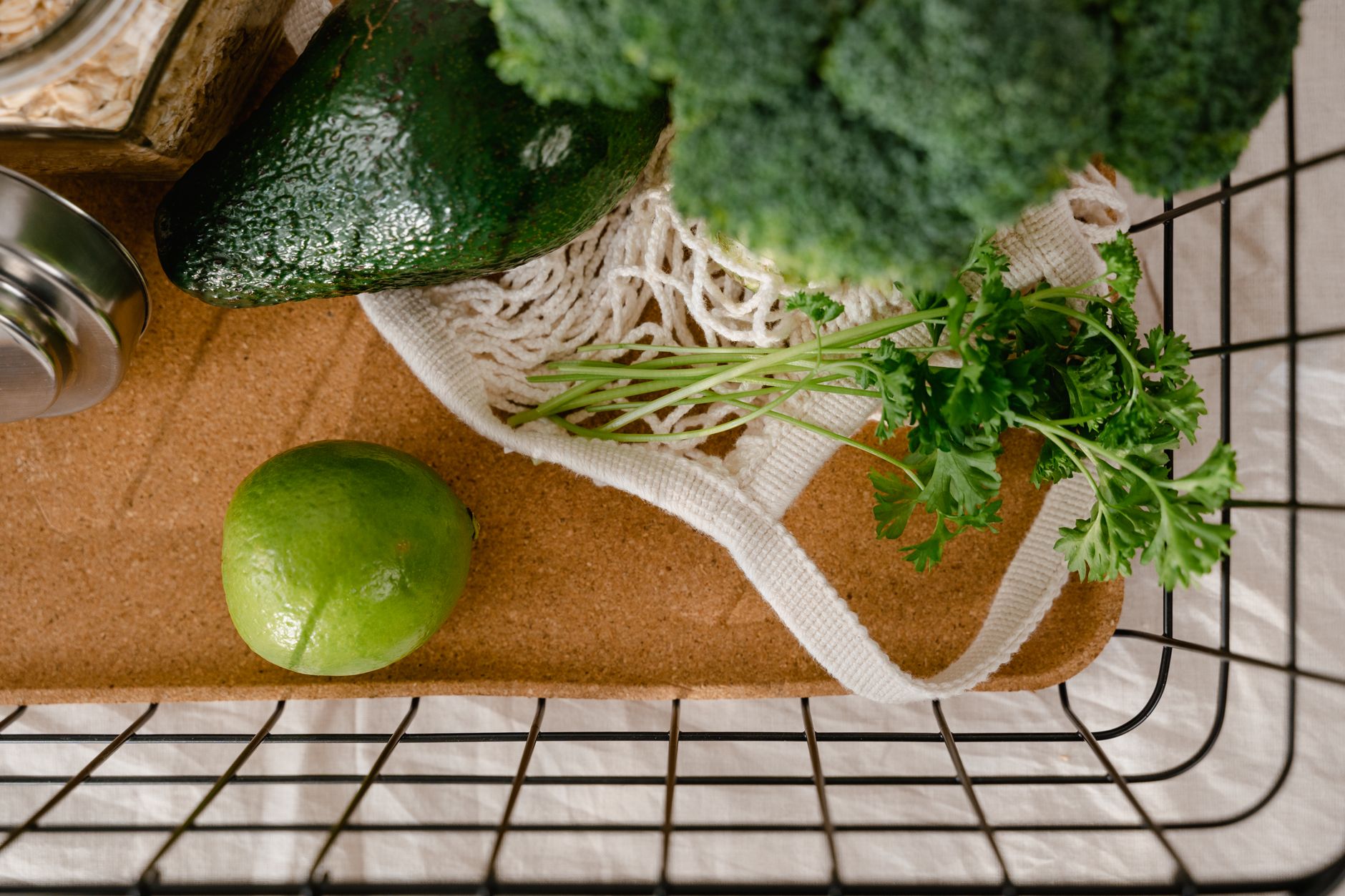
You can build a thorough skincare shelf and still wake up to breakouts, dullness, or uneven texture week after week. If that pattern sounds familiar, the missing variable might not be in your bathroom cabinet. It could be in the cart you pushed through the store two days ago.
Grocery shopping for healthy skin is not about eating perfectly or eliminating entire food groups. It is about understanding which ingredient patterns consistently supply what your skin cells need, and which patterns quietly work against them. Once you see your cart as a skin health report, the choices become surprisingly readable.

Why the Cart Comes Before the Kitchen
Skin cells turn over constantly. The raw materials for that process, including fatty acids, antioxidants, vitamins, and amino acids, come almost entirely from what you eat. Research published by the American Academy of Dermatology links dietary patterns high in ultra-processed foods and refined carbohydrates to increased sebum production and inflammatory signaling, both of which can contribute to acne and dullness.
The challenge is that most eating decisions are really shopping decisions. What lands in your cart determines what is available at every meal for the next several days. A strong kitchen still cannot conjure nutrients that were never purchased.
This is also why gut health connects so directly to complexion clarity. The same dietary patterns that feed a balanced gut microbiome tend to supply the anti-inflammatory compounds your skin barrier depends on.

Reading Your Cart: A Simple Four-Zone Framework
Rather than memorizing a long ingredient list, try scanning your cart through four practical zones before you check out.
Zone 1: Color Variety in Produce
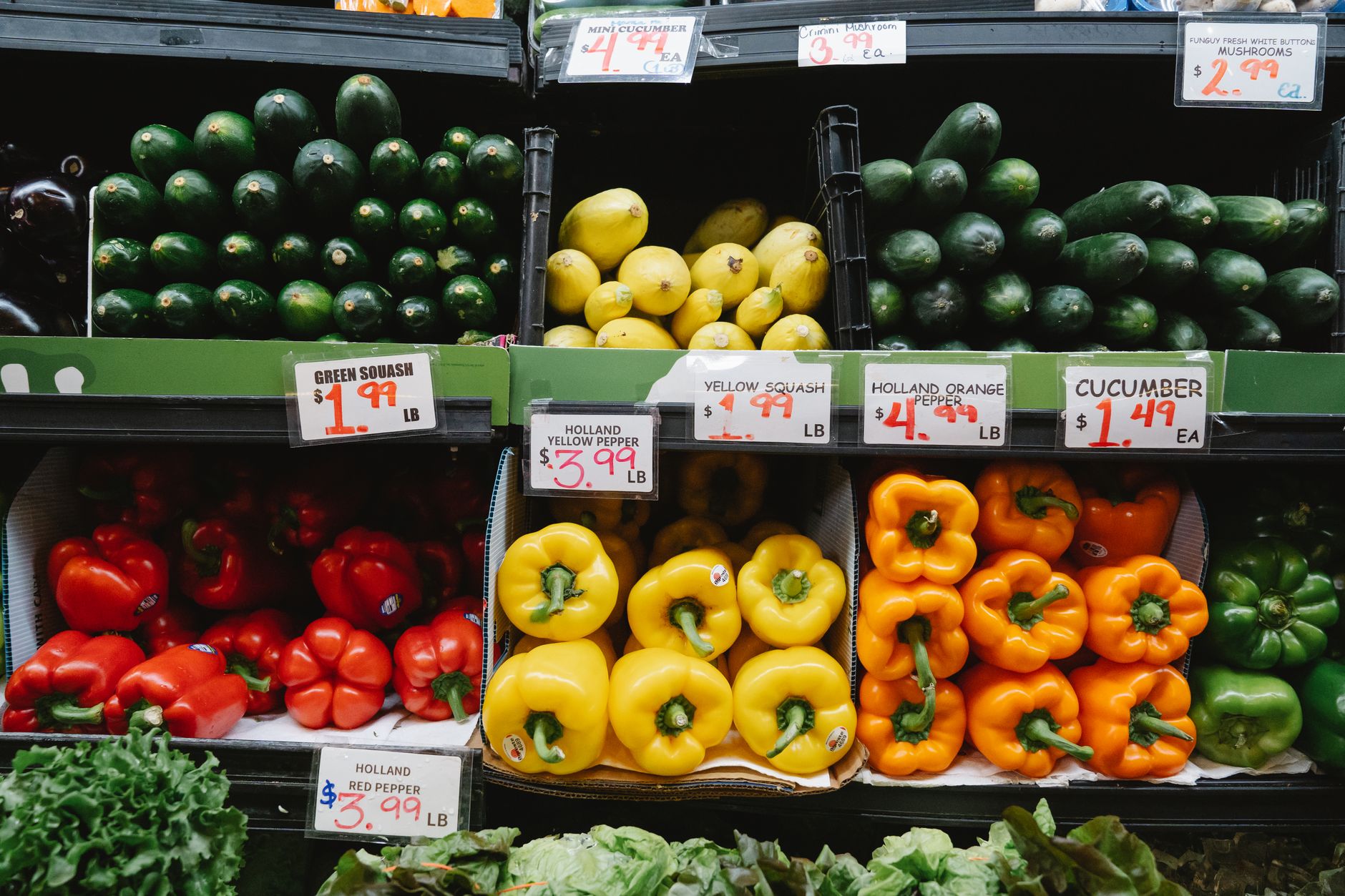
Fruits and vegetables get their colors from phytonutrients, many of which act as antioxidants that may help reduce oxidative stress in skin tissue. Lycopene in tomatoes, beta-carotene in orange and yellow vegetables, and polyphenols in dark berries are three well-studied examples (National Institutes of Health, Office of Dietary Supplements). A cart that is mostly beige, white, or green alone is a signal to add more range.
A useful target: aim for at least four distinct produce colors across your weekly shop. You do not need every color every trip, but consistent variety over time makes a measurable difference to your nutrient breadth.
Zone 2: Healthy Fats
Your skin barrier is largely lipid-based. Without adequate dietary fat, particularly omega-3 and omega-6 fatty acids in a reasonable ratio, that barrier thins and loses moisture retention. Research from the journal Lipids in Health and Disease suggests omega-3 intake may reduce inflammatory skin conditions.
Look for fatty fish (salmon, sardines, mackerel), walnuts, flaxseed, chia seeds, avocados, and extra-virgin olive oil in your cart. If most of your visible fats come from ultra-processed snacks or seed oils used in packaged foods, that ratio likely skews in a direction that does not favor skin barrier health.
Zone 3: Protein Sources That Carry Micronutrients
Collagen synthesis requires vitamin C, zinc, and amino acids, specifically glycine and proline. Your body cannot produce these at useful levels from carbohydrates alone. Eggs, legumes, fish, poultry, and leafy greens each contribute different pieces of this puzzle.
If your cart’s protein sources are mostly processed deli meats, protein bars with long ingredient panels, or fast-food shortcuts, the micronutrient profile attached to that protein is thinner than the number on the label suggests. Whole-food protein sources carry the co-factors that actually support what skin needs. This same principle applies when you are thinking about shopping strategically for sustainable weight management, because nutrient-dense proteins tend to serve both goals at once.
Zone 4: What You Are Replacing Ultra-Processed Foods With
The fourth zone is not about eliminating anything. It is about looking at the ultra-processed proportion of your cart and asking what a one-for-one swap might look like.
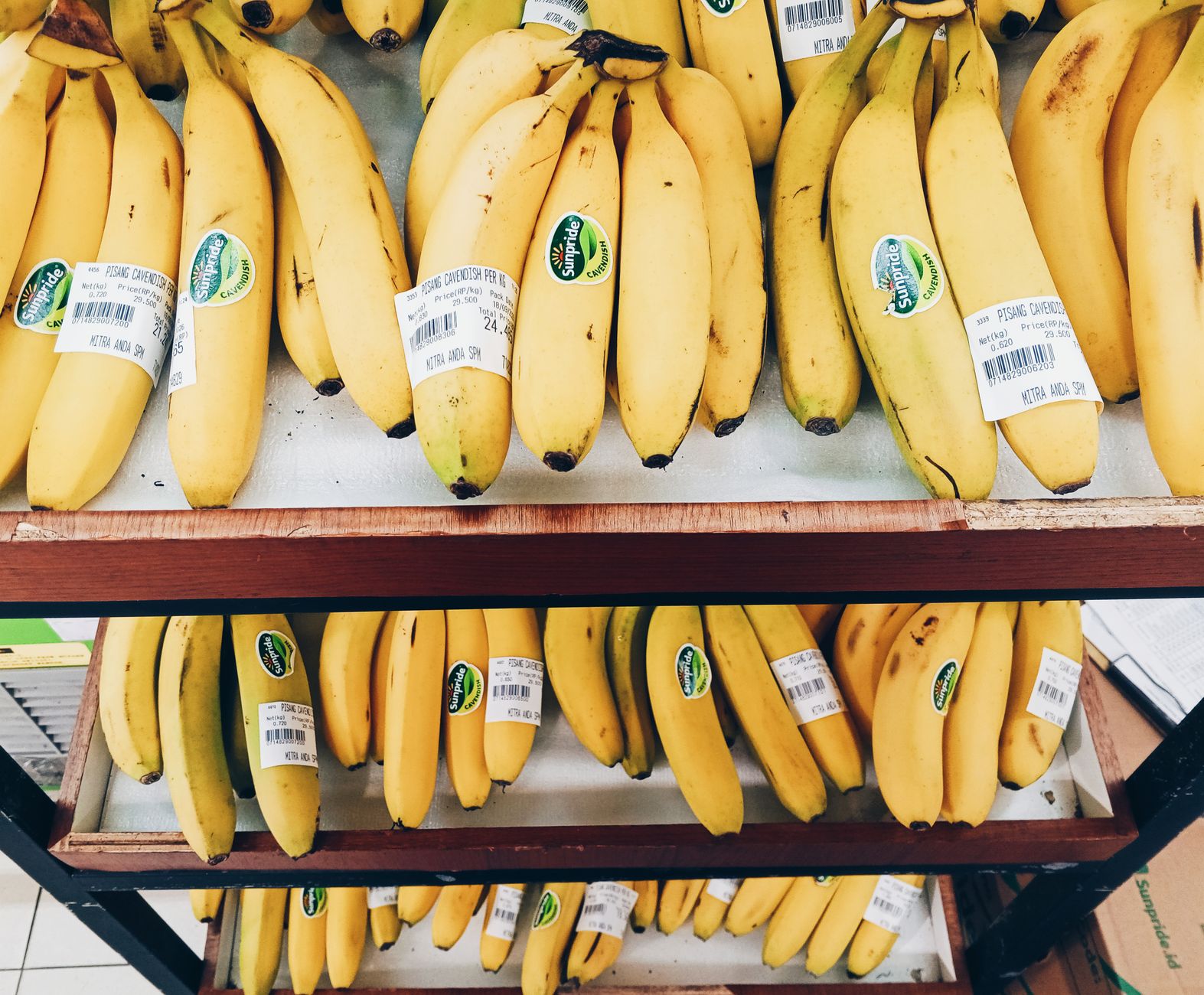
Ultra-processed foods (think packaged crackers, sugary cereals, flavored chips, and most shelf-stable snack bars) tend to carry high glycemic loads, refined seed oils, and minimal fiber. High glycemic diets have been associated with increased acne prevalence in multiple observational studies reviewed by the British Journal of Dermatology. Swapping one ultra-processed snack category for a whole-food alternative, such as plain nuts, seeds, or fruit, adds nutrients and reduces the glycemic spike pattern that research suggests may aggravate sebum production.
This is not about moral judgment around food. It is a practical numbers question: what percentage of your cart is working for your skin versus against it?
Two Specific Ingredients Worth Prioritizing
Beyond the zones above, two ingredients consistently appear in skin-supportive dietary patterns and are easy to add to any shopping list.
Zinc-rich foods. Zinc plays a role in regulating sebaceous gland activity and supporting wound healing in skin tissue, according to NIH’s Office of Dietary Supplements. Pumpkin seeds, chickpeas, lentils, and grass-fed beef are practical sources.
Fermented foods. A healthy gut microbiome may reduce systemic inflammation that surfaces on skin. Plain yogurt, kefir, kimchi, and sauerkraut are easy additions that support both gut and skin. If you want to understand why this connection is stronger than most people expect, the guide on digestion and skin complexion covers the mechanism in more detail.

A Note on Label Patterns to Watch
You do not need to read every label in the store. Watch for a few repeating patterns that signal an ultra-processed product regardless of front-of-package claims:
- More than five ingredients with names you would not keep in your own kitchen
- Sugar listed among the first three ingredients under multiple names (maltose, dextrose, cane syrup)
- Refined flour as the primary ingredient in what is marketed as a wholesome snack
- “Low fat” versions of products that replace fat with added sugar or starch
None of these make a food forbidden, but spotting the patterns helps you make a faster, more informed decision in the aisle.

Putting It Into One Realistic Shopping Habit
You do not need a complete overhaul. A single change practiced consistently tends to produce more lasting results than a dramatic reset that fades by week three.
Try this: before you check out each week, do a thirty-second cart review using the four zones. Note one zone that looks thin and add one item to address it. That is the entire system. Over six to eight weeks, your cart’s nutrient profile shifts noticeably, and so, often, does your complexion.
Movement also supports skin clarity in ways that parallel nutrition, so if you have not read about how sedentary weeks affect skin texture, that is a useful companion read.
If you want practical weekly guidance like this, the Clean Body Mentor newsletter delivers one actionable idea each week without the overwhelm.
This article is for general educational and informational purposes only and is not a substitute for medical advice, diagnosis, or treatment. Health needs vary by individual. Consult a qualified healthcare professional before making significant changes to your diet, exercise routine, supplements, medication, or treatment plan, especially if you have a medical condition, are pregnant or breastfeeding, take medication, or have concerns about your symptoms.
Sources
- American Academy of Dermatology Association. Diet and acne. https://www.aad.org/public/diseases/acne/causes/diet
- National Institutes of Health, Office of Dietary Supplements. Zinc fact sheet. https://ods.od.nih.gov/factsheets/Zinc-HealthProfessional/
- National Institutes of Health, Office of Dietary Supplements. Vitamin A and carotenoids. https://ods.od.nih.gov/factsheets/VitaminA-HealthProfessional/
- Khayef G, et al. Effects of fish oil supplementation on inflammatory acne. Lipids in Health and Disease, 2012.
- Burris J, et al. Dietary glycemic factors, insulin resistance, and acne vulgaris. Journal of the Academy of Nutrition and Dietetics, 2014.
- Pappas A. The relationship of diet and acne. Dermato-Endocrinology, 2009.


