


After a hard workout, two recovery tools keep showing up in fitness conversations: cold water immersion and heat therapy. Athletes swear by ice baths. Others disappear into saunas. Both feel productive. But feeling productive and being productive are not always the same thing, and the research draws a clearer line between the two methods than most people expect.
If you are building muscle, managing soreness, or simply trying to recover faster between home workouts, the temperature choice you make could either support or subtly undermine your training goals. Here is what the evidence actually shows.
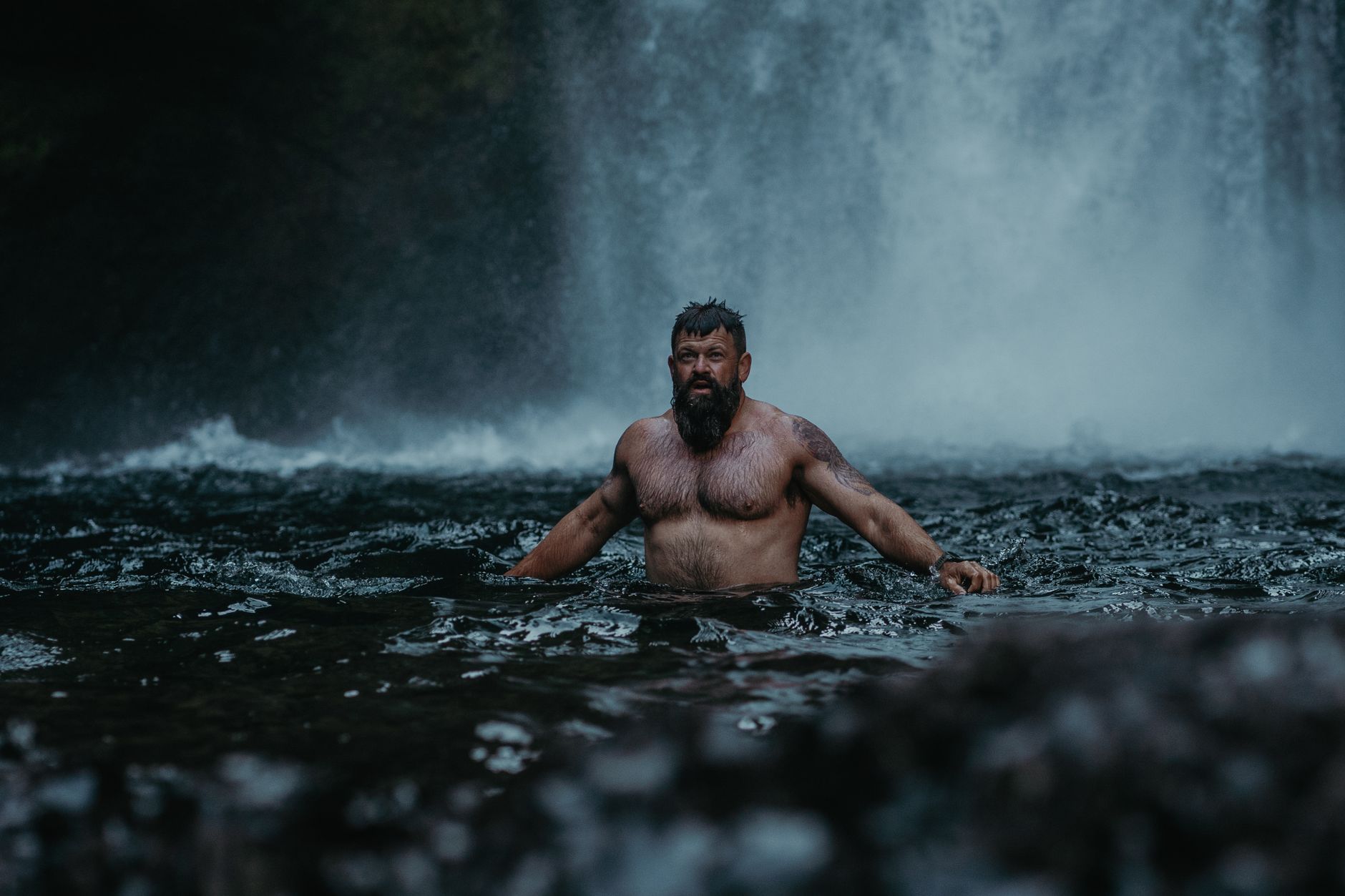
What Cold Water Immersion Does to Recovering Muscle
Cold water immersion (CWI) typically involves submerging your body in water between 10 and 15 degrees Celsius (50 to 59 degrees Fahrenheit) for 10 to 15 minutes after exercise. The core mechanism is vasoconstriction: cold narrows blood vessels, reduces local inflammation, and limits swelling in worked tissues.
For perceived soreness, cold water immersion has real, measurable benefits. A 2016 Cochrane systematic review found that CWI was more effective than passive rest for reducing delayed onset muscle soreness (DOMS), particularly in the 24 to 96 hours after intense exercise. That means you may feel less stiff and tender after a session, which makes it easier to stay consistent with training.
However, that same anti-inflammatory effect creates a tradeoff. Research published in the Journal of Physiology (Roberts et al., 2015) found that regular post-exercise cold water immersion attenuated long-term gains in muscle mass and strength compared to active recovery. The inflammation that cold water suppresses is part of the anabolic signaling that tells your muscles to grow back stronger. Blunting that signal repeatedly may slow hypertrophy over weeks and months.
Best use case for cold water immersion: competition-heavy periods, sport seasons, or training blocks where managing fatigue and staying fresh between sessions matters more than maximizing muscle growth.
For a broader look at how cold stress affects the nervous system and gut, see Digestive Wellness Through Cold Water Exposure: How Temperature Stress Trains Your Gut and Nervous System.
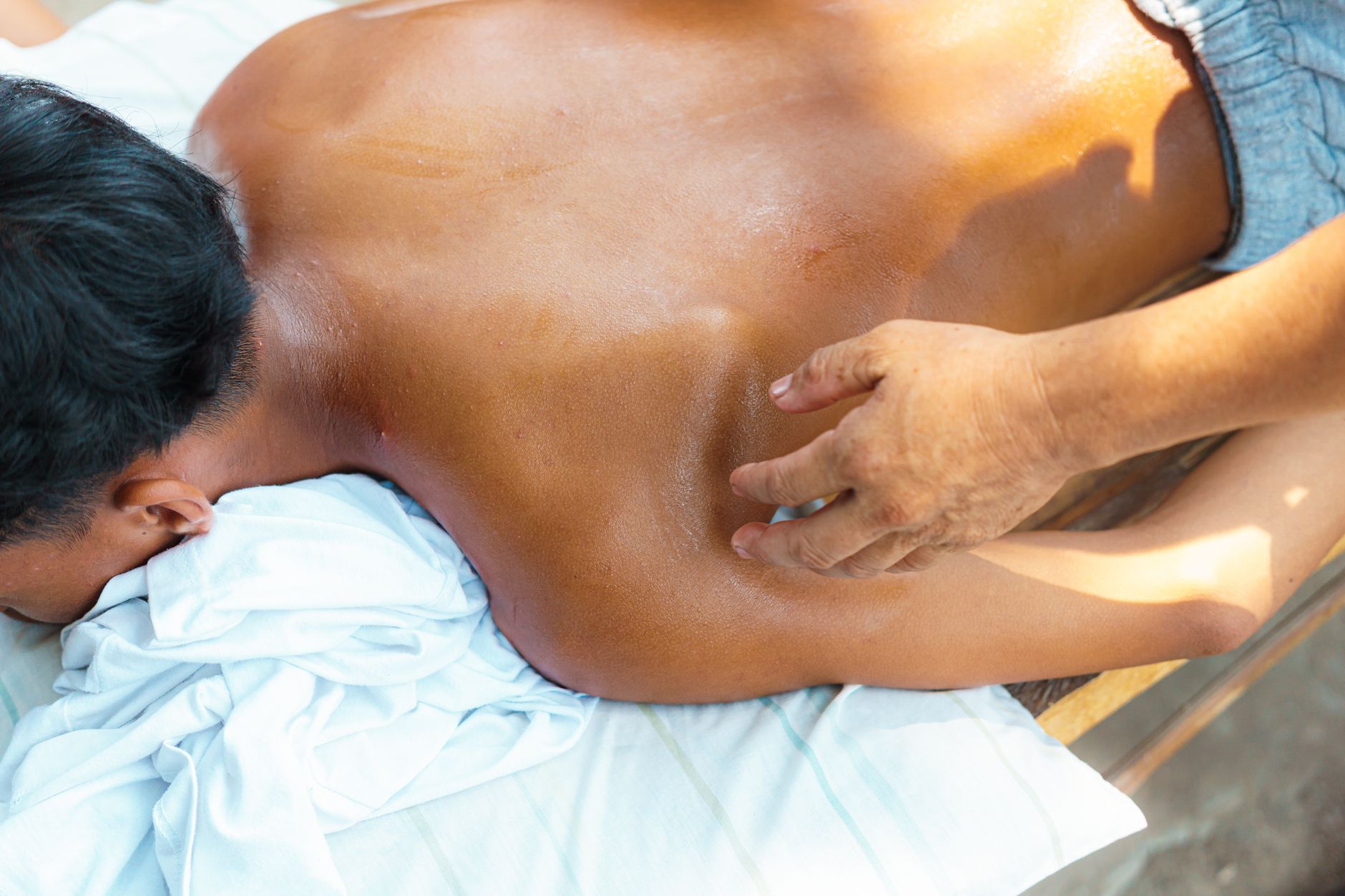
What Heat Therapy Does to Recovering Muscle
Heat therapy, whether through a sauna, warm bath, or heated pad, works in the opposite direction. Vasodilation increases blood flow to fatigued tissues, delivering oxygen and nutrients while flushing metabolic byproducts. Heat also reduces muscle stiffness, which can support range of motion and flexibility after training.
Sauna use, in particular, has attracted growing research interest. Studies reviewed by the Kuopio Research Institute of Exercise Medicine (Finland) suggest that regular sauna bathing may support cardiovascular conditioning and reduce markers of systemic inflammation over time. Heat shock proteins activated during sauna use may also play a role in cellular repair.
For muscle recovery specifically, heat appears to work best in the hours before the next training session rather than immediately after. Applying heat within the first hour post-workout, when inflammation is a natural and necessary repair signal, may not offer additional benefit over simply resting. Applied the following morning or during a rest day, heat therapy can help tissues loosen, reduce residual stiffness, and prepare you for your next session.
Notably, heat therapy does not appear to interfere with muscle adaptation the way cold water immersion can. This makes it a safer default tool for people whose primary goal is building strength or body composition over time.
Best use case for heat therapy: rest days, the morning before a second workout, or whenever stiffness and reduced range of motion are limiting your movement quality.
If you are sorting out what qualifies as normal soreness versus a reason to actually rest, Strength Training Fatigue vs. Muscle Soreness: A Beginner’s Guide to When to Push Through and When to Rest is worth reading before you pick a temperature method.
Side-by-Side Comparison: What Each Method Actually Delivers
| Factor | Cold Water Immersion | Heat Therapy |
|---|---|---|
| Perceived soreness relief | Strong (24-96 hrs post-exercise) | Moderate (best day-after) |
| Muscle growth interference | Possible with frequent use | Minimal to none |
| Range of motion support | Limited | Moderate to strong |
| Cardiovascular conditioning | Mild via cold shock response | Moderate via sauna |
| Home accessibility | Low-cost (cold bath or shower) | Low-cost (warm bath) |
| Timing sweet spot | Immediately post-exercise | Rest days or next morning |
Which Method Costs Less and Works at Home
One practical reality that gets lost in ice bath hype is that cold water immersion does not require a specialized plunge pool. A cold bath or even a cold shower directed at sore muscle groups costs nothing beyond your existing water bill. For most home exercisers, filling a tub with cold water and a few bags of ice is a low-cost, low-barrier option.
Heat therapy at home is equally accessible. A warm bath, an inexpensive heating pad, or a 15-minute hot shower directed at a sore area accomplishes the core goal of increasing local blood flow. If you have access to a gym sauna, a 15 to 20 minute session two to three times per week may offer additional cardiovascular and recovery benefits over time, but it is not required.
For additional evidence-backed recovery strategies that go beyond temperature alone, Seven Recovery Practices That Actually Reduce Muscle Soreness Better Than Ice Baths or Compression Sleeves offers a broader toolkit worth bookmarking.
How to Combine Both Methods Without Undermining Your Goals
The short answer: you do not have to choose one exclusively. The key is timing.
- During high-volume training weeks or multi-day athletic events, cold water immersion after each session can help you stay functional and reduce cumulative soreness.
- During strength-building phases, reduce CWI frequency to once per week at most and lean on heat therapy and active recovery on rest days.
- If your goal is general fitness rather than peak hypertrophy, alternating cold and warm exposure (contrast therapy) may offer a middle ground, though evidence for contrast therapy is less consistent than for either method alone.
Proper hydration supports both methods. Cold and heat both shift fluid balance in your body, so drinking enough before and after temperature exposure matters more than most people realize. Hydration for Strength Training Recovery: When Water Alone Falls Short and What Electrolytes Actually Do explains why water timing and electrolytes play a role in how well your muscles recover.
Making the Right Choice for Your Training Phase
For most recreational exercisers, heat therapy wins as a default because it supports recovery without the adaptation tradeoff that frequent cold water immersion carries. Cold water immersion earns its place during congested training schedules, competition seasons, or when soreness is severe enough to disrupt sleep or daily movement.
Choose one method to try consistently for two to three weeks, notice how your body responds, and adjust from there. Recovery is not one-size-fits-all, and gradual, intentional experimentation is more useful than chasing the protocol your favorite athlete posts online.
If you want a broader look at how these two methods compare on comfort, risk, and practical effort, Cold Water Plunges vs. Sauna Sessions: Which Recovery Method Actually Works for You digs deeper into both sides.
This article is for general educational and informational purposes only and is not a substitute for medical advice, diagnosis, or treatment. Health needs vary by individual. Consult a qualified healthcare professional before making significant changes to your diet, exercise routine, supplements, medication, or treatment plan, especially if you have a medical condition, are pregnant or breastfeeding, take medication, or have concerns about your symptoms.

Sources
- Bleakley C, et al. “Cold-water immersion (cryotherapy) for preventing and treating muscle soreness after exercise.” Cochrane Database of Systematic Reviews, 2012. Cochrane Library.
- Roberts LA, et al. “Post-exercise cold water immersion attenuates acute anabolic signalling and long-term adaptations in muscle to strength training.” Journal of Physiology, 2015.
- Laukkanen T, et al. “Cardiovascular and other health benefits of sauna bathing: a review of the evidence.” Mayo Clinic Proceedings, 2018. (Citation by journal name; no fabricated link.)
- National Institute of Arthritis and Musculoskeletal and Skin Diseases (NIAMS). Heat and Cold Treatments overview. National Institutes of Health.


