

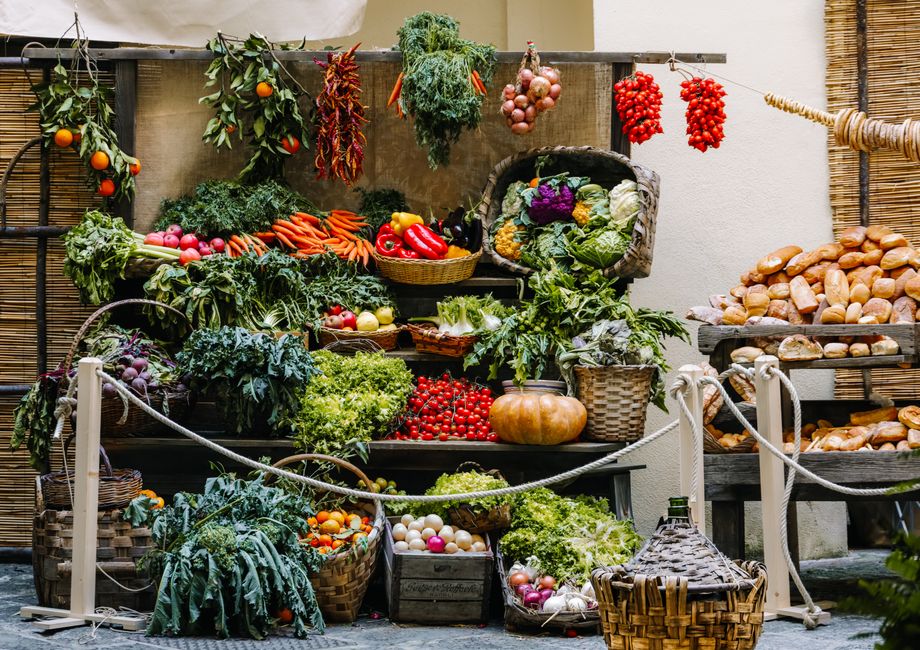
You have probably noticed that a bag of spinach seems cheaper in April than in November, or that butternut squash practically gives itself away in October. That price shift is not a sale gimmick. It is how produce economics actually work: when a crop is harvested locally in large quantities, transportation distances shrink, storage demands drop, and prices follow. Seasonal eating on a budget is less about finding a specialty market and more about reading those price signals at your ordinary grocery store.
This guide explains why off-season produce costs more, maps out the lowest-cost windows for common vegetables and fruits, and gives you a practical month-by-month shopping strategy you can start this week.
Why Off-Season Produce Costs More (and In-Season Produce Costs Less)
When a vegetable is out of season in your region, one of three things is happening: it was grown in a greenhouse under artificial heat and light, it was shipped from a distant hemisphere (Chile, Mexico, or South Africa are common sources), or it was stored in a refrigerated warehouse for months after harvest. All three options add cost, and that cost lands on your receipt.
Research from the USDA Economic Research Service consistently shows that retail produce prices correlate with seasonal supply. Strawberries, for example, are roughly 20-30 percent cheaper in May and June than in December, when they travel thousands of miles to reach northern grocery shelves.
In-season produce also tends to be higher in certain nutrients because less time passes between harvest and your kitchen. Vitamin C and folate, both water-soluble, decline during extended storage and transit. So the cheaper bag of spinach in April is delivering better nutritional value too. You can explore this in more depth in our guide on Seasonal Produce Nutrition: Why Winter Root Vegetables and Spring Greens Deliver Different Nutrients and Cost Less.
A Season-by-Season Price Map for Your Cart
You do not need to memorize crop calendars. A general framework gets you most of the savings:
Spring (March-May)
- Spinach, arugula, and other tender greens hit their price floor. Look for bundles under $2.
- Asparagus drops sharply in April. Buy it then; skip it in January.
- Radishes, green onions, and peas appear inexpensively at most mainstream stores.
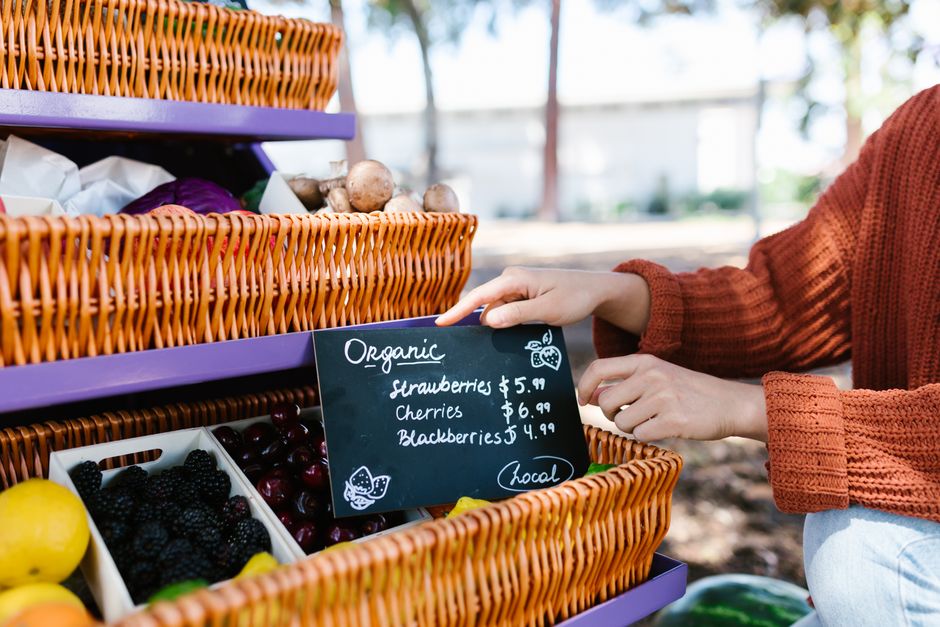
- Strawberries begin their price descent toward May.
Summer (June-August)
- Zucchini, cucumbers, and corn become almost absurdly cheap.
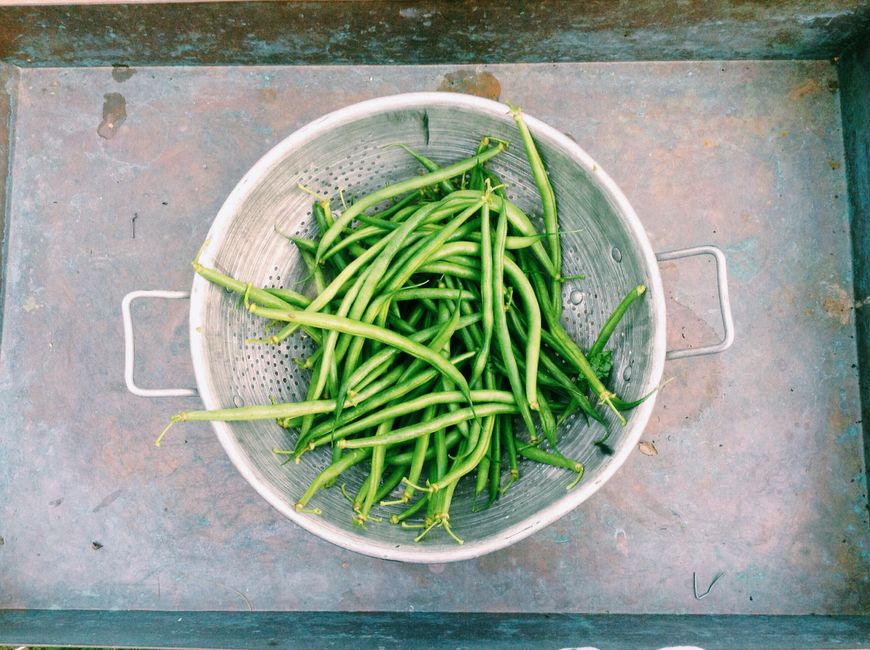
- Tomatoes, bell peppers, and green beans are at peak supply.
- Blueberries and peaches hit their lowest price point; frozen versions lock in that value year-round.
Fall (September-November)
- Winter squash (butternut, acorn, delicata) is inexpensive and stores well on a countertop for weeks.
- Sweet potatoes and regular potatoes reach their best prices.
- Apples and pears are abundant; buying a large bag beats buying individual fruit.
- Broccoli and cauliflower do well in cool weather and drop in price.
Winter (December-February)
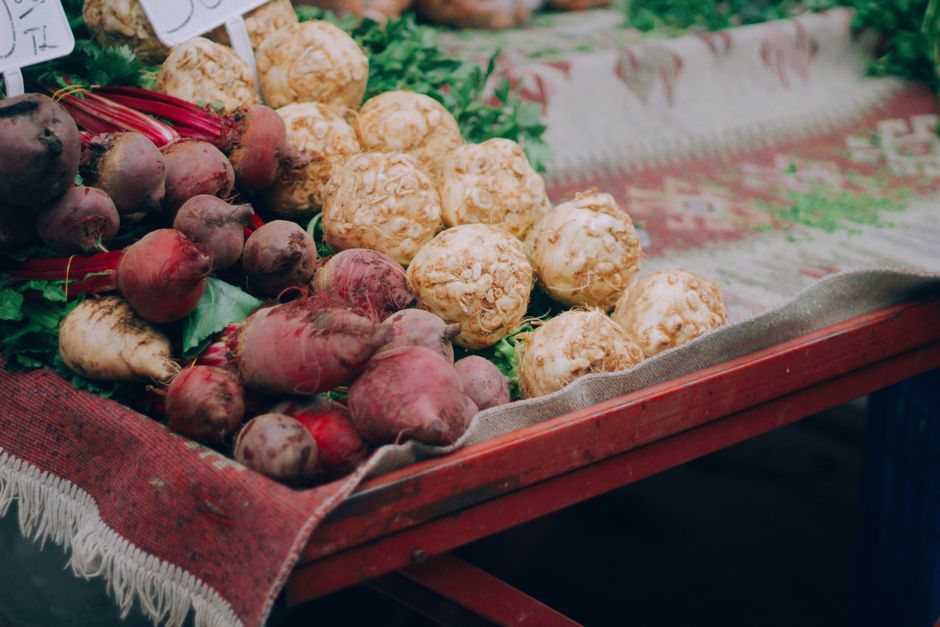
- Root vegetables shine: carrots, turnips, parsnips, and beets are cheap and durable.
- Cabbage and kale hold up in cold storage and remain affordable.
- Citrus fruit (oranges, grapefruit, clementines) is at peak quality and value.
- For more detail on winter produce strategy, see Five Winter Wellness Foods That Cost Less Than Summer Produce and Actually Support Your Immune System.
How to Shift Your Cart Month by Month Without Waste
Knowing which produce is cheap is only helpful if you use it before it wilts. Here is a practical approach:
1. Anchor two or three seasonal vegetables each week.
Choose the items in the highest seasonal supply for that month and build two or three meals around them. You are not replacing everything in your cart, just anchoring a few choices to the season.
2. Buy one extra unit for freezing.
When zucchini or spinach is cheap and plentiful, pick up one extra bag and freeze what you will not use fresh. Blanching leafy greens for two minutes before freezing preserves color and texture. This single habit stretches your budget beyond the season.
3. Use the frozen aisle strategically.
Frozen vegetables are picked at peak ripeness and flash-frozen, which preserves nutrients well. The FDA notes that frozen produce can be nutritionally comparable to fresh. When fresh broccoli is pricey in January, the frozen bag is the better seasonal-eating move.
4. Compare unit prices, not package prices.
A 3-pound bag of carrots for $2.49 beats a 1-pound bag for $1.29. Root vegetables and cabbage in particular reward buying in larger quantities because they keep for weeks in the refrigerator.
5. Visit the reduced-produce section.
Most grocery stores place produce that is a day or two past peak in a discounted bin near the back. Bananas, peppers, and apples in this section are ideal for smoothies, soups, and baking. They cost a fraction of their regular price and reduce food waste.
If you are just starting to think about how to organize grocery trips around produce, our guide on How to Eat Seasonally on a Budget Without Farmers Market Trips covers the store-navigation side in practical detail.

What This Actually Saves Over a Year
A household that shifts just four produce items per season to in-season alternatives can realistically save $20-40 per month on groceries, depending on family size. Over a year, that is $240-$480 redirected elsewhere, without eating less or eating worse. In fact, eating more vegetables is associated with reduced risk of cardiovascular disease and certain cancers, according to findings summarized by the USDA Dietary Guidelines Advisory Committee.
When seasonal vegetables become a regular part of your meals, the variety also reduces dietary monotony. Spring greens one month, roasted squash the next, and a rotation of roots through winter keeps meals interesting without requiring new recipes from scratch each time. For ideas on making vegetables appealing to the whole family, Teaching Vegetables to Kids Without Pressure: A Three-Month Progressive Plan That Builds Real Enjoyment offers a gentle, practical approach.

One Realistic Starting Point
Do not try to overhaul your entire grocery routine this week. Instead, pick one vegetable that is in season right now (look at what is stacked high and priced low near the store entrance), buy a larger amount than usual, and plan two meals around it. That single habit, practiced for a few months, builds the intuition that makes seasonal eating on a budget feel automatic.
For practical weekly guidance on balanced nutrition and grocery habits, consider signing up for the Clean Body Mentor newsletter, where readers get straightforward, evidence-informed tips delivered without overwhelm.
This article is for general educational and informational purposes only and is not a substitute for medical advice, diagnosis, or treatment. Health needs vary by individual. Consult a qualified healthcare professional before making significant changes to your diet, exercise routine, supplements, medication, or treatment plan, especially if you have a medical condition, are pregnant or breastfeeding, take medication, or have concerns about your symptoms.
Sources
- USDA Economic Research Service: Fruit and Vegetable Prices (ers.usda.gov)
- USDA Dietary Guidelines Advisory Committee: 2020-2025 Dietary Guidelines for Americans (dietaryguidelines.gov)
- U.S. Food and Drug Administration: Fresh and Frozen Produce Nutrient Retention (fda.gov)