

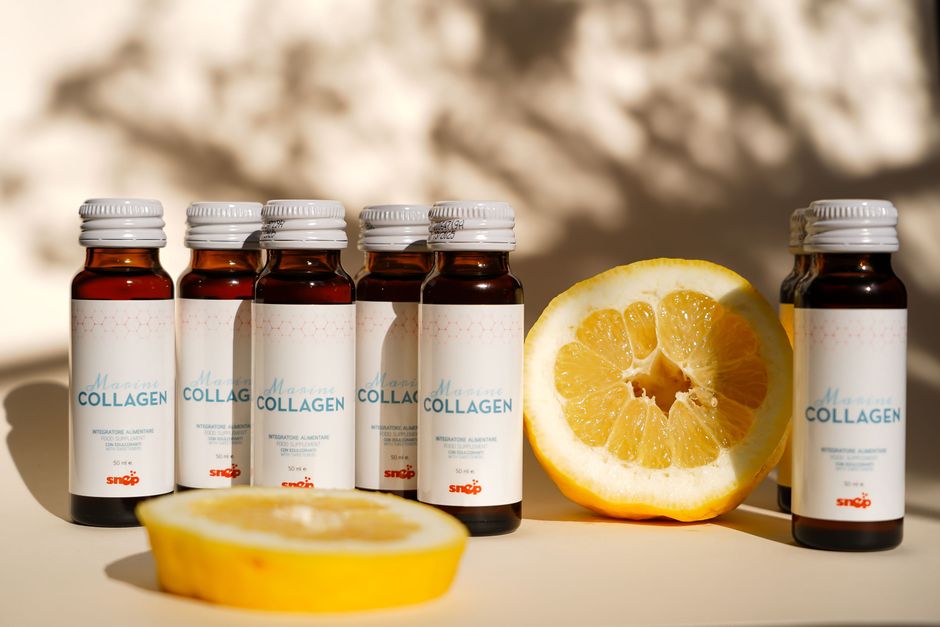
Collagen has become one of the most-marketed nutrients in the wellness space, showing up in flavored powders, ready-to-sip broths, and capsules lined up at every supplement checkout. The promises are consistent: better joints, smoother skin, faster recovery. The evidence, though, is considerably more nuanced.
Before comparing sources, it helps to understand what your body is actually doing with any of them.
How Collagen Actually Gets Made in Your Body
Collagen is not a molecule you absorb intact and redistribute to your knees or skin. When you eat any protein, your digestive system breaks it into amino acids and small peptides. Your body then uses those building blocks to synthesize collagen on its own, guided by signals like physical stress on tissue and, critically, the availability of vitamin C (which is required for a key step in collagen synthesis, as described in research published by the National Institutes of Health).
This matters for the collagen sources comparison because the question is not just “does this food contain collagen?” It is “does eating this food give my body what it needs to build and maintain collagen, and does the bioavailability justify the cost?”

Collagen Powder: Convenient, Studied, but Overhyped
Hydrolyzed collagen peptides, the form found in most supplements, are broken down into shorter chains that research suggests may be absorbed more efficiently than intact collagen protein. Several small randomized controlled trials, including a 2019 review in the journal Nutrients (available via PubMed), found modest benefits for skin elasticity and joint discomfort in specific populations over periods of 8 to 24 weeks.
The honest caveats:
- Most trials are small, industry-funded, or short in duration.
- The peptides your body absorbs still get pooled with all other amino acids before being directed anywhere.
- Collagen powder is typically low in tryptophan, making it an incomplete protein source on its own.
- Many products lack vitamin C and other cofactors needed for synthesis.
For someone with a high-protein diet already, adding collagen powder may offer minimal additional benefit. If you do use it, research suggests pairing it with a vitamin C source, such as citrus or bell peppers, before workouts or physical therapy sessions when collagen synthesis in tendons may be especially responsive (a finding highlighted by a study in The American Journal of Clinical Nutrition, 2017).
If you are already exploring how whole-food nutrients show up in tissue health, the guide on Skin Clarity From Nutrient Density: Which Foods Actually Show Up in Your Complexion offers a useful companion perspective.

Bone Broth: Real Nutrition, Reasonable Expectations
Bone broth made by simmering bones for many hours does extract gelatin (a cooked form of collagen), along with minerals, glycine, and proline. These amino acids are genuinely useful for connective tissue support. The problem is that the collagen content of homemade or commercial broths varies enormously based on bone type, cooking time, and water ratio, and there is no reliable way to know how much you are actually getting per cup.
Some commercial broths labeled as collagen-rich have been found in independent testing to contain surprisingly little protein. A well-made, slow-simmered broth with visible gelatin when cooled is a better sign of meaningful content than any label claim.
What bone broth does reliably offer:
- Glycine and proline, two amino acids useful for collagen synthesis
- Electrolytes and minerals in modest amounts
- A warm, satisfying food that supports hydration and gut comfort
Bone broth is a reasonable addition to a recovery-focused eating pattern, particularly after hard training sessions or when appetite is low. It is not a treatment for joint disease or a substitute for protein-rich meals. Pairing it with foods high in vitamin C strengthens its contribution to collagen synthesis. You might also enjoy sipping a herbal-infused broth alongside other post-meal strategies covered in Herbal Tea for Digestion and Recovery: A Tasting Guide to Blends That Actually Work After Meals and Workouts.

Bone-In Meals: The Underestimated Option
A slow-braised chicken thigh with bone, a lamb shank, or a pork rib cooked low and slow delivers collagen-rich connective tissue directly in a whole-food context. Unlike isolated supplements, these meals also come with:
- Complete proteins (all essential amino acids, including tryptophan)
- B vitamins, zinc, and iron that support tissue repair and immune function
- Natural fats that aid absorption of fat-soluble vitamins
- Satisfaction and satiety that support consistent eating patterns
When you pair bone-in meals with vegetables containing vitamin C (think roasted bell peppers, tomatoes, broccoli, or a citrus-dressed salad), you create a meal that supplies both the raw material for collagen and the enzymatic cofactors to use it. That is a combination no supplement isolate currently replicates in a single serving.
For families trying to build these habits together, Five Family Meals That Invite Kids to Eat Real Food Without Praise or Pressure offers practical, low-stress meal ideas that happen to include exactly this kind of balanced, nutrient-dense cooking.
For recovery specifically, what you eat around training matters alongside what you eat for collagen. A protein-forward approach to meals supports muscle repair, and getting quality sleep reinforces the biological processes that rebuild tissue overnight. If you find recovery stalling even with good nutrition, it is worth reading about Recovery Sleep vs. Extra Sleep: Why More Hours Do Not Always Mean Better Rest.
A Direct Comparison
| Factor | Collagen Powder | Bone Broth | Bone-In Meals |
|---|---|---|---|
| Bioavailability | High (hydrolyzed) | Moderate (variable) | Moderate-High (whole food) |
| Complete protein | No | No | Yes |
| Vitamin C included | Rarely | No | With vegetables, yes |
| Evidence quality | Small trials | Mostly anecdotal | Strong (diet pattern research) |
| Cost | High | Moderate | Moderate |
| Practical ease | Easy | Easy to moderate | Requires cooking time |
No single source is uniquely superior for everyone. But based on this collagen sources comparison, bone-in meals with colorful vegetables represent the most nutritionally complete strategy for supporting collagen synthesis and recovery over time.

What This Means in Practice
You do not need to choose just one. A realistic, sustainable approach might look like:
- Cooking bone-in chicken thighs, pork ribs, or lamb shanks two or three times per week
- Sipping homemade or quality bone broth during recovery days or when appetite is lower
- Considering hydrolyzed collagen peptides only if you have a specific recovery goal, a low overall protein intake, or are working through physical rehabilitation with a healthcare provider
The takeaway is not that supplements are useless or that bone broth is a miracle. It is that food patterns, over time, tend to outperform isolated nutrients. Choosing one small, consistent action, like adding a weekly slow-braise meal or pairing your current broth habit with vitamin C-rich vegetables, will serve you better than rotating between expensive products.
If this kind of evidence-informed, whole-food thinking appeals to you, the Clean Body Mentor newsletter delivers practical weekly guidance on nutrition, movement, and sustainable healthy habits. Consider subscribing to stay grounded in what the research actually supports.
This article is for general educational and informational purposes only and is not a substitute for medical advice, diagnosis, or treatment. Health needs vary by individual. Consult a qualified healthcare professional before making significant changes to your diet, exercise routine, supplements, medication, or treatment plan, especially if you have a medical condition, are pregnant or breastfeeding, take medication, or have concerns about your symptoms.
Sources
- Asserin, J. et al. (2015). “The effect of oral collagen peptide supplementation on skin moisture and the dermal collagen network.” Journal of Cosmetic Dermatology. Via PubMed.
- Shaw, G. et al. (2017). “Vitamin C-enriched gelatin supplementation before intermittent activity augments collagen synthesis.” The American Journal of Clinical Nutrition. Via PubMed.
- Khatri, M. et al. (2021). “The effects of collagen peptide supplementation on body composition, collagen synthesis, and recovery from joint injury.” Amino Acids. Via PubMed.
- National Institutes of Health, Office of Dietary Supplements: Vitamin C fact sheet (ods.od.nih.gov).
- Proksch, E. et al. (2014). “Oral supplementation of specific collagen peptides has beneficial effects on human skin physiology.” Skin Pharmacology and Physiology. Via PubMed.