


You push yourself through a solid week of walks, and then a rest day arrives. You sleep a little longer, eat mindfully, and by afternoon your skin looks calmer and brighter. It is not your imagination. Skin health recovery is a real, measurable process, and your rest days are when much of it happens.
Most wellness conversations focus on what you do during active days. But the repair work, the nutrient delivery, the hormone reset, that happens in the spaces between movement. Understanding the biology of recovery reframes rest days from lazy gaps into purposeful complexion-building sessions.
What Happens Inside Your Skin When You Rest
During sustained physical effort, your body prioritizes blood flow to working muscles and shunts resources away from non-essential systems, including the upper layers of skin. Cortisol, the primary stress hormone, rises during intense or prolonged exercise. Short bursts of cortisol are useful, but chronically elevated levels suppress collagen synthesis and can worsen inflammatory skin conditions. Research published through the National Institutes of Health confirms that cortisol disrupts skin barrier function and slows wound repair.
On rest days, cortisol drops back toward baseline. Growth hormone, which peaks during deep sleep and low-intensity recovery periods, steps in. Growth hormone signals fibroblasts, the cells that manufacture collagen and elastin, to get to work. That rebuild is what shows up as a clearer, more even-looking complexion by the end of a recovery day.
Nutrient absorption also improves when your digestive system is not competing with active muscles for circulation. The vitamins and minerals you eat, especially zinc, vitamin C, and vitamin A, are delivered more efficiently to skin tissue when blood flow is not being redirected elsewhere. If you want a deeper look at how gut function shapes this delivery process, Digestive Wellness and Skin Clarity: How Gut Function Shapes Your Complexion walks through the connection in detail.

Protocol 1: Sleep With Intent
Recovery sleep is not just more hours. It is about sleep quality during the specific stages where skin repair peaks. Slow-wave sleep, the deepest non-REM stage, is when growth hormone secretion is highest and inflammatory cytokines are cleared from tissue.
On rest days, aim for seven to nine hours in a cool, dark room. Avoid screens for at least 45 minutes before bed, not because of a vague blue-light rule, but because screen-driven mental arousal delays the drop in core body temperature that triggers slow-wave sleep entry. The article Recovery Sleep vs. Extra Sleep: Why More Hours Do Not Always Mean Better Rest explains how to tell which type of sleep your body actually needs.
One practical addition: a short body-scan or progressive-muscle-relaxation routine before sleep can measurably lower evening cortisol. A 2019 review in the journal Frontiers in Psychology found that brief relaxation techniques reduced salivary cortisol in adults within a single session. Lower evening cortisol means less overnight inflammation, which means less morning puffiness and redness.
Beginner modification: If full relaxation routines feel unfamiliar, start with four slow breaths in through your nose and six counts out through your mouth for two minutes before turning off the light.
Protocol 2: Anti-Inflammatory Eating on Recovery Days
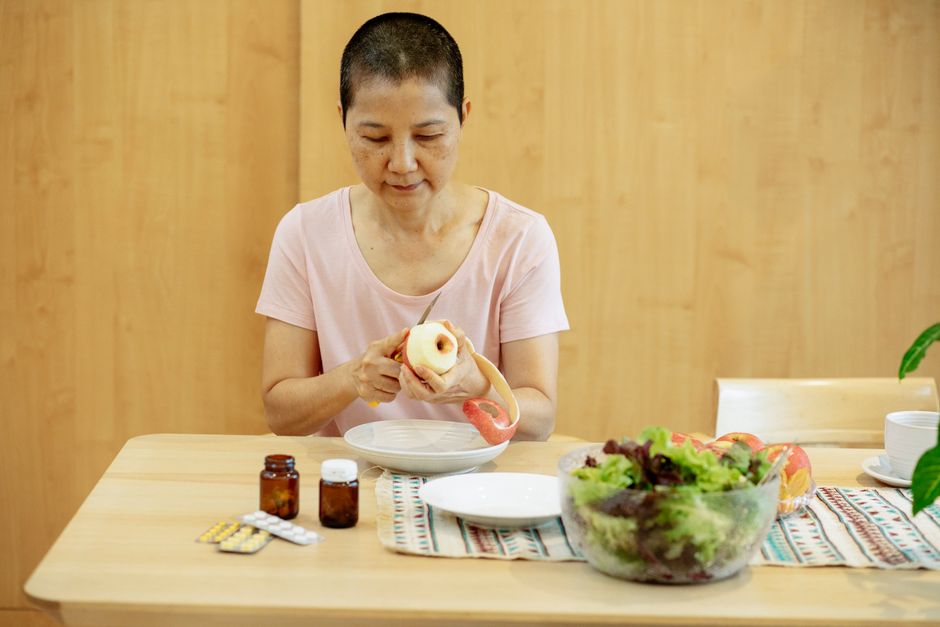
Rest days are not days to eat less. They are days to eat with more targeted precision. Your skin uses this calmer metabolic window to incorporate the building blocks you give it.
Focus on:
- Zinc-rich foods (pumpkin seeds, lentils, chickpeas): zinc is directly involved in skin cell turnover and sebum regulation
- Vitamin C sources (bell peppers, kiwi, strawberries): vitamin C is required for collagen crosslinking, according to the Linus Pauling Institute at Oregon State University
- Omega-3 fatty acids (walnuts, ground flaxseed, fatty fish): research suggests omega-3s reduce the inflammatory signaling that contributes to acne and skin redness
- Hydrating, fiber-rich produce: adequate hydration supports transepidermal water retention, the skin’s ability to hold moisture from within
Avoid the common rest-day trap of high-sugar, low-nutrient comfort eating. Rapid blood sugar spikes increase insulin-like growth factor (IGF-1), which research suggests stimulates excess sebum production. That does not mean avoiding carbohydrates. It means pairing them with protein and fiber so glucose rises gradually. For a closer look at which foods actually show up in your complexion, Skin Clarity From Nutrient Density: Which Foods Actually Show Up in Your Complexion is a practical companion read.
Beginner modification: Build one rest-day meal around a large salad with a palm-sized protein, two tablespoons of seeds or walnuts, and olive oil dressing. No tracking required.

Protocol 3: Light Movement That Keeps Lymph Flowing
Complete stillness is not the same as beneficial rest. Your lymphatic system, which clears metabolic waste from skin tissue, has no pump of its own. It relies on muscle contractions and body movement to circulate. A full sedentary day can slow lymphatic drainage and leave inflammatory byproducts sitting in tissue longer than necessary.
On rest days, a 15 to 20 minute slow walk outdoors, gentle stretching, or light yoga is enough to keep lymph moving without taxing your system. This gentle movement also reduces cortisol slightly and improves mood, both of which have downstream effects on inflammatory skin pathways.
If you currently build walking into your active days and want to understand how it supports skin more broadly, Skin Clarity From Movement: How Daily Walking and Stretching Improve Your Complexion Without Skincare Products covers the connection between consistent movement and complexion clarity in detail.
Beginner modification: A 15-minute neighborhood walk in comfortable shoes with no pace goal counts. The intention is circulation, not cardio.
Putting It Together: A Simple Rest-Day Skin Protocol
You do not need all three protocols perfectly executed on every rest day. Progress in any one area compounds over time. A practical starting point:
- Commit to one extra sleep-preparation habit tonight (the breathing exercise, a cooler room, or earlier screen shutoff)
- Add one zinc or vitamin C-rich food to your next rest-day meal
- Take a 15-minute walk tomorrow morning without a fitness goal attached
These are not dramatic changes. They are the type of sustainable habits that rebuild skin health recovery from the inside, consistently, over weeks rather than days.
Choose the one that feels most realistic right now and repeat it on your next two rest days. Then add the second. If you want more guidance on building habits that actually stick, the Clean Body Mentor newsletter offers weekly practical wellness ideas delivered without pressure.
This article is for general educational and informational purposes only and is not a substitute for medical advice, diagnosis, or treatment. Health needs vary by individual. Consult a qualified healthcare professional before making significant changes to your diet, exercise routine, supplements, medication, or treatment plan, especially if you have a medical condition, are pregnant or breastfeeding, take medication, or have concerns about your symptoms.
Sources
- National Institutes of Health, National Library of Medicine: research on cortisol and skin barrier function (PubMed, search “cortisol skin barrier function”)
- Linus Pauling Institute, Oregon State University: Micronutrient Information Center on Vitamin C and collagen synthesis (lpi.oregonstate.edu)
- Frontiers in Psychology (2019): review on relaxation techniques and salivary cortisol reduction
- Oregon State University Linus Pauling Institute: Zinc and skin cell regulation (Micronutrient Information Center)
- Research on IGF-1 and sebum production: available via PubMed, search “IGF-1 acne sebum” for primary literature